
Beyond Pnrr: new calls for 70 million and 98 electric buses
The investment season has not stopped with the end of the Pnrr. In fact, in recent weeks local governments have issued a series of tenders that confirm how the transition to electric power in public transportation remains a priority. Nearly half of the e-buses purchased so far are electric. Recent figures show strong interest in this energy transition: 70 million euros allocated for the purchase of 98 electric buses, charging stations, and maintenance services. Let’s take a look at the latest tenders.
In Bolzano, focus is on electric buses rather than hydrogen: 42 new battery-powered buses
The capital of Alto Adige/South Tyrol has always been a leader in hydrogen for public transportation, with the first fuel cell buses arriving as early as 2013.
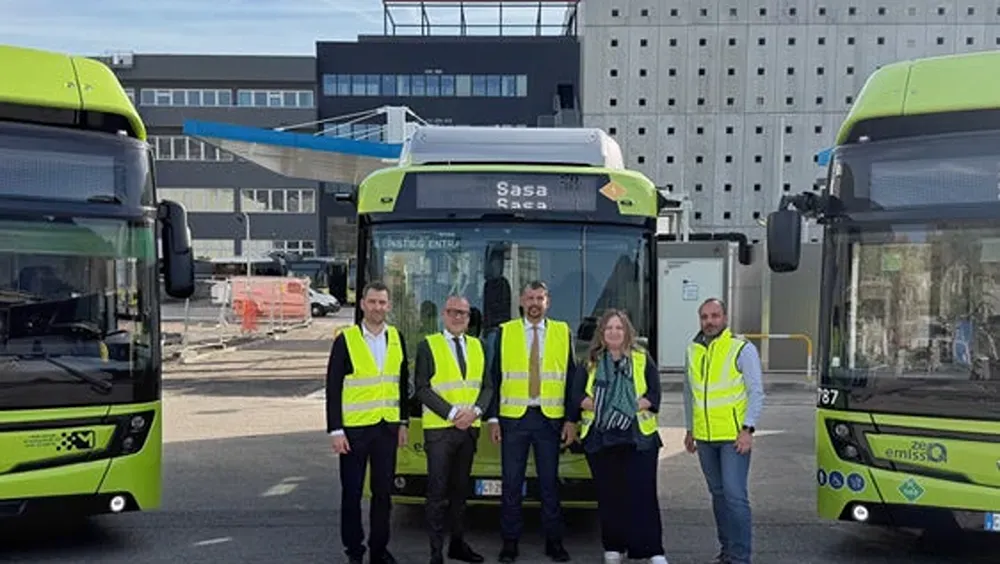
However, few hydrogen-powered vehicles have been purchased over the years; the last five were delivered in April 2026 and funded by the Pnrr. The latest tender reaffirms the preference for battery-powered buses. The mobility agency Sasa has launched a substantial bidding process: 42 electric buses to be delivered in four lots, with vehicles measuring 10.5, 12, and 18 meters in length. The total value of the contract is 36.98 million euros, a figure that clearly indicates the shift toward electric vehicles.
In Turin, tender for 50 electric buses worth 30 million
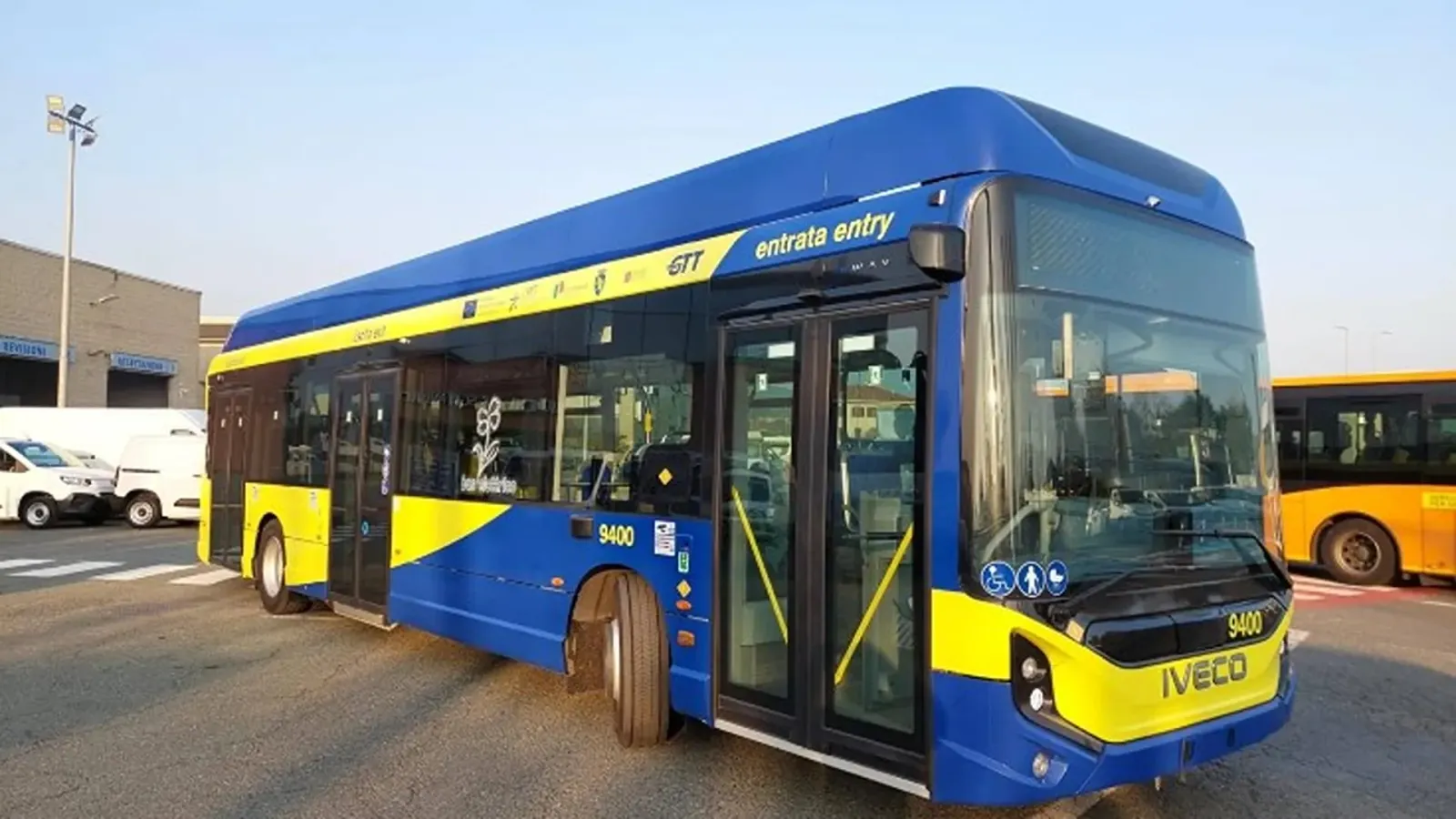
A significant investment has also been made in Turin, where a major framework agreement was signed: 50 electric buses along with corresponding charging stations and a decade-long full service package. The total investment amounts to 30 million euros. In July, GTT – the city’s transportation company – released a summary of the Pnrr initiatives: “The total investment totals 199,607,356 euros and has enabled the acquisition of 318 zero-emission buses, as well as the construction of the necessary infrastructure for charging these vehicles. Thanks to this investment program, 65% of GTT’s bus fleet now consists of zero-emission electric vehicles.”
Investments in recent years:
29,763,026 euros for the purchase of 70 electric buses, funded by ministerial resources under Decree No. 234/2020 and put into service in 2023;
169,844,330 euros for the purchase of 248 electric buses and the construction of related charging infrastructure, funded under PNRR – Mission 2 “Green Revolution and Ecological Transition”, Component 2, Investment 4.4.1 “Renewal of the regional bus fleet for local public transportation”, promoted by the Ministry of Infrastructure and Transport.
E-buses account for over 40%, with hybrids and hydrogen buses surpassing diesel ones
The fleet funded by PNRR (all buses are in service)
136 12-meter buses;
90 articulated 18-meter buses;
22 short buses designated for Star line services.
Consip: 1,300 electric buses ordered, tenders also for cars
The majority of the vehicles are IVECO BUS E-WAY buses. The 22 shorter buses were manufactured by INDCAR, a company specialized in producing minibuses. These will now be supplemented by 50 buses from the latest tender. Interestingly, the charging infrastructure includes 180 kW charging stations in depots and 270 kW fast-charging systems with pantographs at the seven strategic termini of the urban network:
Tenders are also available in Pescara, Varese, and Mola di Bari
In Pescara, Società Unica Abruzzese di Trasporto TUA S.p.A. is opting for two 18.75-meter electric articulated buses, at a cost of 1.6 million euros. Here too, the choice is clear: large vehicles designed for high-demand urban routes, and preferably electric ones.
In the province of Varese, the tender calls for three 9-meter electric buses with a low floor, intended for urban services in Bardello con Malgesso and Bregano. In other words, for certain areas of the city. The planned investment is 1.29 million.
750 million for buses: only electric, hydrogen, and methane ones
In Mola di Bari, the contract covers both vehicles and infrastructure: an electric bus between 7 and 8.80 meters in length and a slow-charging station to be installed at the local operator’s depot. The value is 542,504 euros. It’s a good sign that even small towns (with 24,095 inhabitants) are adopting the approach of integrated electric transition.
Together, these tenders show that in just the past few weeks alone, over 98 electric buses have been put up for bidding, with a total value exceeding 70 million. These figures confirm a trend that has now become established: even without the support of Pnrr.
READ ALSO: 2,100 meters above sea level in the Dolomites with Man’s electric bus — watch the VIDEO
Previous Article
Ford Puma Gen-E Premium 2025, with 2,300 km of range
Next Article
Chargecloud and Hubject bring Plug&Charge to AC charging stations as well