
Economists warn against excessive protection for Europe’s auto industry
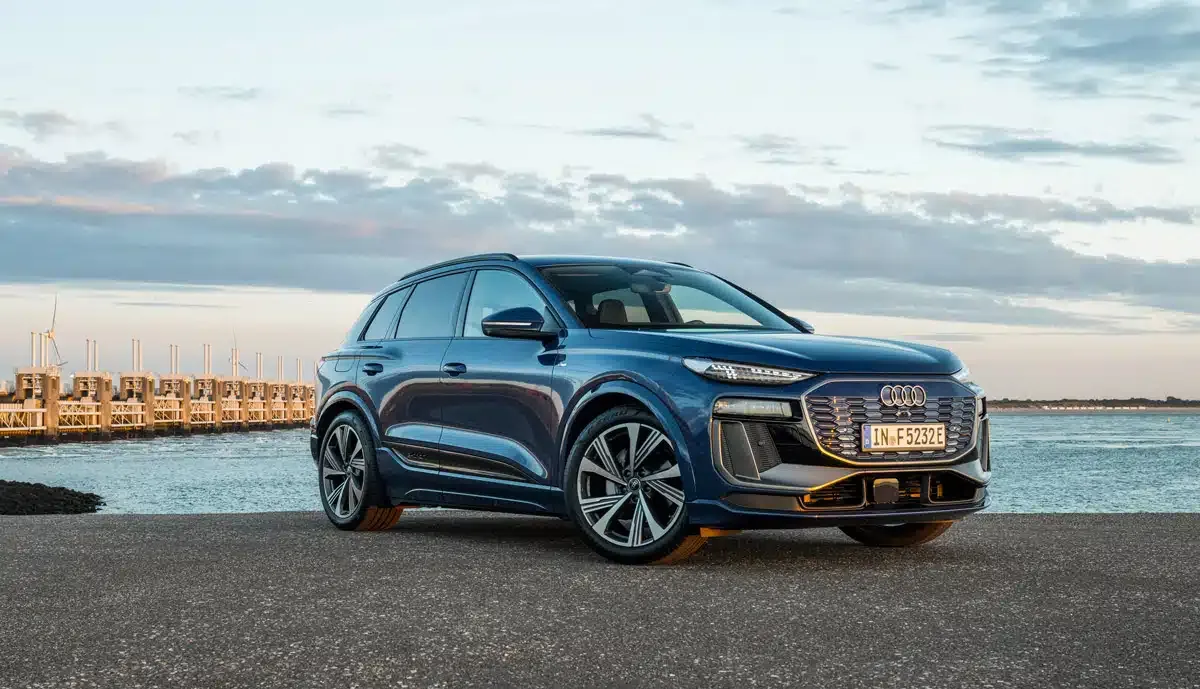
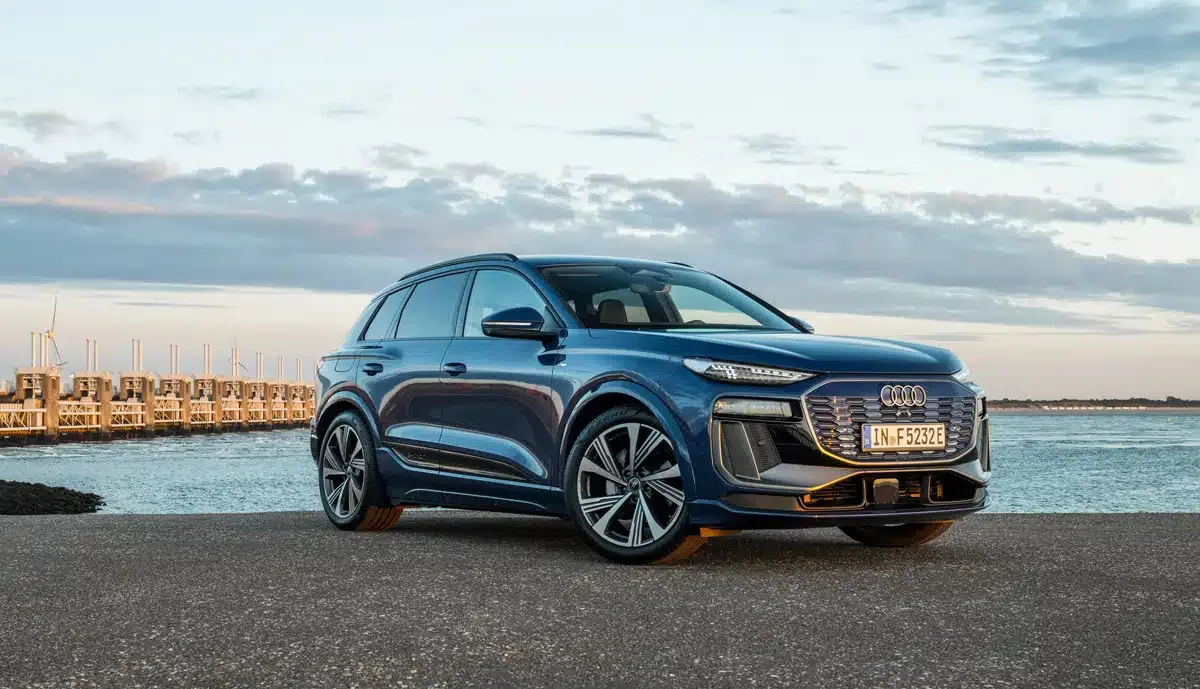
Image: Audi (illustrative)
Economists at the Brussels think tank Bruegel warn in a report about the consequences of stricter protective measures for Europe’s automotive industry. Tariffs, rules on origin, and requirements for components produced in Europe could increase the cost of electric vehicles and slow down the growth of electric mobility. The authors also criticize any relaxation of CO₂ limits, according to Spiegel.
The EU Commission has proposed relaxing the planned phase-out of internal combustion engines in new cars by 2035, a matter still under negotiation between the European Parliament and member states. Meanwhile, some in industry and politics are calling for existing EU tariffs on Chinese electric vehicles to be extended to plug-in hybrids as well. Bruegel views excessive protectionism as problematic, as tariffs and rules of origin intended to protect manufacturers raise consumer prices.
The study’s authors argue that the costs imposed on consumers and taxpayers should be proportional to preserving automobile factories and jobs. “Any support should be time-limited,” they write, linking financial assistance to the requirement of becoming more competitive in producing affordable electric vehicles. The goal should not be to prevent competition with China, but rather to give European manufacturers time to catch up.
The experts also criticize plans to delay the transition to electric mobility. Relaxing CO₂ limits might reduce costs in the short term, but it could also slow down the development of charging infrastructure and undermine cost advantages in battery production. Global sales of electric vehicles are currently growing rapidly.
Economists also criticize requirements that mandate a minimum proportion of certain components in government-subsidized cars produced in Europe. Such “Made in Europe” rules could slow down the development of electric mobility and result in higher costs per vehicle, disproportionately affecting affordable cars and lower-income consumers. A typical battery manufactured in the EU would therefore increase the cost of an electric car by around 2100 euros.
The more the EU protects the industry from competition and relaxes CO₂ limits, the less pressure there will be, according to economists, on manufacturers to accelerate electrification, invest in software for autonomous driving, and close the cost gap with Chinese competitors. Analysts consider fair access for European manufacturers to global markets and free trade agreements with countries where Chinese competition is strong to be important. As an alternative to additional protective measures, they propose temporary export quotas in an agreement with Beijing. They recommend additional tariffs on hybrid vehicles only if negotiations with China fail.
Also interesting
About the author
Thomas Langenbucher is an expert in electromobility with professional experience in the automotive industry and finance sector. Since 2011, he has been covering electric vehicles, sustainable technologies, and mobility solutions for ecomento.de. Learn more.
Reader interactions