
OEMs may need to recall electric vehicles with defective batteries
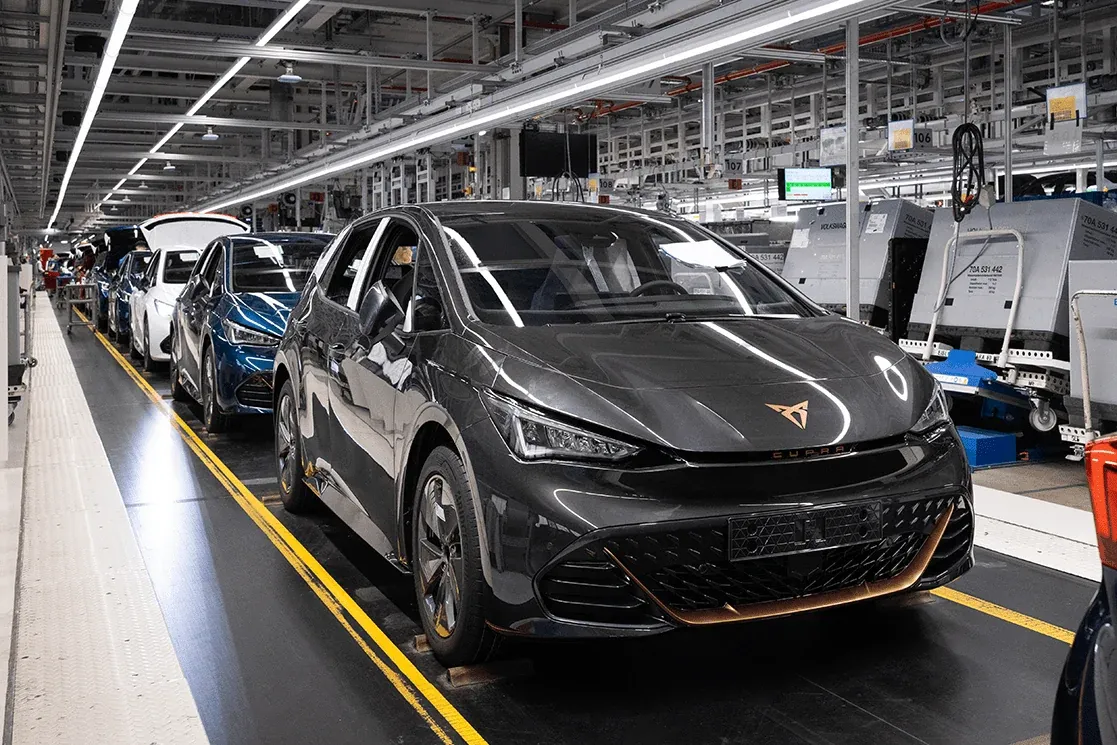
EU product safety law could provide buyers of electric vehicles with potentially faulty high-voltage batteries with a way to return their vehicles to the manufacturer. The Landgericht Offenburg believes that in a case involving a Cupra Born, it is possible to cancel the purchase based on the EU Product Safety Regulation.
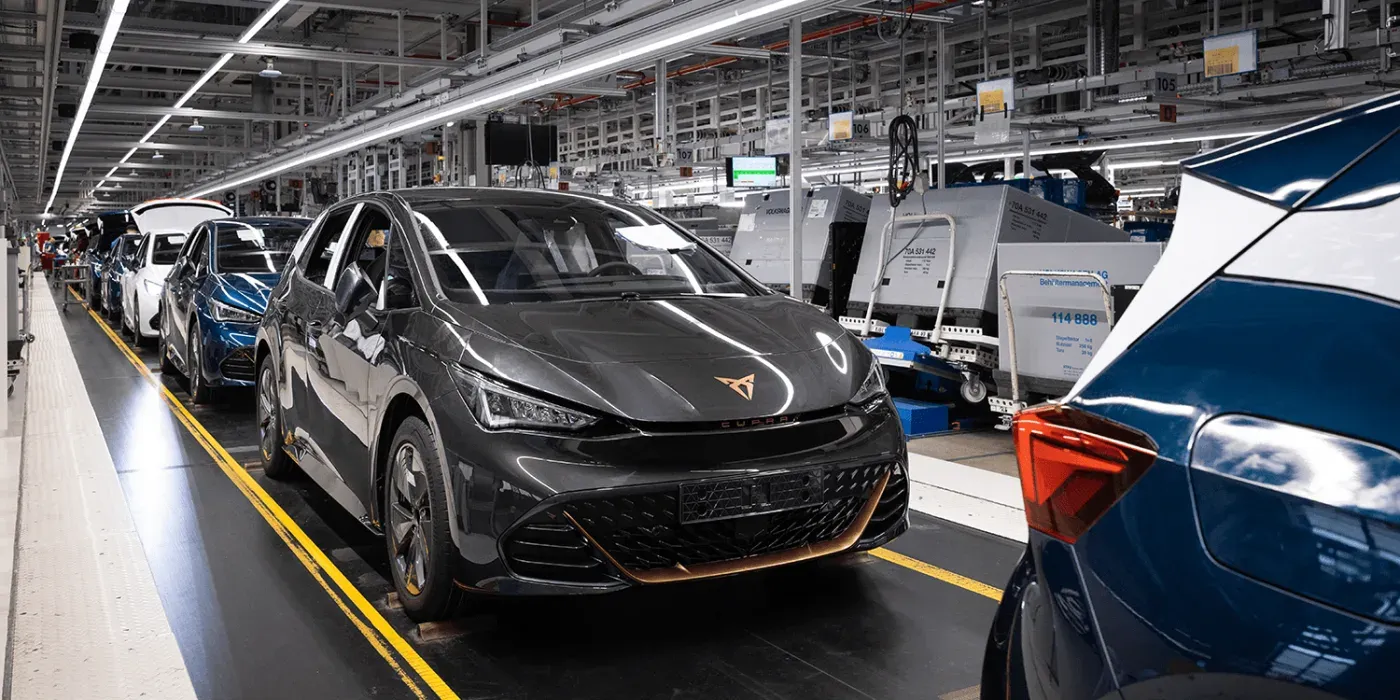
Cupra Born production at VW in Zwickau
Image: Volkswagen
The focus of the case (Case No. 2 O 356/25) is a Cupra Born whose high-voltage battery is affected by the 93S4 recall. According to the recall information, certain battery modules may result in reduced range and the activation of a warning light. There is also a risk of fire. In total, the recall issued in March 2026 affects nearly 100,000 electric vehicles from the VW Group worldwide, including 74,579 units of the ID.3, ID.4, ID.5, ID.Buzz, and ID.Buzz Cargo models, as well as 19,452 Cupra Born vehicles.
The plaintiff therefore demands the cancellation of her purchase of the Cupra Born and is filing claims in the Landgericht Offenburg against both the seller and Seat, Cupra’s parent company, as the manufacturer.
Notably, the regional court explicitly cited Article 37 of EU Regulation 2023/988 (EU Product Safety Regulation) regarding possible claims against Seat. This provision governs remedial actions in the event of product recalls. Responsible companies must generally offer affected consumers an effective, free, and timely solution. Typically, at least two options must be available: repair, replacement with an equivalent safe product, or refund of the purchase price.
If repairs or replacements cannot be carried out within a reasonable time without causing significant inconvenience to consumers, Article 37 provides for a right to compensation under certain conditions. This provision could also apply to owners of electric vehicles whose battery problems cannot be resolved promptly and permanently despite a recall.
However, how the regulation will be applied in specific cases remains to be clarified. It has only been in effect since December 13, 2024. Whether and to what extent Article 37 applies to older vehicles and recall situations is therefore an important legal question.
No decision yet on recall
The decision by the Landgericht Offenburg does not constitute a final judgment. The court has merely provided a preliminary legal assessment. The defendants may submit their responses by November 6, 2026. In addition to possible claims under EU law, the court also considers sales law claims against the seller as well as claims under German product safety law to be plausible.
For the consumer law firm Dr. Stoll & Sauer, which is handling the case, this could create a basis for claims by affected electric vehicle buyers — assuming a corresponding ruling from the Landgericht Offenburg. The firm cites two lower court decisions in favor of car buyers due to battery problems with Mercedes-Benz. These cases involve recalls related to battery issues with the EQA and EQB models. A Mercedes EQB caught fire today while being charged in Hamburg. According to NDR, the fire department used a special fire hose, allowing them to pierce the burning battery from the outside and then extinguish it from the inside.
This does not, however, imply an automatic right to a refund for every electric vehicle affected by a battery recall. What remains crucial are the specific risk involved, the applicability of EU regulations, and the remedial measures offered by the manufacturer. A cancellation of the vehicle purchase is likely only feasible in cases where the manufacturer fails to address the defect within a reasonable time frame.