
What happens if you park a gasoline car in a spot for electric cars?
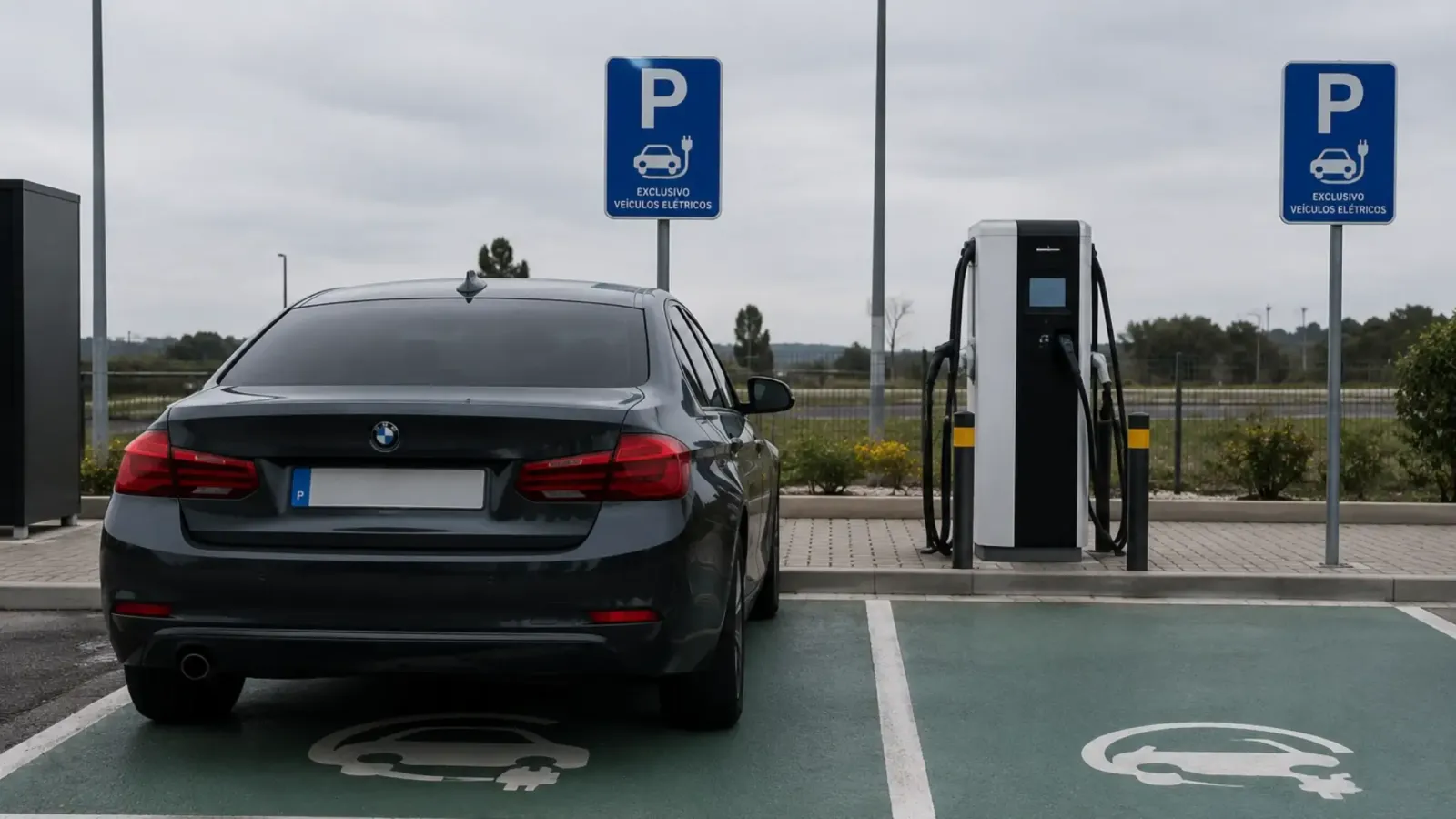
The blocking of charging stations by gasoline cars is a recurring problem. What does the law say, and what happens to those who do it?
Reaching a charging station only to find a gasoline car parked there is an increasingly common situation that can cost the driver of the gasoline car dearly.
On this topic, it’s hard to imagine the Road Code being any clearer: Article 50, paragraph 1, item f, states that parking is prohibited “in areas designated, through signage, for the parking of certain vehicles.”
Regarding spaces intended for charging electric vehicles, the current regulations on electric mobility are even more explicit: parking a non-electric vehicle in such spaces is punishable under the Road Code.
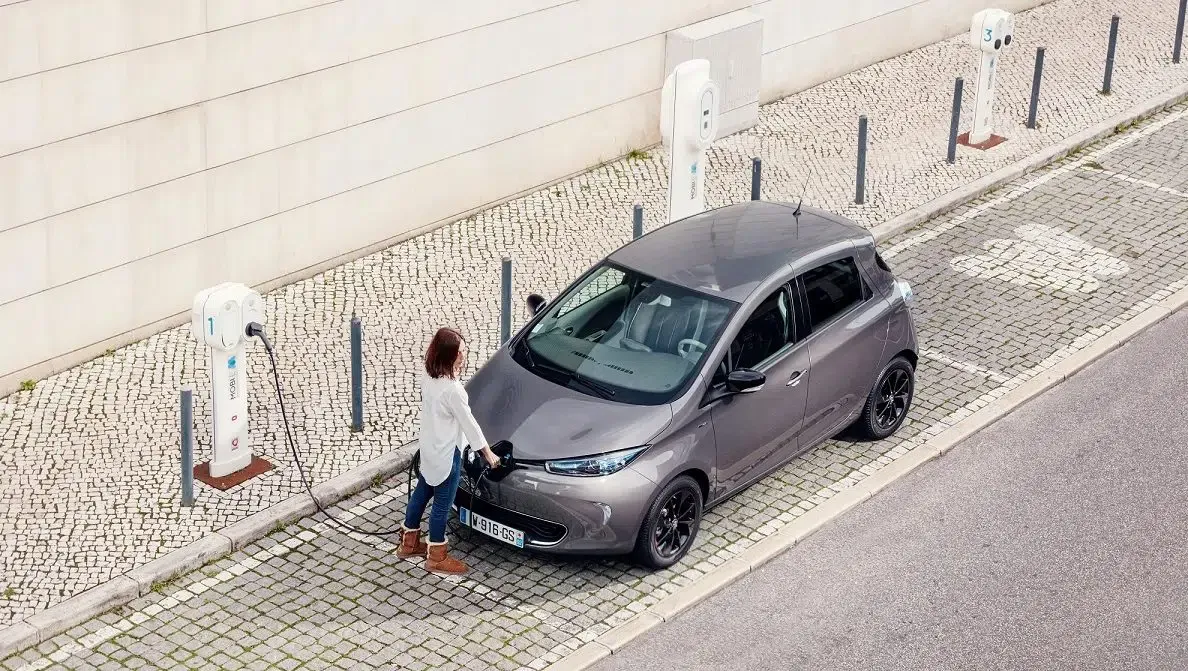
How much is the fine?
The answer can also be found in Article 50 of the Road Code, specifically point 2: this offense is punishable by a fine ranging from 60 to 300 euros.
The same regulations also provide for the possibility of blocking and removing the vehicle in certain cases of improper parking. In such situations, in addition to the fine, there are also costs for blocking, towing, and storage at the parking lot.
However, for this to apply, the area must be properly marked, including with:
Vertical signage: a parking sign identified by code H1a, along with an additional panel showing the symbol of an electric vehicle charging;
Markings on the pavement: horizontal signage (painting on the ground) to designate the area, often accompanied by the same visual symbol.

What if it’s in a private parking lot?
The fact that the parking lot belongs to a supermarket, shopping mall, or another private entity does not mean that traffic rules no longer apply.
Portuguese law stipulates that covered or uncovered parking lots open to the public—even if privately owned, such as those at supermarkets or shopping malls—are subject to the rules of the Road Code and oversight by law enforcement agencies.
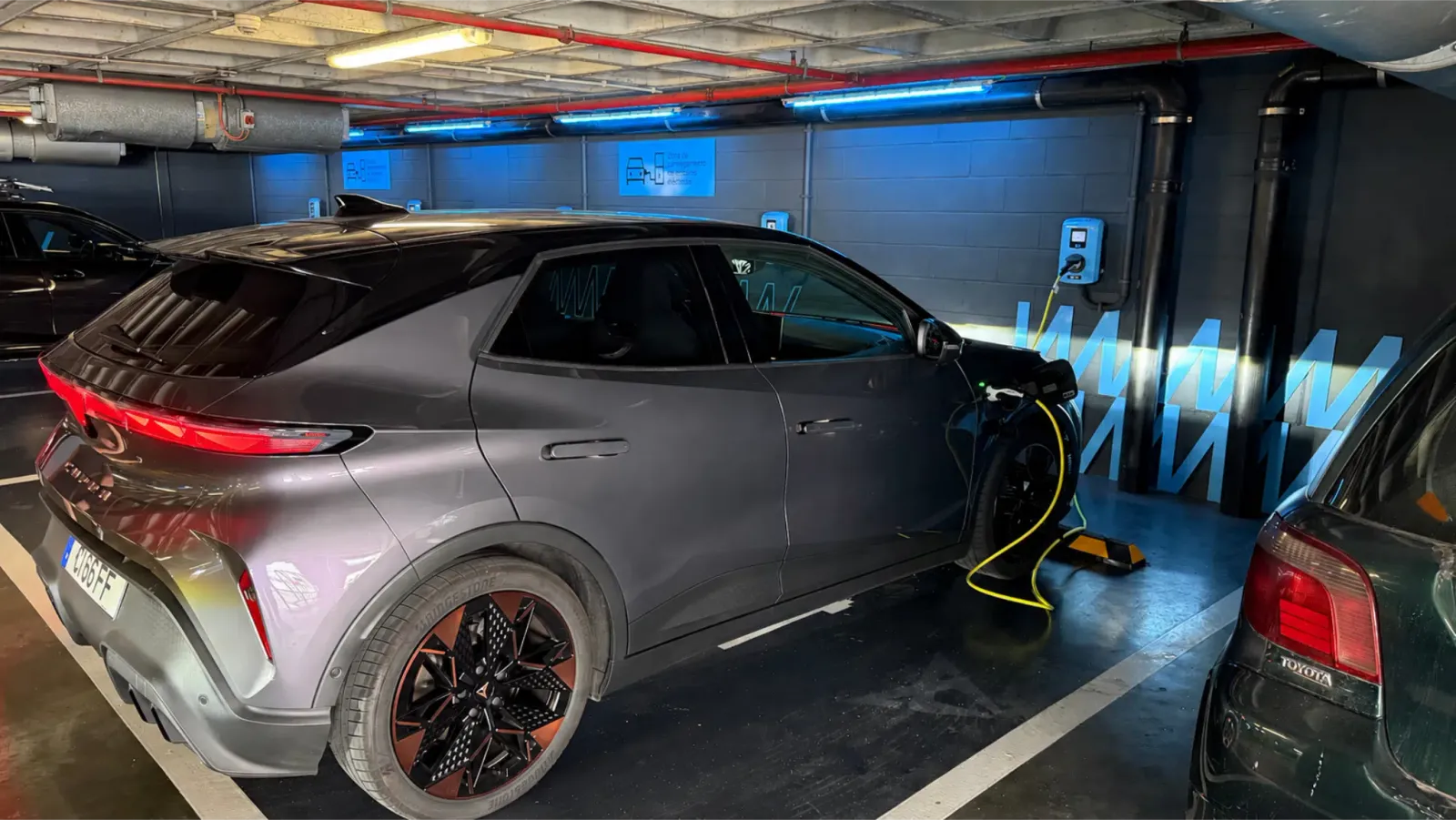
There is also a simple rule for those driving electric or plug-in hybrid vehicles: the spot is intended for charging, not as parking space once the battery is fully charged. Removing the car as soon as charging is complete allows another user to use the station.
Any plug-in hybrid or fully electric vehicle parked in such a spot without the cable connected to the charger is committing the same offense. The purpose of these spaces is energy supply, not just parking.
What should you do?
If you arrive at a charging station and find a non-electric vehicle occupying a spot reserved for charging, you can contact the local authorities responsible for enforcement.
Before doing so, it is advisable to check the existing signage. It is what determines whether that space is indeed reserved and what parking rules apply.
There is also a rule that applies to both situations: those driving a gasoline car must respect the spaces reserved for charging; those driving an electric car must free them up once they are no longer charging.