
New dragon, old name
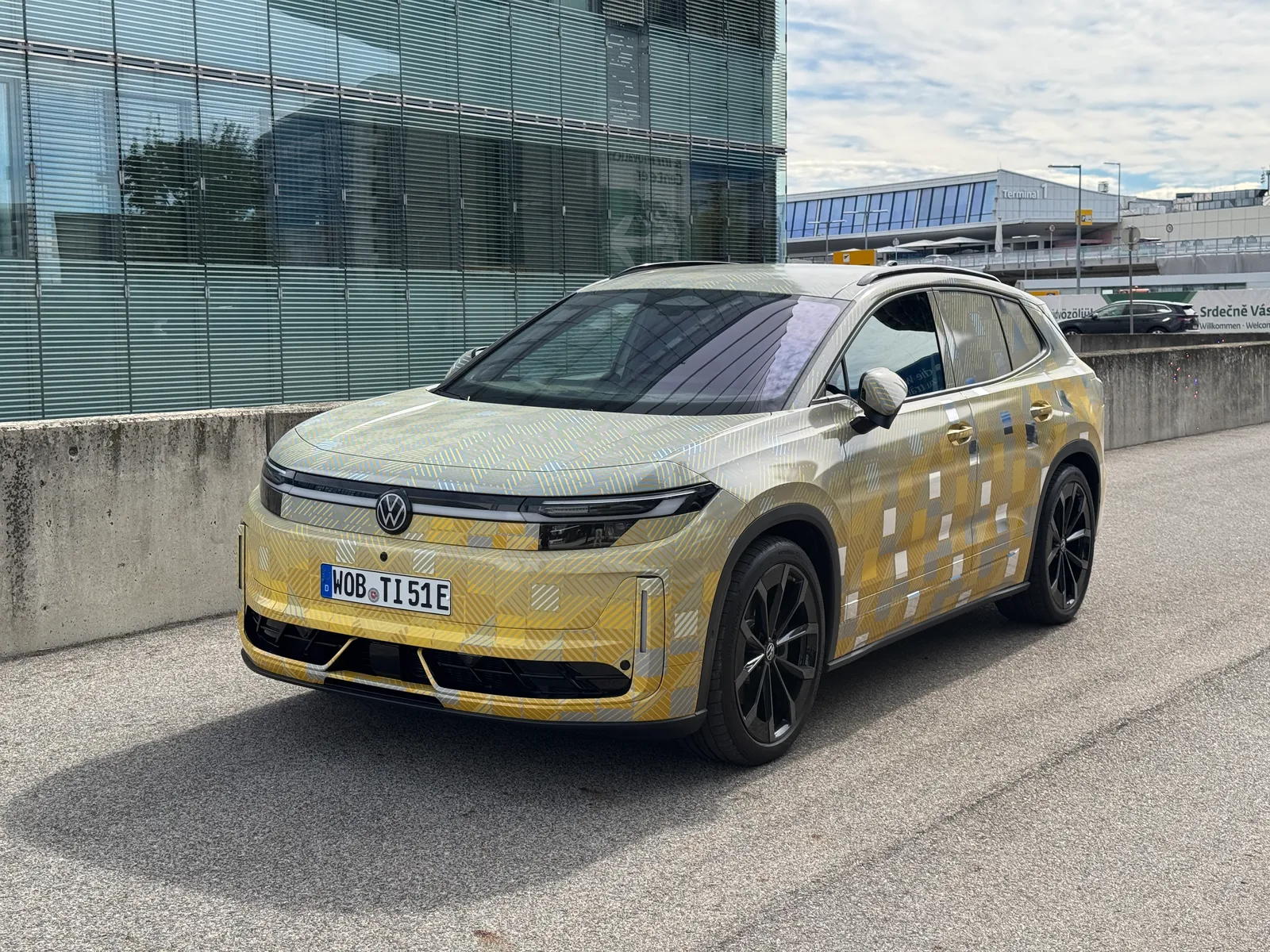
The Volkswagen ID.4 will soon get a door handle. This year we’ll see a completely new ID. Tiguan. We’ve driven the newcomer.
29.09.2026 09:54 | Updated 09:54
It’s been six years since VW launched its most important car in Norway. The ID.4 replaced the previously popular Tiguan, which didn’t sell as well in later generations due to its price.
Nevertheless, the ID.4 was a success in Norway. After six years, over 47,000 units have been registered, making it the second-best-selling car in recent years. Only the Tesla Model Y has sold better.
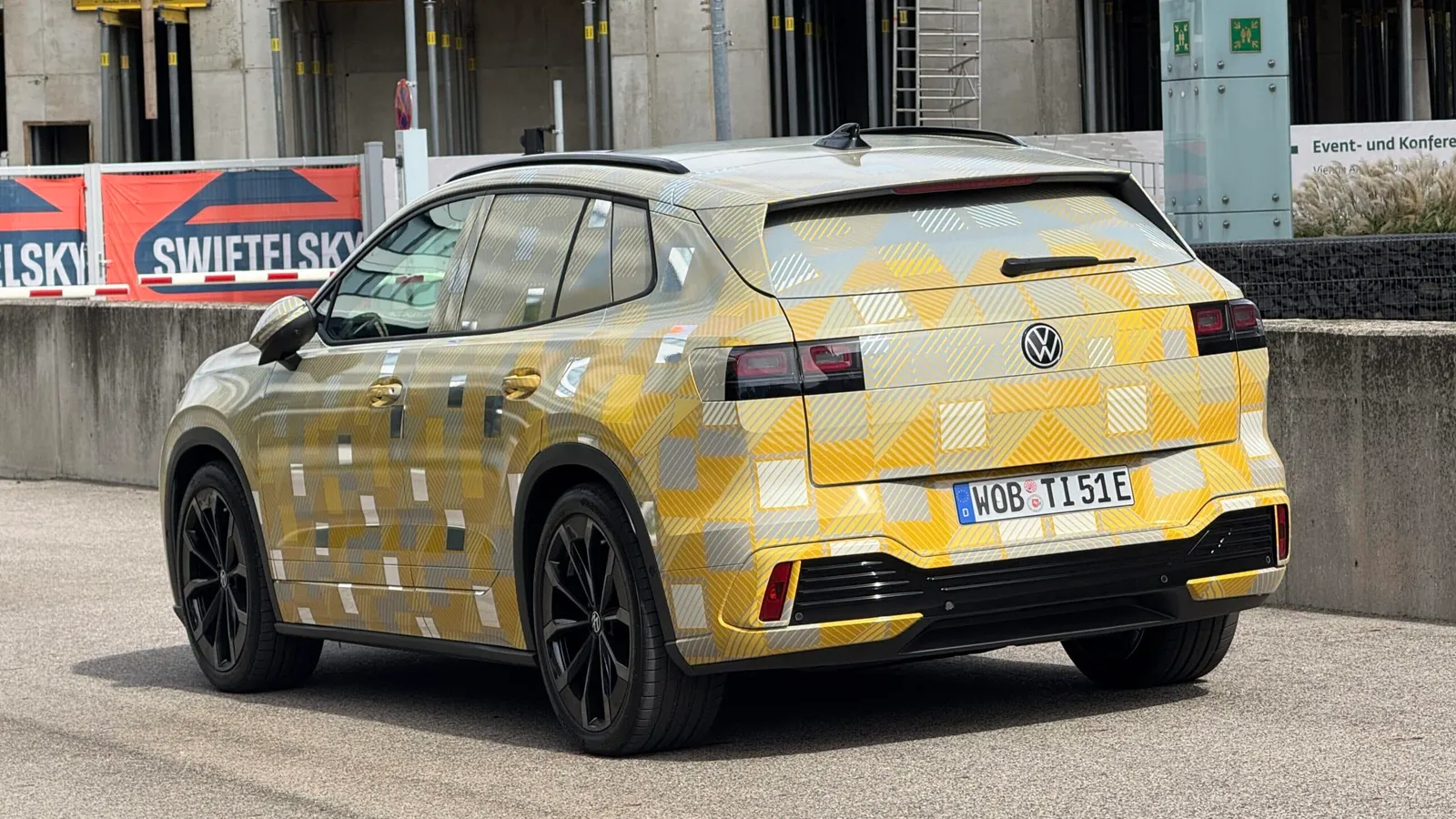
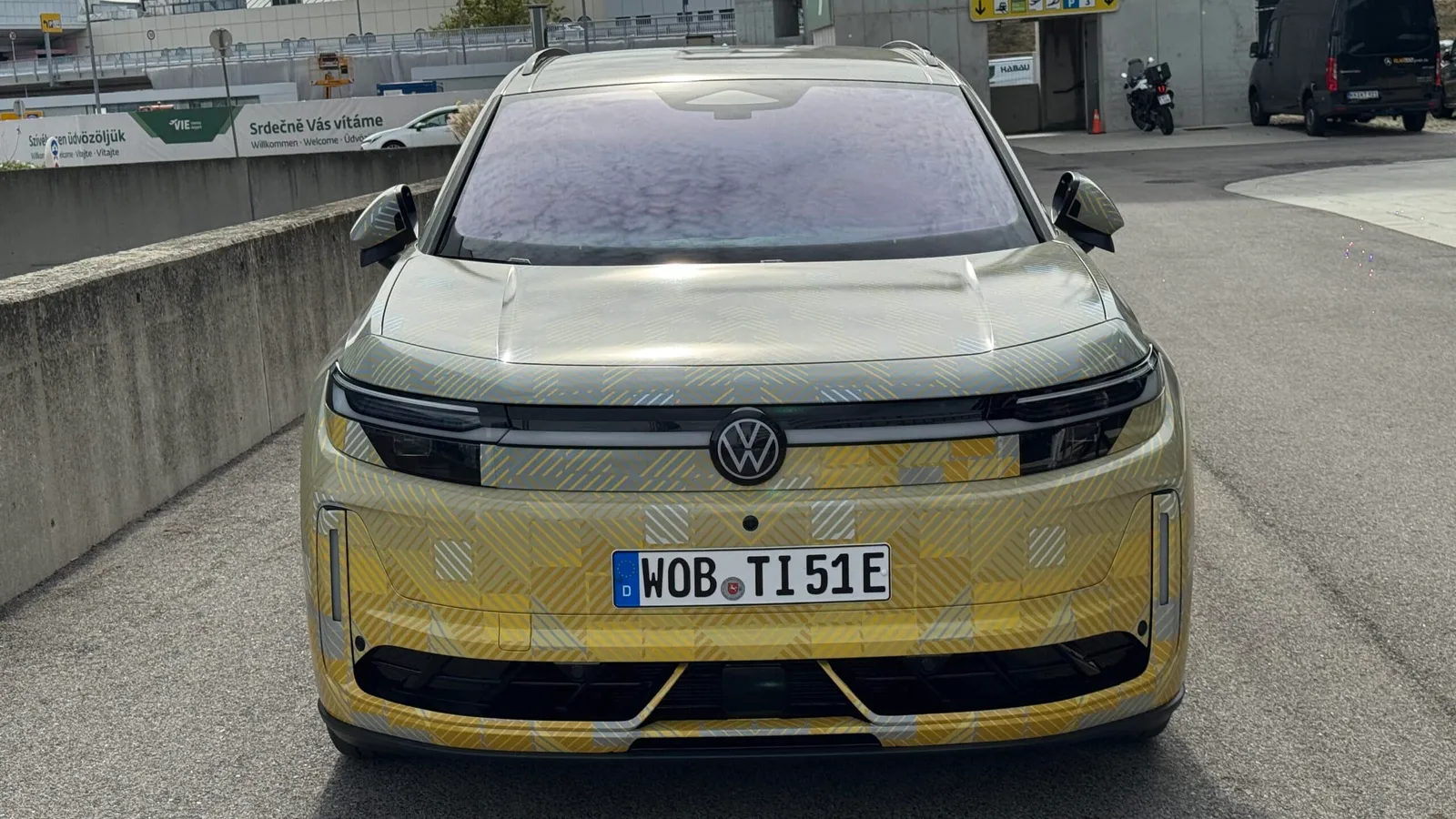
But now that’s coming to an end. Yesterday, VW confirmed that the model will be replaced by the car we can partially see in the images.
A bit of secrecy is needed to maintain interest before the launch.
Some have already seen the images, but haven’t been allowed to say what it’s called. We’ve driven it and can say clearly that it’s called the ID. Tiguan, but we’re still not allowed to show what the car looks like. We won’t be permitted to do that until October 9th. It’s almost like a circus.
All new, yet still old
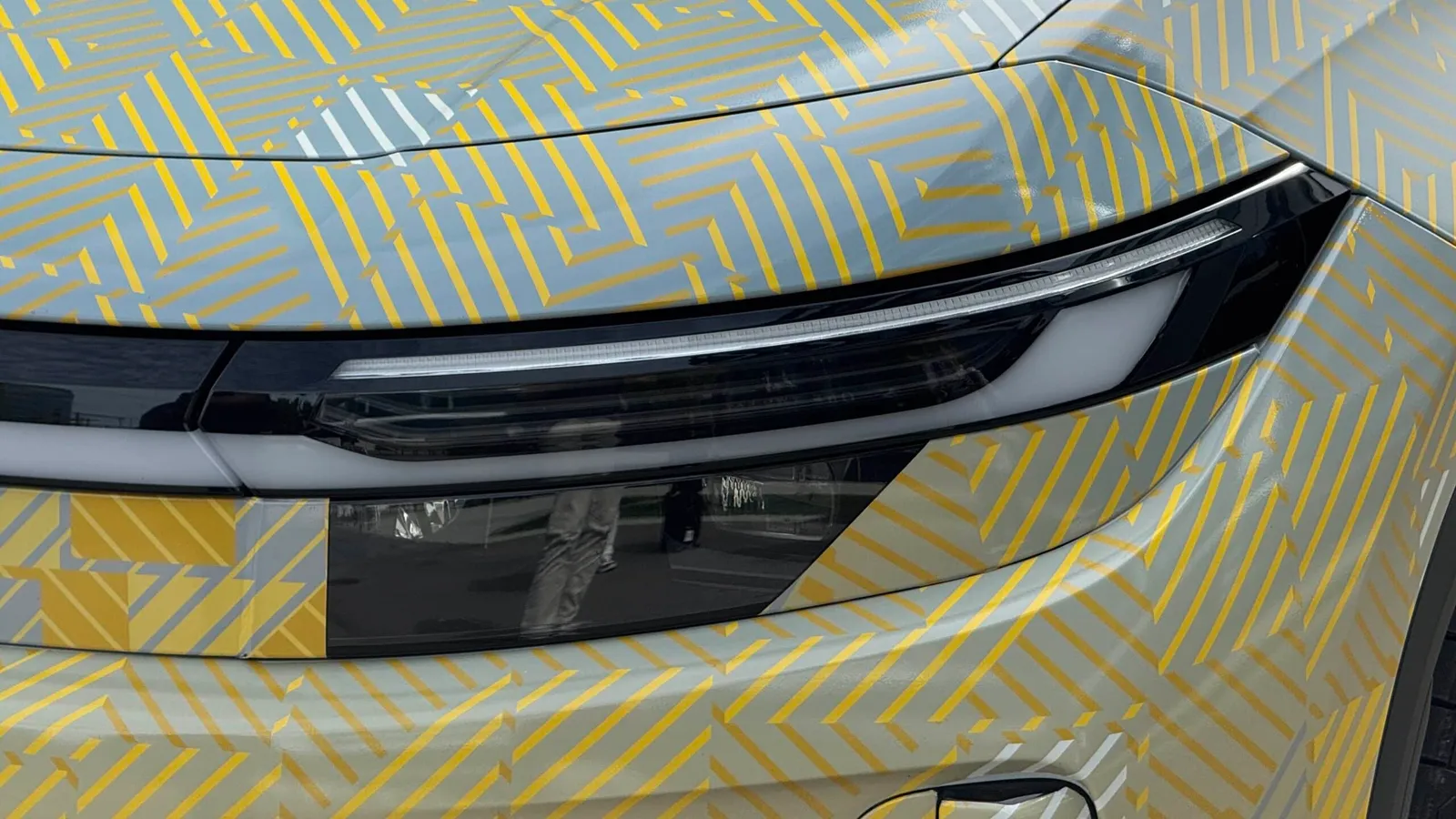
Externally, there are few traces left of the old ID.4. You can still recognize the triangle right at the front of the doors, in front of the windows. It reveals that the basic structure, door openings, and roof line are the same as before.
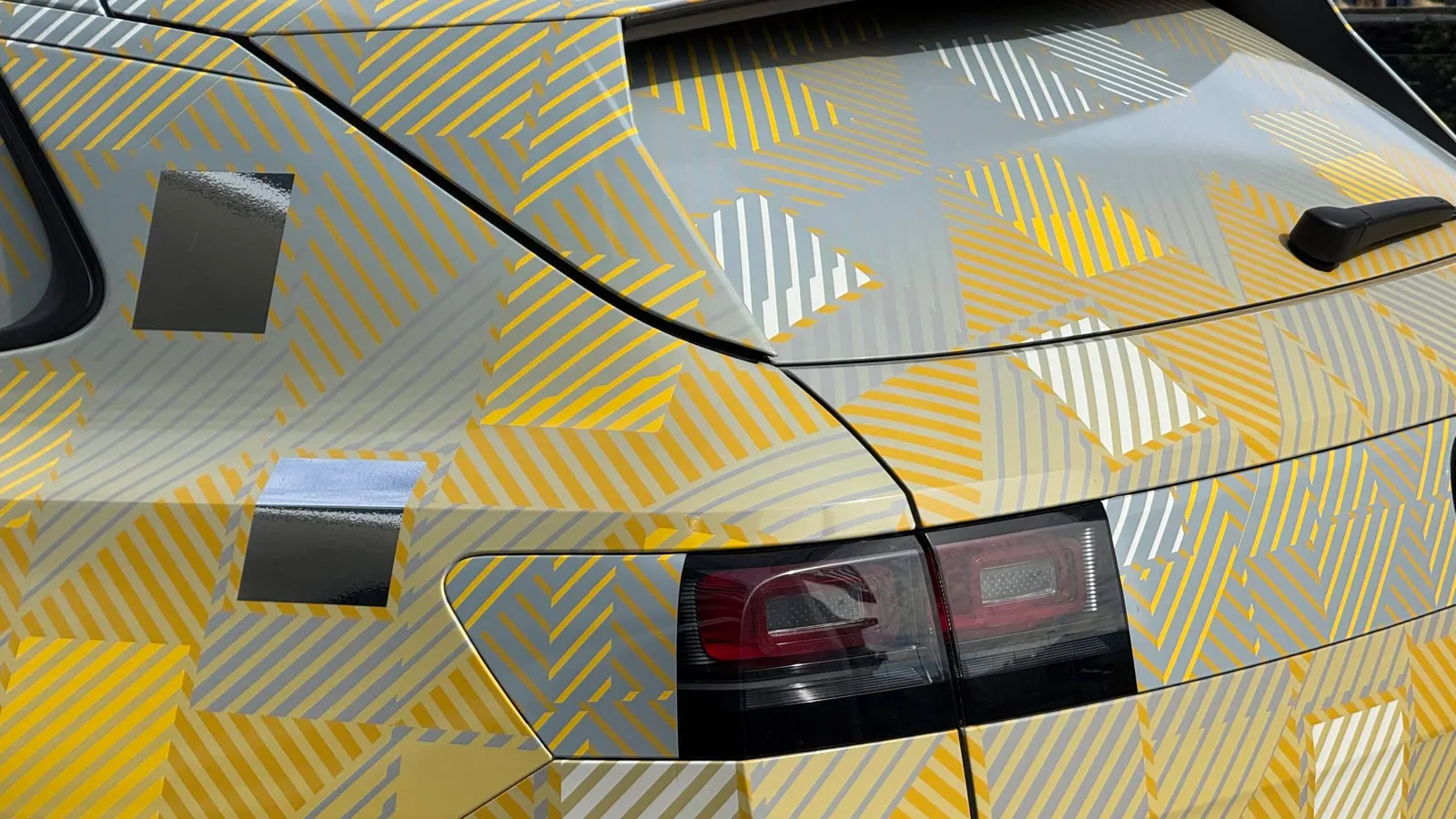
So yes, it’s built on the old MEB platform, although they incorrectly call it MEB+ when the car is unveiled.
MEB+ is a front-wheel-drive platform. This one has rear-wheel drive or all-wheel drive.
Three powertrains
You have three options that determine range and driving performance.
Pure: it is the cheapest variant. It comes with a 58 kWt battery (net), rear-wheel drive with 190 hp and 350 Nm of torque, and a range of up to 450 kilometers.
It accelerates from 0-100 in 8.5 seconds and has a top speed of 160 km/h.
The charging speed is 105 kW, and it takes 26 minutes to charge from 10% to 80%. Now everyone can charge at 11 kW at home and it offers V2L functionality.

More like this?
Sign up for our newsletter
– get electric vehicle updates straight to your inbox!
The towing capacity has increased from 1 tonne to 1.8 tonnes.
You can choose between the Trend, Life, and Style equipment variants in the Pure version, so you can get all the equipment if desired.
Pros: continued all-wheel drive, but now with the large 77 kWt battery, the same as today. Power increases to 286 hp and 545 Nm, with a range of around 600 kilometers.
0-100 acceleration takes 6.6 seconds, and top speed rises to 180 km/h.
The charging speed is disappointingly low at only 165 kW, with a full charge from 10% to 80% taking 29 minutes.
Towing capacity with the large battery increases to a solid two tons. This is more than enough for most people.
The Pro is available in the Life, Style, and R-Line trims. It’s nice to see them bringing back the old trim options. Is it possible to hope for a pure R model as well?
Pro 4Motion: this is likely the model that will mainly be sold in Norway due to its all-wheel drive. It surprisingly only has 299 hp, even though the ID.4 was available with 340 hp.
The torque is also slightly lower than that of the rear-wheel drive version, at 484 Nm. The all-wheel drive version’s range reaches up to 560 kilometers, marginally better than the original ID.4.
It accelerates from 0-100 km/h in 6.3 seconds and has a top speed of 180 km/h. Otherwise, everything remains the same as on the Pro model.
How it drives
The short answer: like an ID.4. No major changes have been made to the chassis. VW is satisfied with how the car drives.
But they have made some optimizations to the suspension, mainly for acoustic comfort—small changes to the dampers’ valves, improved progressive steering, and 15 levels of adaptive damping for those who choose it.
They have also increased regen capacity when it’s set to mode B, to provide a one-pedal driving experience.
I Drive still offers the intelligent solution of simply rolling forward until you take control again, reducing speed as needed for intersections or curves. Now it also stops at red lights.
You can also experience an interval of regeneration if you choose the Sport driving mode.
Although we can only observe it from the outside, we’re driving the R-Line version. It comes standard with 20-inch wheels but can be equipped with 21-inch wheels, the same size as those on our car, a dimension also available on the ID.4.
But the changes were impossible to tell apart during the very short drive we had in central Vienna.
Completely new interior
The ID. Tuguan looks entirely different on the outside, as you can see. It will be the same inside as well, but we can only discuss what we’ve seen of the proposed interior.
The most noticeable change is that the thin armrests located on the seat back are gone, replaced by regular armrests in the center console.
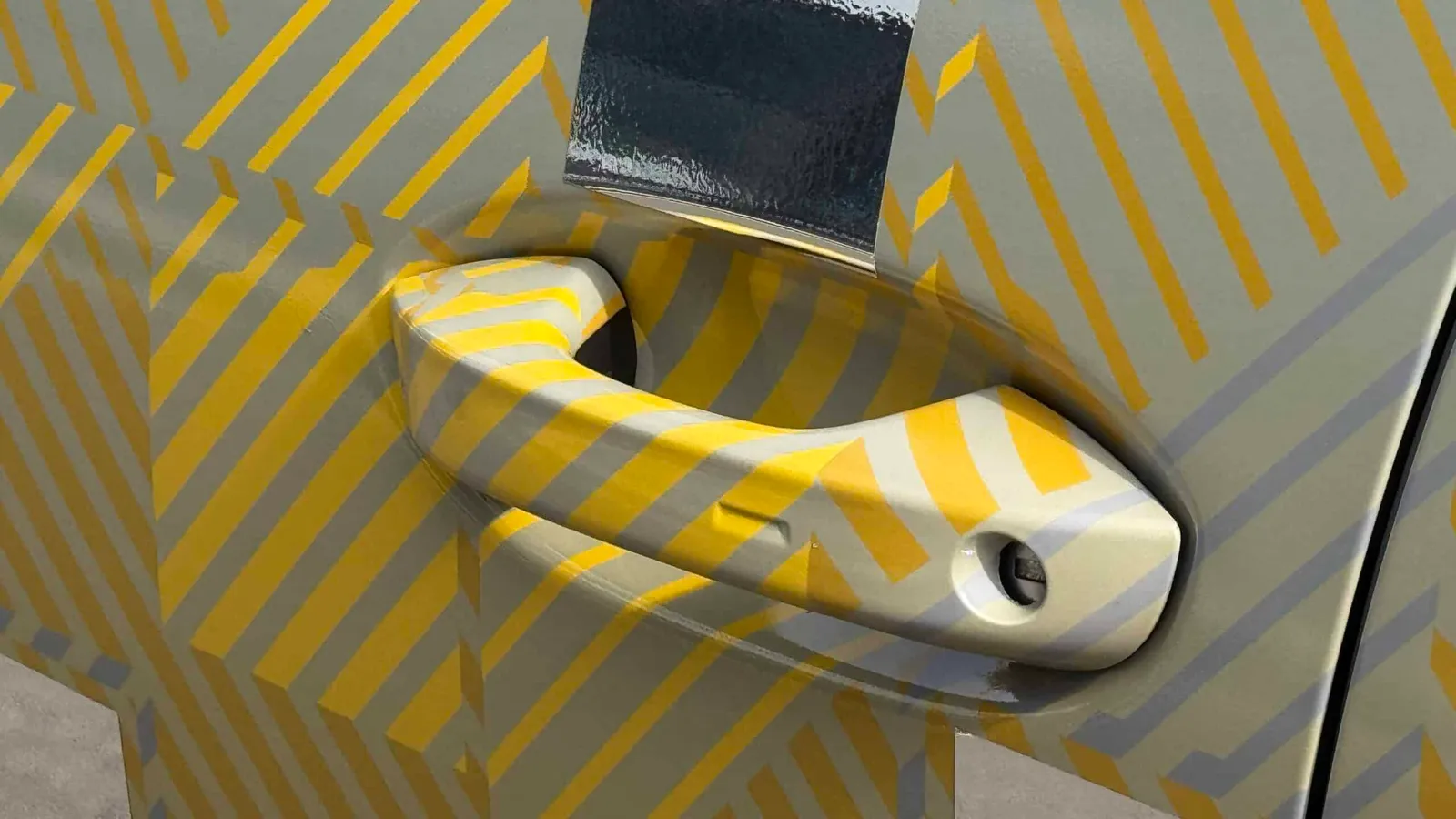
And now you finally get massage functions. It would have been nice to see something else as well, since the ID. Polo we tested a couple of weeks ago also has them.
The controls follow what we’ve already seen in the ID. Polo and ID.3 Neo: a row of physical buttons, a button for the climate control, and physical buttons for all door controls. The ID. Tiguan gets a large 15.4-inch center screen with the same layout as those two models.
First quarter of 2027
The official launch of the car is set for October 9th, and there is currently no possibility to order it yet. The first deliveries will take place at the end of the first quarter next year. Expect a moderate price increase compared to the current model due to additional features.
Read more
The post New design and old name appeared first on Norsk elbilforening.