
Nuno Coutinho (DS and Citroën) changes course, saying "DS won’t be all electric," and contrasts the two brands: "There’s not much to lose and plenty to gain.
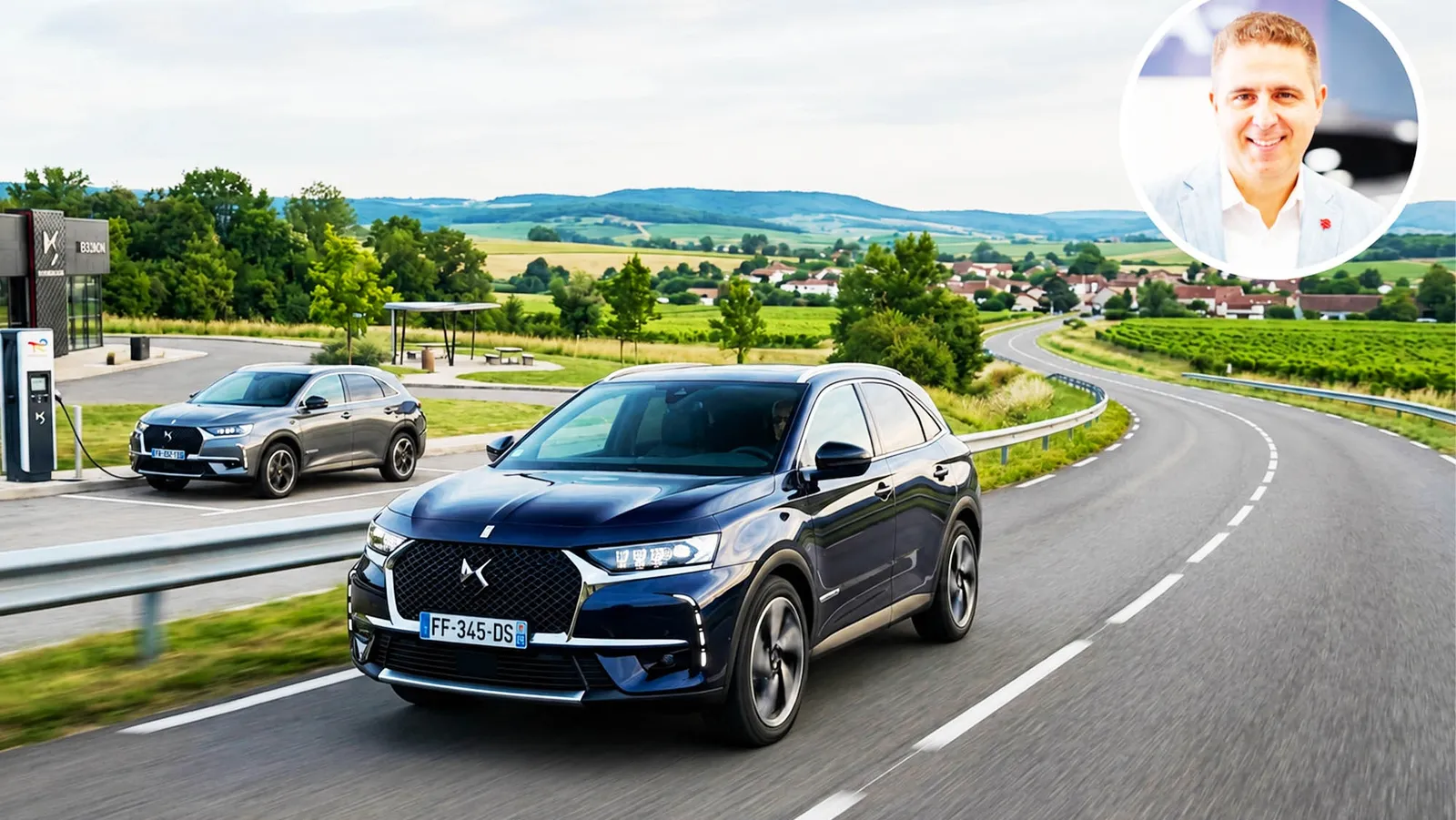
DS Automobiles will not be an exclusively electric brand. The Stellantis premium division will maintain a multi-energy strategy, offering various propulsion systems to meet the needs of its customers.
This is confirmed by Nuno Coutinho, head of Citroën and DS in Spain and Portugal, who believes that market development will depend both on demand and regulatory decisions.
DS will continue to sell hybrid and internal combustion vehicles
This decision represents a significant shift from the electrification strategy DS announced years ago. The company will continue to develop electric cars, but it won’t abandon other technologies as long as there is demand for them. Its goal is to reduce emissions without limiting its offerings to a single technical solution.
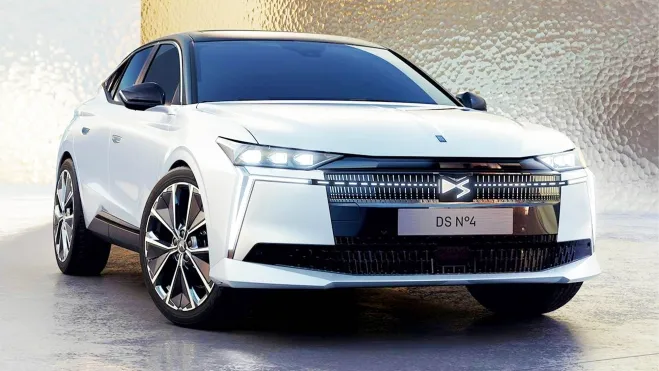
DS’s strategy includes various propulsion technologies. The DS No. 4 is an example of this diversity, offering diesel, hybrid, plug-in hybrid, and electric versions. This range allows the brand to cater to customers with different needs regarding range, fuel consumption, and access to charging stations.
Coutinho believes the future of automobiles will be largely determined by regulations. CO₂ emission limits and political decisions will have a direct impact on the pace of electrification in the industry.
The executive also notes significant growth in electric cars, driven by regulatory requirements and government subsidies in certain markets. If current conditions persist, he expects the market to continue moving toward fully electric vehicles or those with very low CO₂ emissions.
This does not mean, however, that DS will abandon internal combustion engines in the short term. Their strategy is to maintain a multi-energy portfolio and gradually adapt their range to market conditions.
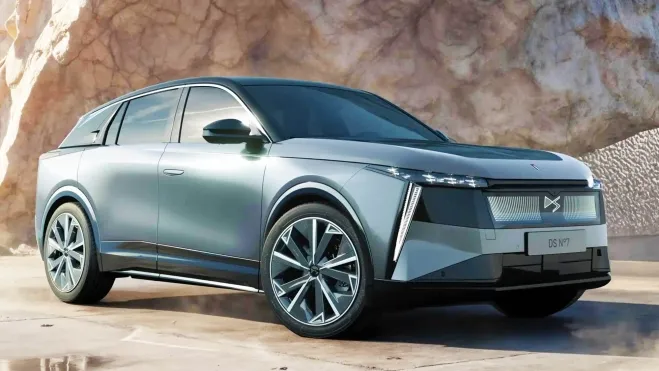
The new DS No. 7 will be crucial for the brand’s future
DS’s marketing strategy has a clear focus: the new DS No. 7. This SUV is designed to replace the DS 7, one of the most important models in the brand’s recent history, and it will bear the responsibility of maintaining its commercial significance.
Coutinho describes it as a “fantastic” product and highlights the positive response it has received during the pre-launch phase and as sales teams prepare for its release.
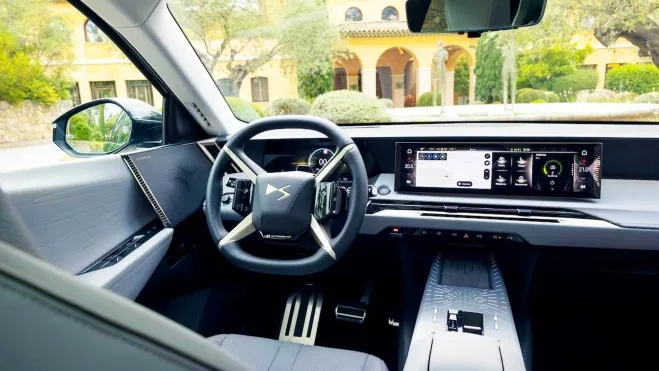
Comfort is one of its main selling points. The brand pays special attention to suspension, sound insulation, and ergonomics, in addition to offering a high level of technology and sophisticated interior design.
The range includes hybrid and electric versions. In the most efficient electric configuration, the manufacturer claims over 700 kilometers of certified range, a figure that enables the model to compete in a segment where driving range and comfort are key factors.
For DS, the N.º 7 represents much more than just a product refresh: it is an opportunity to increase its visibility and attract new customers. Coutinho acknowledges that a brand cannot grow solely through new launches, but having competitive vehicles is essential.
A premium brand with its own identity
As of September 1, Coutinho is in charge of both Citroën and DS in Spain and Portugal. Managing these two brands requires leveraging Stellantis’s internal synergies without confusing their respective market positions.
The goal is to share structures, platforms, teams, and certain commercial resources where it makes sense, while preserving the differences that consumers perceive between them.
Citroën focuses primarily on the mass market, whereas DS aims for a more premium position. Although their models may overlap in segments such as SUVs, the luxury brand seeks to differentiate itself through materials, equipment, comfort, and the shopping experience.
"There's not much to lose and a lot to gain," summarizes Coutinho when explaining the complementarity between the two brands. This differentiation also includes customer service and offerings such as the Only You program. For DS, competing in the premium segment means more than just providing better-equipped vehicles—it involves creating an experience that aligns with its brand positioning.
More competition from traditional and Chinese brands
DS faces a demanding market. In addition to traditional premium manufacturers like Audi, BMW, and Mercedes-Benz, there are also Chinese brands expanding their presence into higher-priced and more sophisticated segments.
In that context, increasing awareness of DS among buyers will be one of Coutinho’s main challenges. The brand needs more drivers to recognize its products and understand what sets its offerings apart from those of other manufacturers.
The new No. 7 will be a key element of that strategy, although the company will also need to strengthen its sales network, improve its visibility, and prove it can deliver a consistent premium experience.
The electric car market will grow, but it won’t be DS’s only option
DS’s stance reflects an ongoing issue in the industry: the advancement of electrification doesn’t necessarily mean all manufacturers can abandon other technologies at the same pace.
The brand remains committed to electric vehicles, but believes there is still room for different propulsion systems. Future development will depend on factors such as regulations, government subsidies, costs, charging infrastructure, and consumer preferences.