
New Ionity pricing effective July 1, 2026. Average increases of 4 percent due to “geopolitical events,” varying rates
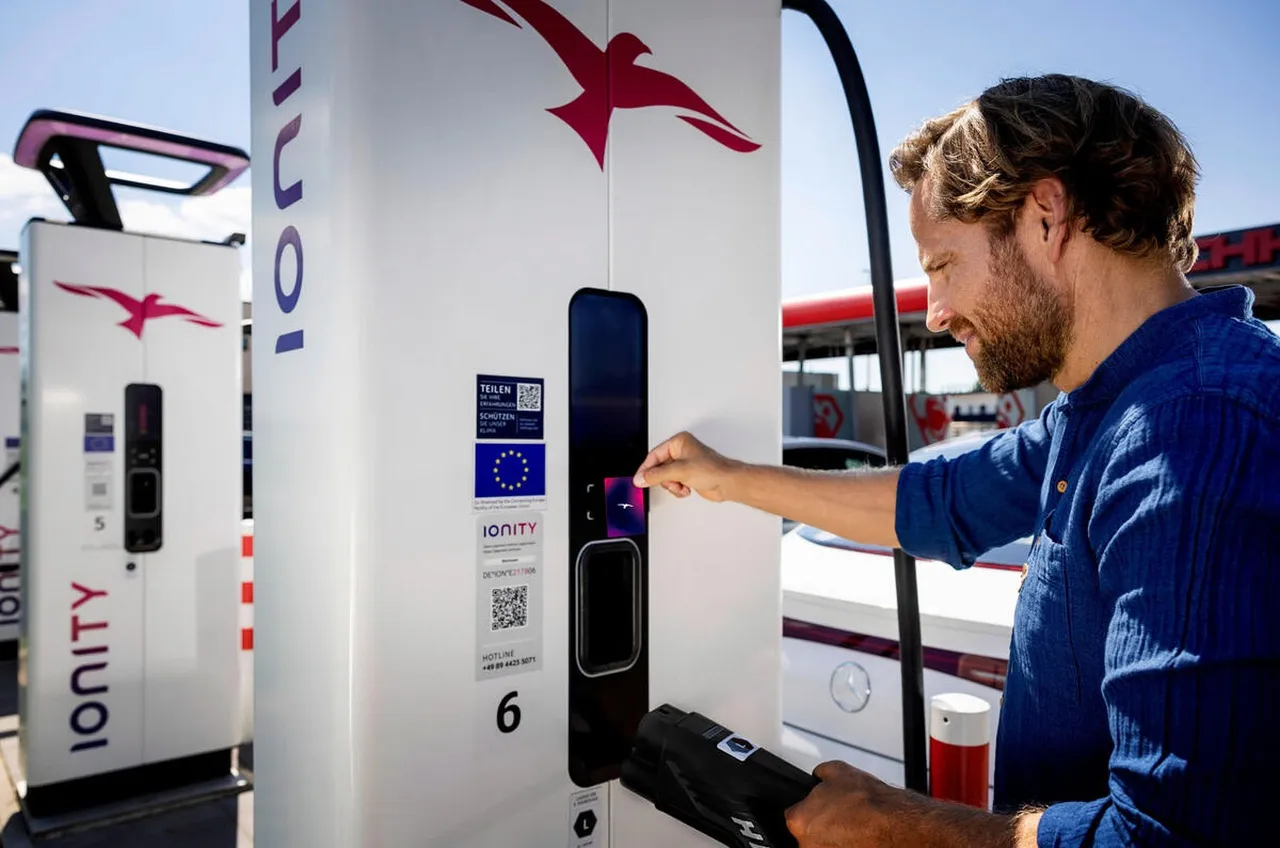
While energy providers are doing their best to encourage people to use electricity in the summer, especially on weekends, Ionity announced that it will raise charging prices starting July 1. The new rates apply to those who use the chargers directly or pay a monthly subscription starting February 13, 2026. The amounts vary depending on location. Customers with longer tenure and those holding annual subscriptions (Ionity 365) are protected from these price increases.
Ionity’s New Pricing Starting July 1, Rate Ranges
Ionity’s announcement about higher prices starting July 1 is somewhat ambiguous, but it’s understandable given the large number of countries where the service operates alongside numerous subscription options. That’s why we decided to ask the company for a detailed price list effective starting next Wednesday. We learned that the new rates have already been implemented in Germany, the United Kingdom, and France, and they will now be introduced in Poland as well.
The amounts will depend on location. Ionity’s new price list looks like this:
Ad-hoc charging, without a mobile app, with card payment at the terminal, Ionity Direct: 3.27–3.53 PLN/kWh (previously: 3.26 PLN/kWh),
Charging through the Ionity app, after registration, without a subscription, Ionity Go: 3.11–3.36 PLN/kWh (previously: 3.1 PLN/kWh).
Charging under the Ionity Motion subscription at 28.5 PLN/month: 2.33-2.52 PLN/kWh (previously: 2.33 PLN/kWh),
Charging under the Ionity Power subscription at 51.5 PLN/month: 1.86-2.01 PLN/kWh (previously: 1.86 PLN/kWh),
Charging under the Ionity Motion 365 subscription at 285 PLN/year: 2.42 PLN/kWh (previously: 2.33 PLN/kWh),
Charging under the Ionity Power 365 subscription at 515 PLN/year: 1.94 PLN/kWh (previously: 1.86 PLN/kWh).
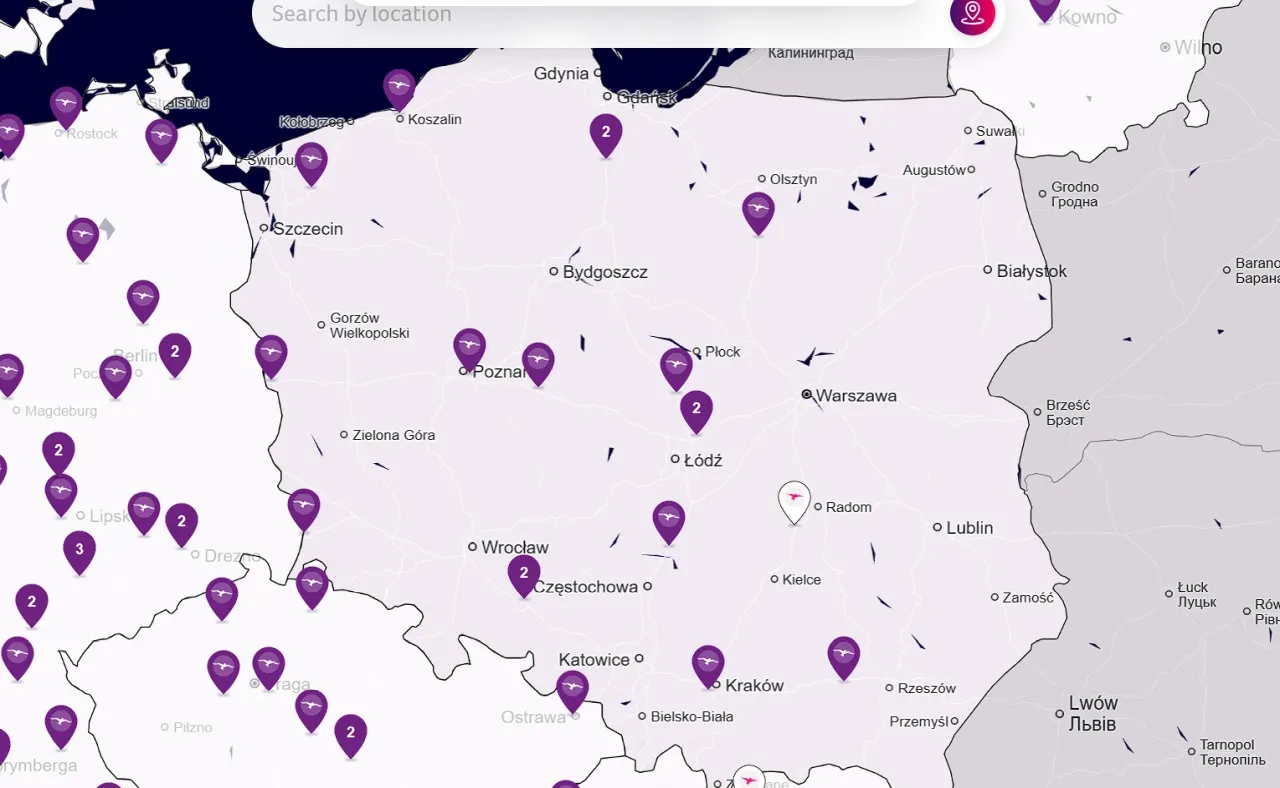
Current map of Ionity charging stations in Poland (c) Ionity
The price increases are not significant, and to be fair, it should be noted that Ionity only introduced annual subscriptions in February and decided on reductions of 7-9 percent. The current pricing restores the maximum rates to around previous standard levels (for example, 2.5 zł/kWh has changed to 2.33-2.52 zł/kWh), but these remain within a range, meaning there is still a chance that in at least some locations, recharging will be slightly cheaper than before the February reduction. The operator clearly states that the amounts will always be visible in the app or on the charger before charging begins.
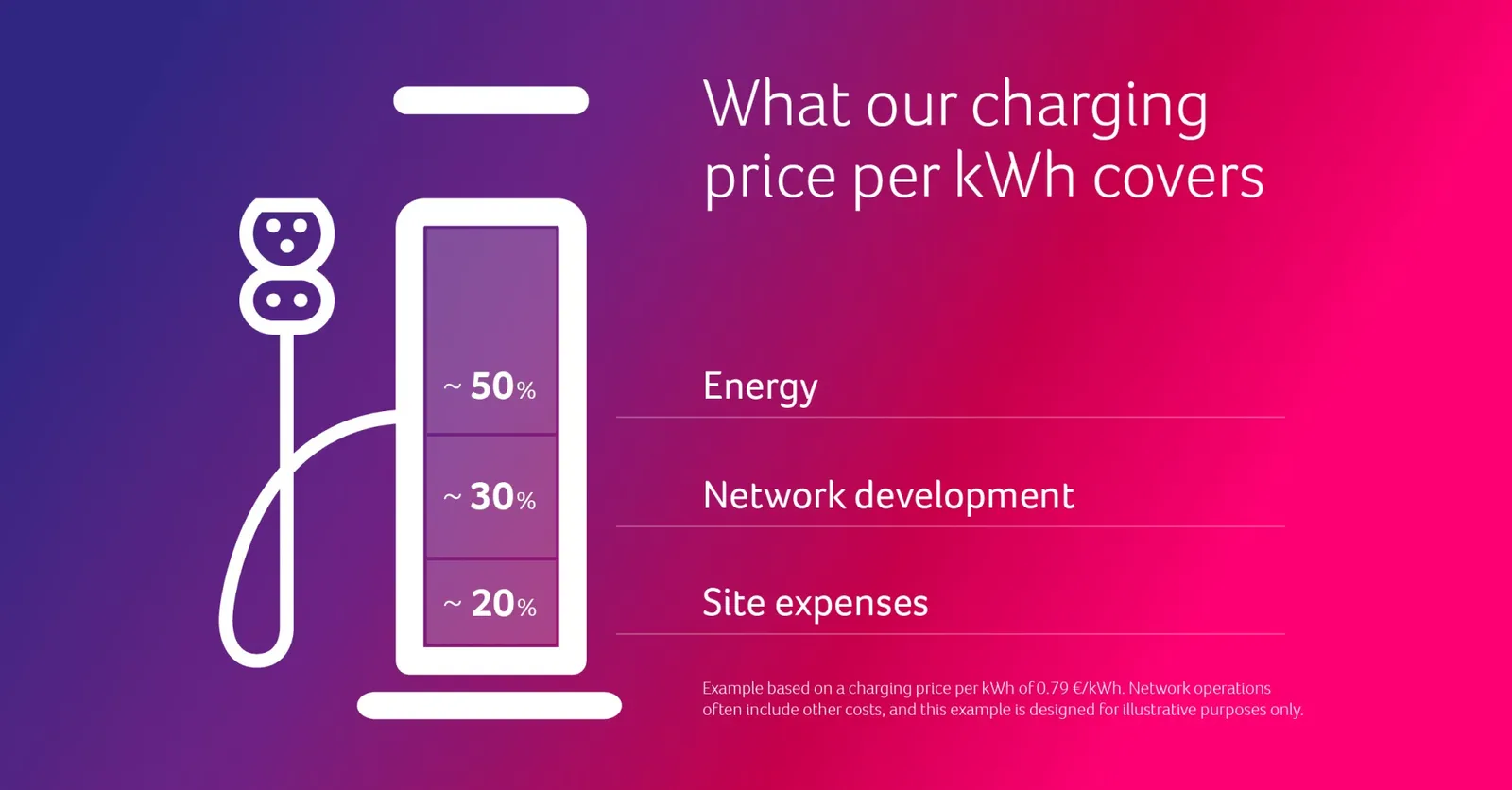
Ionity’s pricing strategy relies on more than one factor. About 50 percent of the costs in its price list comes from energy, but 30 percent is spent on network development, while the remainder covers additional potential expenses, including primarily costs generated by that specific location (c) Ionity
The market situation is starting to take an interesting shape. On one hand, charging station owners have long-term contracts as well as volatile energy prices that fluctuate from negative ranges to high positive levels; on the other hand, they strive to provide their customers with stability in predicting the operating costs of electric vehicles. “Stability” means no frequent changes. Gas station owners gave up on this rather romantic approach a long time ago, except that gasoline can only be produced using external raw materials.
Electricity falls from the sky to us for free.
Article Rating
Readers' Ratings
[Total: 2 votes Average: 4]
Don’t miss new content — CLICK and FOLLOW Elektrowoz.pl on Google News. You might also be interested in the following ads: