
New rules for photovoltaics effective from December 1. Energy storage can be more than twice as powerful
In the article
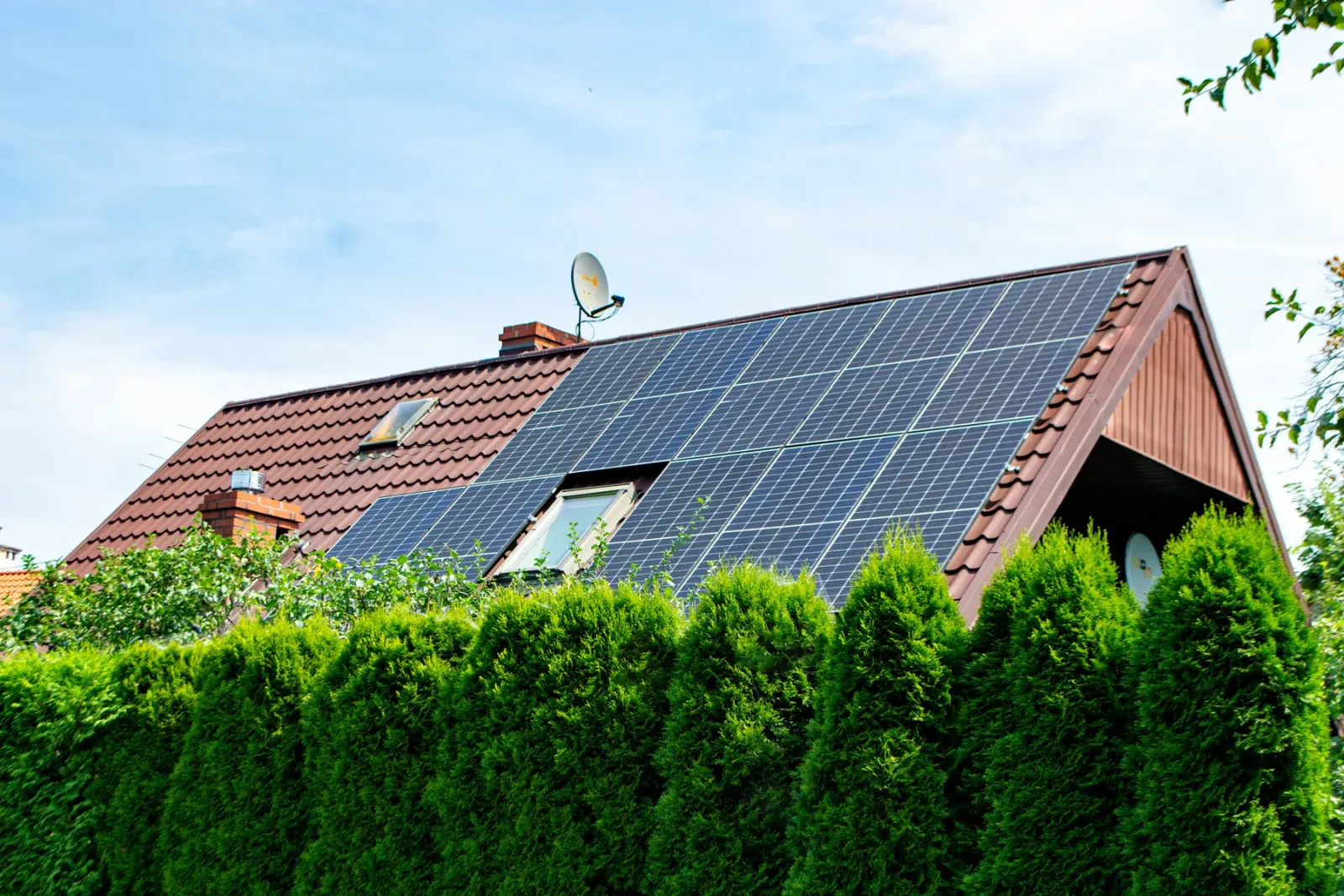
With a 5 kW photovoltaic installation, the storage system will be able to have up to 11 kW of capacity.
The storage system’s capacity will not be added to the microinstallation’s capacity if two statutory conditions are met.
The 2.2 limit applies to capacity in kW, not to battery storage capacity expressed in kWh.
The change comes from the law of September 4, 2026, amending the Law on Renewable Energy Sources and certain other laws. The president signed it on October 15; the next day it was published in the Official Gazette under number 1347, with most of its provisions taking effect on December 1, 2026. One of the changes relates to Article 7 of the law – Energy Law and rules regarding the treatment of microinstallations connected to energy storage systems.
Current regulations are more restrictive. The capacity of a battery is only added to the installed capacity of a microgrid when the battery’s own capacity is not greater than that of the microgrid, and at the same time, the maximum capacity that the entire system can feed into the grid also does not exceed the microgrid’s capacity. Distributor system operators also apply such rules today. Therefore, if someone has a photovoltaic installation with a capacity of 5 kW, current regulations allow a battery with a capacity of up to 5 kW to be added, provided that energy export to the grid is appropriately limited.
Starting December 1, the first of these limits will be significantly increased.
5 kW photovoltaic system and 11 kW battery? Yes
The new wording of the regulations stipulates that the capacity of an electric energy storage system will not be included in the installed capacity of a microgrid if two conditions are met. First, the capacity of the storage system must not exceed 2.2 times the installed capacity of the microgrid. Second, the total capacity that can be fed into the grid through the microgrid and the storage system must not exceed the capacity of the microgrid itself.
For a 5 kW photovoltaic installation, this means it is possible to use a battery storage system with a capacity of up to 11 kW. For an 8 kW installation, the limit will be 17.6 kW, and for a 10 kW installation — 22 kW. However, this does not mean that the owner of a 5 kW installation can suddenly feed 16 kW from the panels and battery into the grid at the same time. The maximum power fed into the grid must still be limited to 5 kW. It is this condition that allows for an increase in battery storage capacity without a proportional increase in the load on the distribution grid.
Why change the regulations?
The problem stems, among other things, from the statutory definition of microinstallations. In principle, it refers to a renewable energy installation with an installed electrical capacity of no more than 50 kW. Exceeding this limit places it in a different category of installation, requiring additional formalities.
The previous rules thus limited the use of more powerful storage systems, especially in larger microinstallations. The climate ministry explains that this change is intended to help prosumers retain excess energy for their own use and increase self-consumption, rather than sending large amounts of solar-generated power into the grid during peak sunlight hours.
This solution represents a compromise. A prosumer can install a much more powerful storage system and charge it faster or utilize its capacity within their own installation, but from the grid’s perspective, it still behaves as a source with its previous capacity.
11 kW is not the same as 11 kWh
It’s easy to make a mistake here. The statutory 2.2 times factor refers to the capacity of the storage system expressed in kilowatts, or kW. It is not its capacity measured in kilowatt-hours, or kWh. Power indicates the rate at which the storage system can absorb or release energy. Capacity, on the other hand, determines how much energy can be stored within it.
For example, a storage system might have a power of 10 kW and a capacity of 20 kWh. This means it can operate at a power level of up to 10 kW but can store 20 kWh of energy. The amendment to the relevant legislation does not introduce a capacity limit for batteries based on the 2.2 times factor. During the drafting of the law, the Ministry of Climate and Environment clearly emphasized that the regulation pertains to the power rather than the capacity of the storage system.
This is also why new connection rules should not be mixed with the conditions of the home energy storage subsidy program. The current support program, on the other hand, includes a capacity requirement: the storage system eligible for subsidies must have at least 2 kWh of capacity for every 1 kWp of photovoltaic peak power. This is a separate rule of the subsidy program, not a limit derived from the Energy Act.
The storage system still needs to be reported to the operator
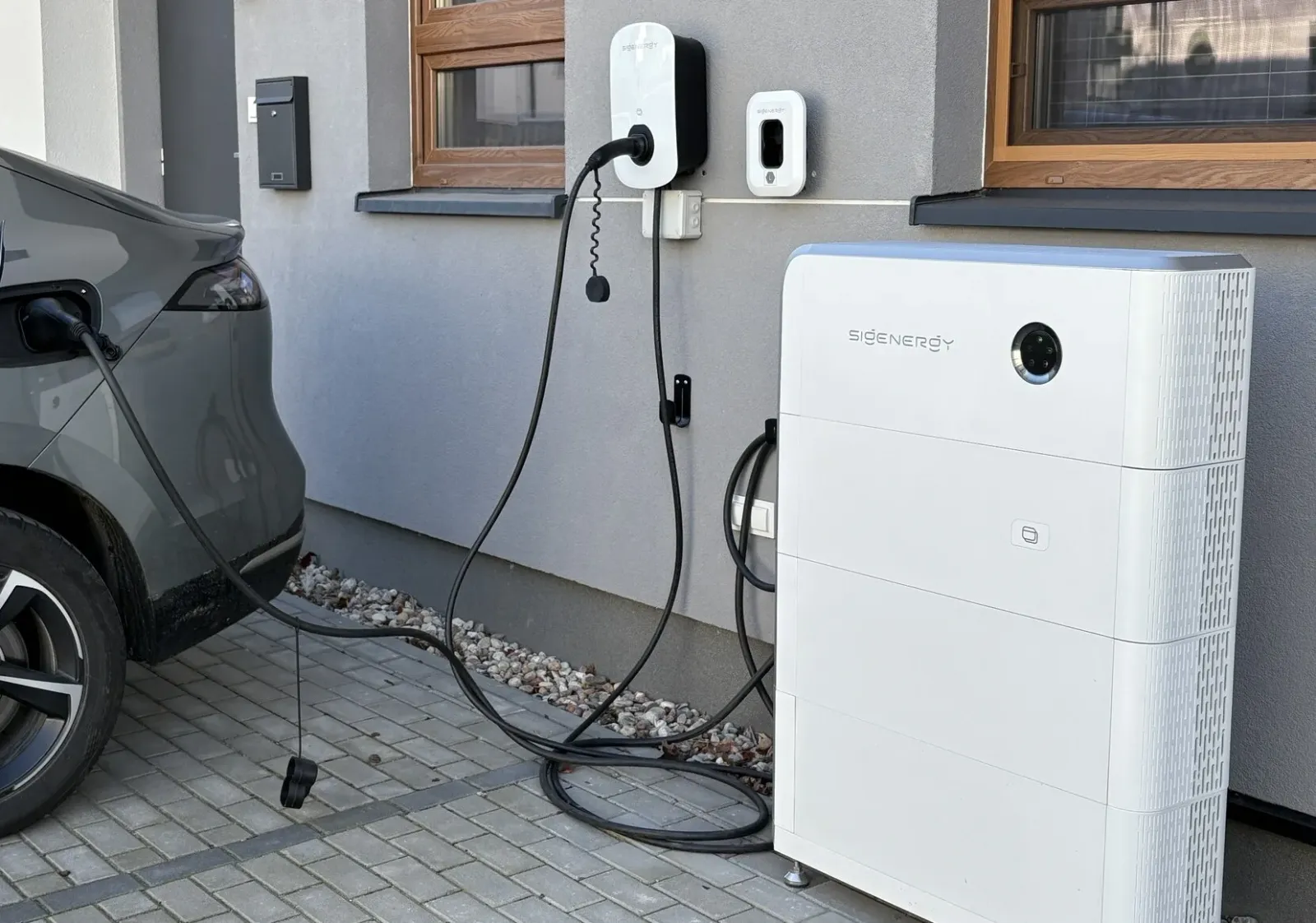
The new regulations also do not mean that a battery storage system can be connected simply without informing the distribution system operator (OSD). When a microinstallation with battery storage is reported, the operator receives data regarding the devices and their parameters. The amendment further specifies that when connecting a battery storage system along with a microinstallation, its installed electrical capacity must also be specified in the application. Operators already require documentation related to the battery storage system, inverter, and the overall system configuration.
Importantly, the new rules will also apply to applications submitted before December 1, 2026, if they have not yet been processed by that date. In such cases, the operator will be able to request the installation owner to supplement the documentation with information about the battery storage system’s capacity.
A larger storage system isn’t always necessary
The statutory 2.2 times factor should not be considered as a recommendation for selecting equipment. It represents the maximum level at which storage capacity will not be added to the microinstallation’s capacity after meeting the second condition.
For a typical home with 5 kW of photovoltaic capacity, a storage system capable of handling 11 kW may simply be unnecessary. The selection should depend on factors such as energy consumption, the power of devices in the home, photovoltaic output, battery capacity, inverter specifications, and whether the storage system also needs to provide backup power.
The most significant change starting December 1st is not that every prosumer must purchase a battery with more than twice the capacity. The amendment removes the restriction that previously tied battery capacity to the source’s capacity at a 1:1 ratio. Prosumers gain greater flexibility in configuring their installations, but the power fed back into the grid remains limited to the level of the microinstallation itself.
Piotr Sobczyk