
New Volvo XC60 PHEV and XC90 PHEV with batteries having a capacity of 41.2 (37.9) kWh. 171-137 km without using gasoline
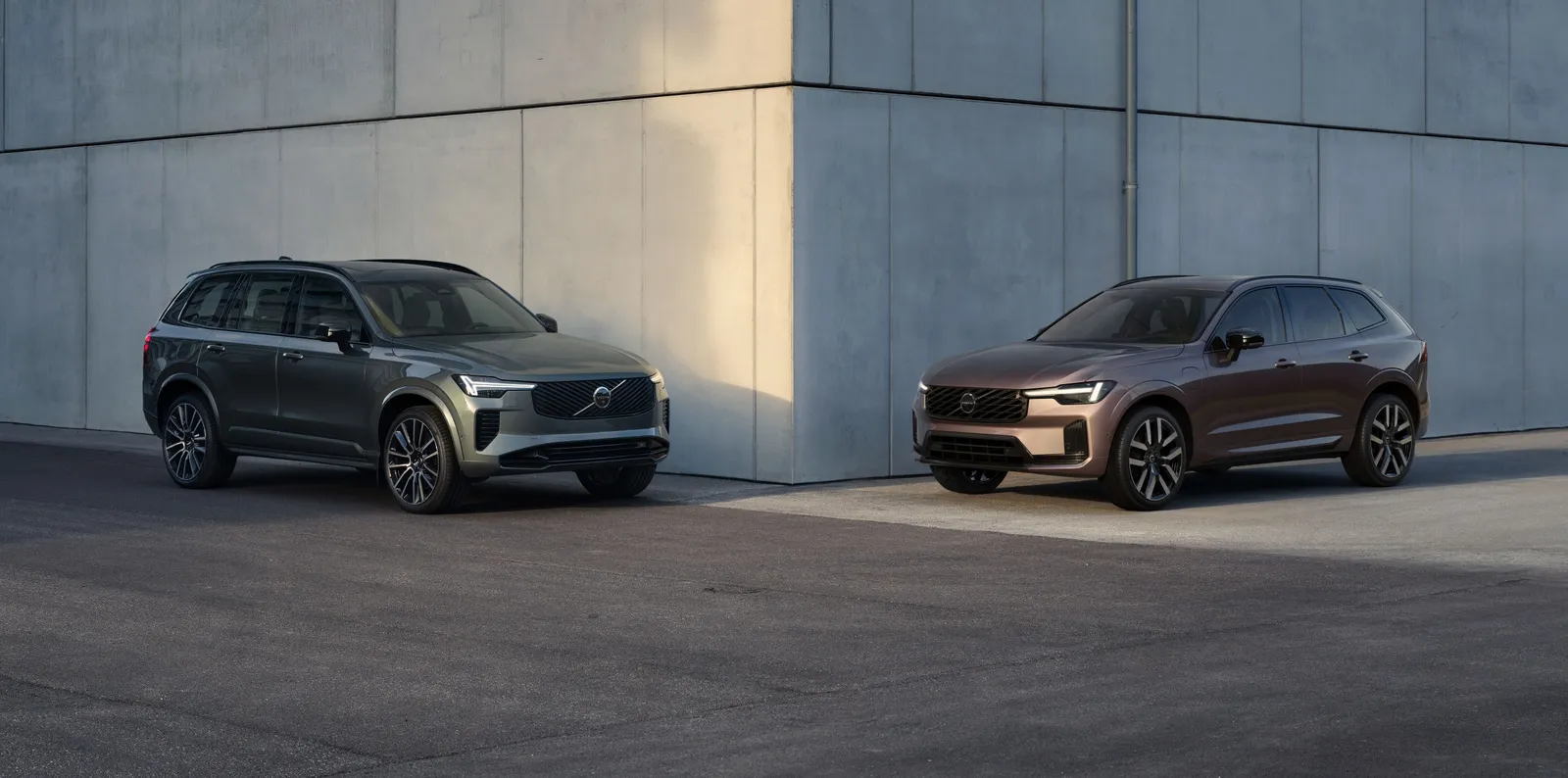
A lot has changed since the first Volvo XC90 T8 PHEV was released just 11 years ago. That model featured a battery with a capacity of 9.2 (~8) kWh, whereas the latest Volvo XC60 and XC90 PHEV models are equipped with a battery pack having a capacity of 41.2 (37.9) kWh, which is almost 4.5 times larger. The impact is evident in the claimed ranges: the manufacturer states up to 160 WLTP miles of pure electric range for the XC90 PHEV. The Volvo XC60 Long Range PHEV, using the same battery, boasts a range of 200 WLTP miles.
Volvo XC60 PHEV (2027), Volvo XC90 PHEV (2027) in Chinese
The stated WLTP range of 160-200 kilometers (Volvo XC90 PHEV/Volvo XC60 PHEV) translates to around 137-171 kilometers in actual urban or urban-suburban driving conditions. In reality, with very gentle driving in summer, it’s possible to reach 200 kilometers without engaging the internal combustion engine, but even in winter during freezing temperatures, both vehicles should be able to travel 100 kilometers solely on electric power. The battery capacity tells us this: although plug-in hybrids (PHEV) have never been among the most fuel-efficient, their consumption is likely to stay below 25-30 kWh/100 km.
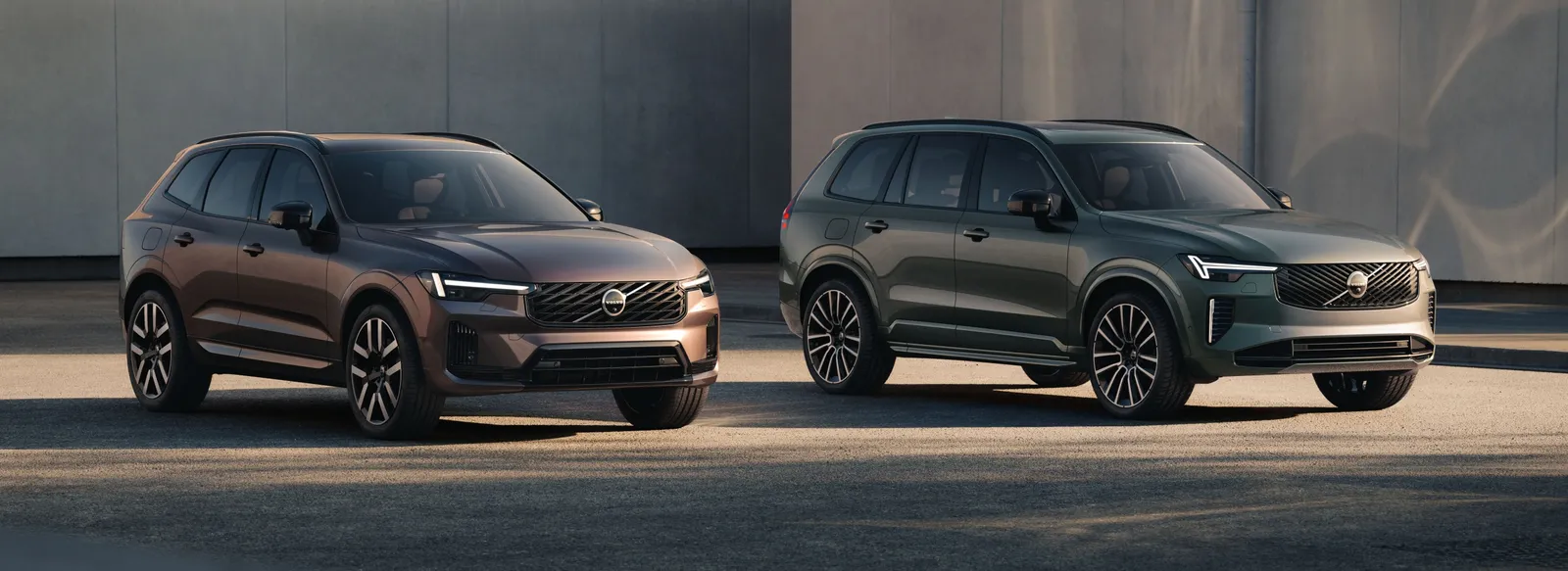
Volvo XC60 PHEV (on the left) and Volvo XC90 PHEV
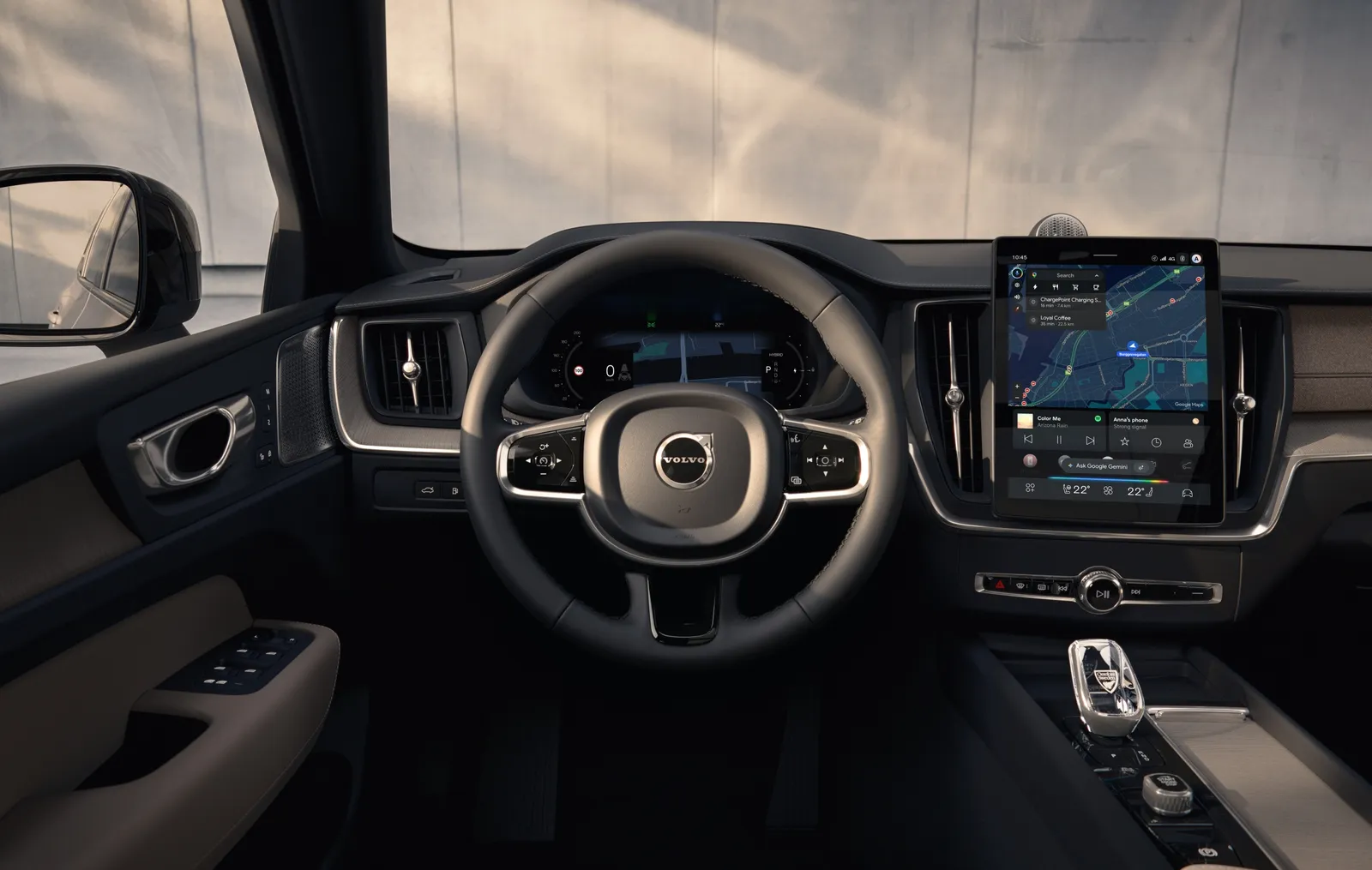
The cockpit of the Volvo XC60 PHEV (2027)
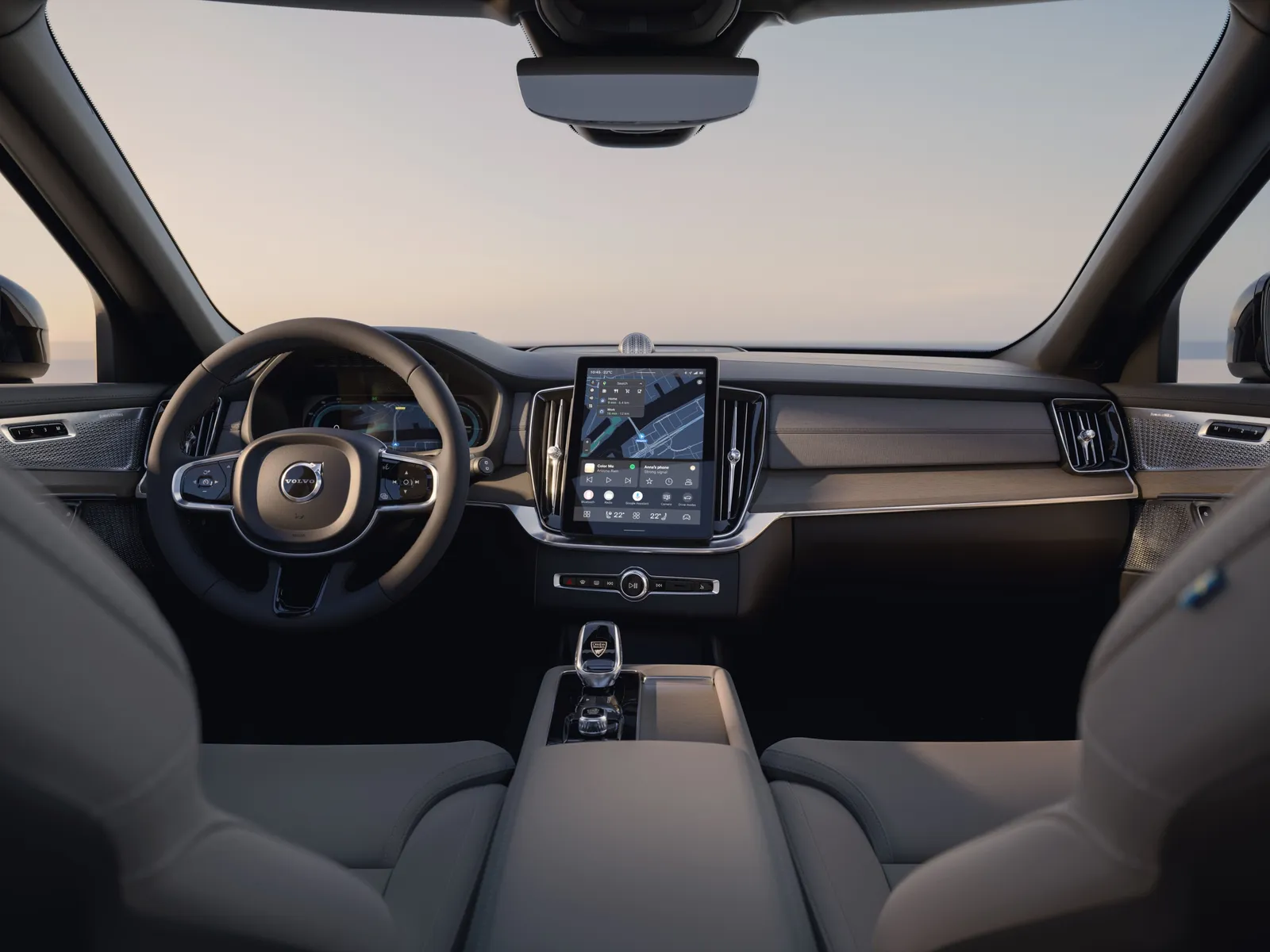
The cockpit of the Volvo XC90 PHEV (2027)
Volvo claims to have carried out a “comprehensive update” to the XC60, but in reality, the refresh is just as subtle as that seen in the Volvo EX40 and EC40. This isn’t surprising, as the Volvo XC60 has been Volvo’s best-selling car for years and helped save the brand after the design failure of the second-generation Volvo S60. On the positive side, manufacturers are finally starting to adopt safety systems mandated by the European Union and UNECE.
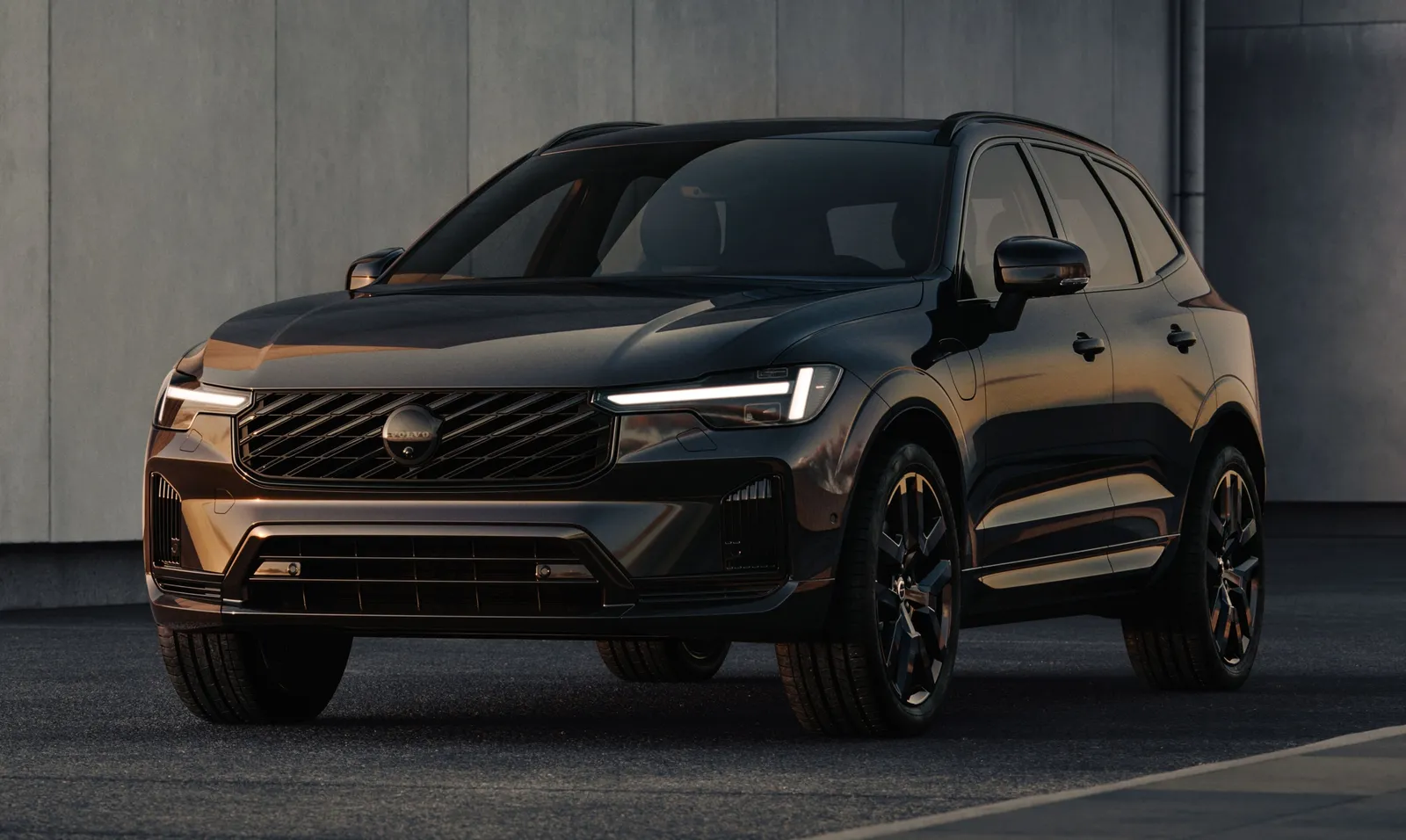
Volvo XC60 PHEV in Black Edition version, with all chrome elements darkened
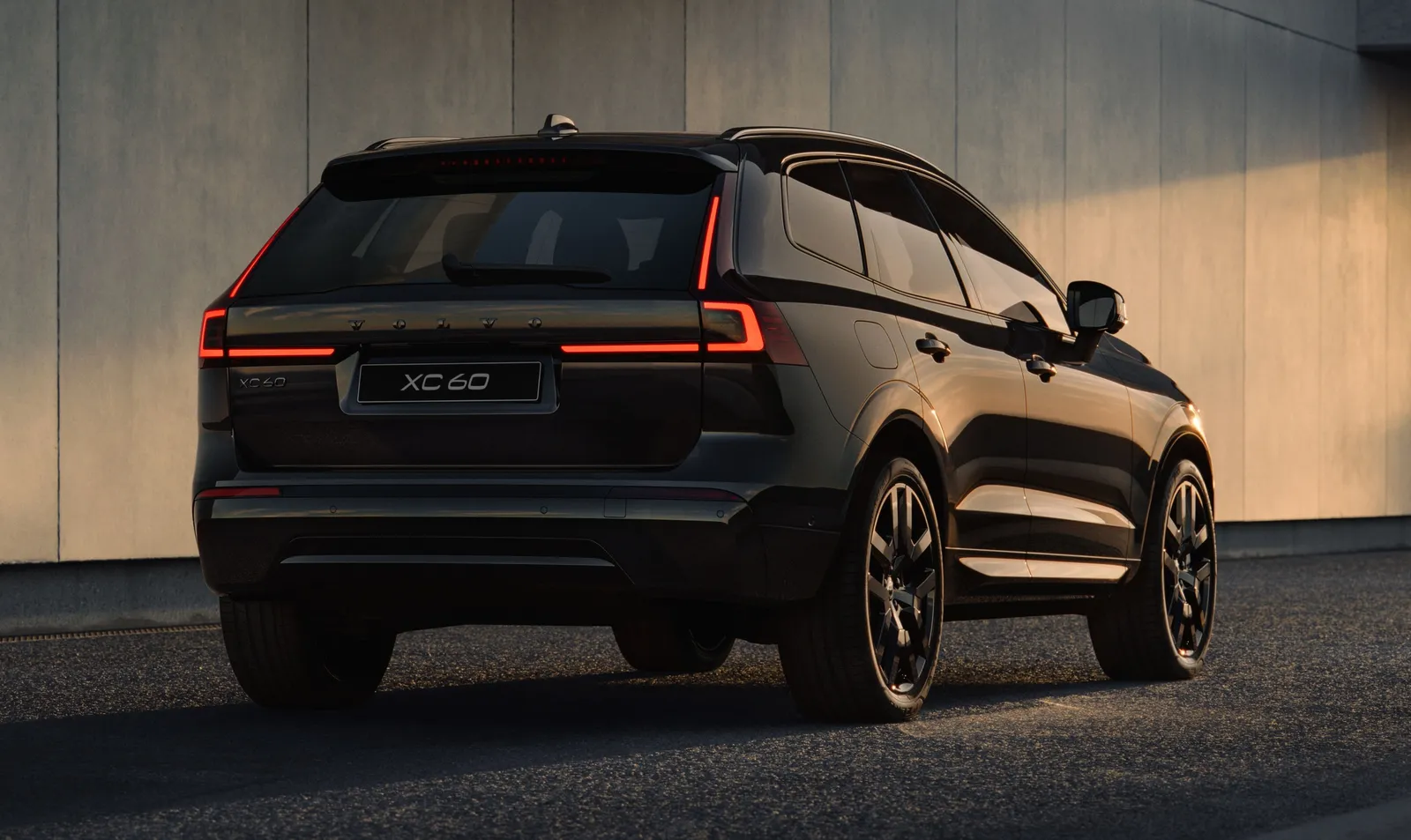
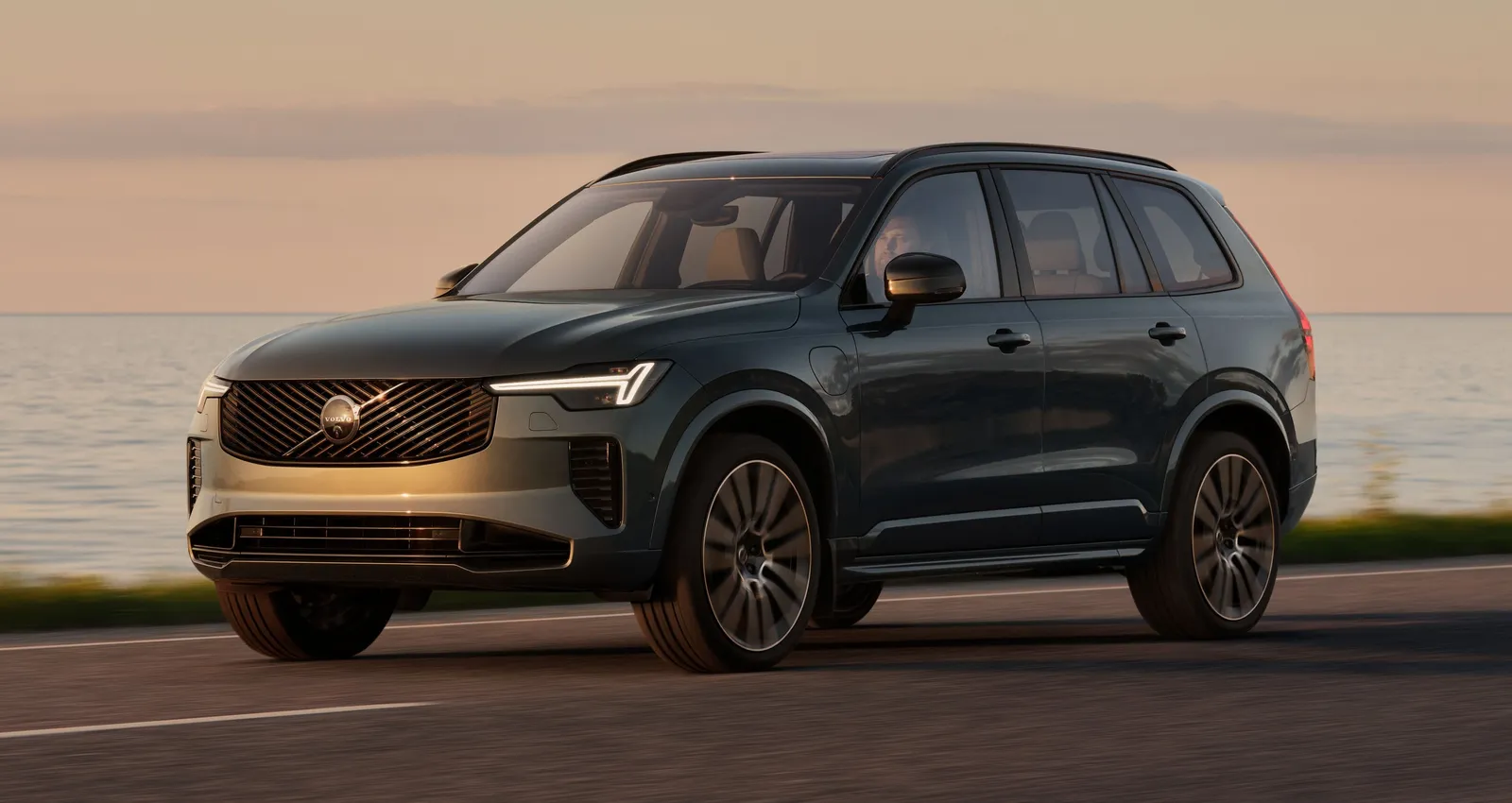
The new Volvo XC90 PHEV
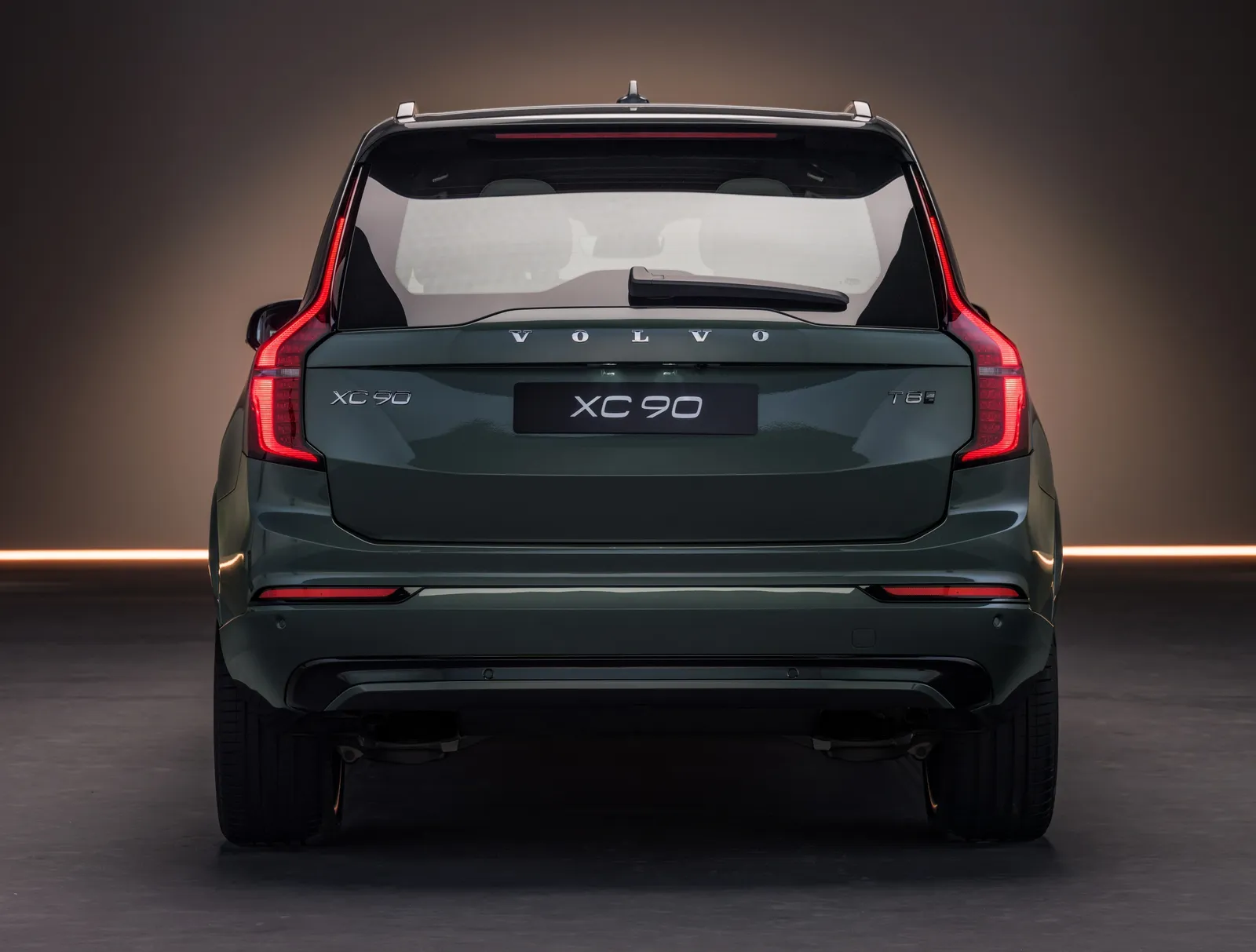
The Volvo XC60 PHEV and XC90 PHEV are equipped with the aforementioned battery with a capacity of 41.2 (37.9) kWh, which is installed in the floor, likely under the rear seat. The total maximum power output of the drive system is 339 kW/461 hp in the XC90 T8 Long Range PHEV and XC60 T8 Long Range PHEV. In the Volvo XC60 T6 Long Range PHEV—where there is no corresponding version in the XC90—the driver has “only” 262 kW/272 hp at their disposal (source), but it is this version that offers the greatest range on battery power (up to 200 WLTP units).
In all variants, the electric motor delivers 130 kW/177 HP of power and 309 Nm of torque, which is more than sufficient to accelerate even larger vehicles. As editors at Elektrowozu, we are slightly concerned only by the small charging port flap (see illustrations above), which suggests that batteries with a capacity over 40 kWh cannot be charged quickly using a CCS2 connector. With a standard wall charger, this would require several hours of waiting—especially if the car is parked overnight—but a CCS2 port would be useful while on the road.
Article Rating
Reader Ratings
[Total: 0 votes Average: 0]
Don’t miss new content—CLICK and FOLLOW Elektrowoz.pl on Google News. You might also be interested in the following ads: