
The new Kia PV7, the larger and improved sibling of the PV5. 800 V architecture, battery capacity of up to ~100 (96.2) kWh, 20-minute charging time
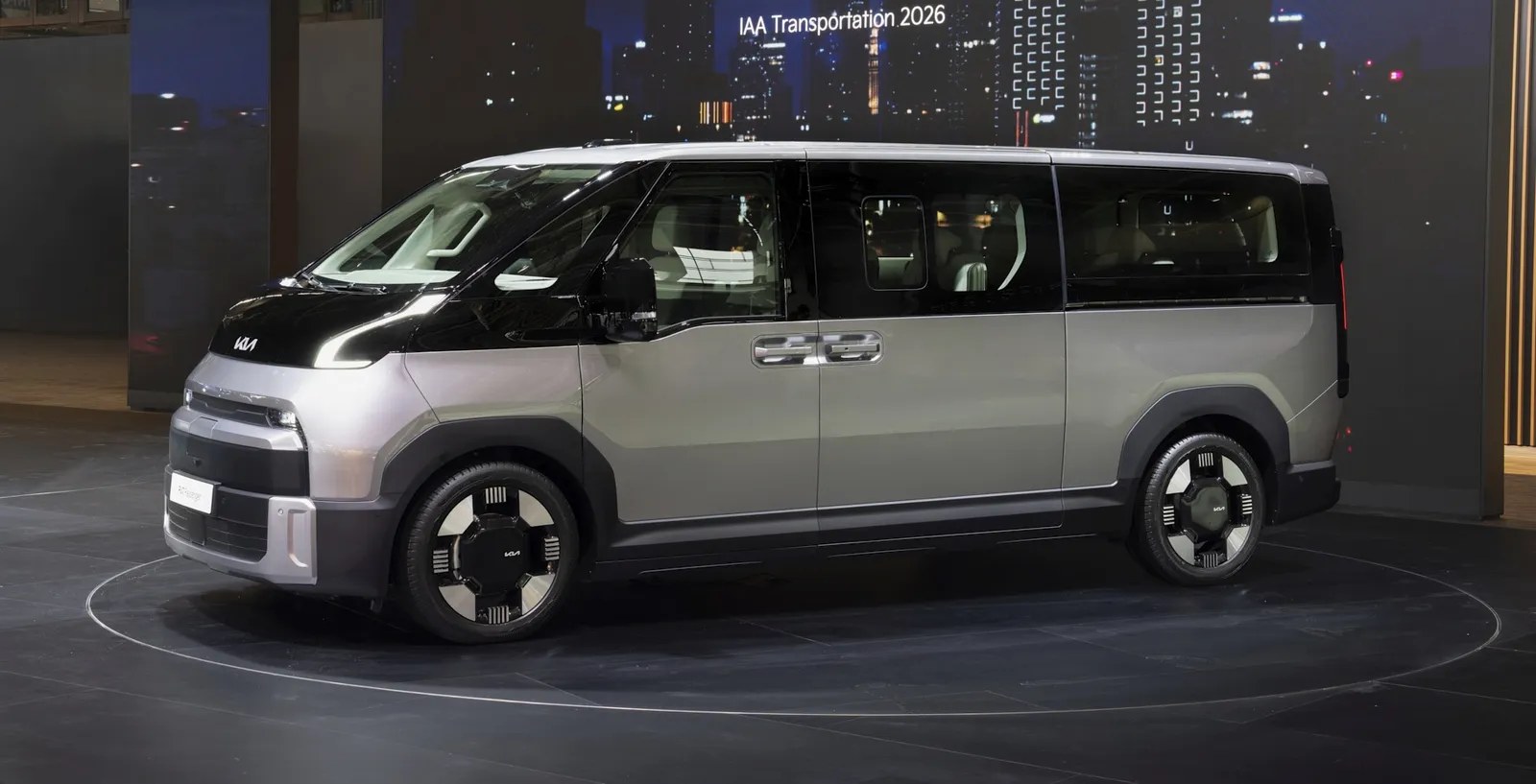
The Kia PV7 is Kia’s new electric minivan, demonstrating how seriously the brand takes this vehicle segment in the market. The PV5 is a budget-friendly option with a 400 V architecture and a battery capacity of around 74 (71.2) kWh or less. In contrast, the new Kia PV7 can feature a battery with a capacity of up to ~100 (96.2) kWh, and it comes standard with an 800 V architecture that allows it to reach 10 to 80 percent charge in about 20 minutes. Pre-sales for this model in Poland are scheduled for the second quarter of 2027, with deliveries beginning in the summer of 2027.
Kia PV7. Up to 23 variants planned, 3 pallets on the cargo floor in the Cargo version or 7-8-9 passengers in the passenger version
Table of contents
Kia PV7. Up to 23 variants planned, 3 pallets on the cargo floor in the Cargo version or 7-8-9 passengers in the passenger version
Range
Versions and other highlights
First, the batteries: The Kia PV7 will be available with packs of ~74 (71.5) and ~100 (96.2) kWh capacity, both using Li-NCM technology. In the first case, it’s likely the same battery that powers the Kia PV5, while the latter reminds us of the Kia EV9. It differs slightly from the passenger version of the EV9 in terms of usable capacity (in parentheses), but Kia includes buffers in this figure as well — these may be larger in the commercial version since these vehicles are designed for heavy use and long distances.
Range
The claimed maximum range of the Kia PV7 Cargo Long Range, with a larger battery, is “over 460 WLTP units.” Based on our experience with the Kia PV5, the manufacturer tends to be conservative with procedures and claims for commercial vehicles, so this figure may be close to the actual range in urban or suburban driving conditions. The maximum power available is 200 kW/272 hp with 420 Nm of torque, and it features front-wheel drive, though a four-wheel-drive version is expected to arrive. Since it’s labeled “maximum,” we can also expect weaker versions, especially in the Cargo editions.
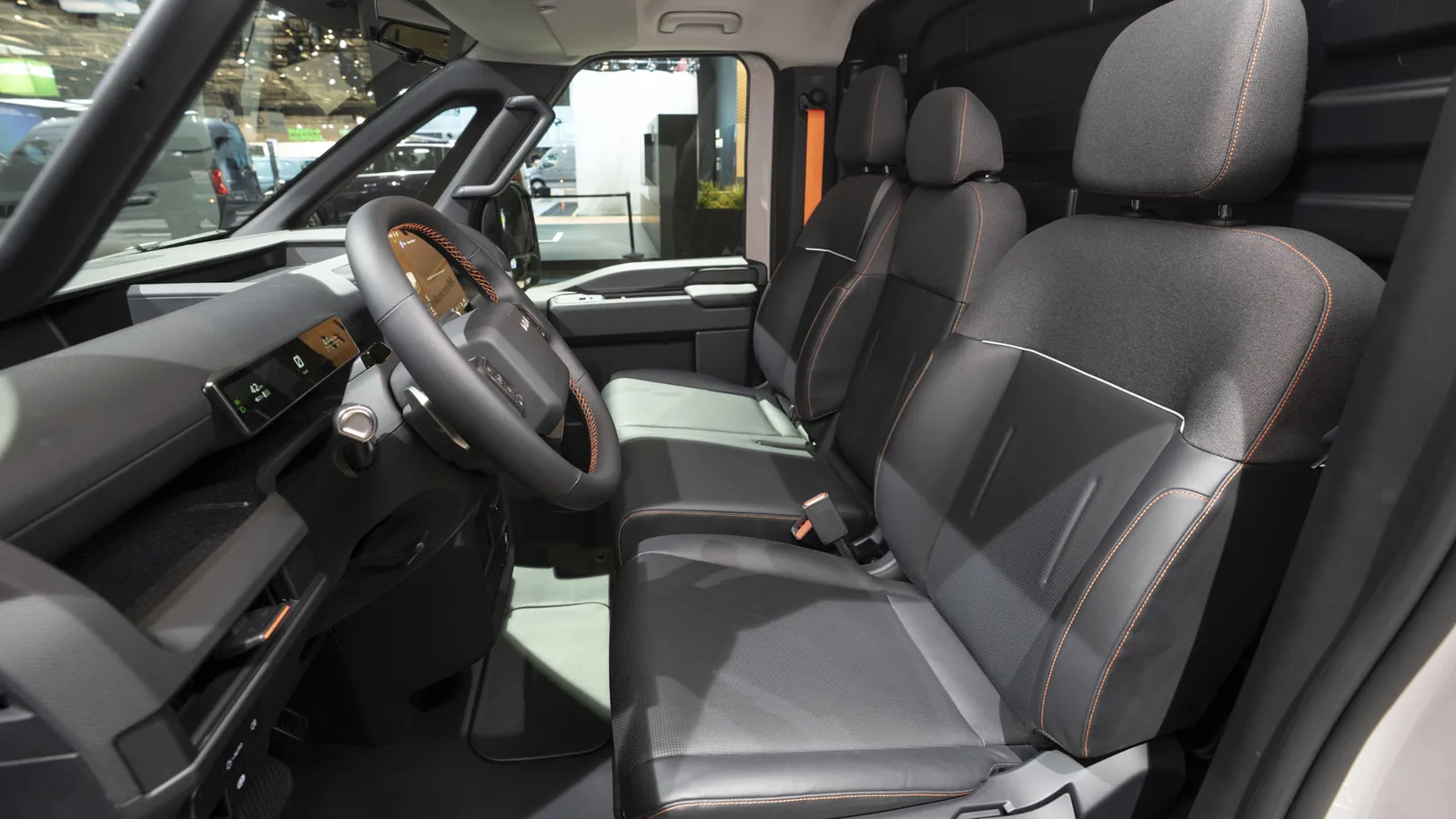
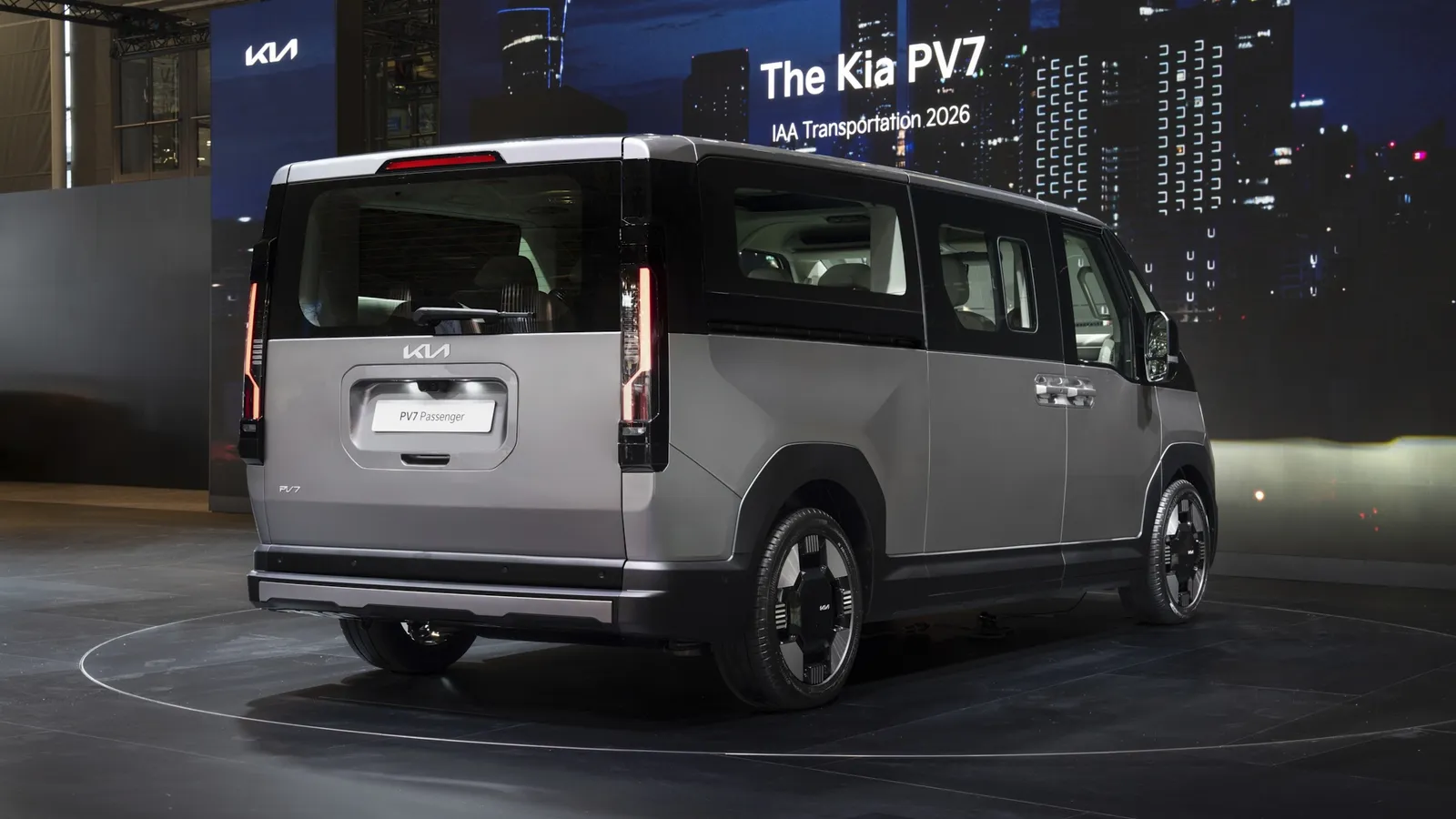
The vehicle can be equipped with two charging ports, CCS2/Type 2 at the front and an optional Type 2 port at the back. However, the most important aspect is the interior configuration: depending on their needs, buyers of the Personal edition can choose between a 7-seater, 8-seater, or 9-seater version with a 2+2+3, 2+3+3, or 2+2+2+3 (four rows) layout — such customization options should satisfy even those who have previously found comfortable solutions only in models from China.
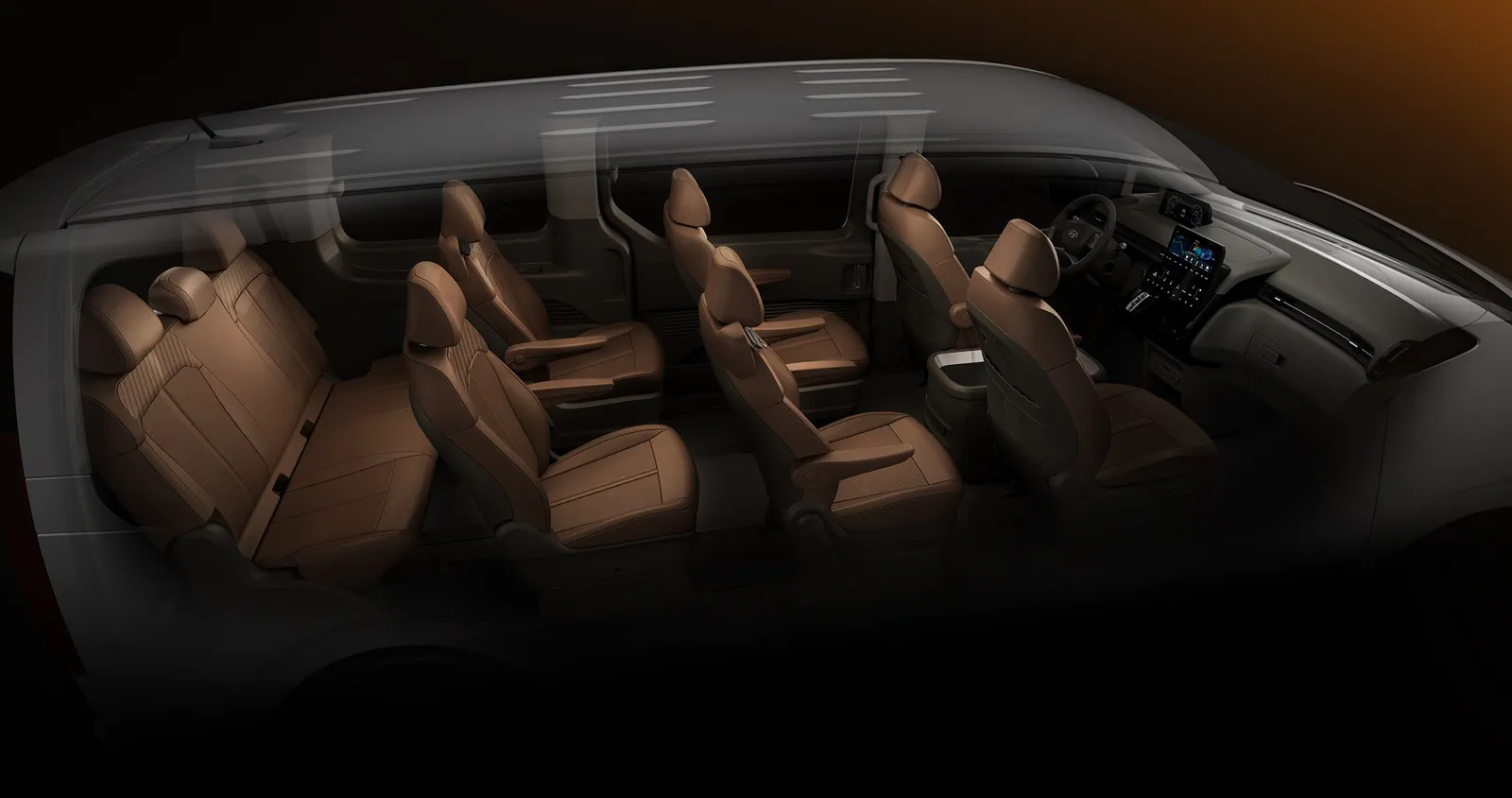
The interior of the Hyundai Staria with nine seats. Likely, exactly the same layout will appear in the Kia PV7.
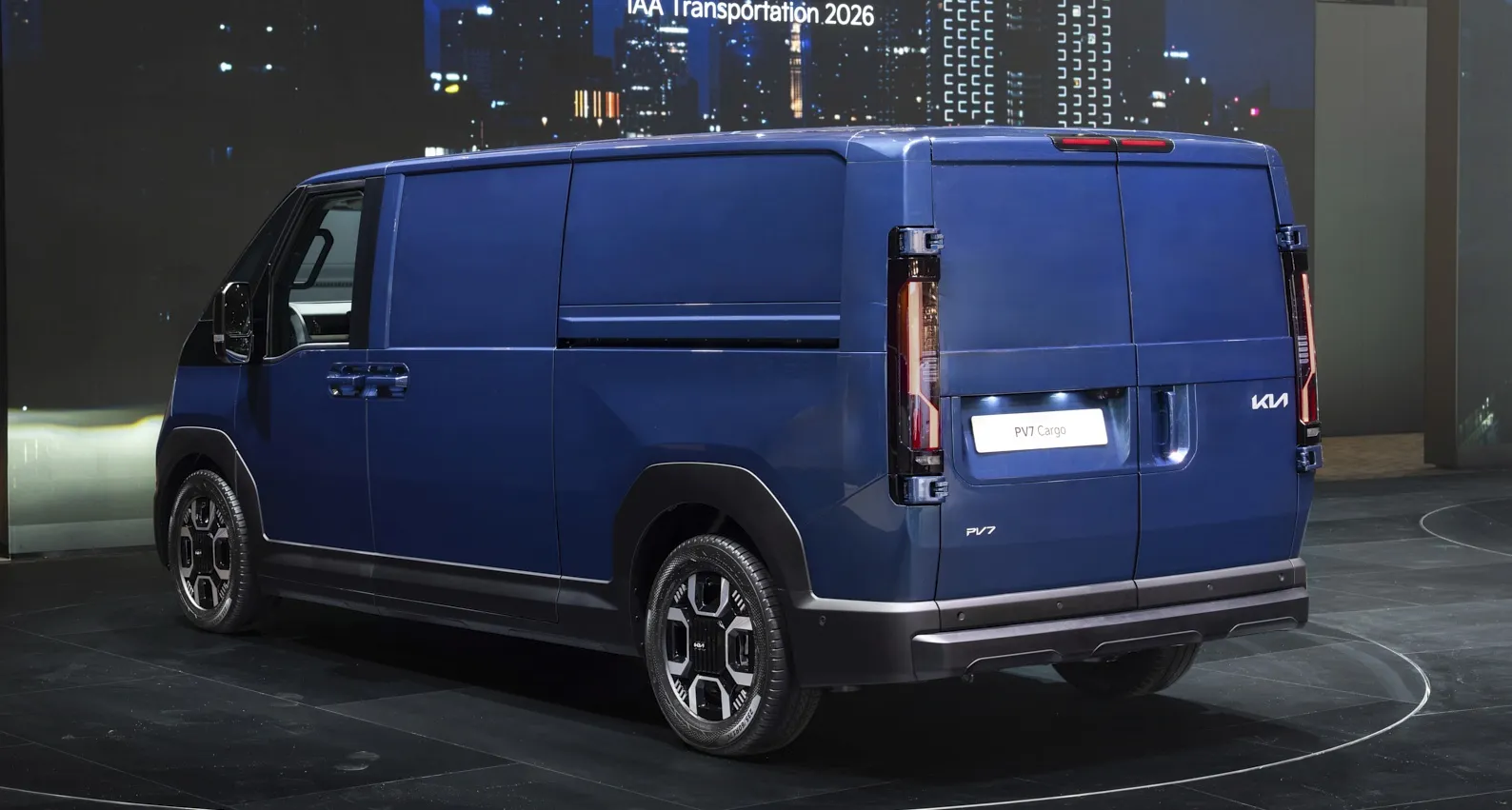
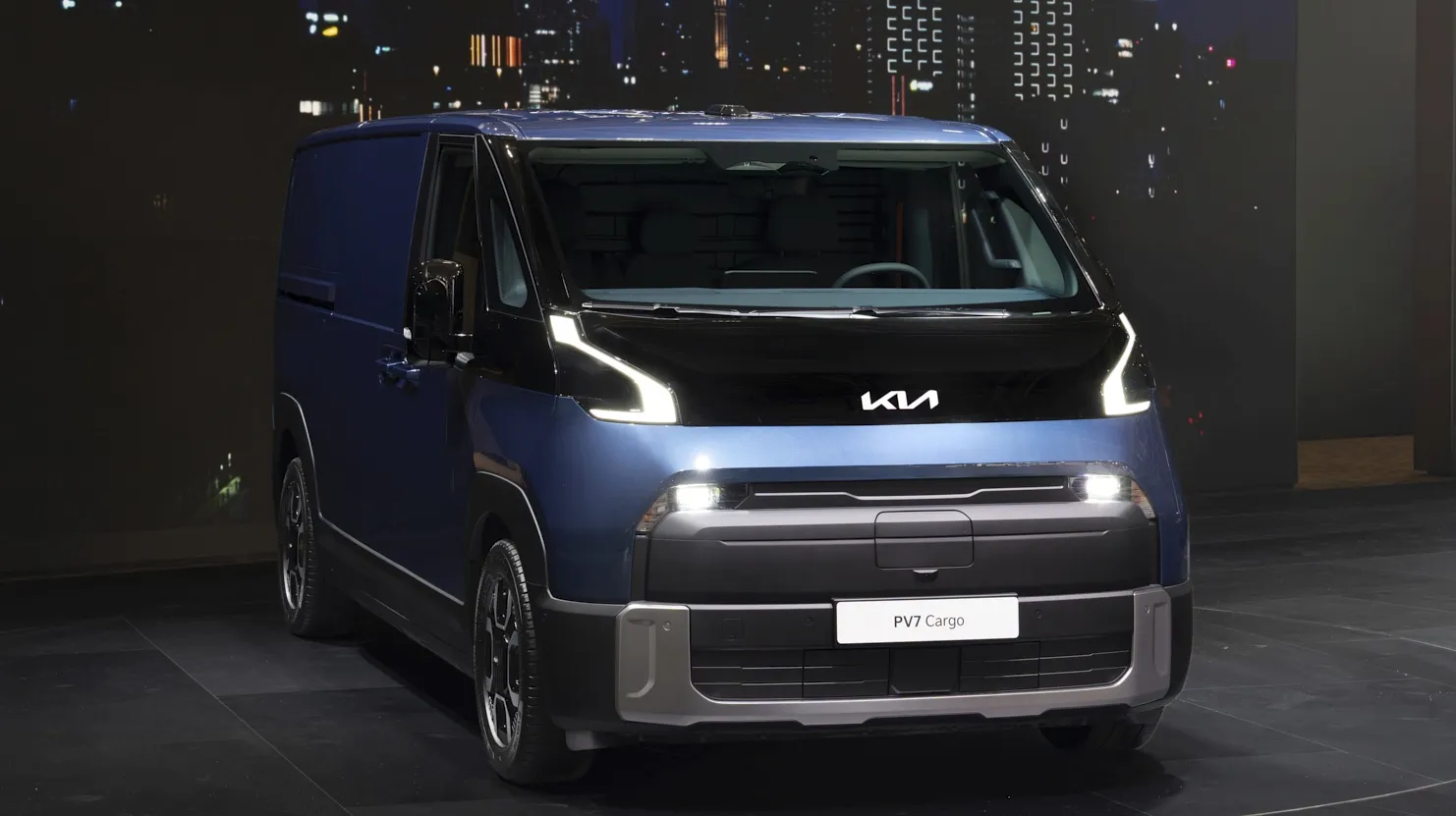
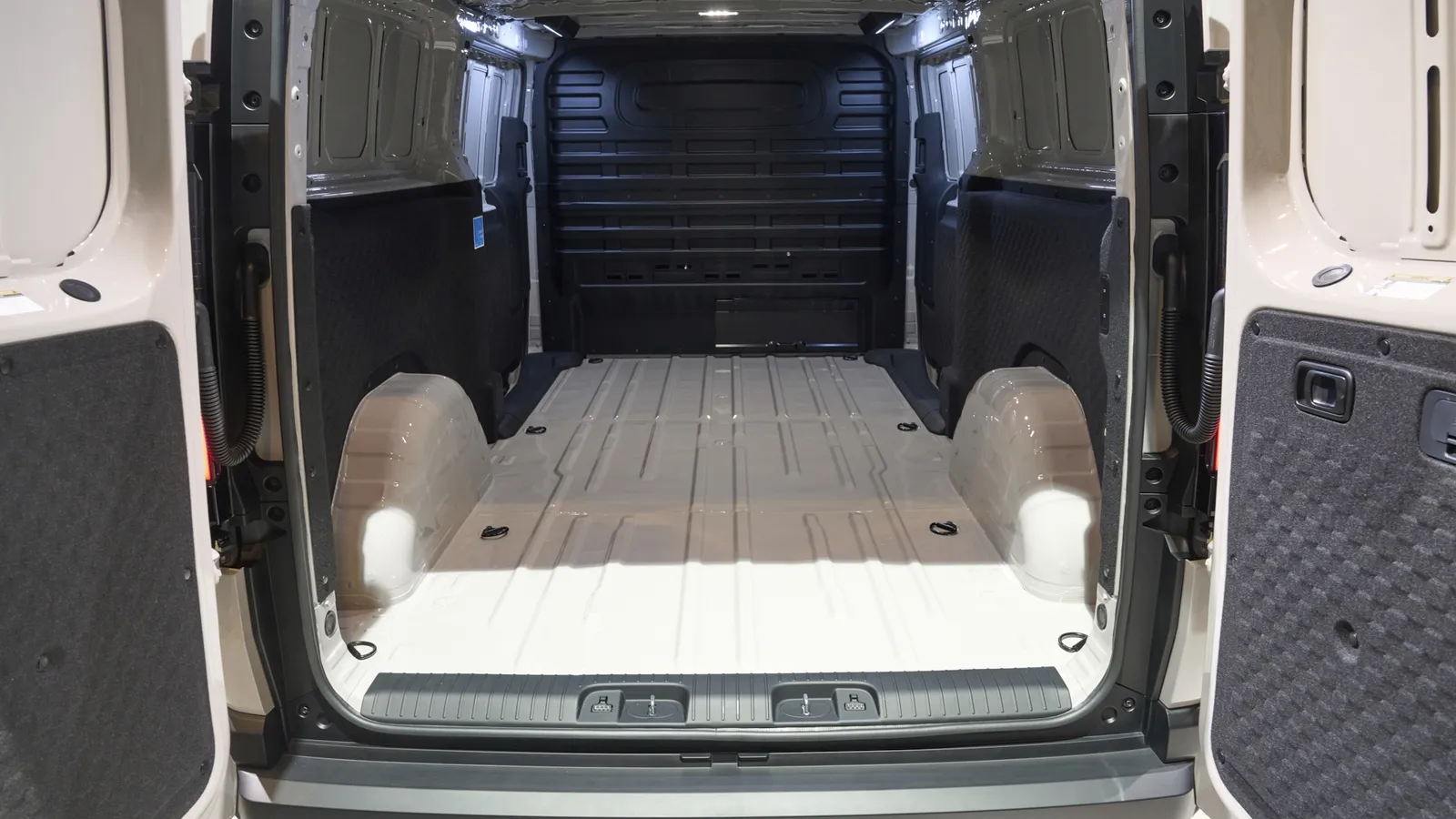
For variety, the Cargo version in Long format has 6.1 cubic meters of cargo space, allowing it to accommodate up to three standard euro pallets (80 x 120 cm) inside. There is also a Cargo High Roof version with a higher roofline, resulting in 8 m3 of interior space (measured according to VDA standards). The loading threshold is set at 55 centimeters, and the vehicle’s software includes a heavy load driving mode that further enhances stability when carrying cargo. The maximum payload of the Kia PV7 is 1.165 tons in the Long version and 1.2 tons for the Compact (Cargo) version.
Versions and other interesting facts
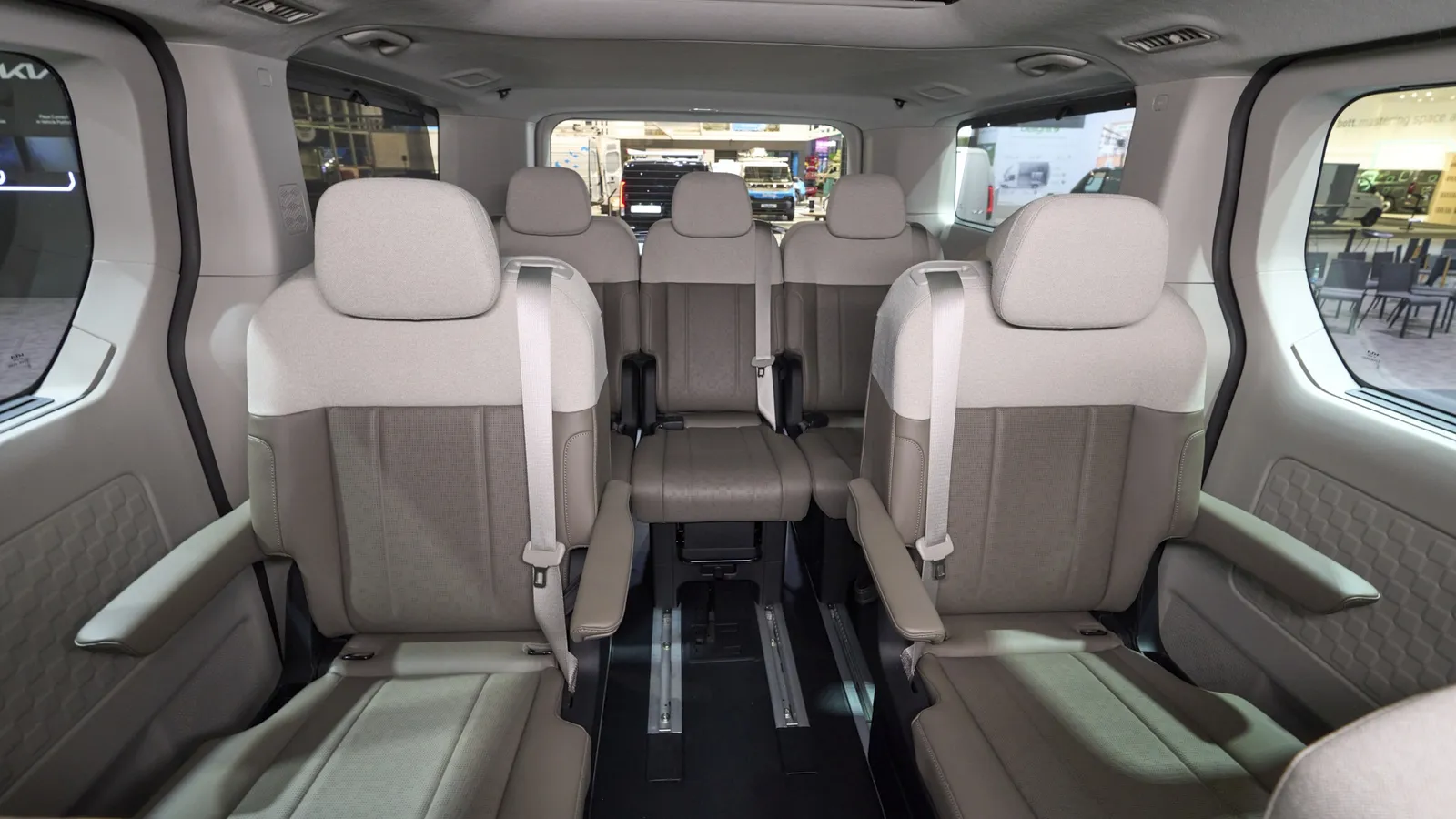
The Kia PV7 is available in four variants: Compact, Long, High Roof, and Chassis. The maximum cargo space is available in the long and high roof versions, while the Compact variant could be a direct competitor to the Kia PV5 7-seater. The Passenger version features adjustable seats on tracks in the middle row and air conditioning in the rear cabin. The manufacturer also highlights its Pleos Connect operating system based on Android Automotive.
Delivery of the vehicle to Europe is scheduled for summer 2027, with prices for the Kia PV7 expected to be announced in the second quarter of 2027.
Article Rating
Readers' Ratings
[Total: 5 votes Average: 4.8]
Don’t miss new content — CLICK and FOLLOW Elektrowoz.pl on Google News. You might also be interested in the following ads: