
The new Dacia Spring. This compact vehicle with a range of up to 250 kilometers aims to remain the cheapest BEV.
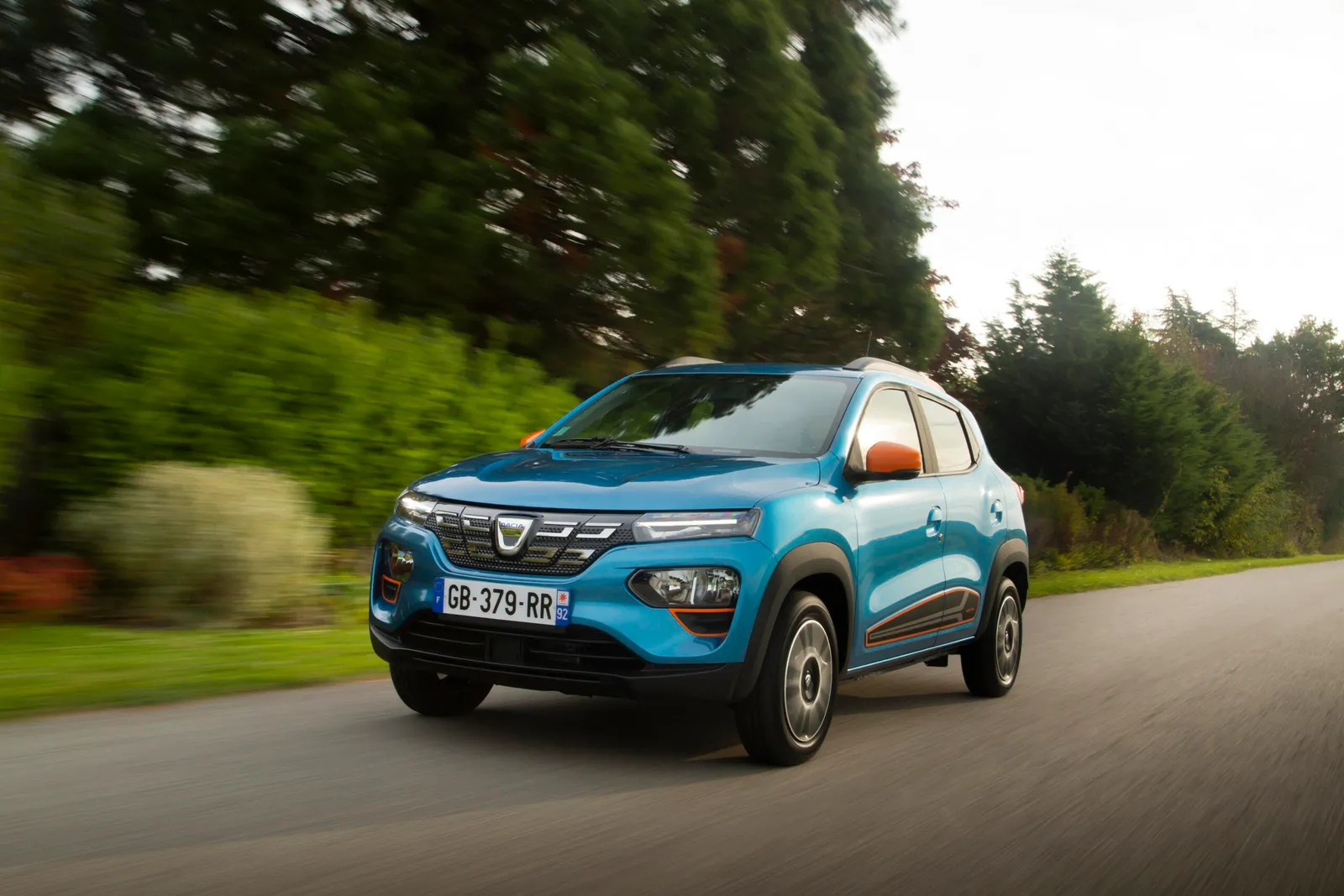
Dacia unveiled the second generation of the Spring. This time, it’s not another update to a well-known model but a completely new vehicle already being produced in Europe. It has 80 horsepower, a 27.5 kWh battery, and a range of up to 250 km. Is that enough to convince customers? In recent years, the market has seen many urban models at attractive prices.
In short:
Dacia unveiled the second generation of the Spring
It’s a completely new vehicle already being produced in Europe
The urban car has 80 horsepower, a 27.5 kWh battery, and a range of up to 250 km
The energy consumption of the new Spring is 12.7 kWh/100 km
Price? The price in Poland hasn’t been announced yet. In France, the base Expression version is priced at around 77,000 złoty
The model now faces strong competition. Let’s see what it is
Dacia Spring attracted attention due to its price
The first Dacia Spring was successful mainly for one reason: for a long time, it was among the definitely cheapest full-sized electric cars in Europe. Since 2021, it has attracted over 210,000 customers in more than 40 countries.
The problem is that the market has changed greatly. There are more cheap electric cars now, and in Poland, besides the Spring, we also have models like the Leapmotor T03, Citroën e-C3, BYD Dolphin Surf, and Hyundai Ioniq 5. Dacia is responding with a second, improved, and more refined generation. The name was kept, but the car is new and essentially built from scratch.
The new Spring is larger and produced in Europe
The most significant design change is the new RG-EV Small platform from Renault Group, related to the solutions developed for the new Renault Twingo E-Tech electric.
The Spring has grown to 3.85 meters in length and 1.74 meters in width. It is 15 cm longer and up to 18 cm wider than its predecessor. It remains a small A-segment car with a four-seater interior.
A notable change is also the location of production. The first Spring was manufactured in China. The second generation will be assembled in Novo Mesto, Slovenia.
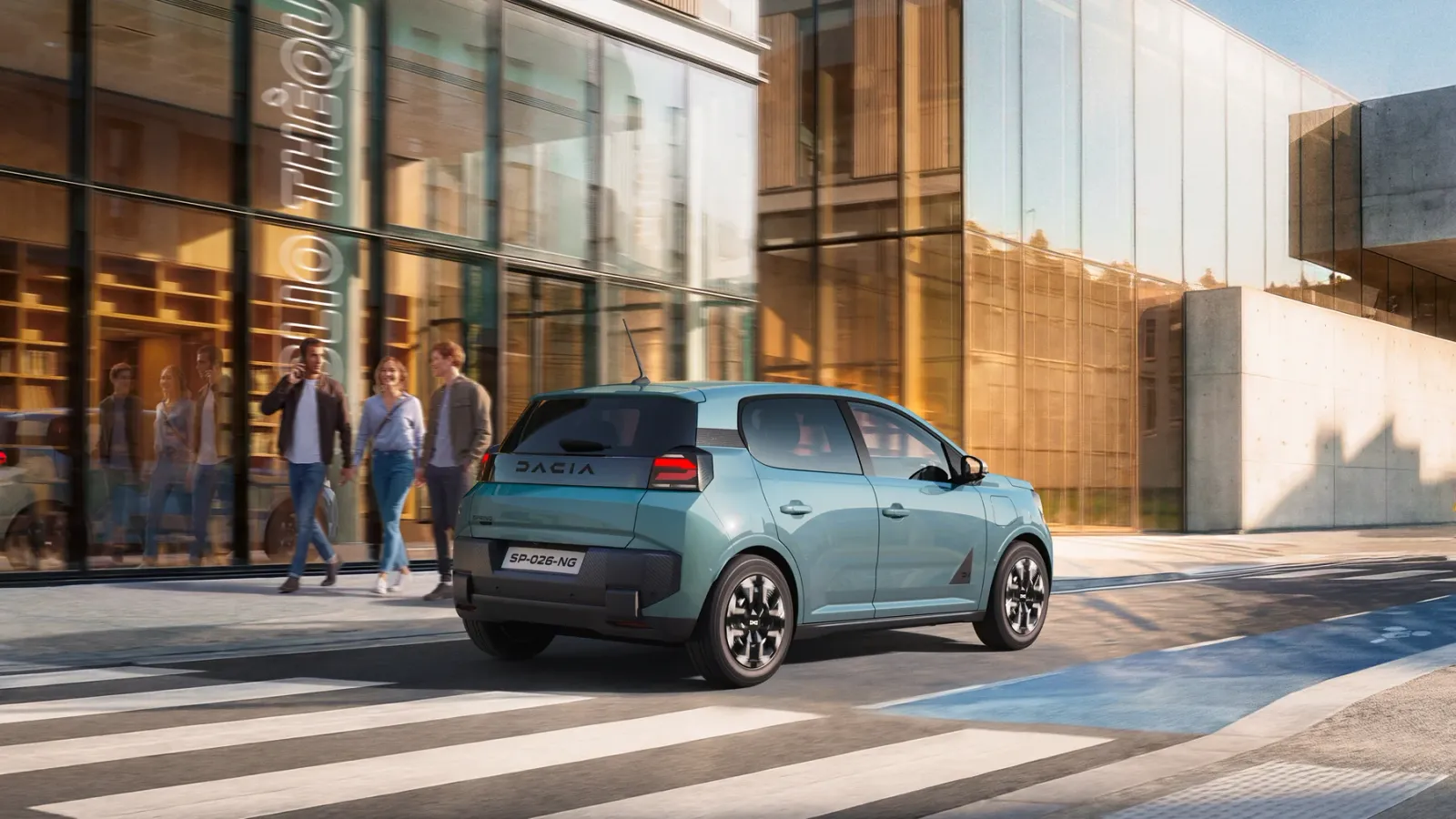
This matters not only in terms of image. Electric vehicles imported from China face additional compensatory tariffs in the European Union, whereas Spring produced within the EU avoids such burdens. This could help Dacia maintain a low price despite having a much more modern design.
80 HP and 250 km Range
Dacia is simplifying its powertrain options. All versions of the new Spring will be equipped with an engine delivering 80 HP and 175 Nm of torque. The car accelerates from 0 to 100 km/h in 12.1 seconds, with a top speed of 130 km/h. These are still primarily city-driving oriented specifications, but they are sufficient for use on highways as well.
The LFP battery has a usable capacity of 27.5 kWh and provides up to 250 km of WLTP range. The declared energy consumption is 12.7 kWh/100 km. The weight starts at 1212 kg.
Dacia notes that current Spring users drive an average of only 34 km per day at a speed of 34 km/h, with 75% charging their vehicle primarily at home. With such usage patterns, a range of 250 km does indeed mean charging roughly once a week.
Fast charging will be an option
The base Spring will come equipped with a 6.6 kW onboard AC charger.
Charging the battery from 15% to 80% will take:
- about 9 hours from a standard outlet,
- 5 hours and 40 minutes from a higher-power outlet,
- about 2 hours and 55 minutes from a 7 kW wallbox.
Those who want to use public fast chargers will need to order an additional package. It includes an 11 kW AC charger as well as DC charging support up to 50 kW. In that case, charging from 15% to 80% at a DC station will take approximately 28 minutes.
The same package includes V2L, which allows powering external devices using the car’s battery.
50 kW may seem modest compared to electric vehicles offering 150, 200, or even over 300 kW, but it’s important to remember that the Spring has a battery with a capacity of only 27.5 kWh. With such a small battery, the peak power output is less significant than in vehicles with 80 or 100 kWh battery packs.
Larger trunk and more conventional interior
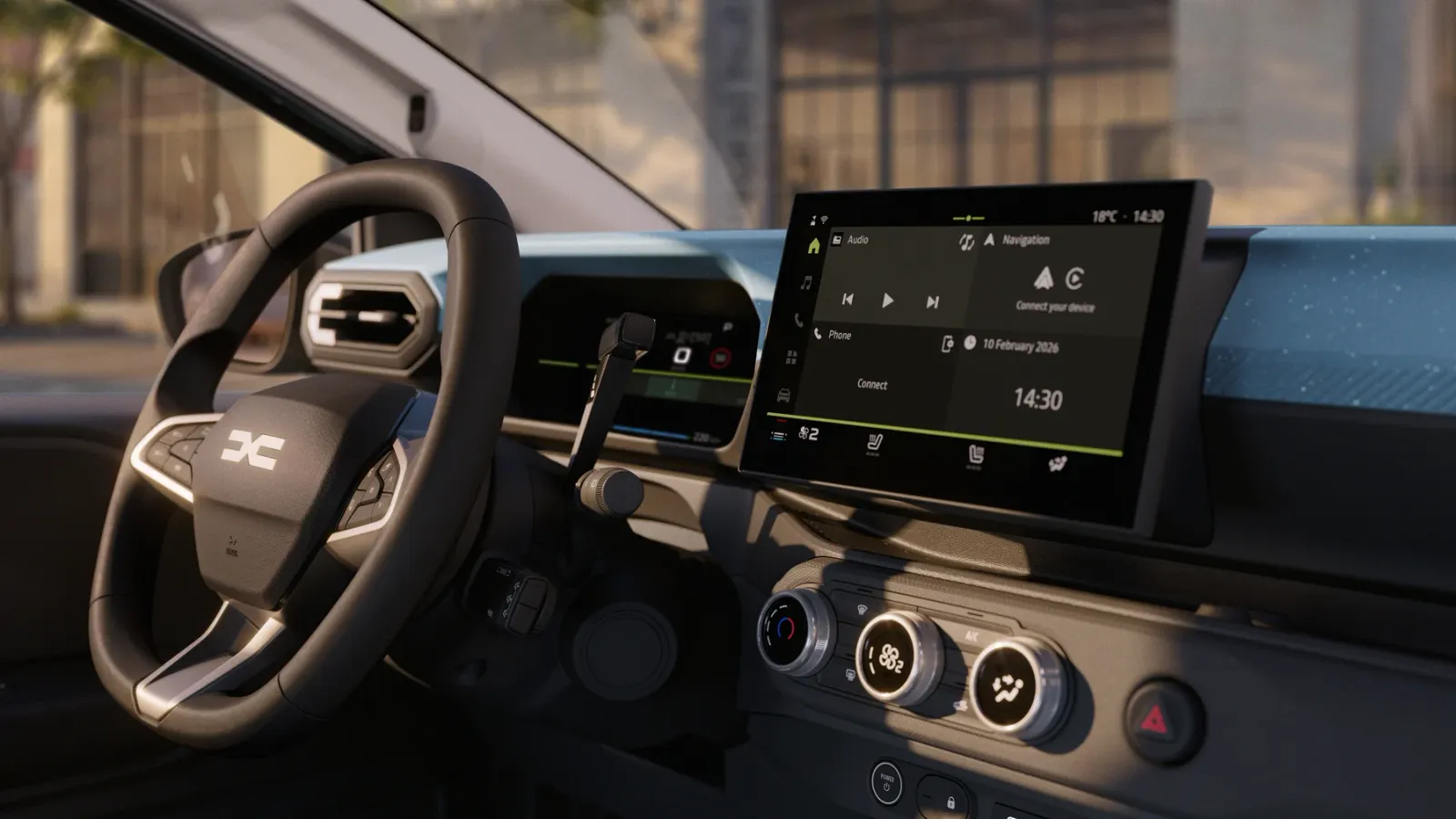
The generational change is also evident in the cabin. Every Spring is expected to come equipped with a 7-inch digital dashboard. In the base Expression version, a smartphone connected to the Media Control system can serve as the central multimedia screen. The higher-end Journey version will feature a 10.1-inch screen, wireless Apple CarPlay and Android Auto, navigation, and online services.
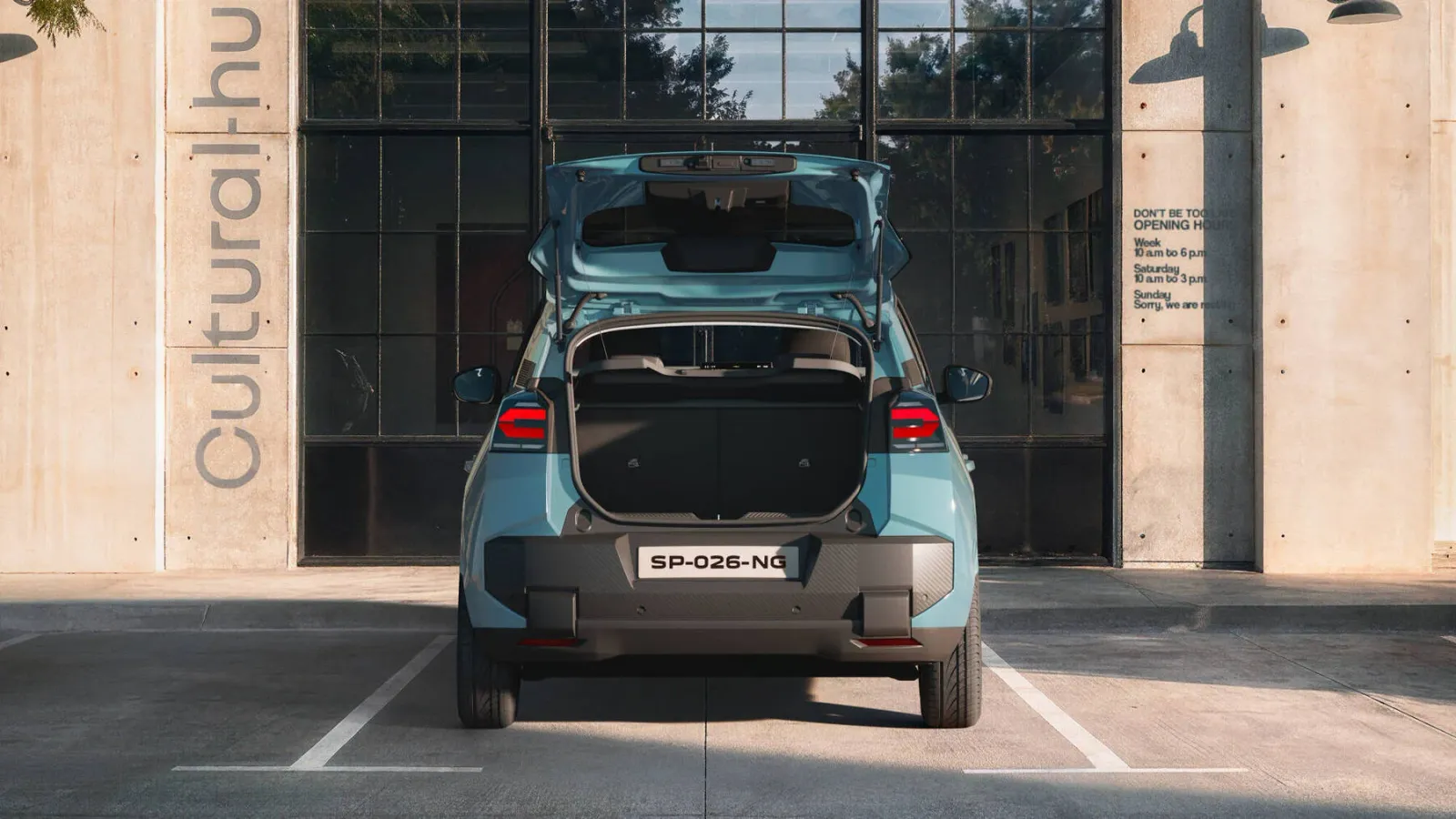
The trunk holds 337 liters, and 1283 liters when the seats are folded down. Optionally, an 18-liter compartment under the front bumper can also be ordered.
How much will the new Dacia Spring cost in Poland?
This is not known yet. Dacia has only confirmed that all versions of the new generation will cost less than 20,000 euros in Europe, which is approximately 86,000 zł at the current exchange rate.
France provides the first concrete reference point. The Spring Expression costs around 17,900 euros there, which is approximately 77,000 Polish zlotys. The Journey is priced at 19,400 euros, roughly 84,000 zlotys. However, these figures should not be directly applied to future Polish pricing lists.
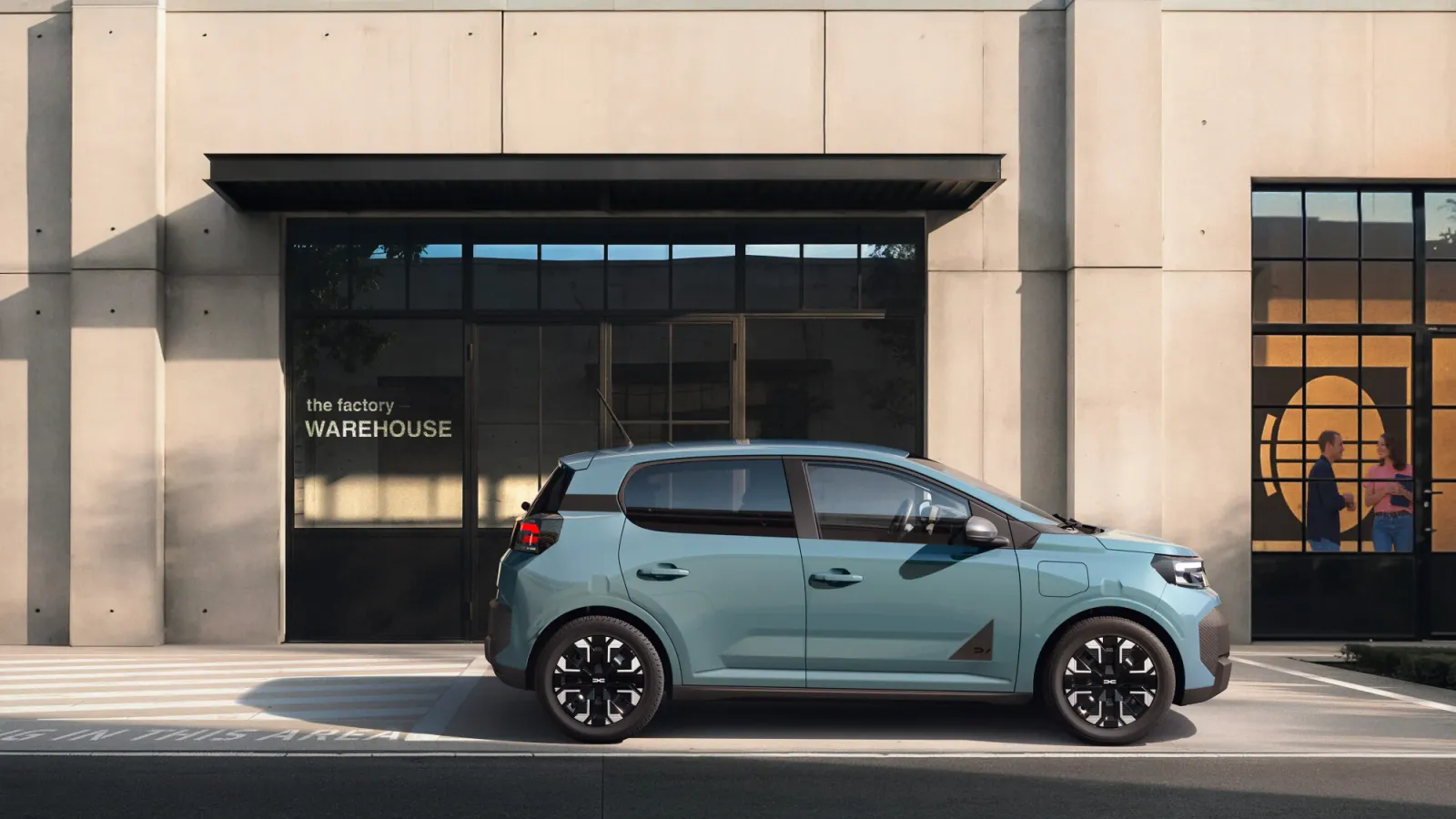
Interestingly, the current version of the Spring is even cheaper in Poland. Dacia’s official configurator shows a price starting at 73,500 zlotys for the Essential 70 KM version with a 24.3 kWh battery and a WLTP range of about 221-225 kilometers.
What competitors does Dacia have?
The most affordable option currently is the Leapmotor T03. Its listed price is 84,900 zł, but vehicles from the 2026 model year come with a discount of 11,000 zł, bringing the price down to 73,900 zł. Dealers also offer options such as 0% financing, though specific purchase terms should be checked at the respective dealership.
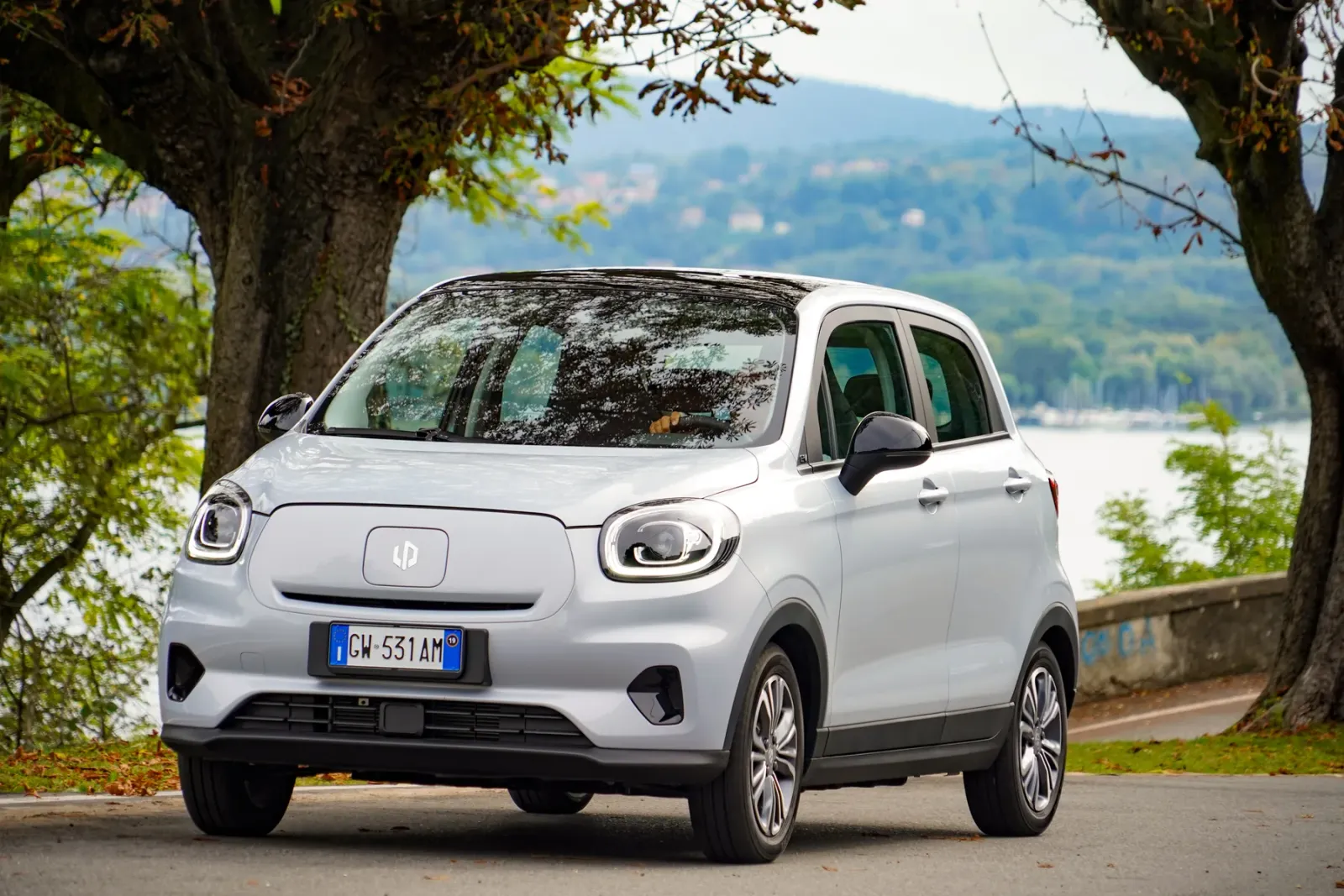
The T03 has 95 HP, a 37.3 kWh battery, and a WLTP range of up to 265 kilometers. The maximum DC charging speed is 45 kW. It is one of Spring’s most serious competitors today: it costs similarly, has a larger battery, and slightly greater range.
Citroen e-C3 – starting at 89,900 zł
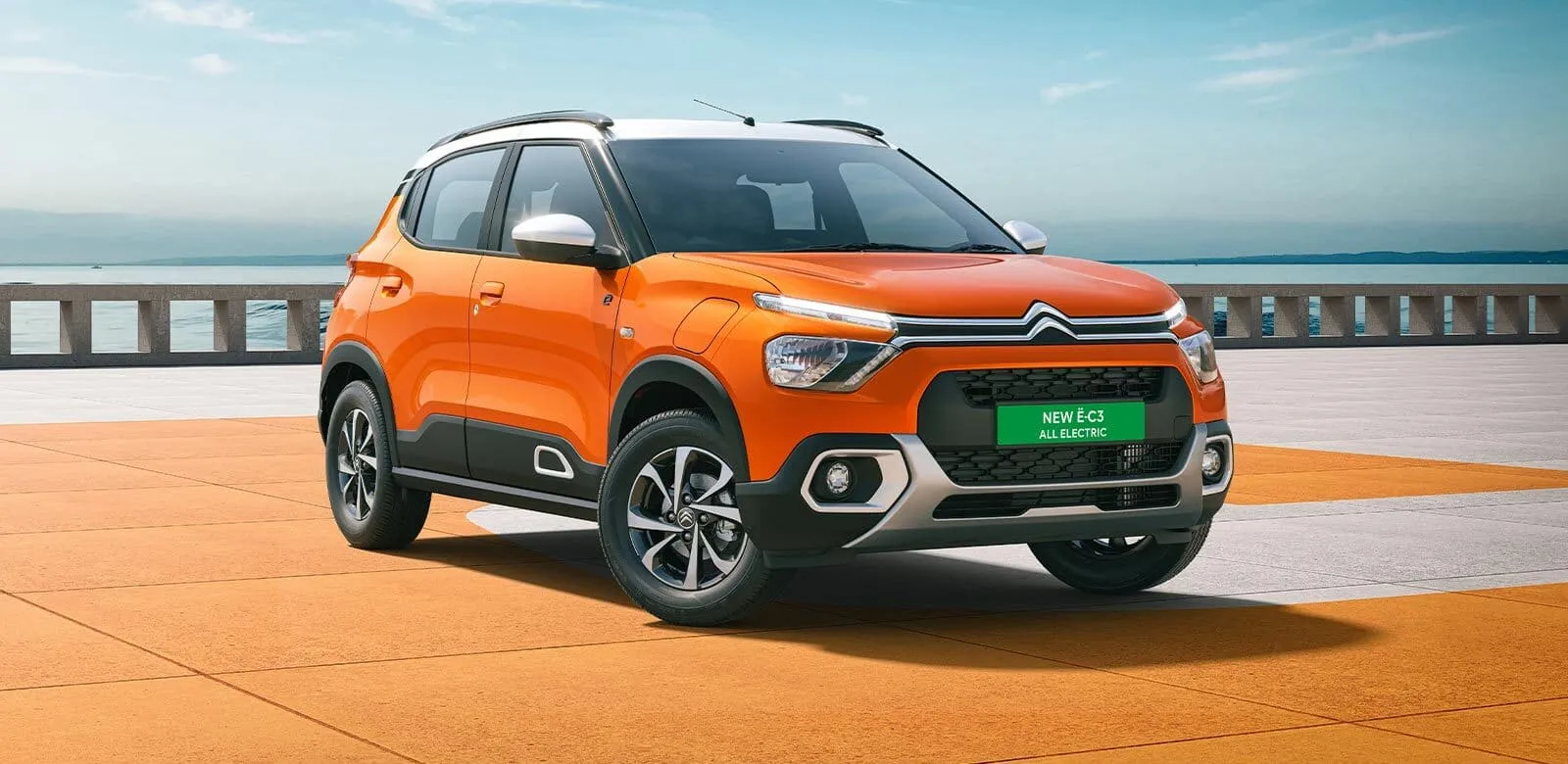
The Citroen e-C3 Urban Range currently costs from 89,900 zł. The e-C3 is already a significantly larger and more versatile vehicle than the Spring. It has 113 horsepower, a 29.4 kWh net LFP battery, and a WLTP range of 212 km in the Urban Range version. For a larger battery and a 326 km range in the Comfort Range version, one must pay 111,000 zł.
BYD Dolphin Surf – 92,900 zł on promotion
The BYD Dolphin Surf Boost is currently available for 92,900 zł. This is a promotional price for 2026 model cars purchased in cash, valid until September 30, 2026, or until stock runs out. It cannot be combined with other financing options.
It has 88 HP and a WLTP range of 322 km. Standard features include adaptive cruise control, rear-view camera, electrically adjustable seats, and a 10.1-inch screen.
This is clearly a more expensive option than the current Spring or T03, but it also offers a greater range.
Hyundai Inster – from 110,500 PLN
The base version of this Korean car currently costs from 110,500 PLN, although it was previously offered on promotion at 97,900 PLN. It has 97 HP and a battery with a capacity of 42 kWh. The higher variant comes with 115 HP and a 49 kWh battery.
The WLTP range reaches up to 355 km. The Inster is more expensive than the Dacia, but it also has a larger battery, faster charging, and significantly better off-road capabilities.
Fiat Grande Panda E – from 109,000 PLN
The Fiat Grande Panda sits just above the 100,000 zł threshold. The electric version has 113 HP and a 44 kWh battery. The Pop version costs 109,000 zł. A transportation fee of 500 zł is added to the price.
It is therefore more expensive than the Spring, but it is also significantly larger and may be better suited as the only car in a household.
The new Spring will no longer have a market of its own
The first generation of Spring could win primarily on price for a long time. The second one enters a much more competitive market. The new Spring relies on European production, a larger body size, 80 horsepower, a range of 250 kilometers, and still a relatively small battery. However, the most important figure is still missing. If the Polish price stays around the French price of 77,000 zł, Dacia will remain among the cheapest electric cars. If it approaches 85,000 zł, things will get a bit harder for it.
Piotr Sobczyk