
The new Volvo XC60 is a case study for three reasons
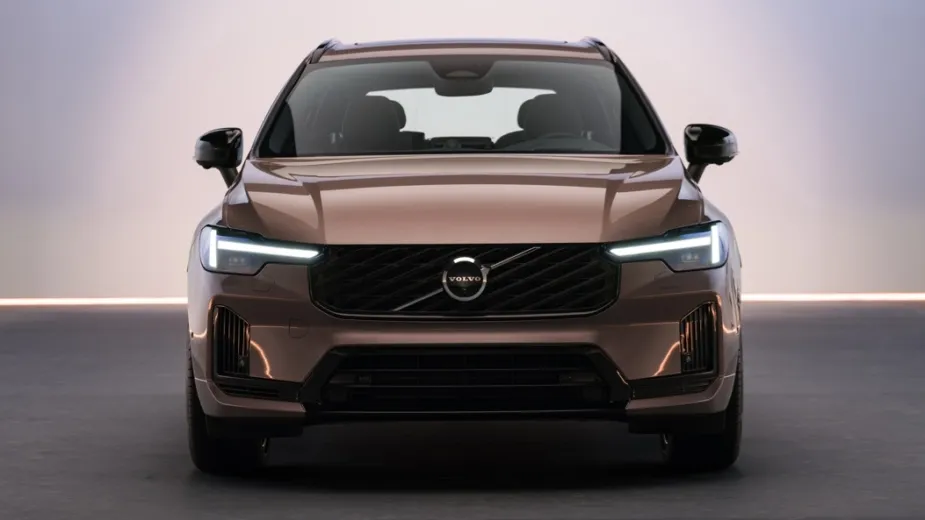
It’s not a new car; it’s an update to a model that was launched almost 10 years ago. And no one seems to care because the Volvo XC60 continues to sell well.
The automotive industry has changed dramatically over the past 10 years. Diesel engines dominated, electric cars were a distant dream, and PHEVs were just beginning to gain traction. For those who remember what the world was like a decade ago — and we all do — things are very different now.
But in the corner of the room (or garage, in this case…) sits the Volvo XC60. Discreet, calm, selling like hotcakes, and almost indifferent to all the turmoil shaking up the automotive industry. I don’t say completely indifferent, because Volvo’s best-selling SUV has been evolving slowly over time. Well, enough about that...
The truth is that the new Volvo XC60 unveiled yesterday isn’t that new after all. It’s an updated version of the model introduced by the Swedish brand back in 2017 — almost 10 years ago.
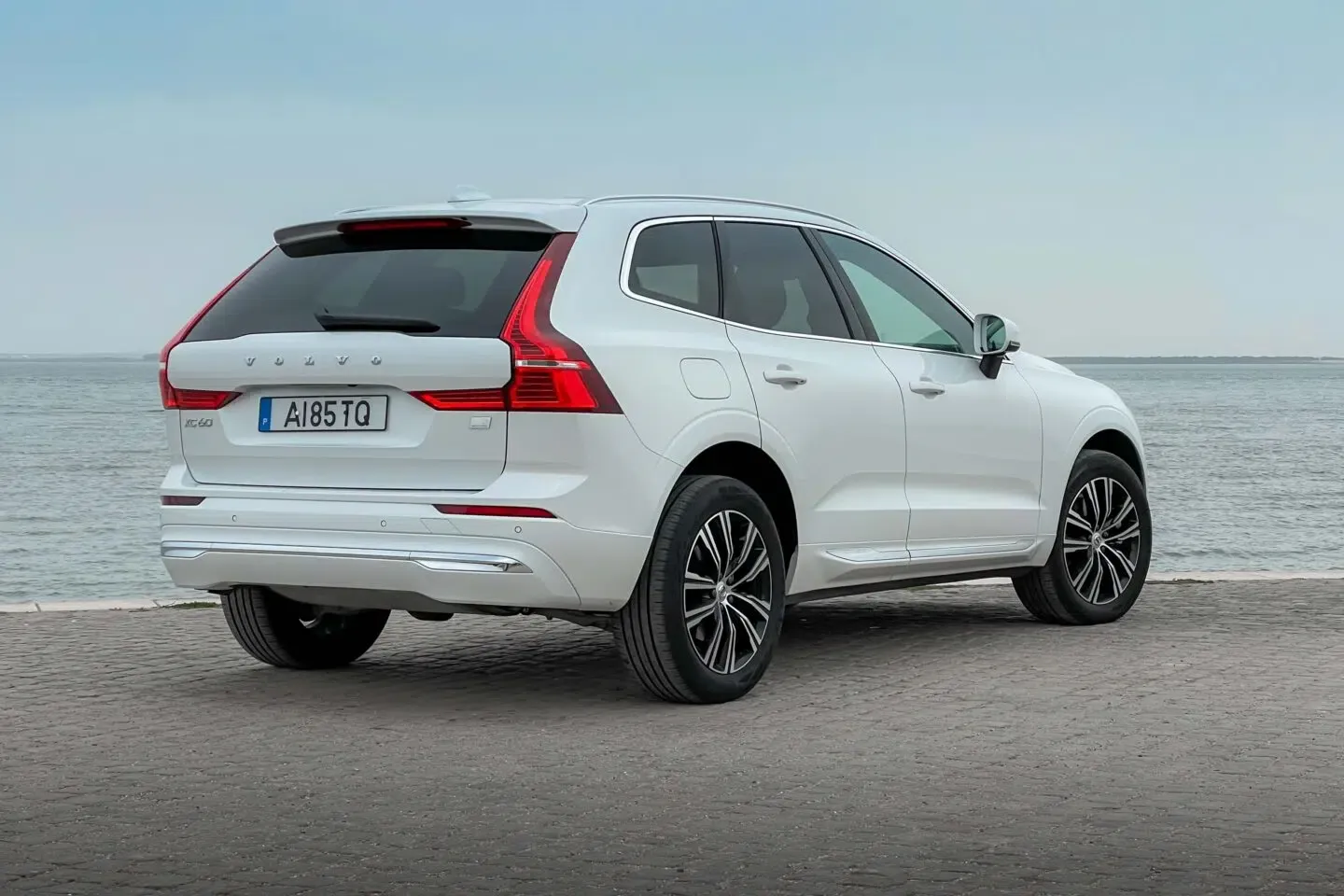
After such a long time, it might have been struggling in the market, but that’s not the case. In 2025, it was the best-selling premium PHEV SUV in Europe. And it may repeat this achievement this year, as shown by the sales figures in this article by Mariana Teles.
That’s why I truly believe the Volvo XC60 is a case study. For three reasons, two of which have already been mentioned: longevity and commercial success.
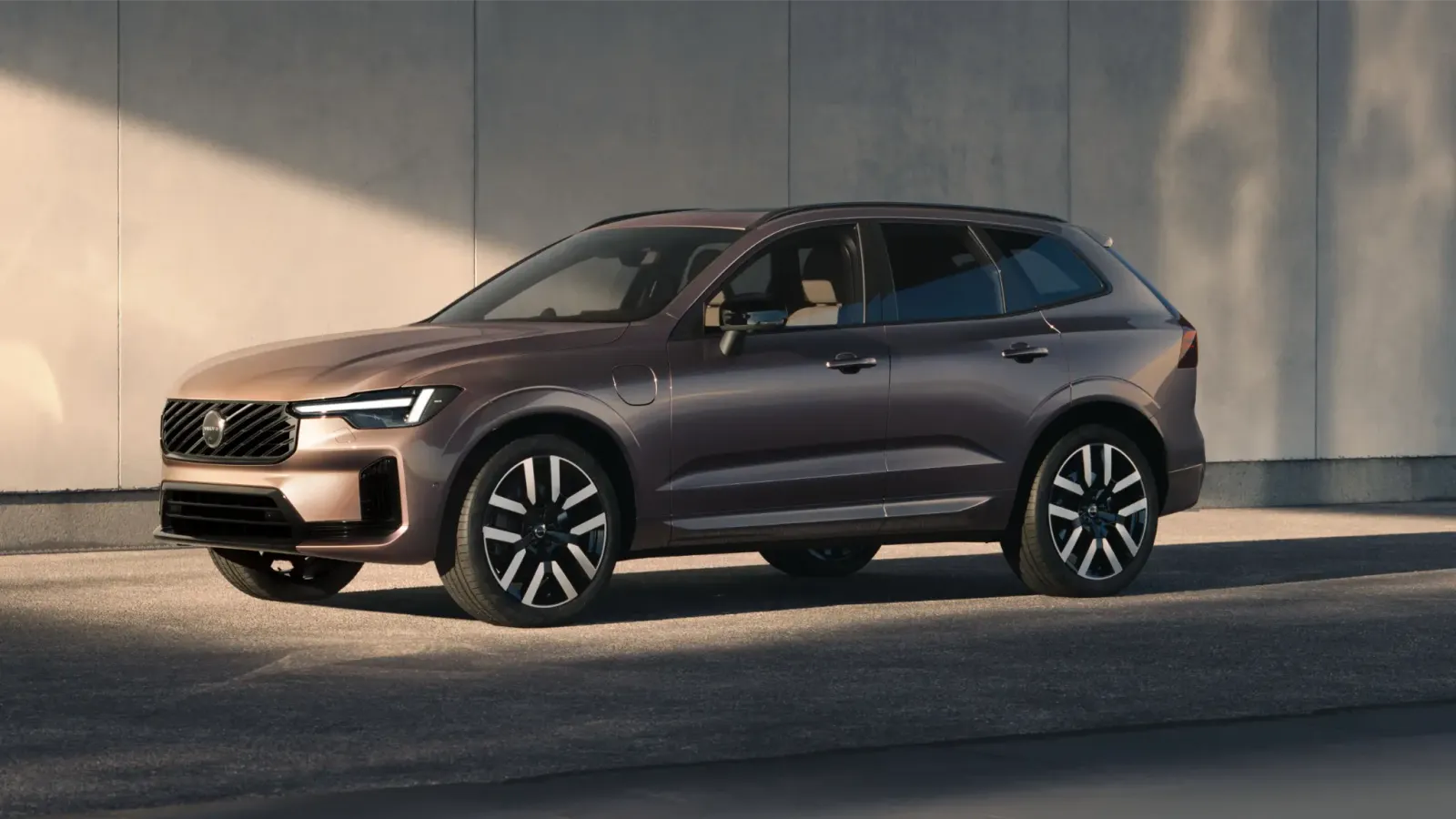
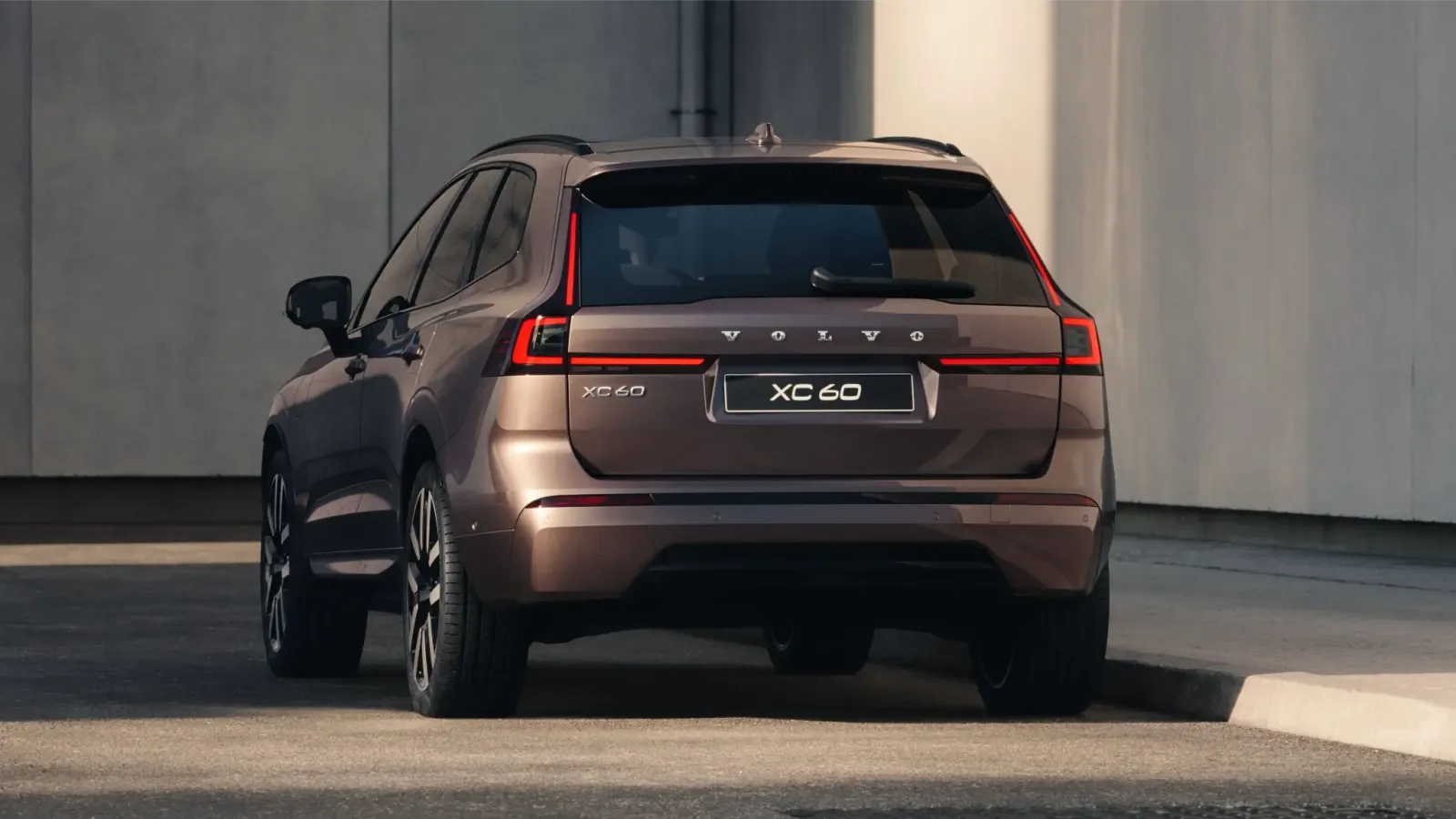
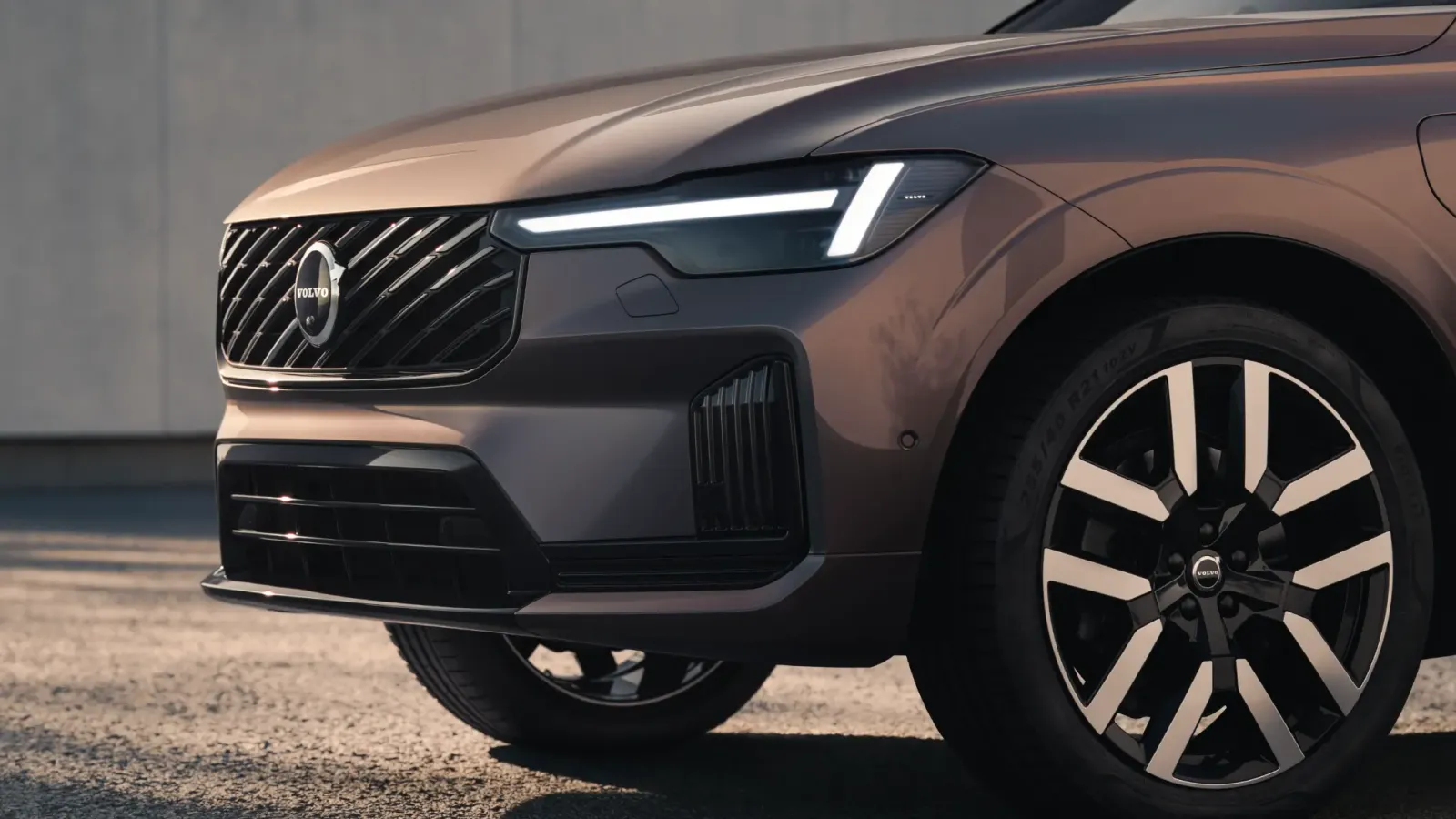
Looking solely at the appearance, the transformation for 2026 is the greatest yet. Still, the core design elements remain unchanged. It’s no wonder Volvo has made little to no changes to the XC60. “You don’t touch a winning team,” right?
In this segment, more than in any other, image matters. And it seems there are still customers who prefer Scandinavian sophistication—simple lines that appear timeless, less noise. But fine. The Volvo XC60 isn’t the first model (and won’t be the last…) to succeed with its design by repeating the same formula almost unchanged—yes, I’m talking about you, Porsche 911.
4 images
The third reason, and the one that impresses me the most, is indeed the technological longevity of the SPA (Scalable Product Architecture) platform that forms the basis of the XC60. It’s worth remembering that when it was launched in 2017, the lineup still included diesel engines.
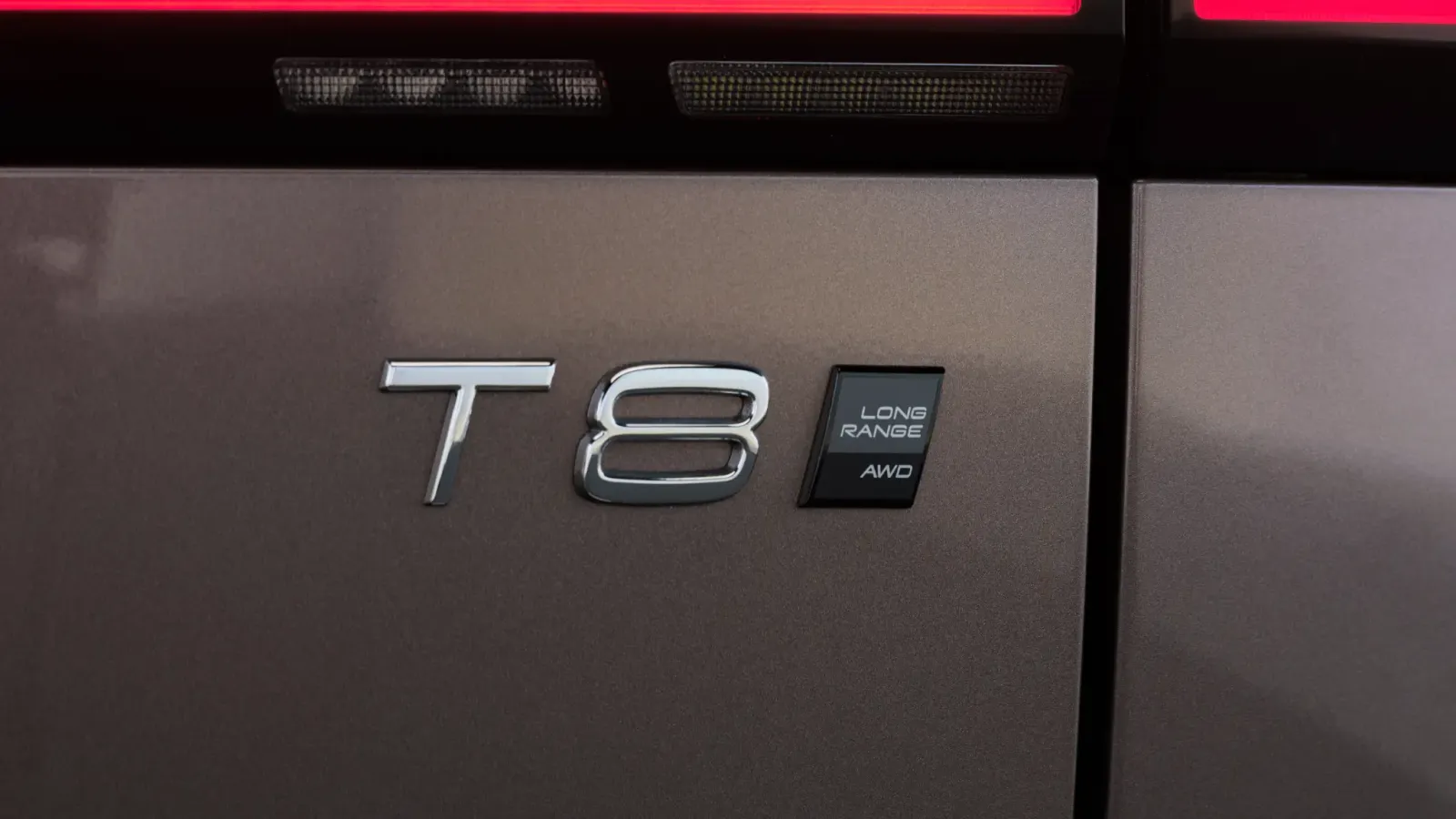
Today, on the same platform that has previously housed purely internal combustion engines, Volvo has managed to fit in a thermal engine, an electric motor, and a massive battery with a capacity of 41.2 kWh. There are electric cars with smaller batteries. Therefore, it is truly remarkable how the Swedes have managed to extend the lifespan of this platform and incorporate new technologies into it. Perhaps they learned from IKEA...
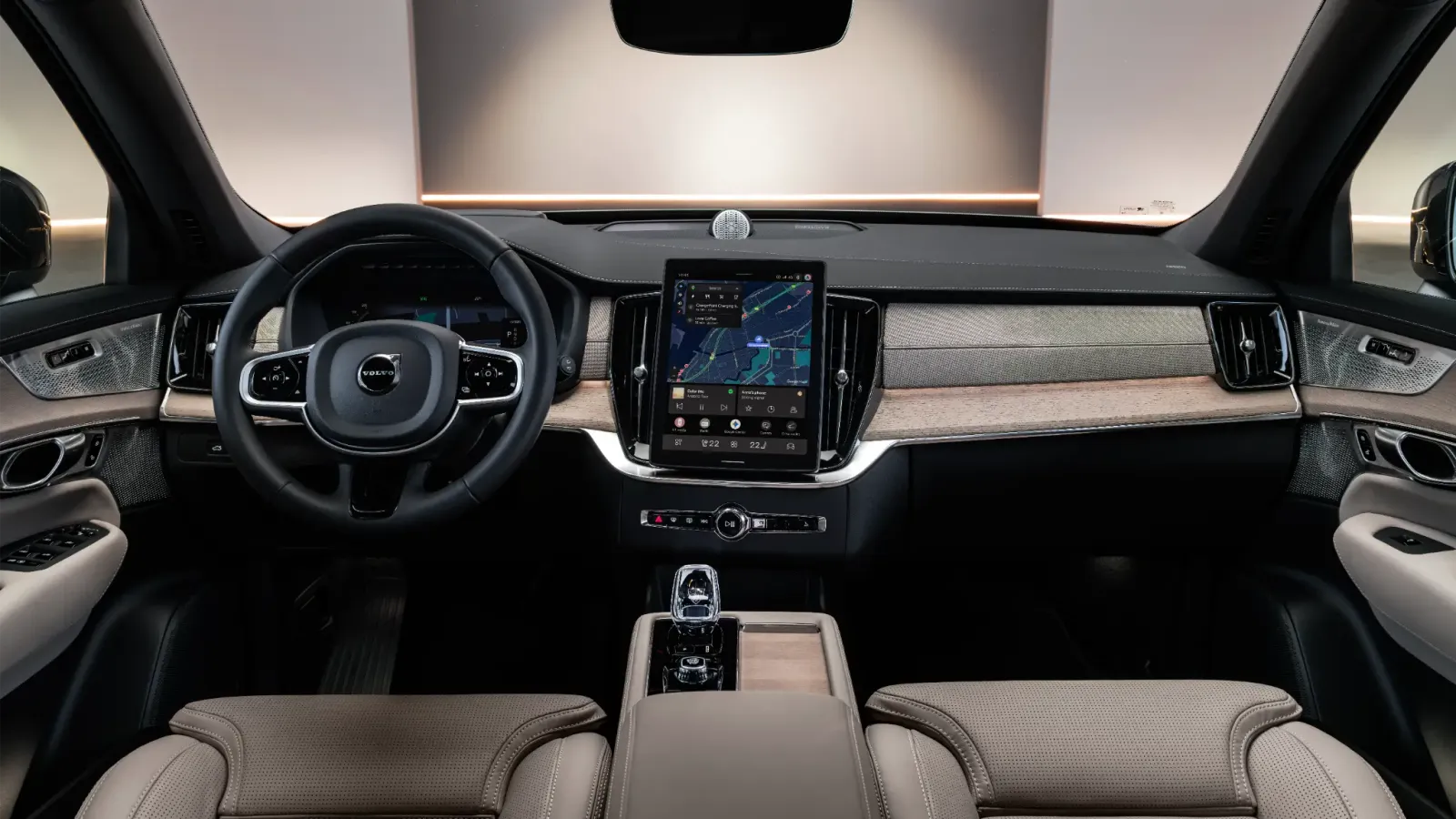
Inside, we also find an infotainment system based on Google. But the novelty lies in the integration of artificial intelligence—a technology that 10 years ago was reserved for science fiction movies and research centers at the best universities and companies.
Perhaps this reveals a bit of the project’s age, as the integration of the screen into the console remains somewhat cramped, despite it having grown to 11.2″ in size.
Given all this, did Volvo really need to keep doing this “gymnastics”? With Geely’s financial and technological strength backing the Swedish brand, I don’t think so. But if customers continue to like it and competition remains under control, why change?
We can also look at this from another angle: Volvo had plans to go 100% electric but was caught off guard, without time to develop a completely new model from scratch. That’s why they kept the XC60 in use. It makes sense, but again, why? The wrinkles on the Volvo XC60 keep accumulating.
Anyway, now that I’ve also entered the “40s,” I must admit I’m starting to see some value in stability. And perhaps that’s exactly what the Volvo XC60 represents in the Swedish brand’s lineup: stability. In terms of sales and profits. After all, its younger, 100% electric sibling, the Volvo EX60, is already helping to cover the costs: