
New Dacia Spring: What are the differences and price gap compared to the Renault Twingo electric?
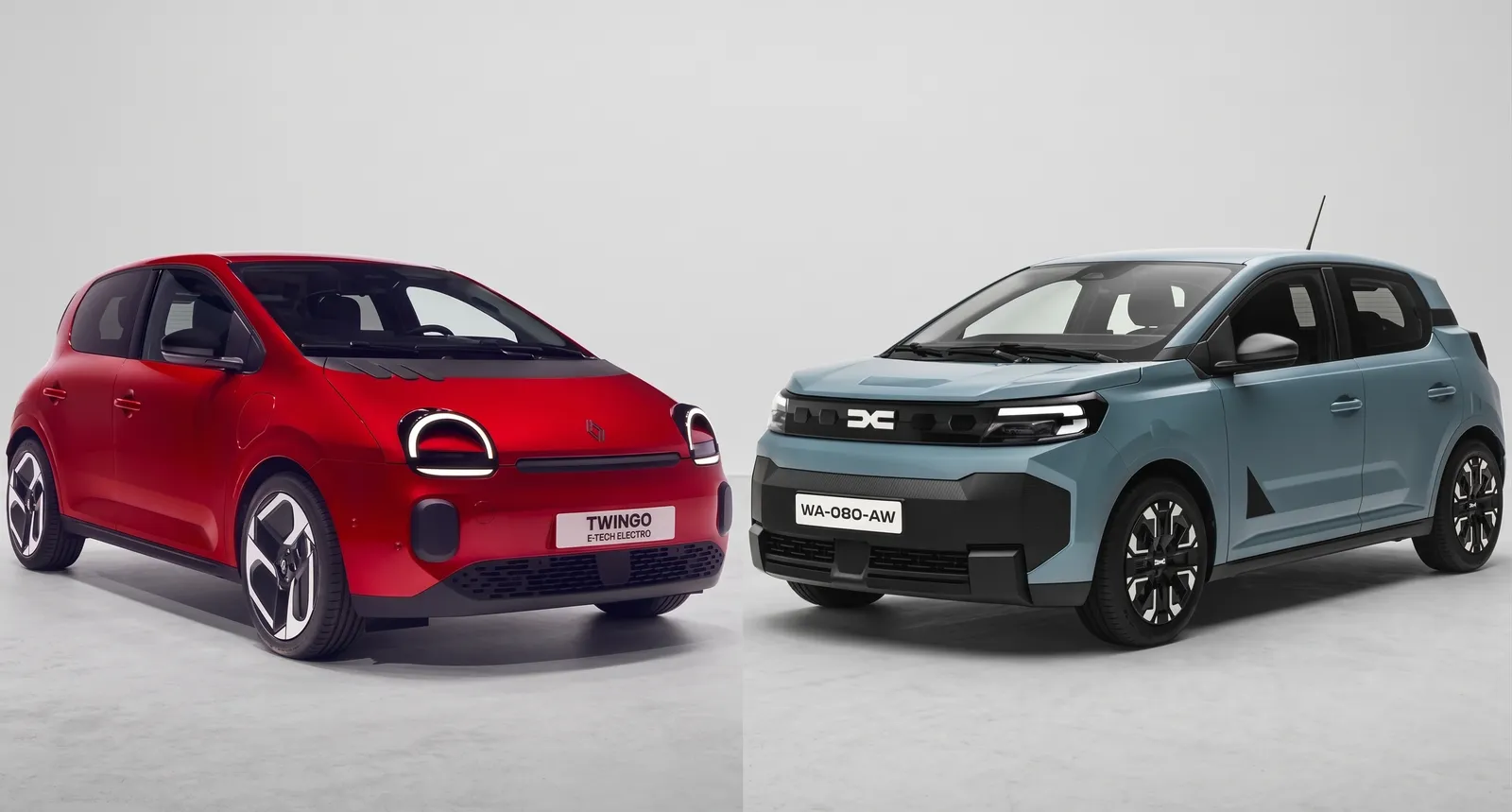
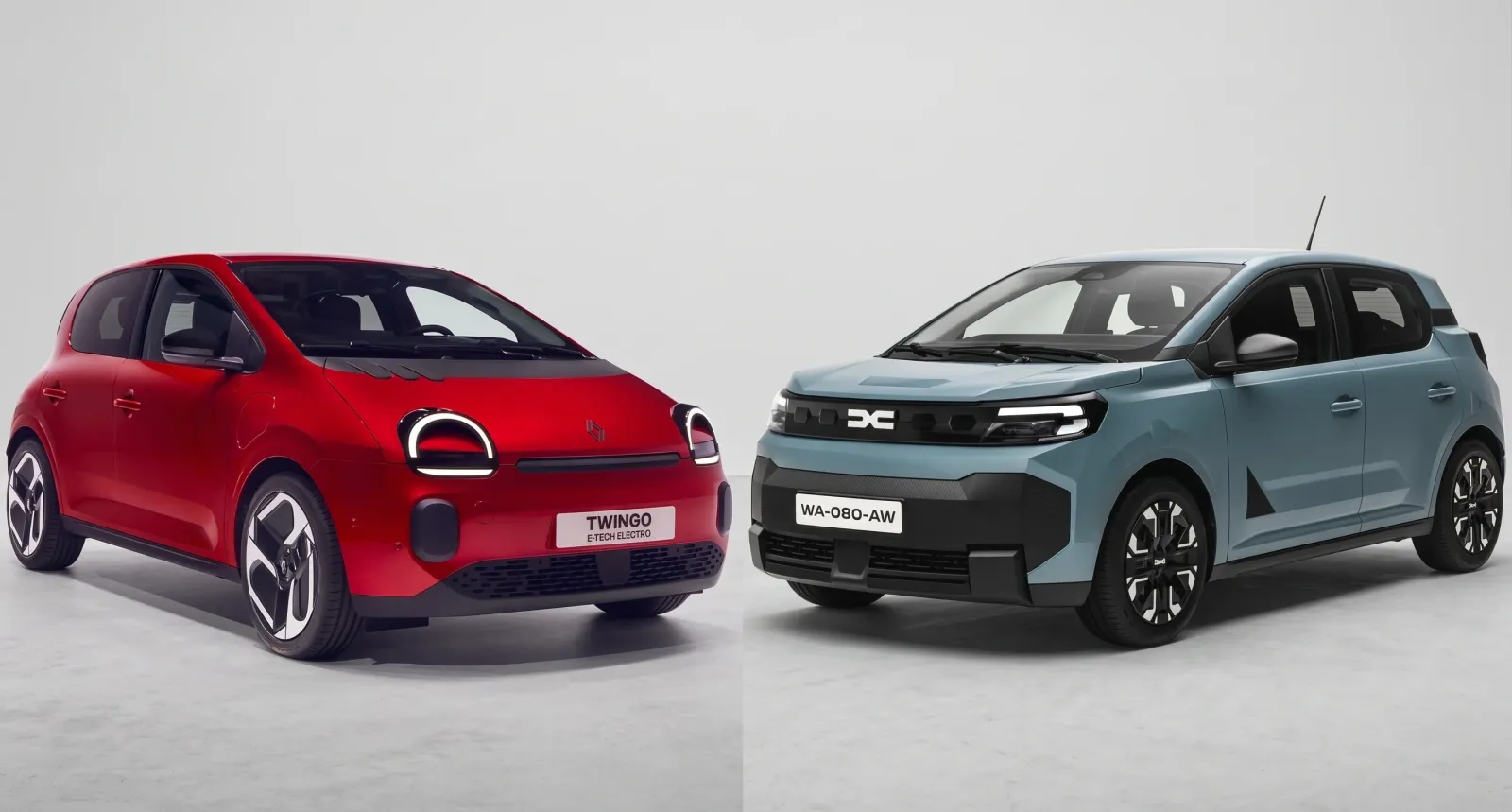
The second generation of the Spring was designed based on the new electric Twingo. Look, features, price: what sets these two models apart?
This Spring was developed using the new electric Twingo as its foundation, which itself was conceived in just two years by drawing inspiration from Chinese methods. This isn’t merely a logo change like what’s seen in the automotive industry, with only a revised grille and bumper!
Also read
Dacia Spring 2: price, range… everything you need to know about the new generation and our first impressions inside
What are the differences?
However, 75% of the components are shared, even though it’s not obvious when viewing the cars. The remaining 25% mainly affect the exterior design! It’s indeed impossible to confuse the two vehicles. Building on the Twingo’s structure, Dacia’s designers created a radically different car—one that’s more minimalist and angular. It features a cuberoid appearance emphasizing length, as this Spring is 6 cm longer than the Twingo at 3.85 meters. The width remains the same (1.72 m), while the Spring is 2 cm taller (1.52 m).
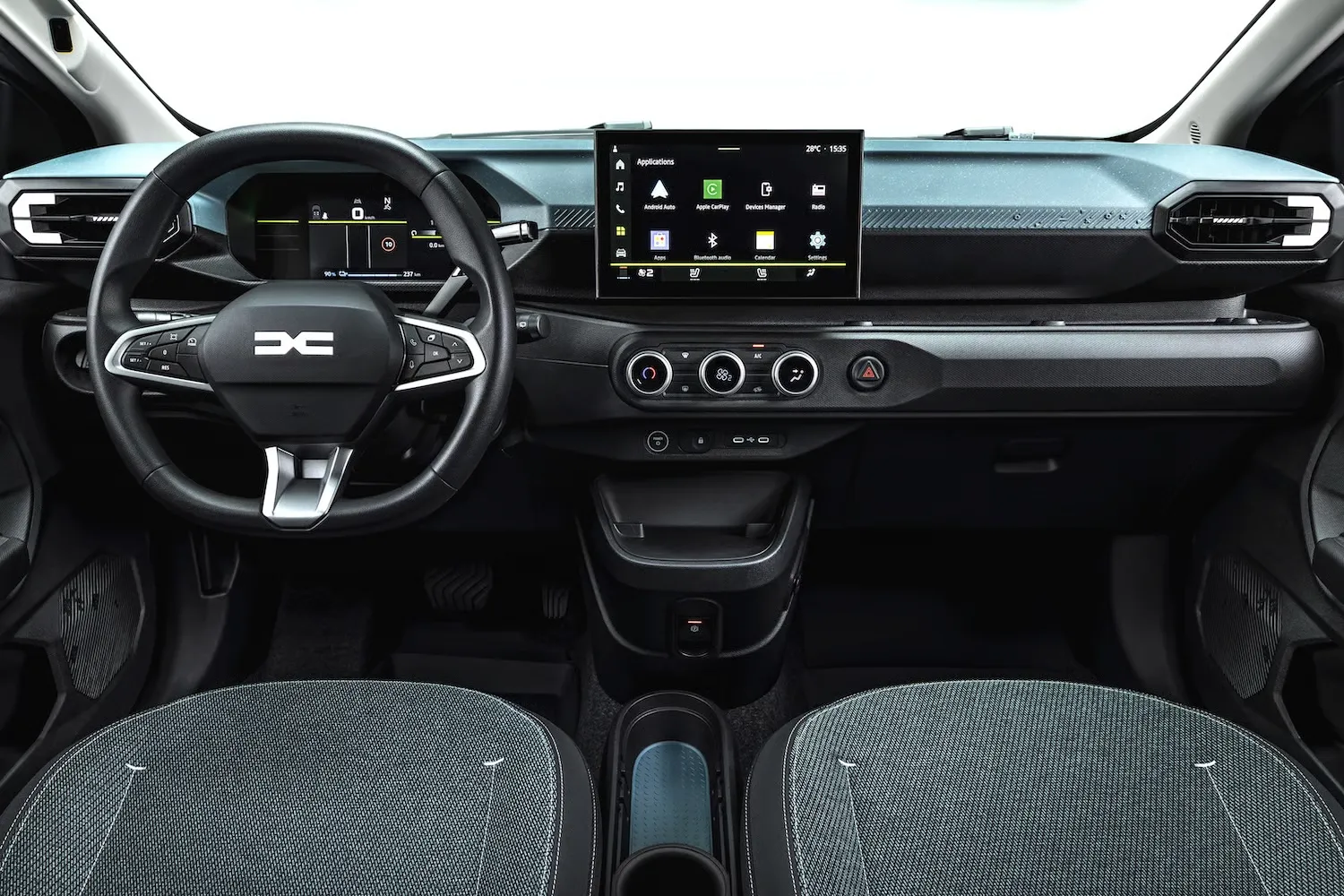
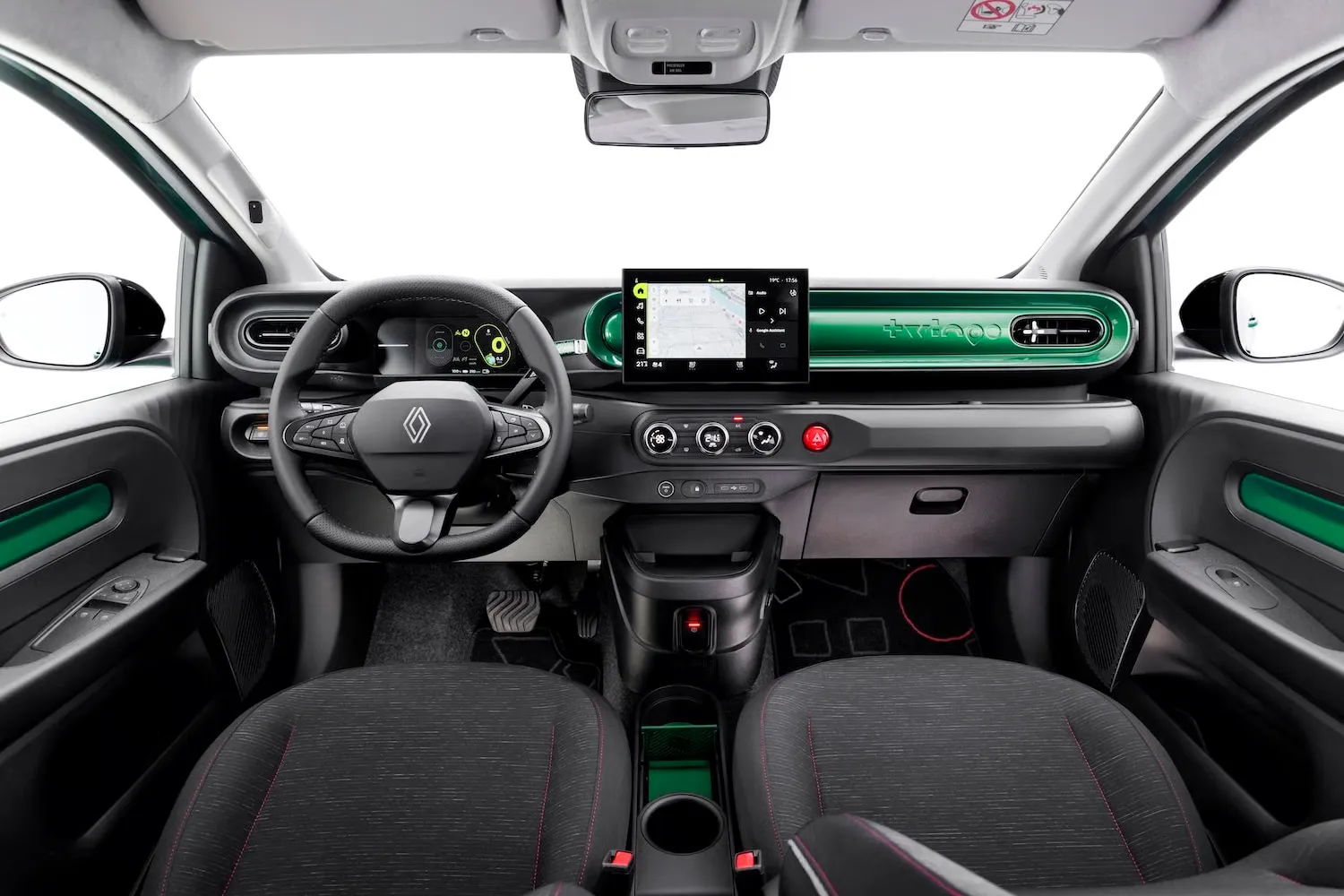
Inside, the differences are less significant. At the front, they focus on the upper part of the dashboard, with a design specific to the Spring. The air vent designs have been revised, as well as the graphics on the screens. The Twingo offers a more refined appearance thanks to door inserts in the same color as the body. A major difference lies actually at the back. The Twingo features two independent, sliding seats for better versatility, while the Spring comes with a fixed bench seat.
Technically, nothing has changed. The engine (60 kW), battery (LFP 27.5 kWh), and charging options (6.6 kW AC in series, 11 kW AC + 50 kW DC as an option) remain the same. While both models lack a heat pump, the Twingo features One Pedal mode, whereas the Spring has Mode B.
What are the price and equipment differences?
The Twingo already stood out with a starting price of 19,490 €, an impressive feat for an electric city car with a 263 km range produced in Europe. Naturally, to align with the group’s strategy, the Dacia must be even more affordable. And it is, starting at 17,900 €.
At this price, it comes with the same specifications as the Twingo. In terms of equipment, it includes the essentials such as manual air conditioning, electric mirrors, rear parking sensors, and lane-keeping assist as standard.
The base Twingo is therefore 1,590 € more expensive. But it’s better equipped. Aside from its more advanced modularity with independent, sliding seats in the back, it comes standard with a 10.1-inch touchscreen along with wireless Apple Car Play and Android Auto connectivity. It also has a more attractive appearance thanks to 16-inch wheels (compared to 15 in the Dacia) and a brighter standard color (yellow instead of white).
In the high-end Journey trim, the Spring costs 19,400 €, which is almost the same as the base Twingo price including a touchscreen and navigation system. It also comes with hands-free access and a rear camera. The Twingo still has the advantage of its modularity... but that’s about it.
To get the rear camera and hands-free access in a Renault model, you need to upgrade to the 21,090 € tech version. At this price point, you also get automatic high beams, adaptive cruise control, a foldable passenger seat backrest, One Pedal mode, and automatic climate control—features not available on the Dacia.
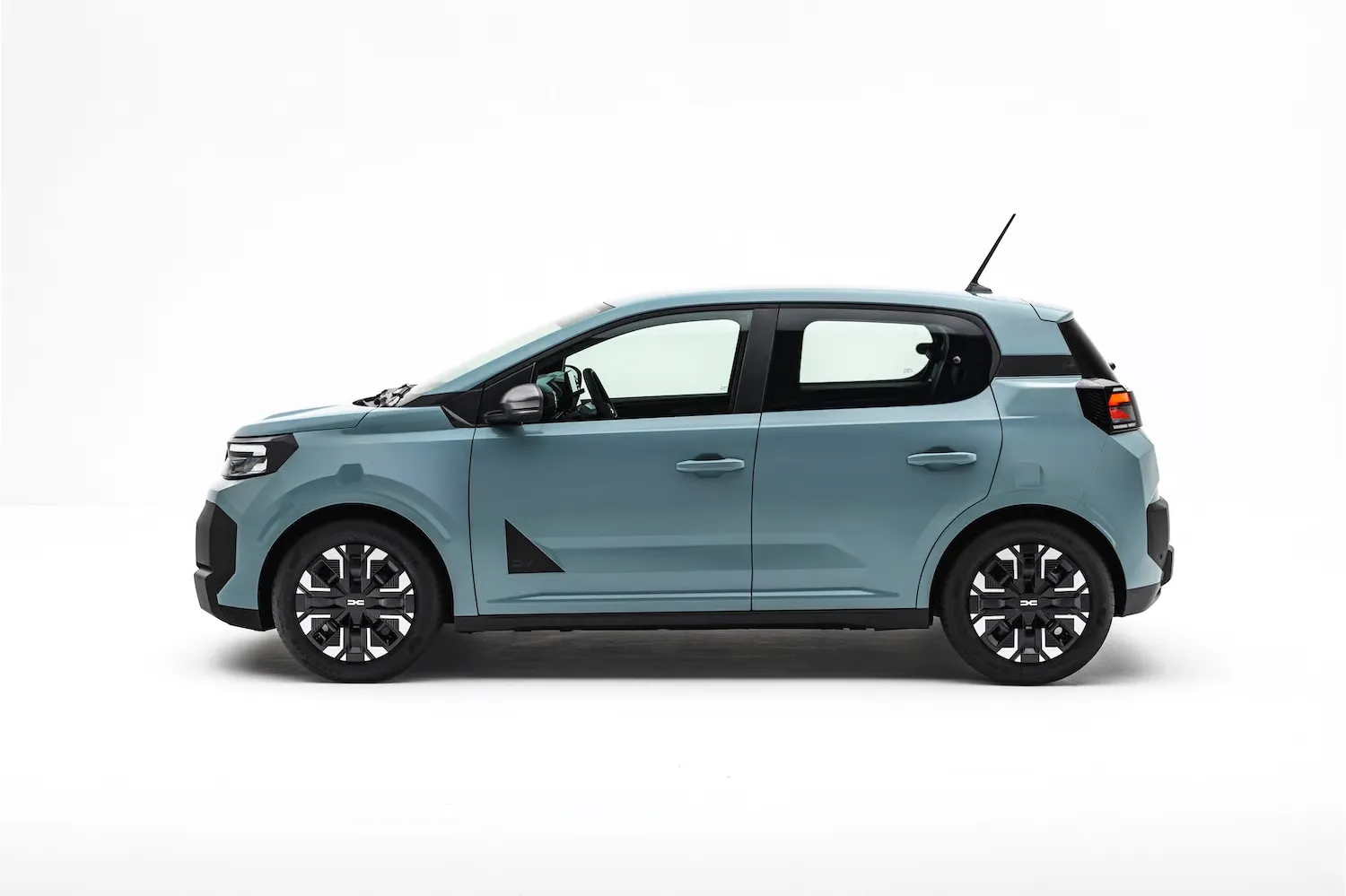
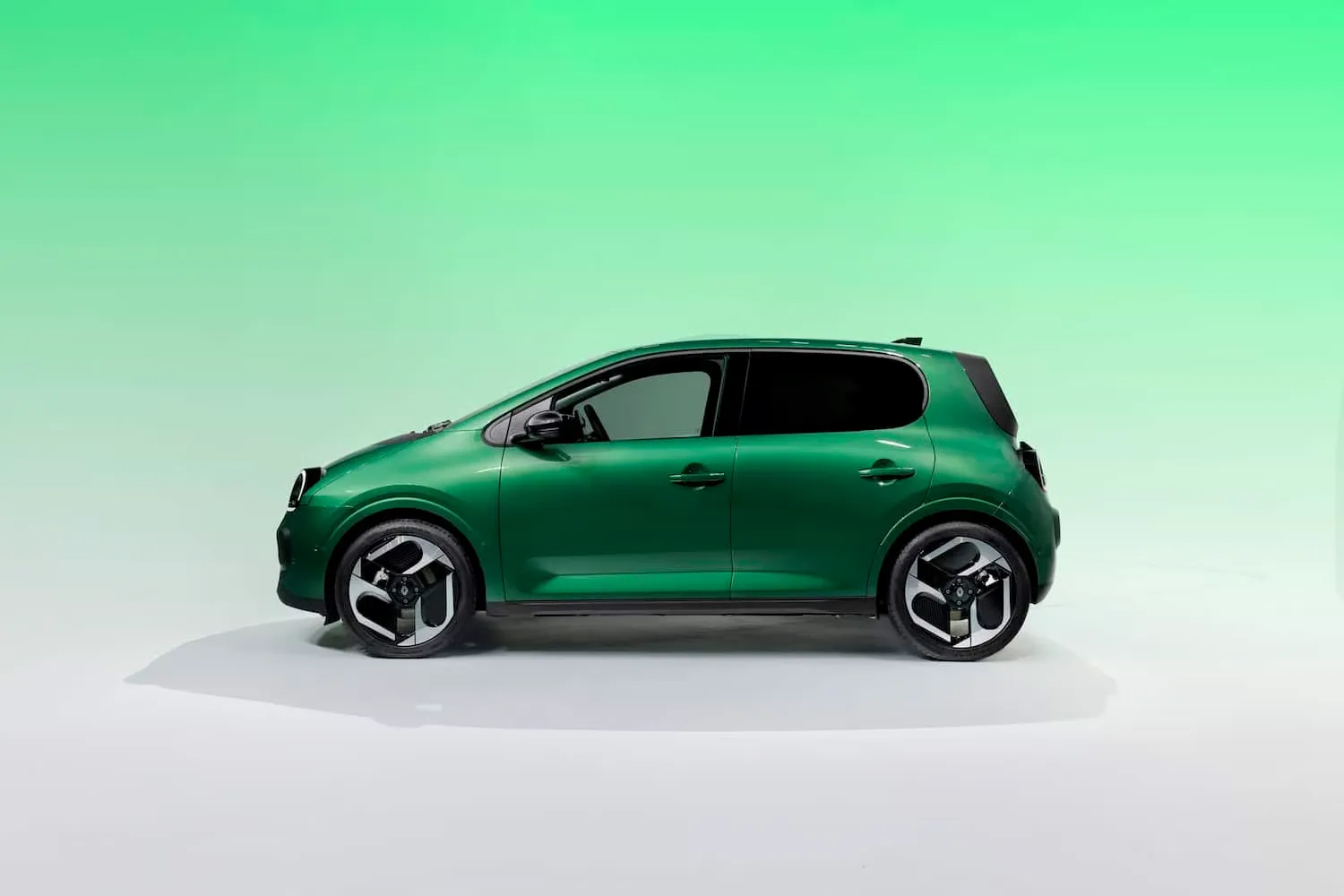
The price difference isn’t that significant...
We can imagine that Renault had to solve a complex equation for this duo, as ultimately the Dacia Spring is technically identical to the Twingo and is manufactured in the same factory. Since the Twingo already comes at a competitive price, the difference ultimately lies only in the standard equipment, which is reduced compared to the Dacia version. The Dacia Spring is 1,590 € cheaper, but it comes with fewer features. If the standard equipment were similar, there wouldn’t be much of a price difference!
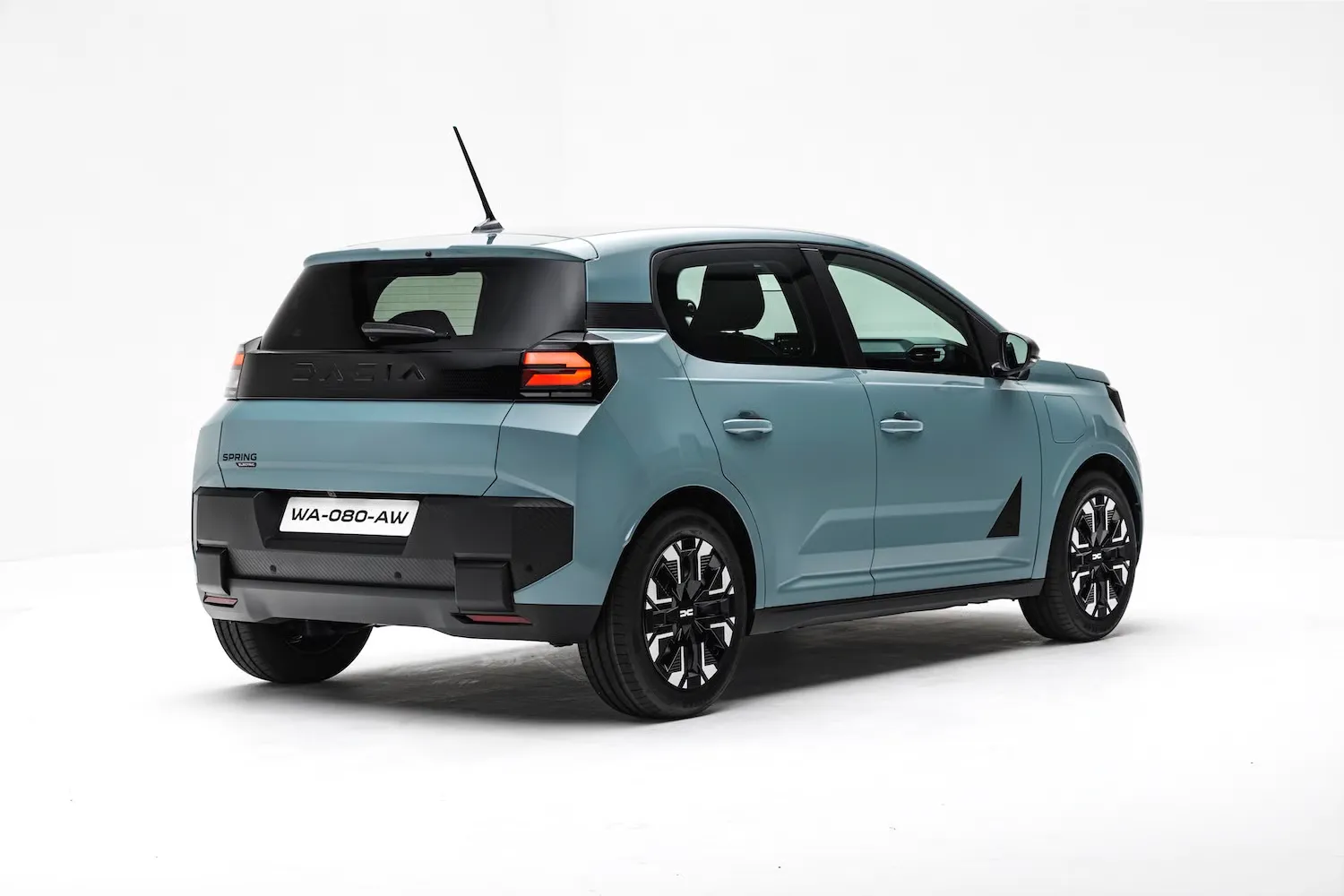
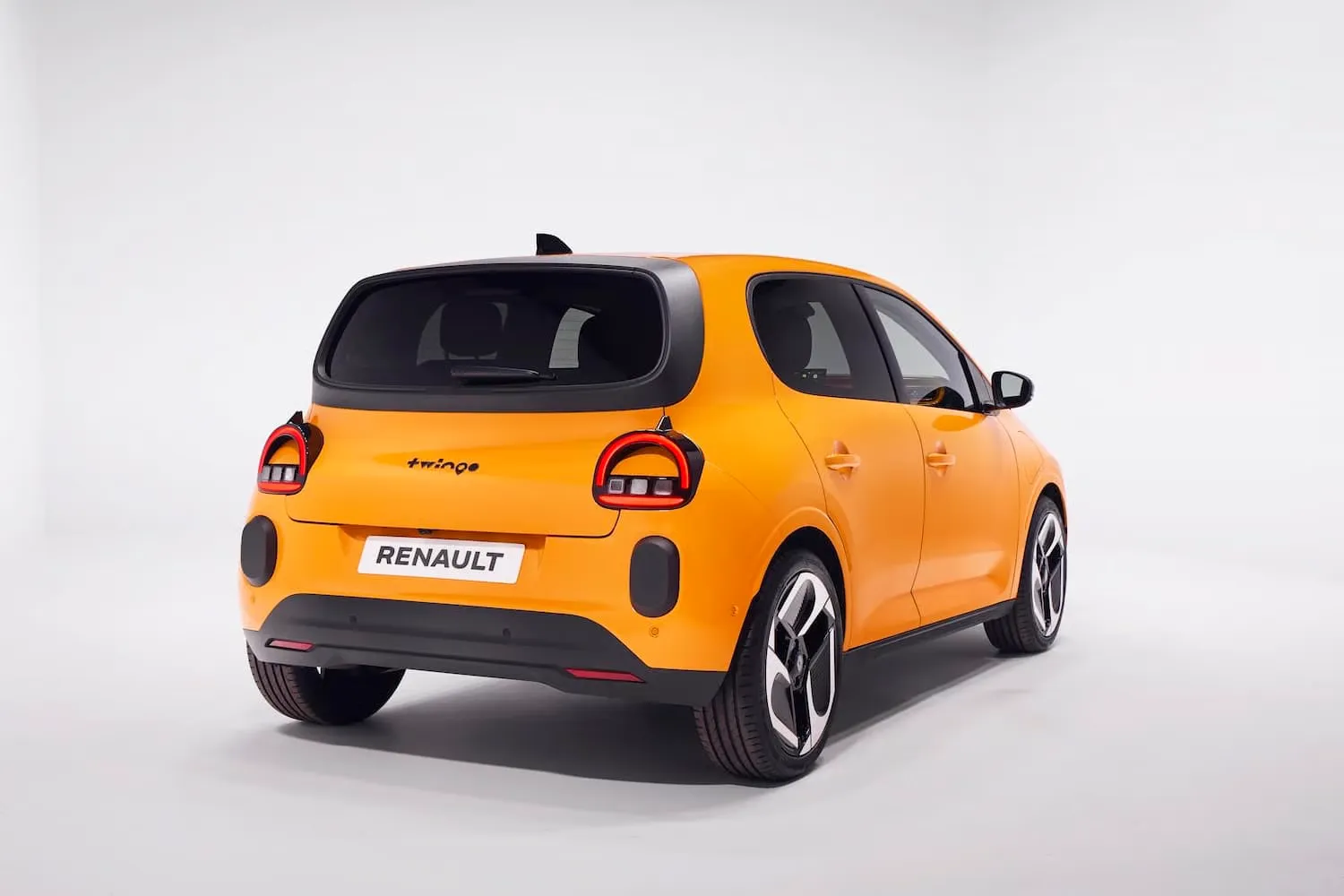
The advantage of the Dacia lies in its lower price point, achieved by omitting features that customers can easily do without if they are primarily looking for a affordable car suitable for daily short trips. However, the issue might stem from its marketing strategy. Dacia is known for offering no discounts at all. If a small concession can be secured from Renault, the Twingo would bridge the gap by having better equipped options.
We still believed that if Renault needed Dacia to improve the profitability of the Twingo platform, it wasn’t about creating a dangerous rival within the company. Ultimately, the goal is to achieve complementarity: a more modest and less equipped Spring alongside a funnier and more technologically advanced Twingo, allowing customers to choose between different philosophies and thus attracting two distinct types of clientele—one possibly more urban, the other more rural.
Also read
New Dacia Spring: What does the base version under 12,000 € look like?