
New electric Alpine A110: an initial look at its design
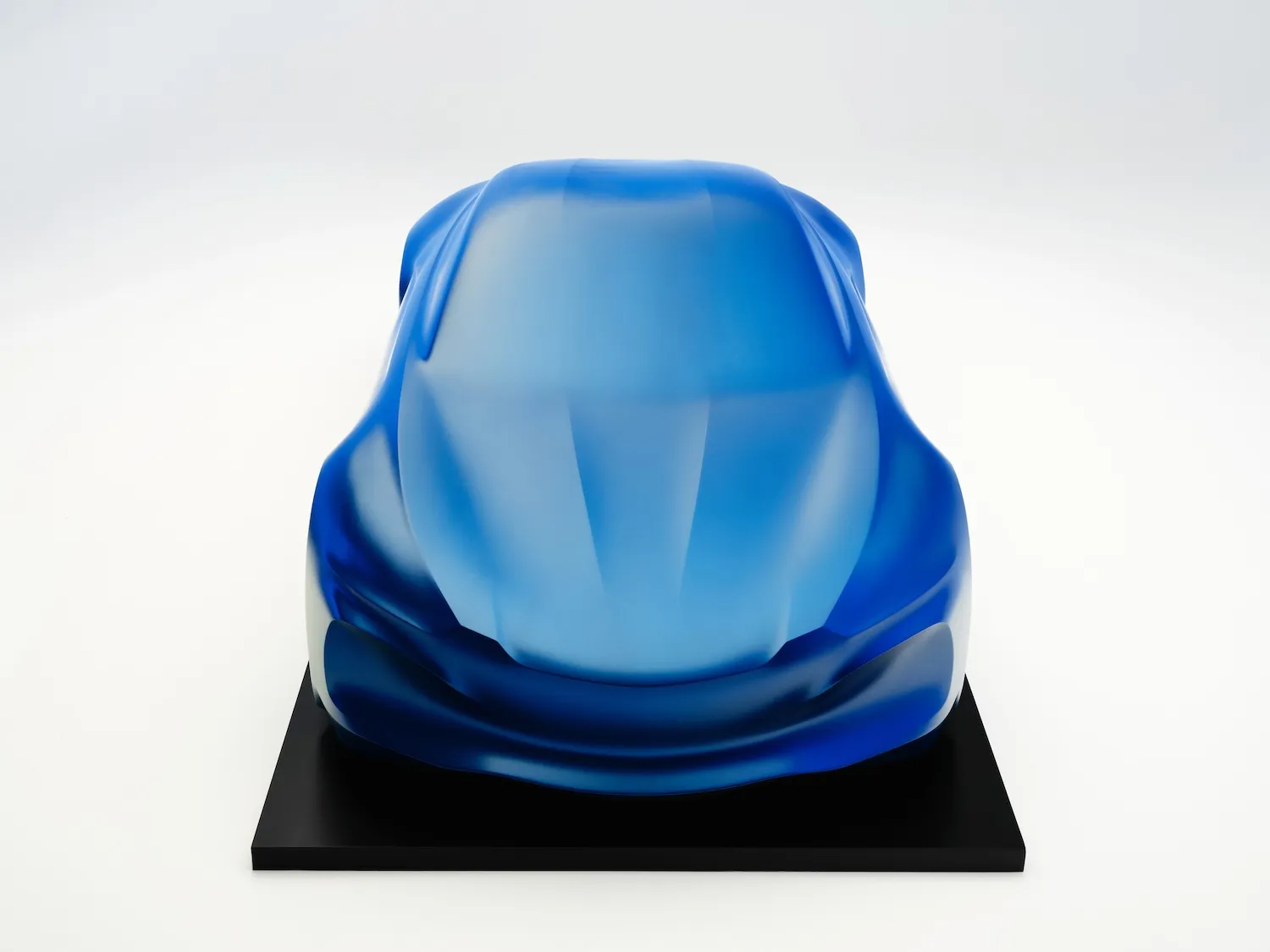
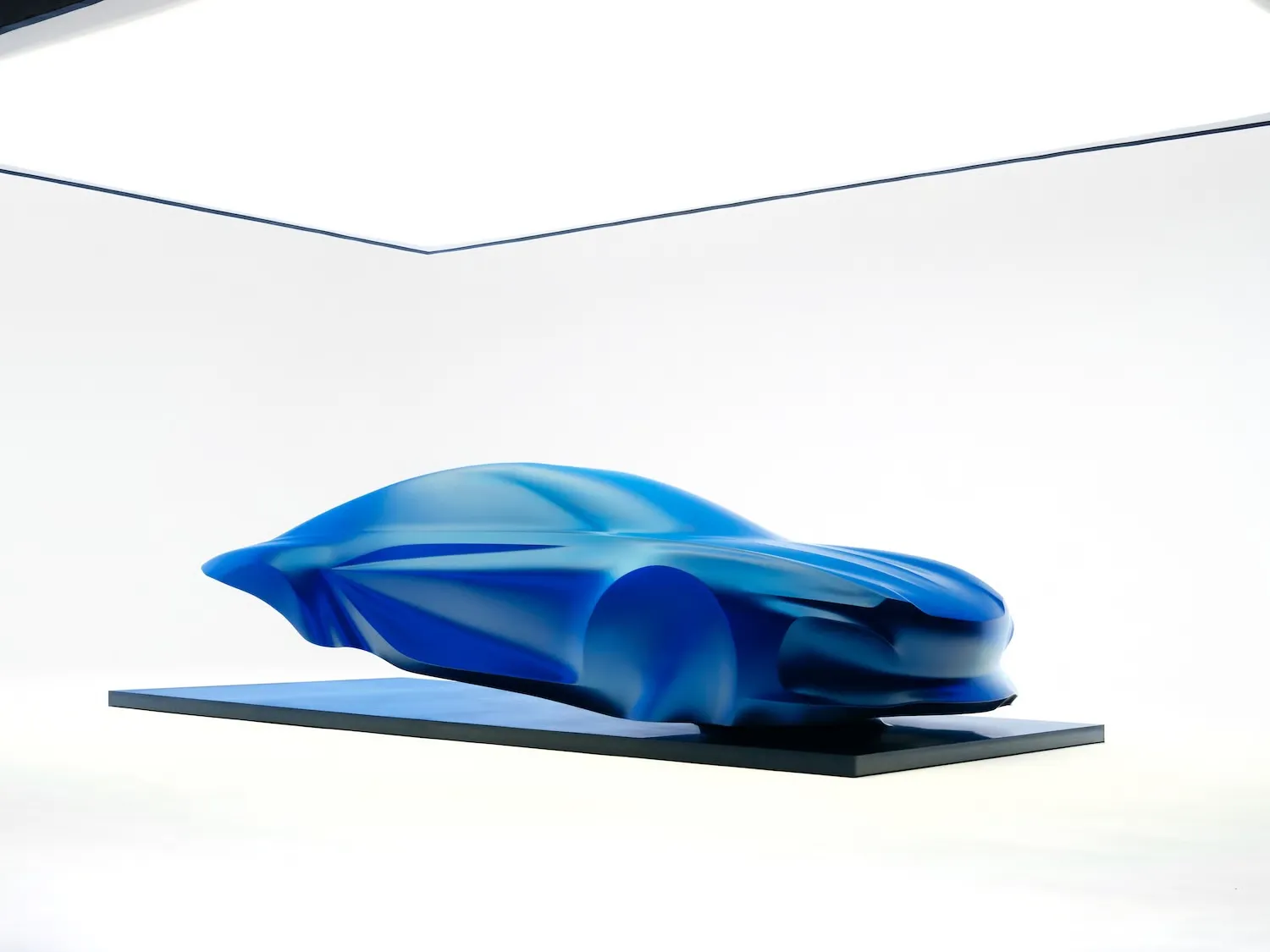
We had hoped to see the new A110 at the World Motor Show, at least in concept form. We’ll have to settle for a preview through a sculpture instead...
The Alpine A110 is set to make its electric revolution. But to see what it will look like, we still have to wait. Although the manufacturer has been releasing information since the beginning of the year, we thought we would see the new generation at the World Motor Show, with at least a real show car, as was the case with previous models. But this time, Alpine chose to give a glimpse of the car through a sculpture that aims to create the impression of a body covered in a veil.
According to the manufacturer, “covering a bodyshell rather than hiding it allows one to discern its proportions and intentions. It is a tool for themes and proportions: a car thus reveals the essence of its style.” The cover “also suggests lightness and aerodynamics, key elements of a sports car where form follows function.”
But with this veil… we must settle for few clues about the A110’s design. The sculpture does confirm, however, that the look will evolve significantly to move away from neo-retro styling. While certain elements of the Berlinette will be retained and reinterpreted, such as the V-shaped front end, others will be dropped, like the four circular headlights. It is inferred that two hexagonal projectors will accompany slimmer, more angular main headlights. The angles on the side profile’s ribs will also become more pronounced.
Also read
Alpine A290 and A390: New updates for the sports electric models
While Alpine promises that the A110 will remain instantly recognizable, the brand is undergoing a significant modernization of its appearance alongside changes to its powertrain, as it ventures toward all-electric propulsion. The manufacturer is developing a new technical platform called APP.
The lowered silhouette has been preserved through the placement of batteries in both the front and rear, using 800 V “cell-to-pack” technology and high-energy-density cells to reduce weight and charging times. However, the rear end appears to be getting longer.
We will therefore have to wait until 2027 to see the “real” car!