
Norway: “Electric cars” accounted for a record 98.7% of August’s sales. Tesla failed!
In short:
The Norwegian new passenger car market shrank by 3.4% in August
The sharp decline was caused by Tesla’s sales falling
Six out of the top ten brands saw increases
Volkswagen was the leader for the month
The share of electric vehicles reached another record high of 98.7%
Norway: figures that other countries might envy
The August statistics from OFV (Opplysningsrådet for veitrafikken) show that the market, which appears slightly weakened at first glance, is actually undergoing dynamic changes. Why? Because last month Norwegians registered 13,451 new passenger cars, 3.4% fewer than the previous year. However, as OFV points out, the decline is largely due to one manufacturer.
Tesla recorded a staggering 2,387 fewer registrations compared to August 2025, while other brands saw their combined sales increase by 1,921 vehicles, which limited the overall market decline to just 466 cars. Excluding Tesla, the market would have grown by 17 percent. This is a clear sign that competition in the electric vehicle segment is becoming increasingly balanced.
The best-selling brands in Norway in August 2026.

– The passenger car market is showing slight decline, but the performance of individual brands varies significantly. Several major manufacturers are growing, and competition for customers is more balanced than before – commented Geir Inge Stokke, CEO of OFV, as quoted in the organization’s statement.
Six brands in the black, Volkswagen the month’s leader
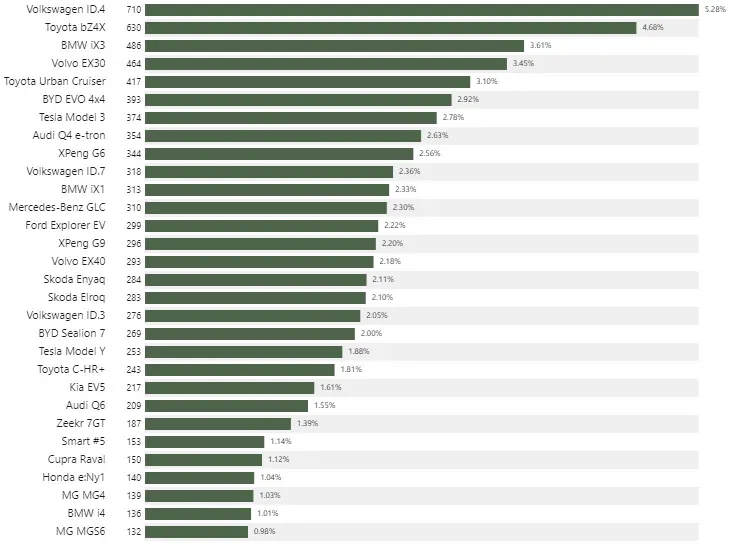
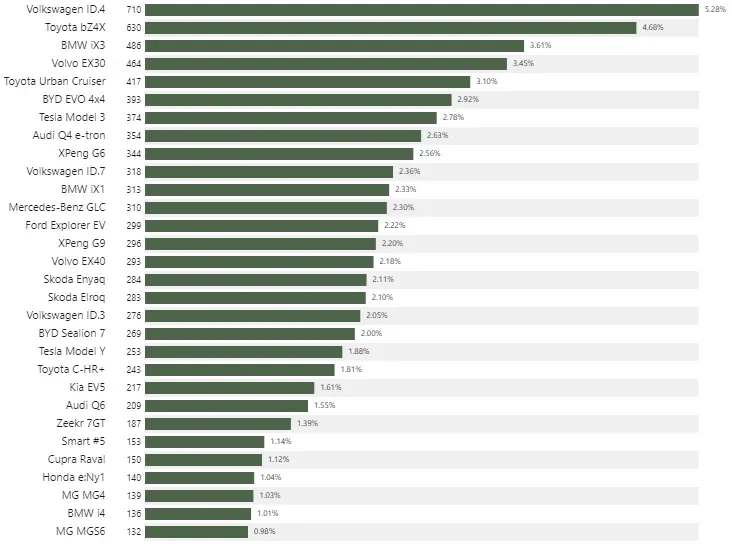
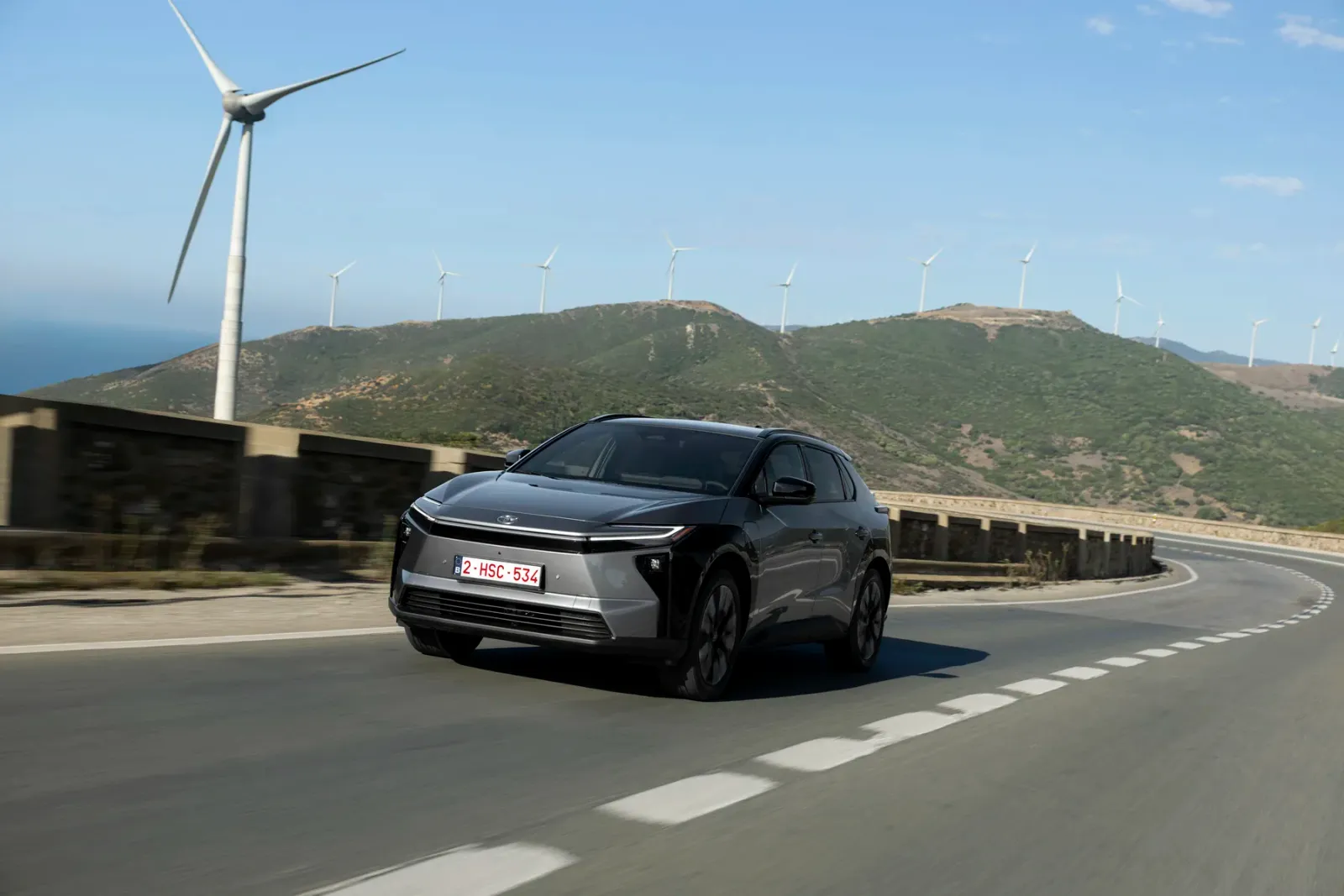
In August, six out of the ten largest brands saw growth. Xpeng and Toyota experienced the strongest increases, but BYD, BMW, Volvo, and Audi also delivered good results. Volkswagen became the most popular brand of the month, regaining its leadership position thanks to steady deliveries of electric models – among these, the Volkswagen ID.4 topped the list, ahead of the Toyota bZ4X and BMW iX3.
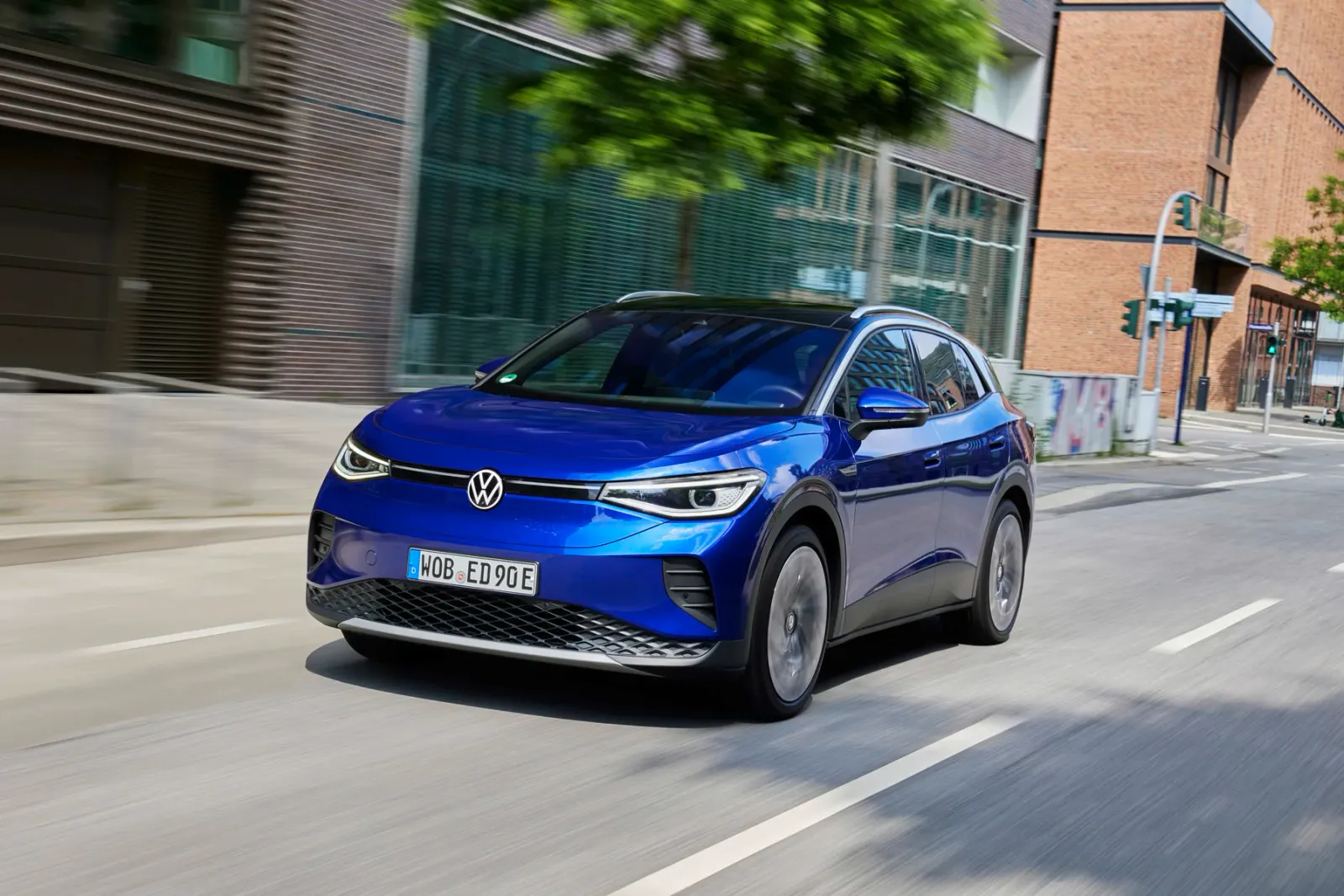
The best-selling models in Norway in August 2026.
Smaller gap between market leaders
On an annual basis, Elon Musk’s brand remains the top brand in Norway, but its lead over Toyota has significantly narrowed. After eight months of the year, the gap is 3,740 vehicles, compared to 9,173 a year earlier. Toyota saw its registrations rise by 46.4 percent, while Tesla dropped by 11 percent.
Chinese brands are also growing. Xpeng and BYD together accounted for 11.4 percent of the market share, more than double their 4.9 percent share in August 2023. This shows that Chinese manufacturers are steadily strengthening their position in Norway, one of the world’s most electrified markets.

Another record
The biggest highlight of August is the presence of electric vehicles. According to OFV, 98.7 percent of all new passenger cars were fully electric – the highest figure in Norway’s market history. A year earlier, the share was 96.9 percent.
“The new car market is practically entirely electric today. Further emission reductions therefore depend mainly on how quickly older gasoline and diesel cars disappear from the fleet,” emphasizes Stokke.
The share of “electric” vehicles since the beginning of the year is 97.8 percent, confirming that Norway is already in a stage of full dominance by battery-powered vehicles, analysts say.
Rise in sales of electric vans
In the commercial vehicle segment, significant changes are also evident. In August, 3,139 new vehicles were registered, which is 10.6 percent more than the previous year. Registrations of electric commercial vehicles rose by 17 percent, accounting for 44.9 percent of the market.
In the second half of August, sales of diesel-powered vehicles increased noticeably, from 36.3 percent to 56.1 percent. OFV attributes this to accelerated registrations ahead of the increase in so-called “CO₂ components,” which are parts of the tax for diesel-powered commercial vehicles. As of September 1, these taxes increased by up to 15,000 NOK (6,000 PLN) for certain models.
“Such a sharp rise in diesel’s market share just before the tax change is worth noting. It may indicate accelerated registrations, but the overall trend remains unchanged — electric commercial vehicles are growing and now make up over half of the market since the beginning of the year,” summarized Stokke.
Oskar Włostowski