
Not just electric vehicles: Toyota is making a shift to produce 400,000 hybrid cars using the “Chinese formula” per year for a good reason
21/09/2026 17:00
Updated to
21/09/2026 17:00
Toyota has been one of the world’s leading manufacturers of hybrid cars for decades, but changes in the Chinese market are forcing the Japanese automaker to explore alternative approaches. The company plans to start producing its first extended-range electric vehicles, known as EREV, in China—a technology that has gained popularity among local manufacturers.
According to a report by Nikkei Asia, production is set to begin in April 2027 with just a few hundred units per month. However, the goal is to accelerate production quickly. Toyota aims to manufacture around 200,000 EREVs throughout 2027 and double that figure to approximately 400,000 units by 2028.
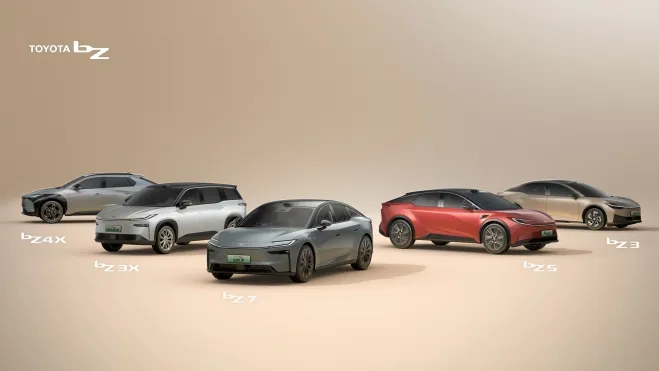
Toyota adopts one of the strategies that succeed in China
An EREV always operates using its electric motors, but it also includes a combustion engine that functions as a generator to produce electricity when the battery needs it. The driver can use it as an electric vehicle for daily commutes and rely on fuel for longer trips, thereby reducing their dependence on charging infrastructure.
This solution has gained enormous popularity in China thanks to manufacturers like Li Auto and has since been adopted by an increasing number of brands. Even Nissan has entered this market through its joint venture Dongfeng Nissan, which launched the NX8 with extended-range versions last April. Xiaomi has also recently joined in with its new SkyNomad SUVs.
Toyota seems determined to make this technology a key part of its electrified lineup. The scale of this goal is particularly significant when compared to its current figures. Throughout 2025, it sold approximately 200,000 battery electric vehicles and 180,000 plug-in hybrids worldwide. Only the EREV models produced in China could reach an annual production of around 400,000 units by 2028.
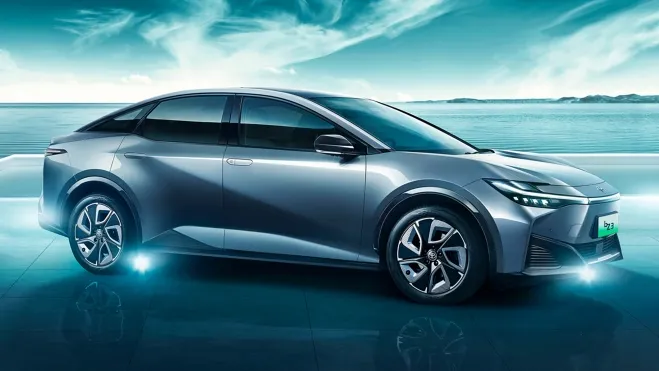
Toyota Aims to Escape the Electric Car Price War
This decision is also a response to the intense competitive pressure in China. A Toyota executive cited by Nikkei Asia says that growing competition among electric car manufacturers is fueling a price war, and the company needs to take action to avoid getting caught in it. Chinese manufacturers have rapidly gained ground as foreign brands try to adapt their products and structures to this new market.
That doesn’t mean EREVs are in their best shape. During the first 8 months of 2026, 616,000 units were sold retail in China, 15.85% less than during the same period last year. In August, 81,000 units were registered, accounting for 8.06% of the country’s new energy vehicle sales.
For these reasons, Toyota’s approach is significant both in terms of volume and philosophy. The company that turned the Prius and conventional hybrids into global products is now developing its first EREVs using a formula primarily developed by its new Chinese rivals. And if the announced plans are fulfilled, it won’t be a small-scale experiment, as Toyota aims to produce around 400,000 cars annually using this particular “Chinese recipe” in just two years.