
"I don't want cars that seem designed to kill zombies." Volkswagen's designer criticizes today's aggressive aesthetics.
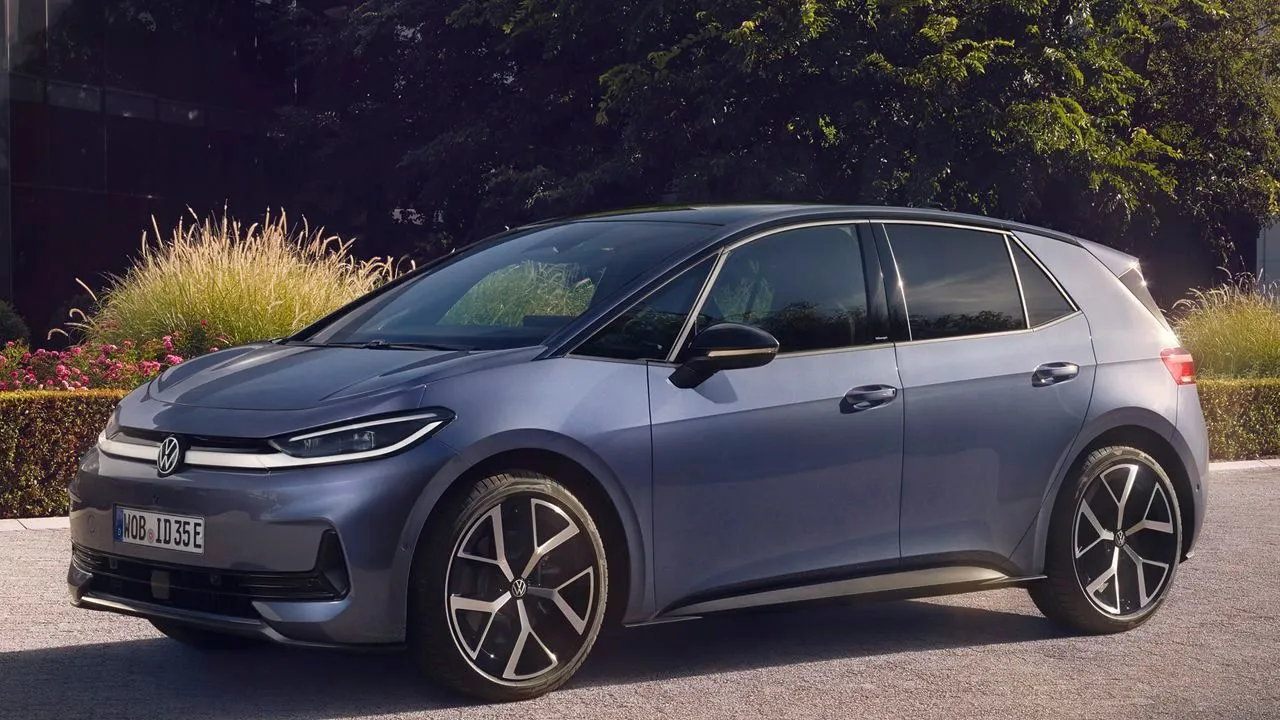
In a market where cars feature increasingly aggressive designs, Volkswagen aims to go against the trend by opting for more approachable and friendly aesthetics. Its new Pure Positive design language, which represents a return to the brand’s roots, is evidence of this. Andreas Mindt, the group’s design chief, considers an overly aggressive appearance to be "absurd."
In a recent interview, he stated that there are no valid reasons for cars to be designed with the intent of intimidating other road users. In his view, some manufacturers pursue this aesthetic approach because it makes them appear modern. However, the German brand will adopt a very different stance with its upcoming models.
"Car manufacturers do this because they want to appear modern. Volkswagen doesn’t want that. You can think you’re the strongest, but if you’re not, it’s nonsense. Why not give cars a more friendly appearance? I want to live in a friendly world. I don’t want to live in a world with cars that look designed to kill zombies. I really don’t want to live in such a stupid world."
"When it comes to car design, there’s no need to take a side. It’s not about saying, 'Look, I’m doing the right thing: I drive an electric car. My car looks electric, so I’m better than you. And you’re the bad guy because you’re polluting. You’re ruining the environment.' Honestly, I think it’s very bad to divide society that way. For all those people who still don’t want to drive an electric car, it’s better to say to them, 'Look, gasoline prices are very high right now, aren’t they? Why not give it a try?'"
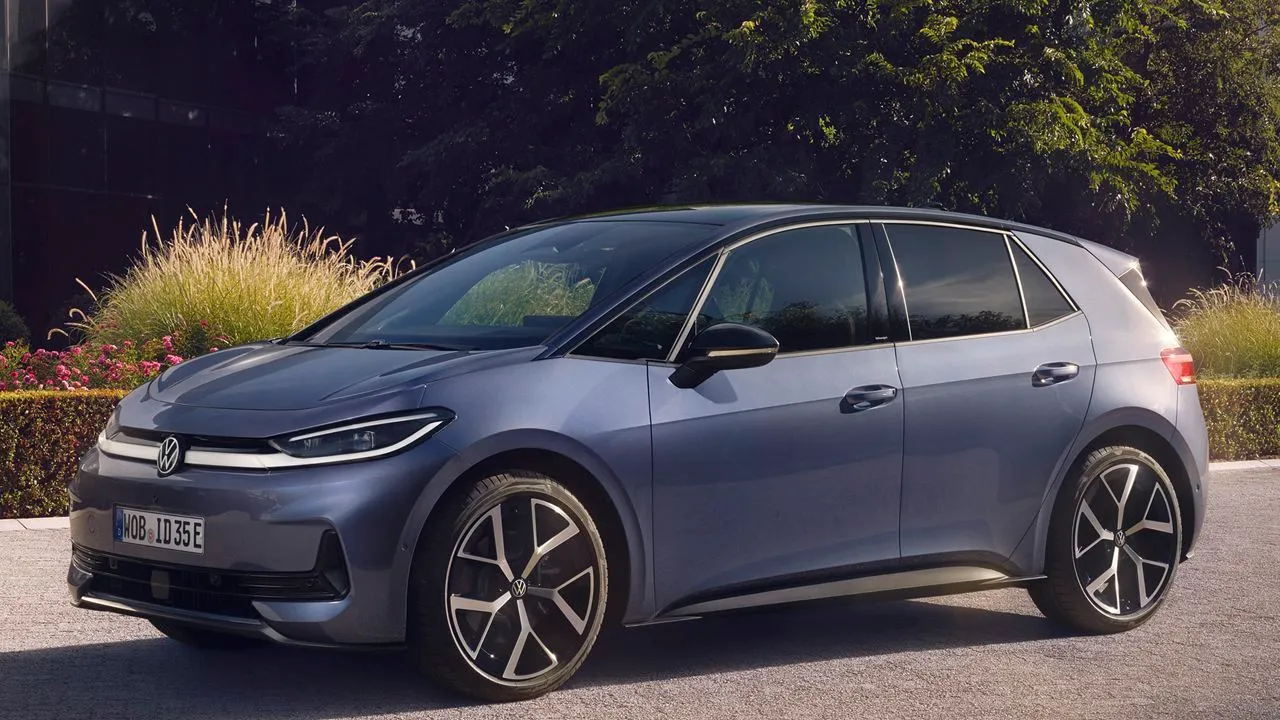
Volkswagen opts for a less futuristic design language
Volkswagen’s latest electric models, such as the ID. Polo, move away from the futuristic designs that characterized past models like the ID.3 or ID.4, opting for a style that feels more familiar to customers. The designer believes the previous ID.3 “doesn’t look like a true Volkswagen” because its brand identity isn’t evident, making it seem like a vehicle from any other manufacturer.
This was aimed at being corrected with the ID.3 Neo, a major redesign that gives it a more subdued and cohesive appearance. This isn’t the only area where Volkswagen has reverted to older designs, as it is reintroducing physical buttons on the steering wheel along with traditional controls for functions like climate control. These two changes are intended to improve ergonomics compared to models that consolidate all functions on a touchscreen.
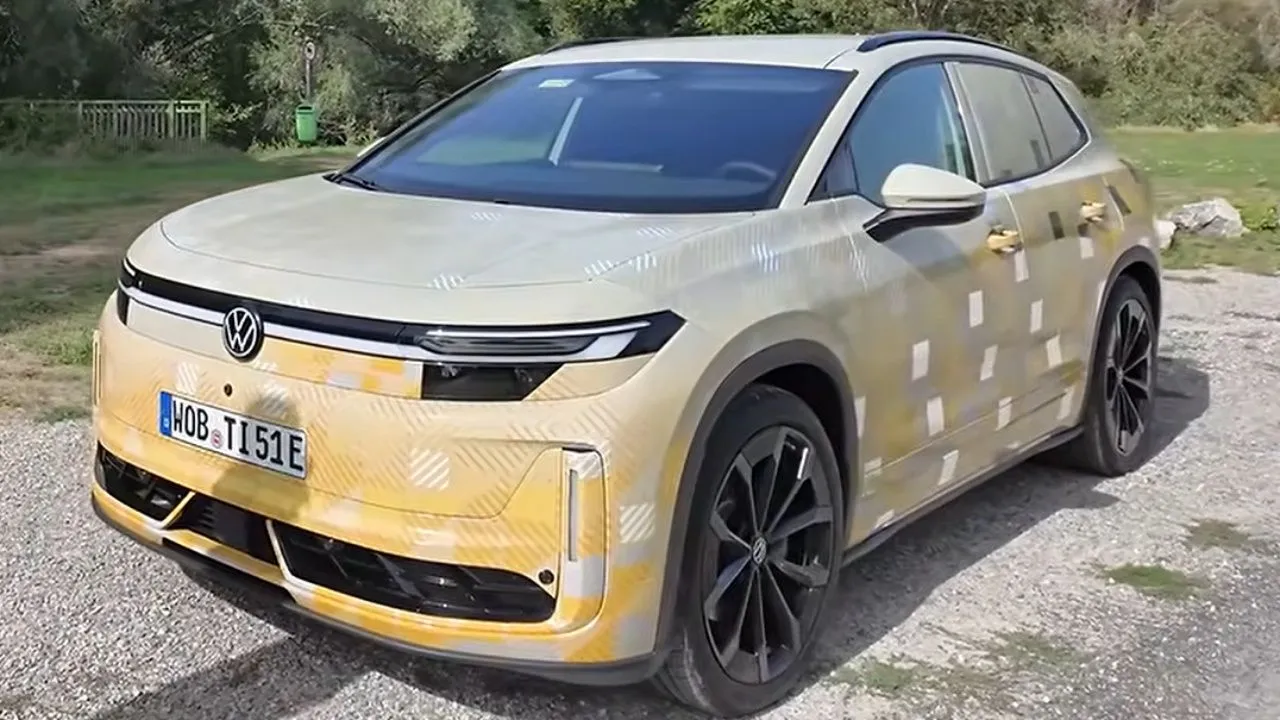
The upcoming ID. Tiguan, about which we spoke just a few hours ago, will continue this trend. It will feature a more robust and less sharp appearance compared to its predecessor, the ID.4, somewhat restoring the 'Germanic' look that has characterized the company’s vehicles for years. This new philosophy won’t be limited to its electric models but will also apply to its internal combustion engine lineup.
Source | Autoweek