
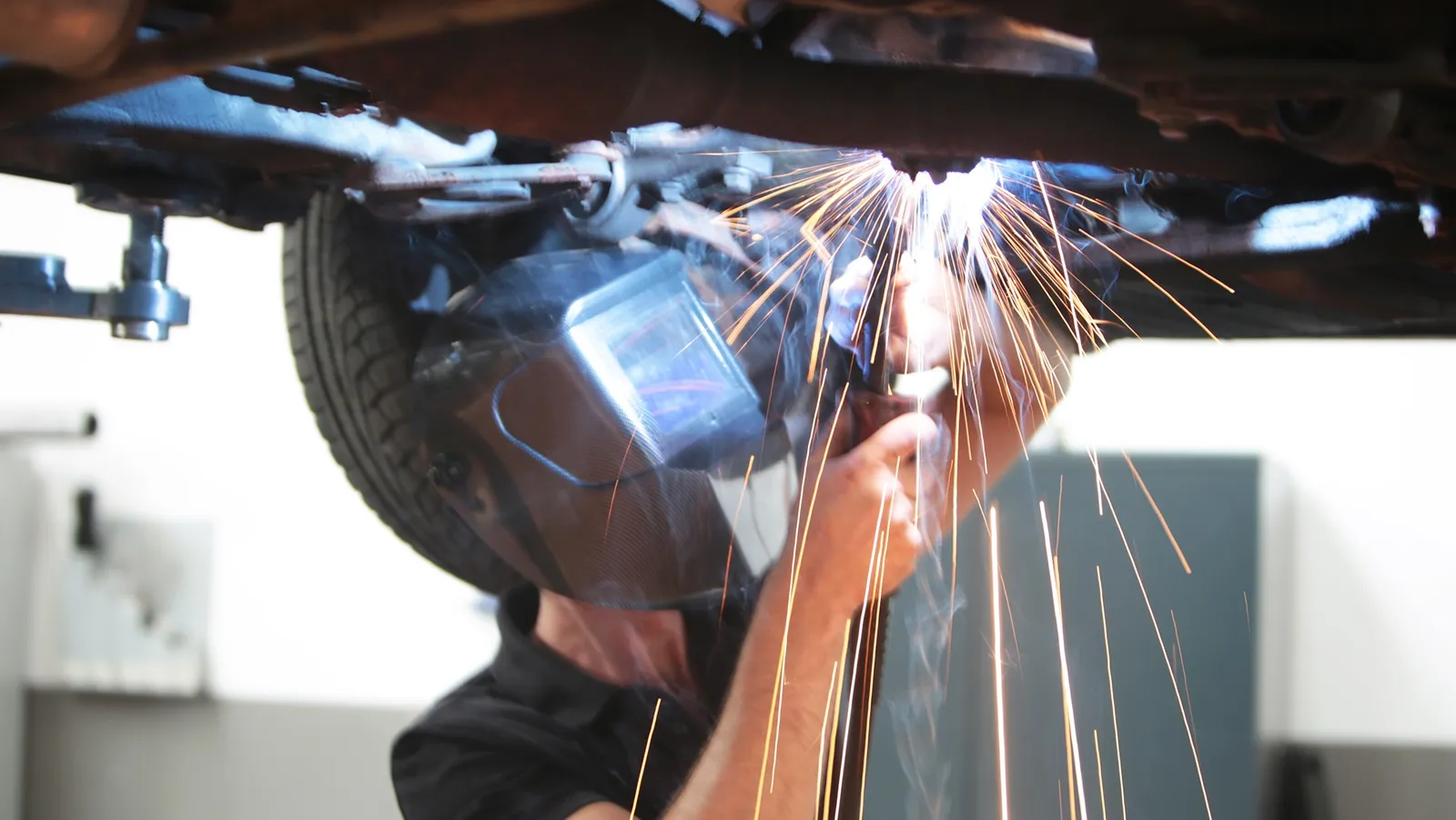
There are not enough mechanics, nor specialized ones, in Spanish workshops, so one has to wait longer for car repairs.
03/09/2026 10:00
Updated to
03/09/2026 10:00
Finding availability at repair shops is becoming increasingly difficult. The automotive repair industry is warning of a growing shortage of mechanics, bodyworkers, and painters, a problem that is already leading to longer wait times for customers.
The issue isn’t seemingly a lack of cars needing repair. On the contrary, the vehicle fleet still requires maintenance, and at the same time, vehicles are becoming more complex. The problem lies in finding young professionals willing to enter the trade who also have the necessary training.
The repair shops themselves acknowledge that there isn’t enough generational turnover, and filling certain positions is becoming a challenging task.
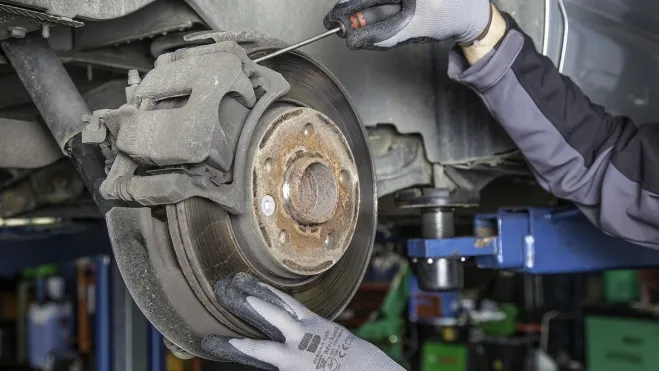
Modern cars require increasingly specialized mechanics
Becoming a mechanic no longer means merely knowing engines, clutches, or gearboxes. The advent of hybrid and electric cars has introduced high-voltage systems, batteries, inverters, power electronics, and much more advanced diagnostic tools. Adding to this is the rapid expansion of Chinese brands in Spain, with models, platforms, and components that many workshops are still just beginning to understand.
This forces professionals to continuously update their skills. Paradoxically, the industry struggles to attract precisely the new generations who should acquire this knowledge. Workshops aim, among other things, to address the unattractive perception of the trade among some young people and the job expectations heavily influenced by what they see on social media. But the problem cannot be reduced solely to a lack of interest.
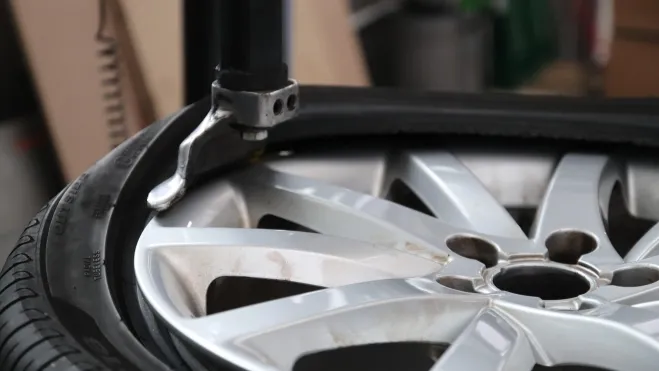
Getting trained also costs money
Another issue raised by the industry is access to training. Not all young people can afford to study at specialized private institutions, and workshops call for more affordable training opportunities that can bring qualified professionals into the labor market.
This is compounded by difficulties faced by companies when hiring apprentices. Training someone from scratch requires time and resources, while salary costs start at the Interprofessional Minimum Wage.
According to industry sources, in some cases the repair shop covers a large portion of this training, and once the worker gains experience, they end up leaving for another company with better conditions. The result is a vicious cycle that’s hard to break: there’s a shortage of professionals, training new workers is costly, and companies compete for an increasingly scarce workforce.
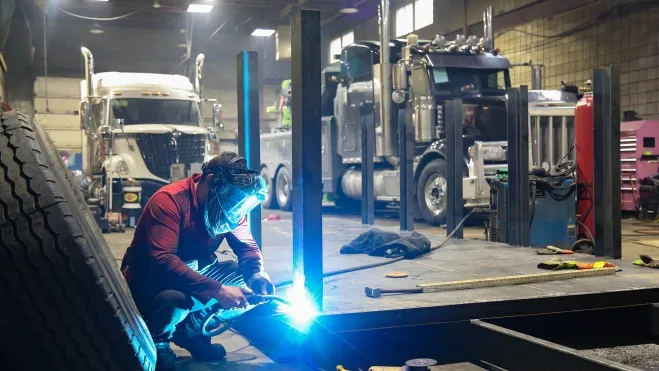
Pirate repair shops worsen the problem
The industry also points to the proliferation of illegal or “pirate” repair shops as another factor that harms businesses that comply with labor, tax, and training requirements.
Meanwhile, the shortage of staff is starting to have a very noticeable impact on drivers: longer wait times between scheduling an appointment and the vehicle actually arriving at the shop.
The problem could worsen as vehicles require even more specialized expertise. The automotive industry is undergoing a massive transformation, but it doesn’t all depend on battery factories, software, or new electric models. There’s a much more everyday aspect of this transition that also needs qualified workers: someone will have to diagnose, maintain, and repair all those cars in the years to come.
If not enough new people enter this field, the consequences won’t be limited to repair shops. It will also affect how long drivers have to wait to get their cars back.