
The Nissan Z Pixo is back in the game. This affordable BEV has European origins and French DNA.
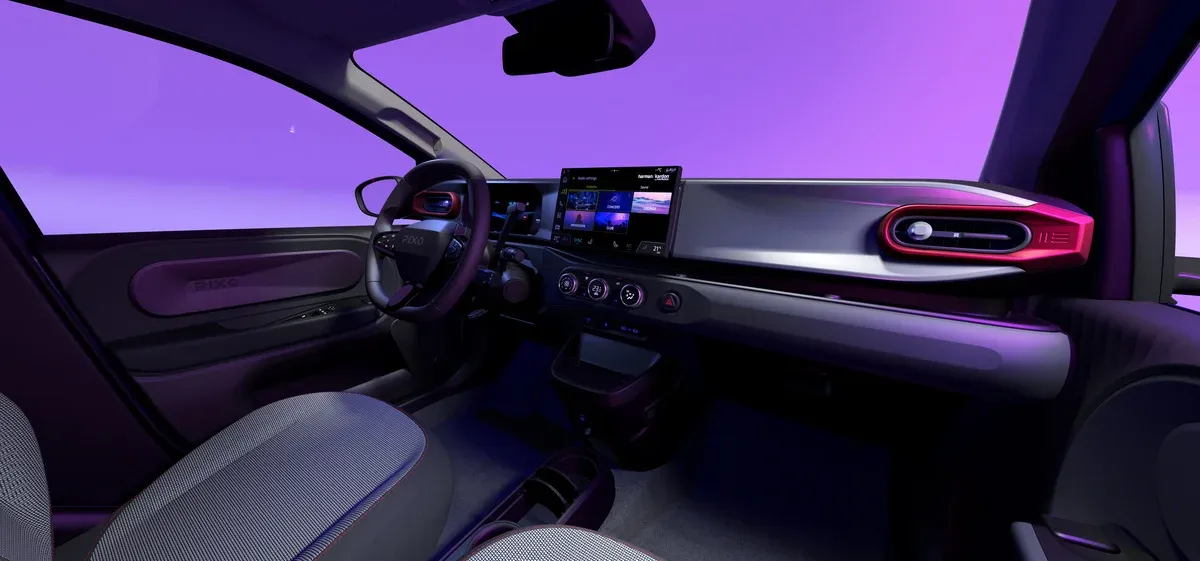
In short:
Nissan is expanding its European electric vehicle lineup with the Pixo
a city-oriented car designed for urban mobility in the A segment
The vehicle was developed in collaboration with Renault
It is equipped with a lithium-iron-phosphate (LFP) battery with a capacity of 27.5 kWh
Range? Up to 260 kilometers WLTP on a full charge
The price will be announced in December, but it should not exceed 20,000 euros
Nissan Pixo targets European cities
Nissan is drawing on a name well-known to European drivers and bringing it back in a completely new form. However, the recently unveiled Pixo has little in common with its predecessor. Instead of a small gasoline car that was once a sibling to the Suzuki Alto, we have a fully electric city vehicle designed specifically for European urban areas.
The new model fits into the manufacturer’s strategy known as “Mobility Intelligence for Everyday Life,” meaning mobility tailored to users’ daily lives. According to Nissan, the Pixo is intended to be an example of a more pragmatic approach to electric mobility, focusing on accessibility, simplicity, and functionality.
As Massimiliano Messina, head of Nissan AMIEO, emphasized during the launch, “The future of electrification lies in smarter cars that naturally fit into people’s daily lives. The Pixo was designed specifically for Europe and our cities, offering customers everything they need from an electric car without unnecessary complexity.”
What’s most interesting is that the new Nissan was created through close collaboration within the Renault-Nissan-Mitsubishi alliance. The car was designed by Nissan but utilizes technical solutions developed jointly with Renault and will be produced at Renault’s factory in Novo Mesto, Slovenia.
French components, Japanese brand
Industry media is unanimous in stating that the Pixo is technically related to the new Twingo and the latest Dacia Spring. Motor1 describes the model as a car with a “Japanese badge, French bones, and Slovenian manufacturing.” In practice, this means it shares the same platform, a wheelbase of 2492 mm, and identical basic components for its electric drive system.
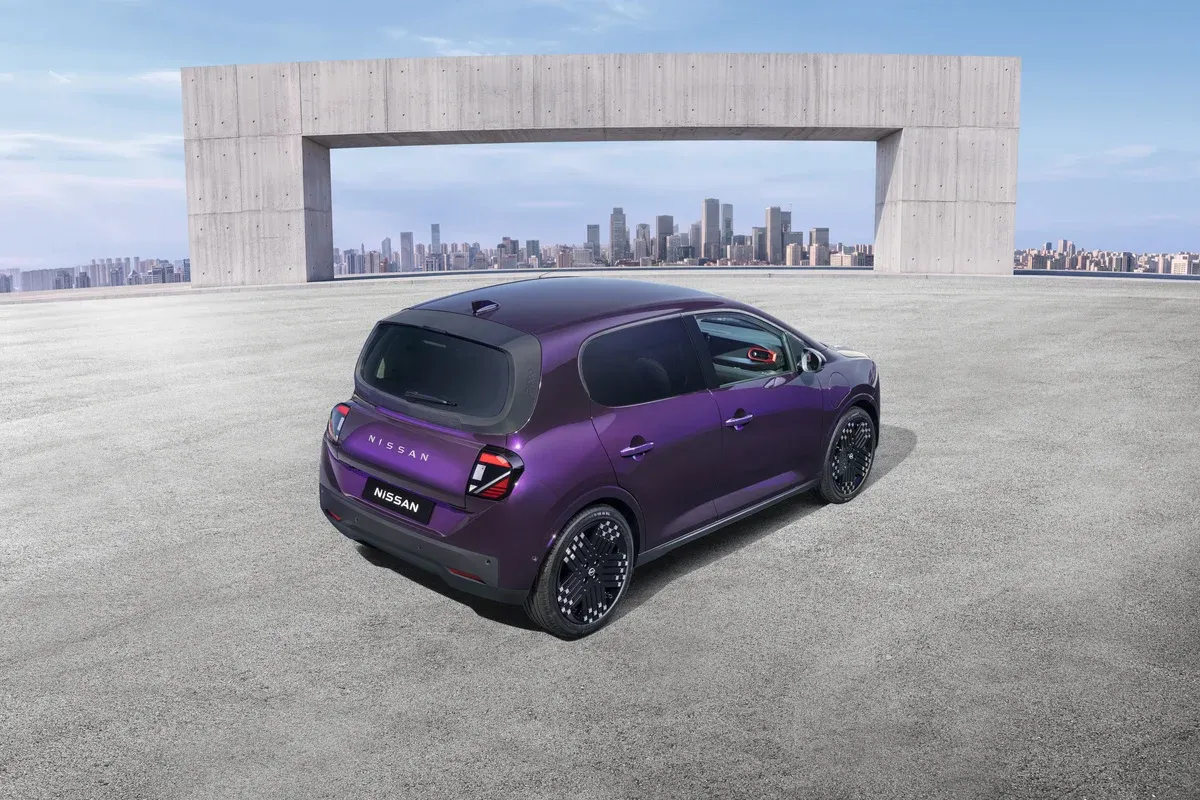
Nissan has nevertheless tried to give the model its own distinct stylistic identity. Carscoops highlights the car’s characteristic “pixelated” lighting accents on the front and rear, which set it apart from the more rounded Renault Twingo.
The front and rear bumpers have been modified primarily, while the car’s overall design clearly reveals their shared origin.
Nissan’s First LFP Battery in Europe
The traction battery works together with an electric motor producing 60 kW of power, equivalent to around 82 horsepower. According to the manufacturer, the car is expected to offer a range of up to 259 km in WLTP testing. As AutoNext notes, this figure is very close to that of the Renault Twingo E-Tech, which uses the same powertrain.
In urban conditions, loading time is just as important as range. That’s why the Pixo supports fast DC charging at 50 kW, allowing it to reach 15% to 80% charge in about 28 minutes. A 11 kW onboard AC charger with two-way energy flow functionality is also standard in all versions.
Small on the outside, surprisingly practical
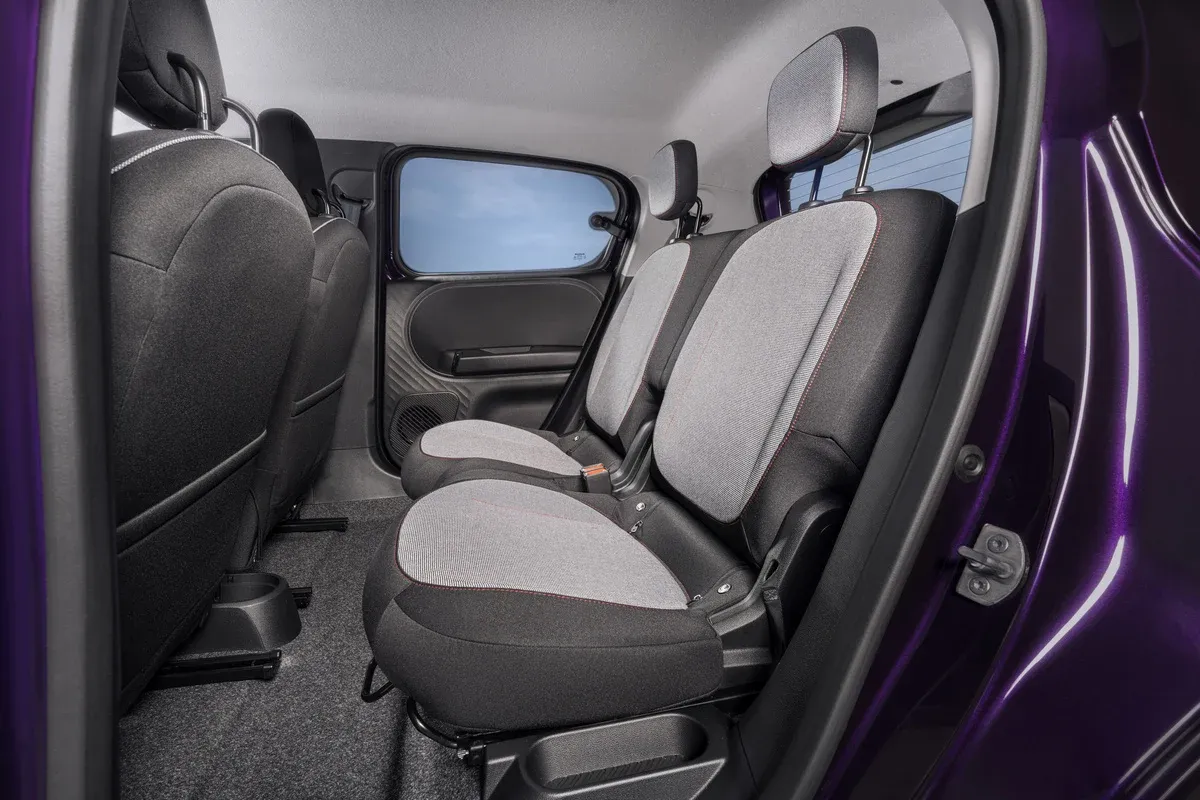
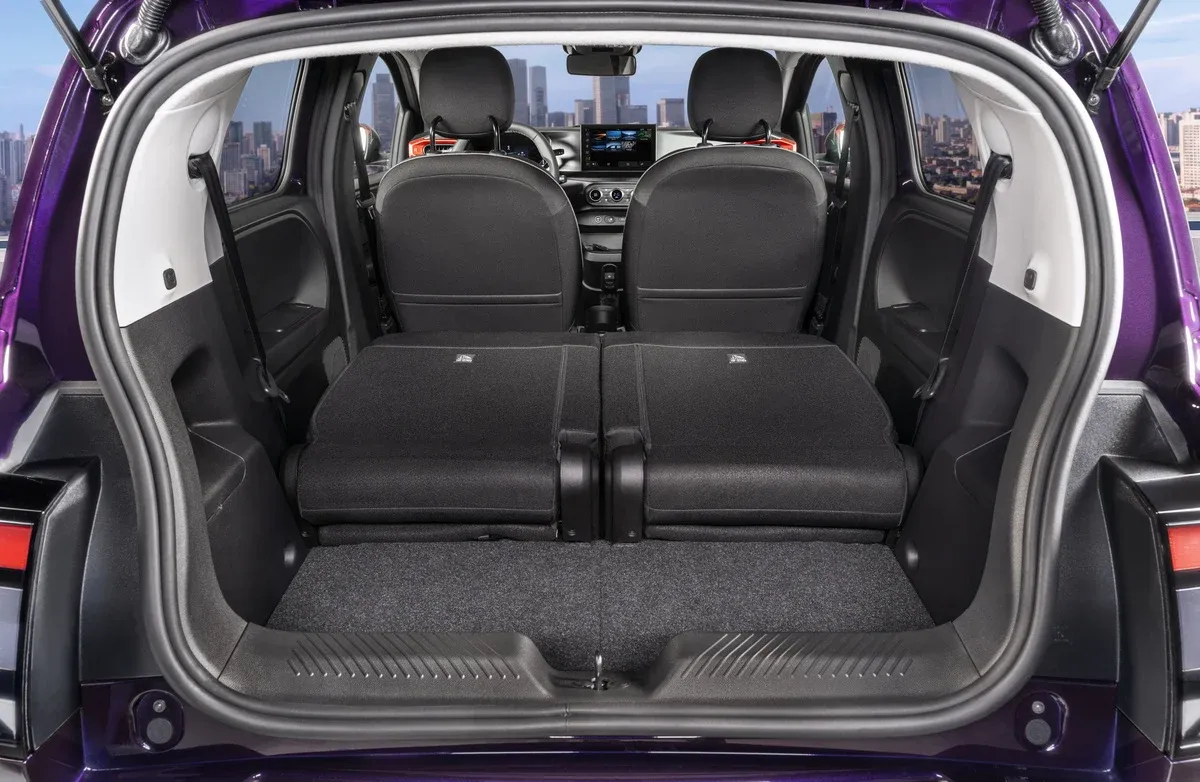
The new Nissan measures 3796 mm in length, 1790 mm in width, and 1512 mm in height. With a turning radius of just 9.9 meters, it is designed to make maneuvering easier in crowded city centers and tight parking spaces. Despite its compact size, the designers have managed to create a fairly spacious trunk. Drivers have 356 liters of space behind the rear seats, which increases to 1221 liters when the seats are folded down. Another advantage is the independently adjustable rear seats, which allow for better utilization of the passenger space.
The cabin features both classic buttons and knobs as well as modern digital systems. Nissan plans to integrate it with Google services, the Gemini assistant, and the MyNissan app, which allows for route planning, charging monitoring, and remote control of selected vehicle functions.
Competition is rising
The closest rivals will remain the Renault Twingo E-Tech and Dacia Spring, which share the same technical architecture. The price comparison between the Pixo and Twingo will be particularly interesting. Renault has already announced a starting price of 19,990 euros for the Twingo in the German market, while Nissan will reveal the prices for its model only in December.
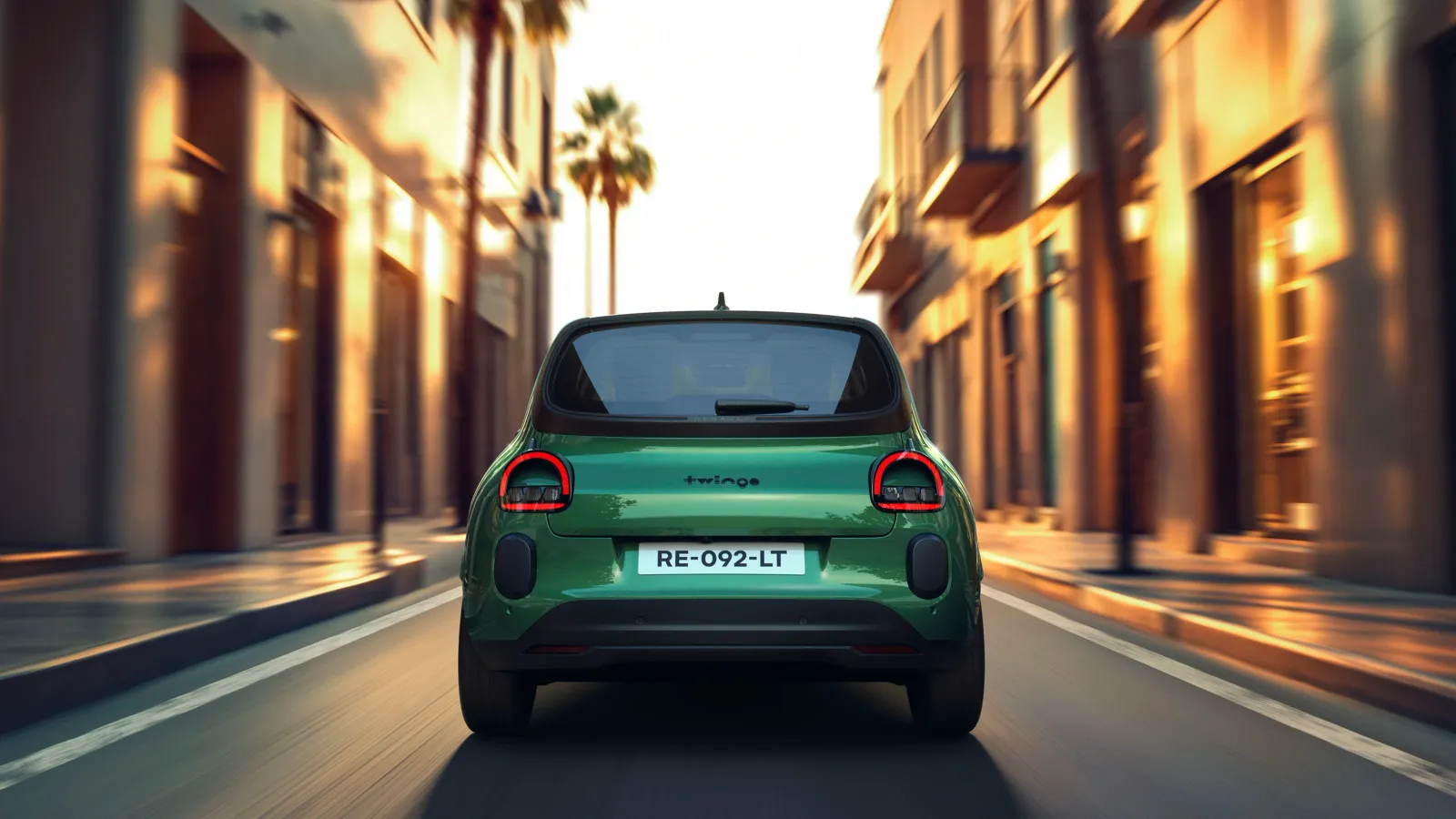
Besides the alliance members fighting for customers, the revived Citroën 2CV and the production version of Volkswagen ID.Every1, which is set to succeed the German brand’s urban models, are also preparing to enter the market. The growing number of Chinese manufacturers cannot be ignored either, although many of their vehicles are larger than the urban Pixo.
Oskar Włostowski