
Nissan on the electric Qashqai: "We plan to continue investing in the Qashqai and Qashqai e-Power as long as there is demand
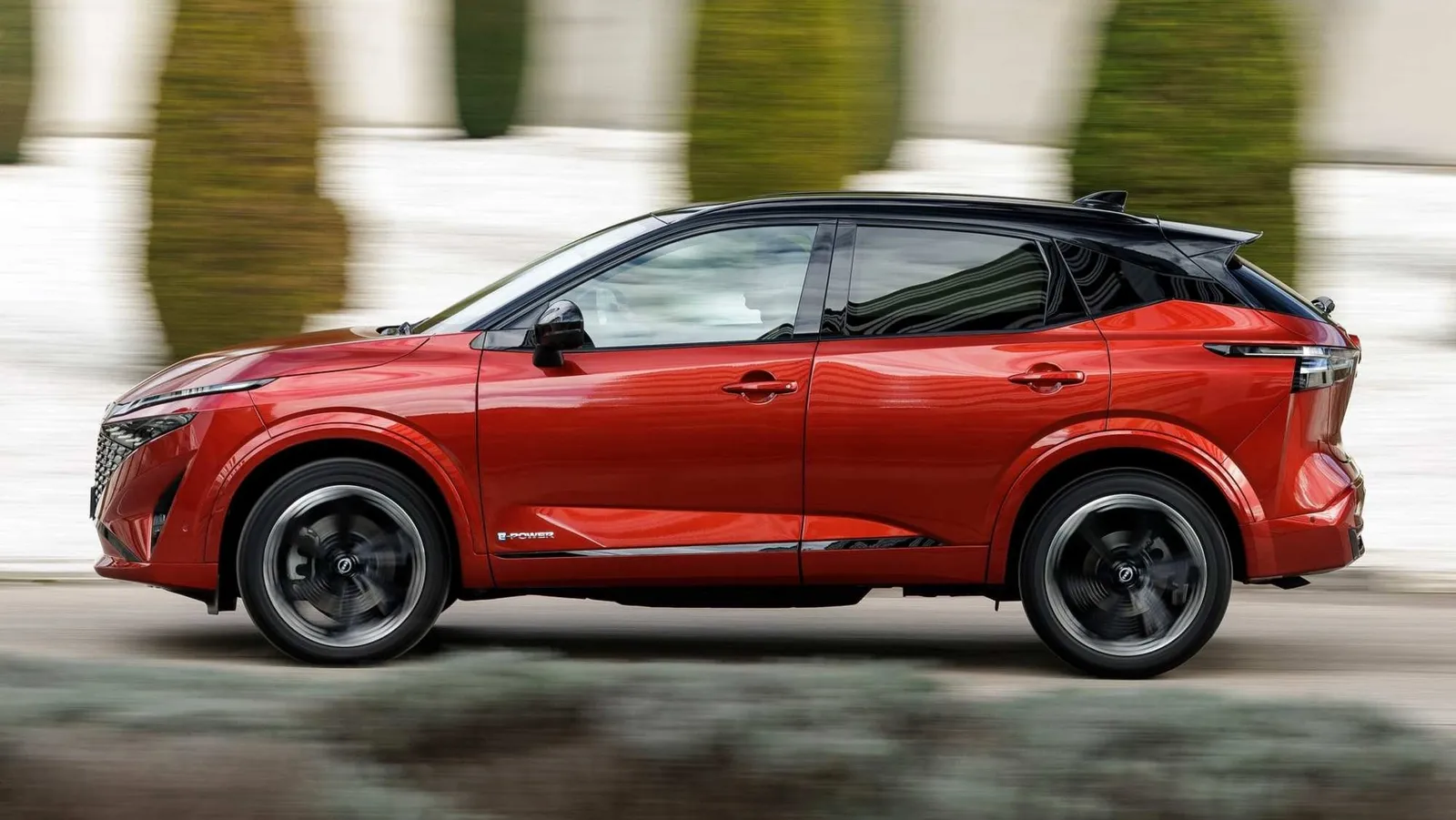
Nissan was one of the pioneering brands in the world of electric cars with the Leaf, but despite setting the stage, other manufacturers have surpassed it in this field over the years. It is now giving new impetus to its zero-emission model lineup, either on its own (Nissan Ariya and Nissan Juke) or through partnerships (Nissan Micra and Nissan Pixo, both with Renault), but there is one specific car, which is also its best-selling model, that has an uncertain future: the Nissan Qashqai.
The SUV, which was once the best-selling in its segment, has evolved over the years by adding new electrified options to its lineup, but there have been no discussions so far about turning it into a fully battery-powered vehicle. Now Jordi Villa, the brand’s European head, confirms Nissan’s approach on this matter: “We approach electrification with options; we truly deliver on what we promise.”
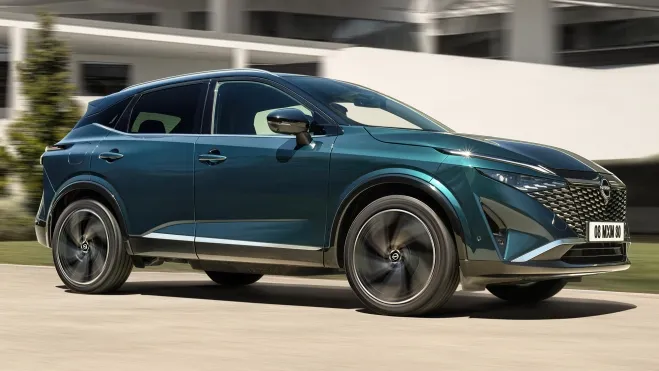
An uncertain future
In 2023, the Hyper Urban prototype revealed what the electric Qashqai might look like, but silence has followed since then. It’s been so quiet that there have even been rumors the brand decided to drop it from its plans as part of cost-cutting measures.
During the launch of the Pixo, a brand spokesperson confirmed to Autocar that Nissan has never officially announced the cancellation of the model, although Villa made it clear the plan is to keep the Qashqai with internal combustion engines for as long as possible.
"Is the Qashqai a key vehicle for our range in Europe? The answer is yes. Does it perform well with both light hybrid systems and electrified solutions like e-Power, as we know? The answer is yes. Frankly, we won’t make any announcements today, but the intention is to continue developing this model as long as there is demand for it," he explained.
This is another example of a trend seen across the industry, where, faced with slower acceptance of electric cars than expected, manufacturers have relaxed their ambitions and opted for more diverse vehicle ranges that accommodate various types of propulsion systems.
Internal combustion as long as there is demand
Villa says, “We are evaluating which options could be fully electric compared to those with hybrid powertrains. It’s not something we have decided yet, as we closely monitor market developments in real time. However, for now, we definitely plan to continue focusing on the Qashqai and Qashqai e-Power as long as there is demand for them.”
This seems like a logical move for several reasons. The first is the Qashqai’s strong commercial performance, which remains high, as evidenced by its consistent placement among the best-selling models in markets like Spain. The second is that its hybrid powertrains meet the needs of customers operating in stricter environments, such as cities with low-emission zones.
The third factor is the composition of Nissan’s lineup itself. The Qashqai is a compact SUV that sits between the Nissan Leaf and the Nissan Ariya, which are positioned slightly below and above it respectively. Both are electric vehicles, so the brand already offers zero-emission options in that segment. Converting the Qashqai into a battery-powered vehicle would be redundant, while maintaining internal combustion engine options provides customers with more choices.