
The Nissan Qashqai e-Power can travel 1980 kilometers without refueling
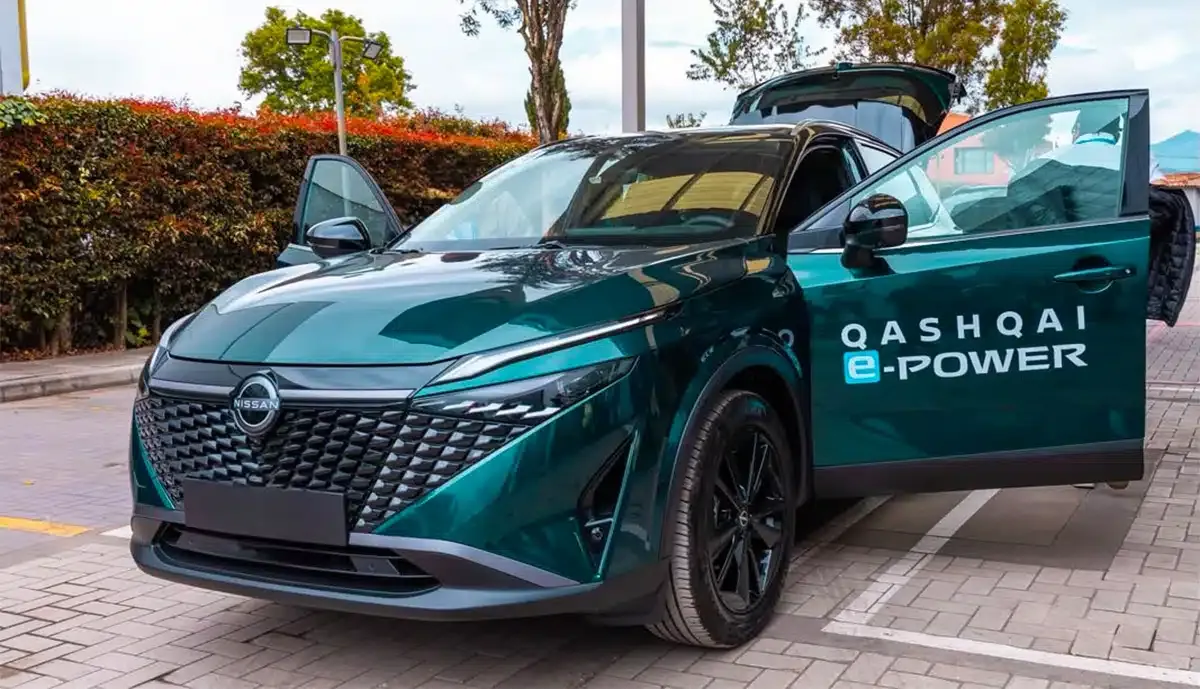
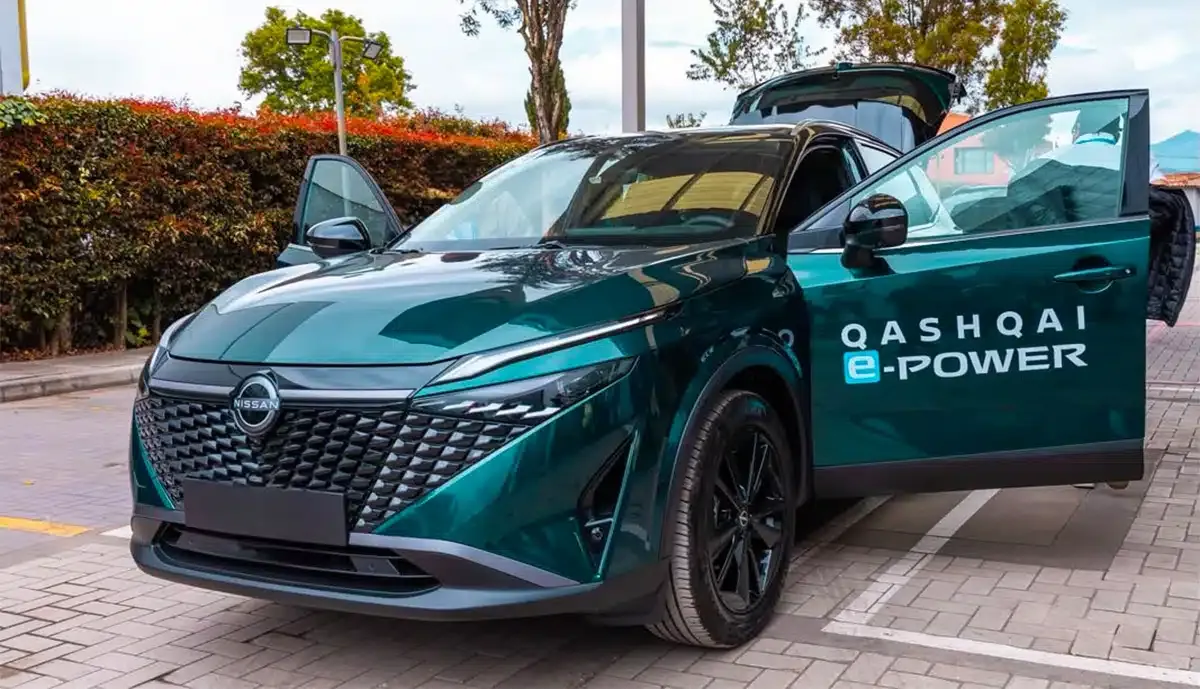
Image: Nissan
The Nissan Qashqai e-Power set a Guinness World Record with a drive of 1,980 kilometers. It was recognized for covering the longest distance by a non-externally rechargeable electric crossover without refueling overnight. The record-breaking journey took place in mid-July and traveled from Bogotá across Colombia to the Caribbean coast.
According to the Japanese manufacturer, the Qashqai e-Power was exposed to various road and traffic conditions during this journey. Each stage was monitored by independent experts from Guinness World Records, and its performance was verified through a detailed evaluation process. Previously, Nissan had already completed long-distance challenges in the UK and Tasmania.
The Qashqai 1.5 l e-Power used in this mission has 151 kW or 205 horsepower, front-wheel drive, and an automatic transmission. The model’s combined fuel consumption is listed as 4.3 to 4.5 liters per 100 kilometers, with CO₂ emissions ranging from 98 to 101 grams per kilometer.
"This outstanding record once again demonstrates the performance of the latest generation of e‑Power hybrid technology," says Nissan executive Richard Candler. "The Nissan Qashqai e‑Power Hybrid offers the efficiency, quiet operation, and driving dynamics of an electric vehicle – with these features, we have focused on the actual needs of our customers. The e‑Power hybrid powertrain plays a crucial role in our journey toward full electrification, allowing drivers to experience the EV driving feel without the perceived challenges that deter them from switching to purely electric vehicles."
In Nissan’s e-Power hybrid system, the wheels are driven solely by the electric motor. A small gasoline engine generates electricity when needed, which is directed to either the lithium-ion battery or directly to the electric motor depending on driving conditions. This eliminates the need for external charging.
The core of the system is a modular 5-in-1 power unit. It combines the electric motor, generator, inverter, and key drivetrain components into a compact and lighter package. The regenerative braking system utilizes kinetic energy generated during deceleration to charge the battery.
Also interesting
About the author
Thomas Langenbucher is an expert in electromobility with professional experience in the automotive industry and finance sector. Since 2011, he has been covering electric vehicles, sustainable technologies, and mobility solutions for ecomento.de. Learn more.
Reader interactions