
The Nissan Pixo joins the battle for cheap electric cars
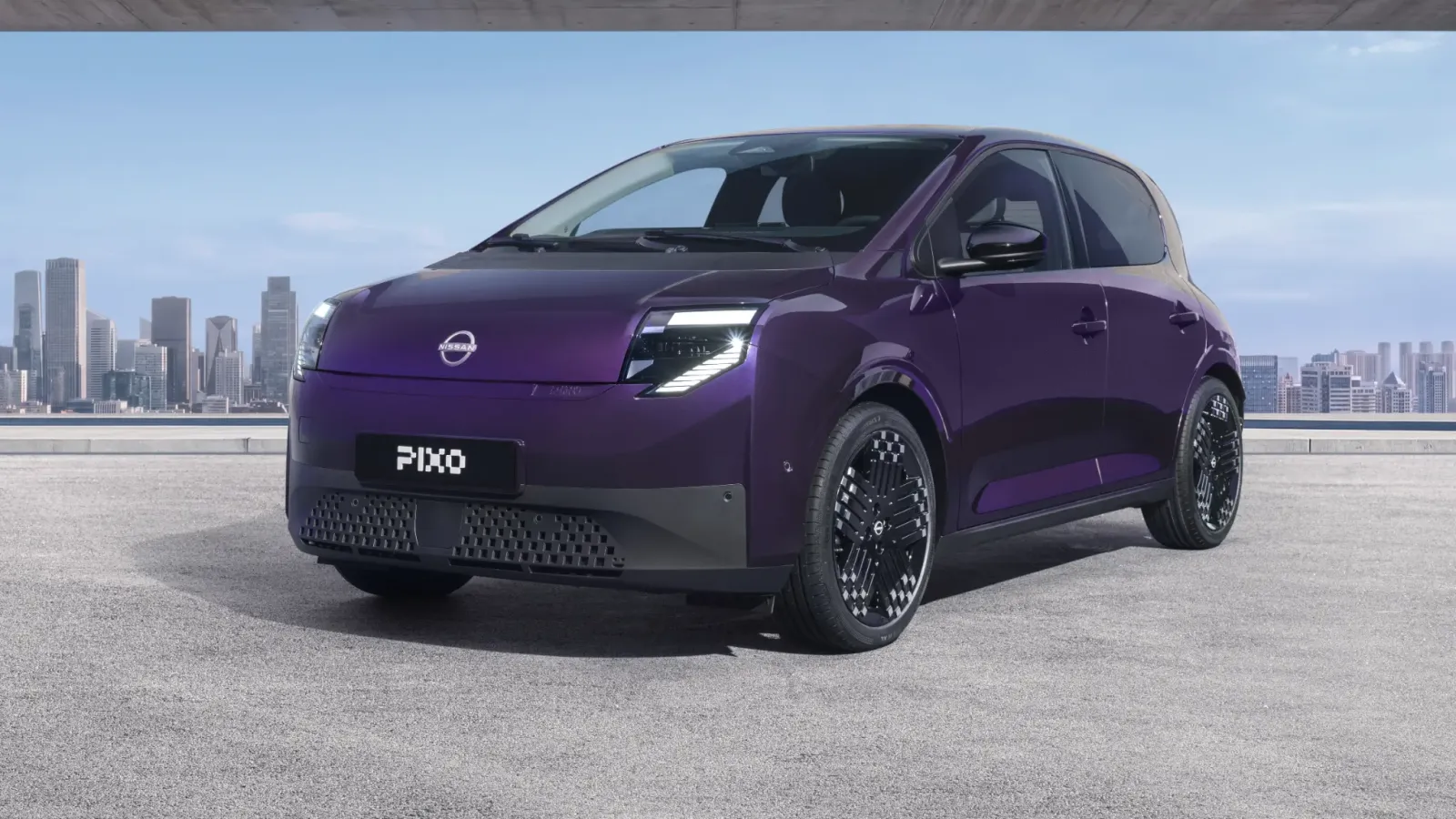
The Nissan Pixo is back, now electric, with 82 horsepower, a range of up to 259 km, and a design concept we’re already familiar with from the Renault Twingo.
As the saying goes, there’s no hunger that can’t be satisfied eventually. After years of waiting for affordable electric vehicles, such options are increasing in number, with the Nissan Pixo being the latest addition to this group.
This is the third model in a strategy that Renault Group is using to make small electric cars cheaper: one common technical platform paired with multiple brands and different body styles.
The Renault Twingo was the first to launch, followed by the new Dacia Spring, and now the Pixo comes next. All share the same platform, electric motor, battery, and various other components. The idea is simple: to utilize the same investments and components across multiple models to reduce costs and make electric cars affordable below the 20,000 euro threshold.
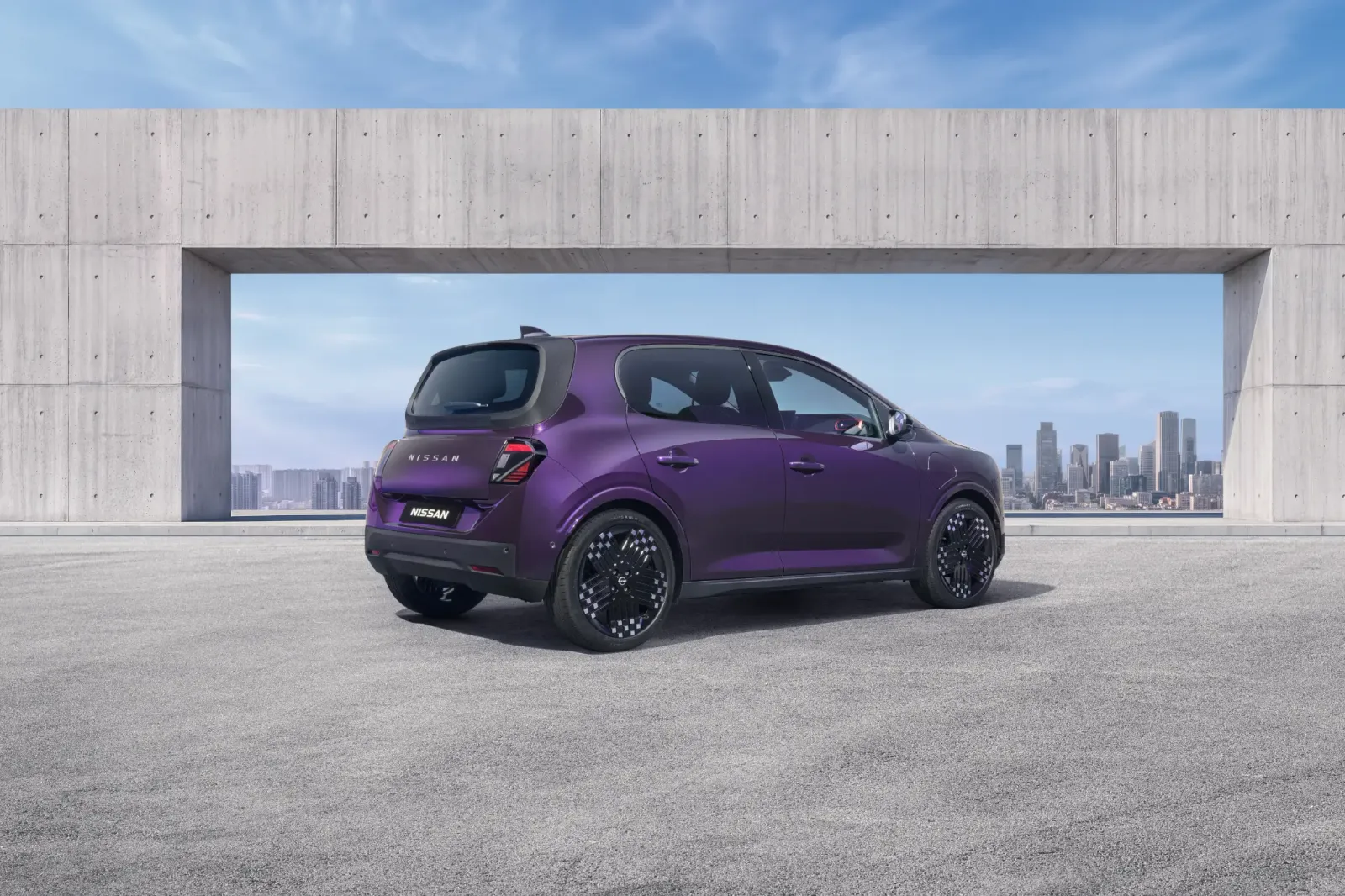
Family ties
Produced at the same factory as the Twingo in Novo Mesto, Slovenia, the Nissan Pixo does not completely hide its origins while still managing to establish its own identity.
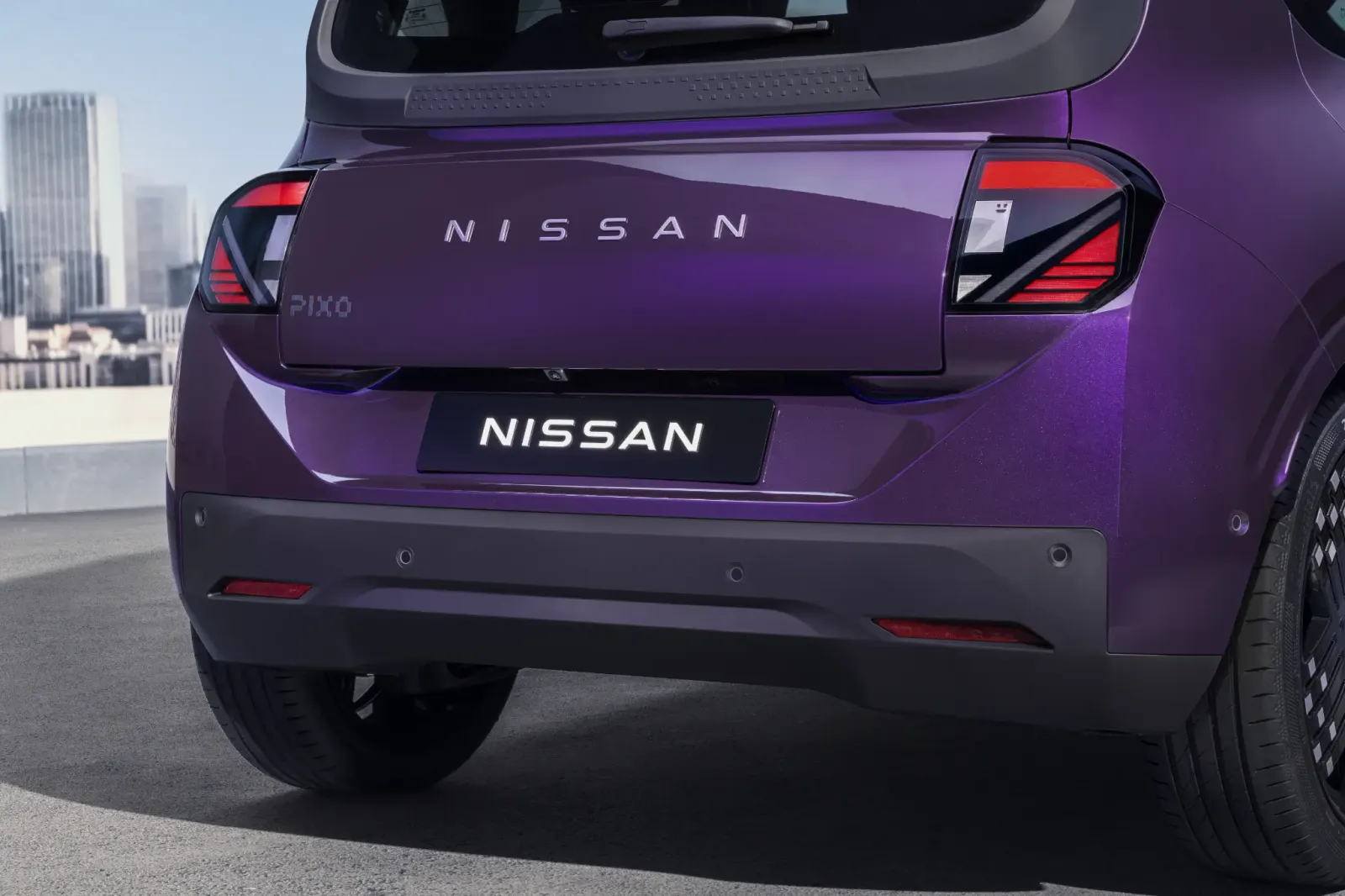
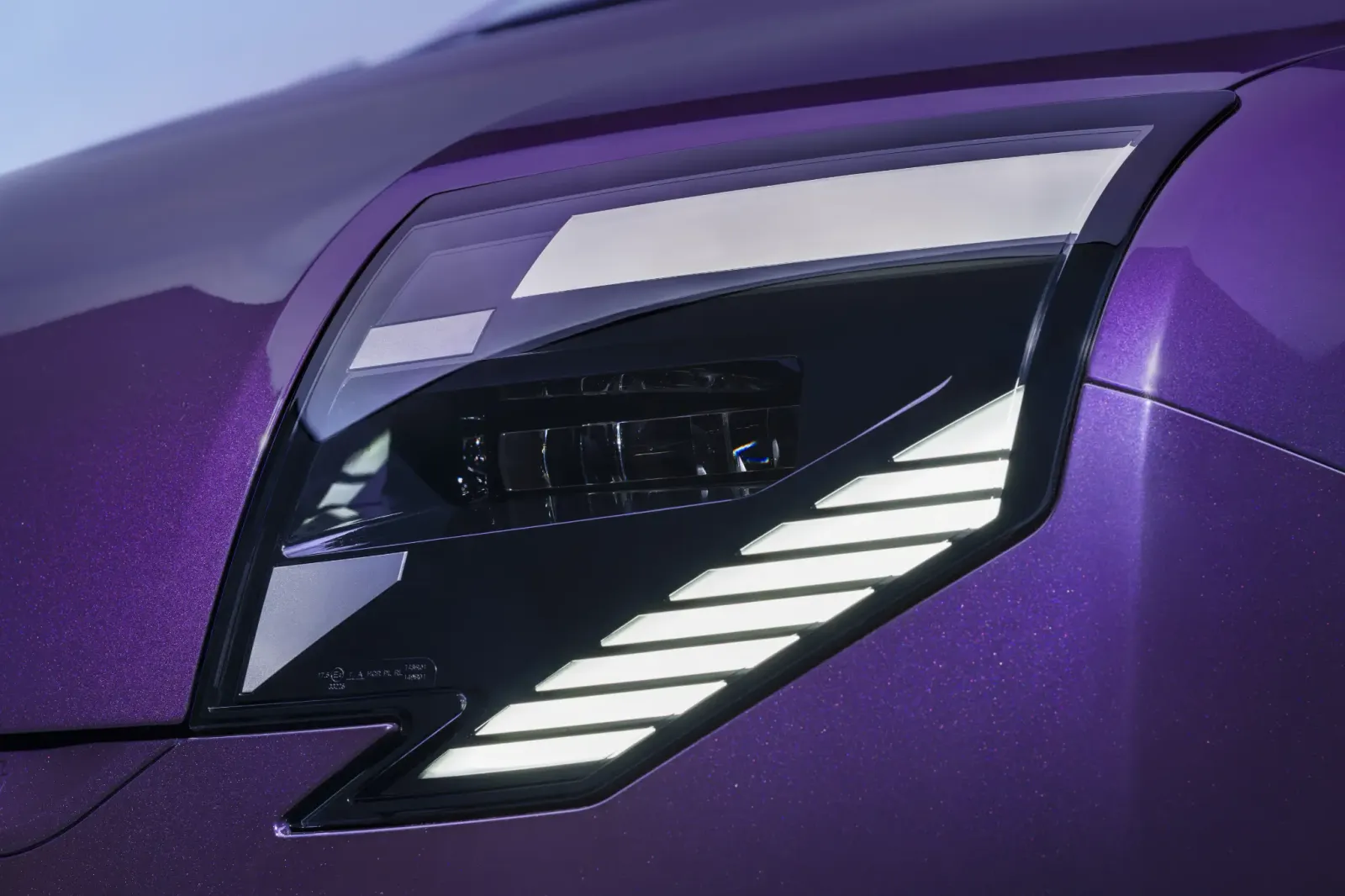
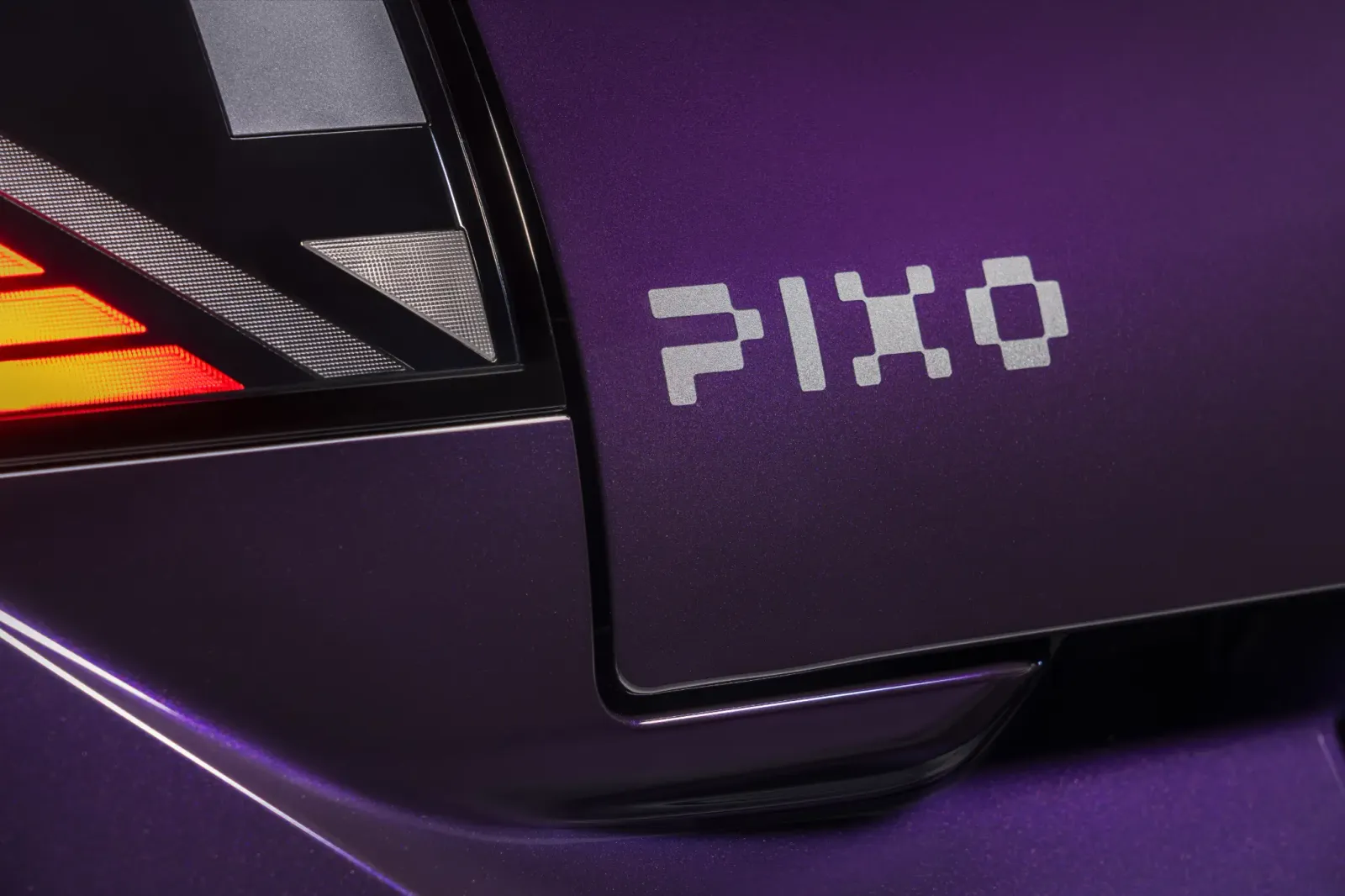
The front features a distinct design with a pixel-inspired lighting signature, a closed grille, and an outline the brand claims is inspired by a robot’s face. The rear also includes new optical groups, while the wheels are adorned with graphic elements based on the same theme.
3 images
And there’s more: Nissan hid 23 small graphic details throughout the body and interior. This number wasn’t chosen randomly—the pronunciation of 23 in Japanese resembles “Nissan.”
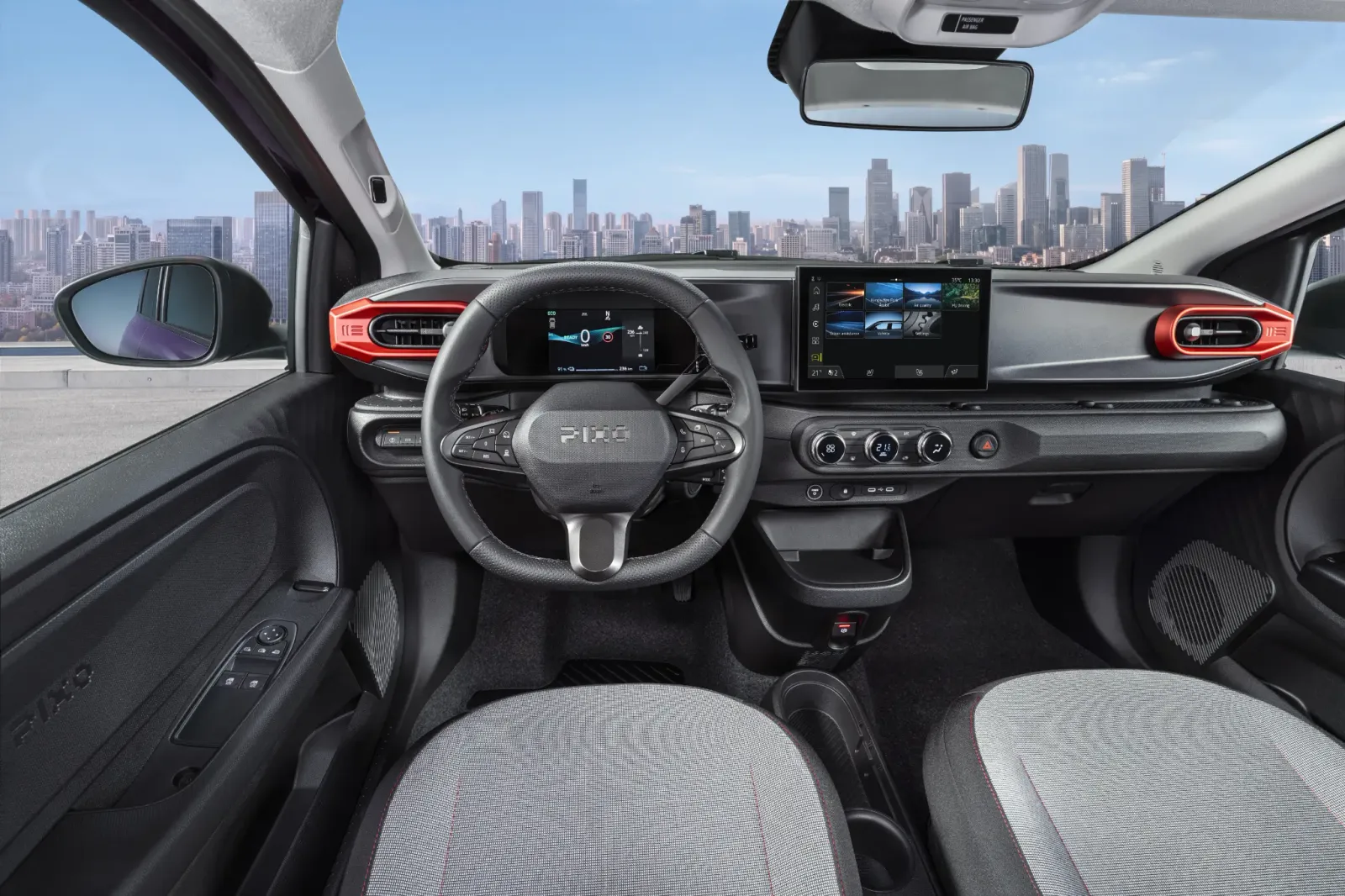
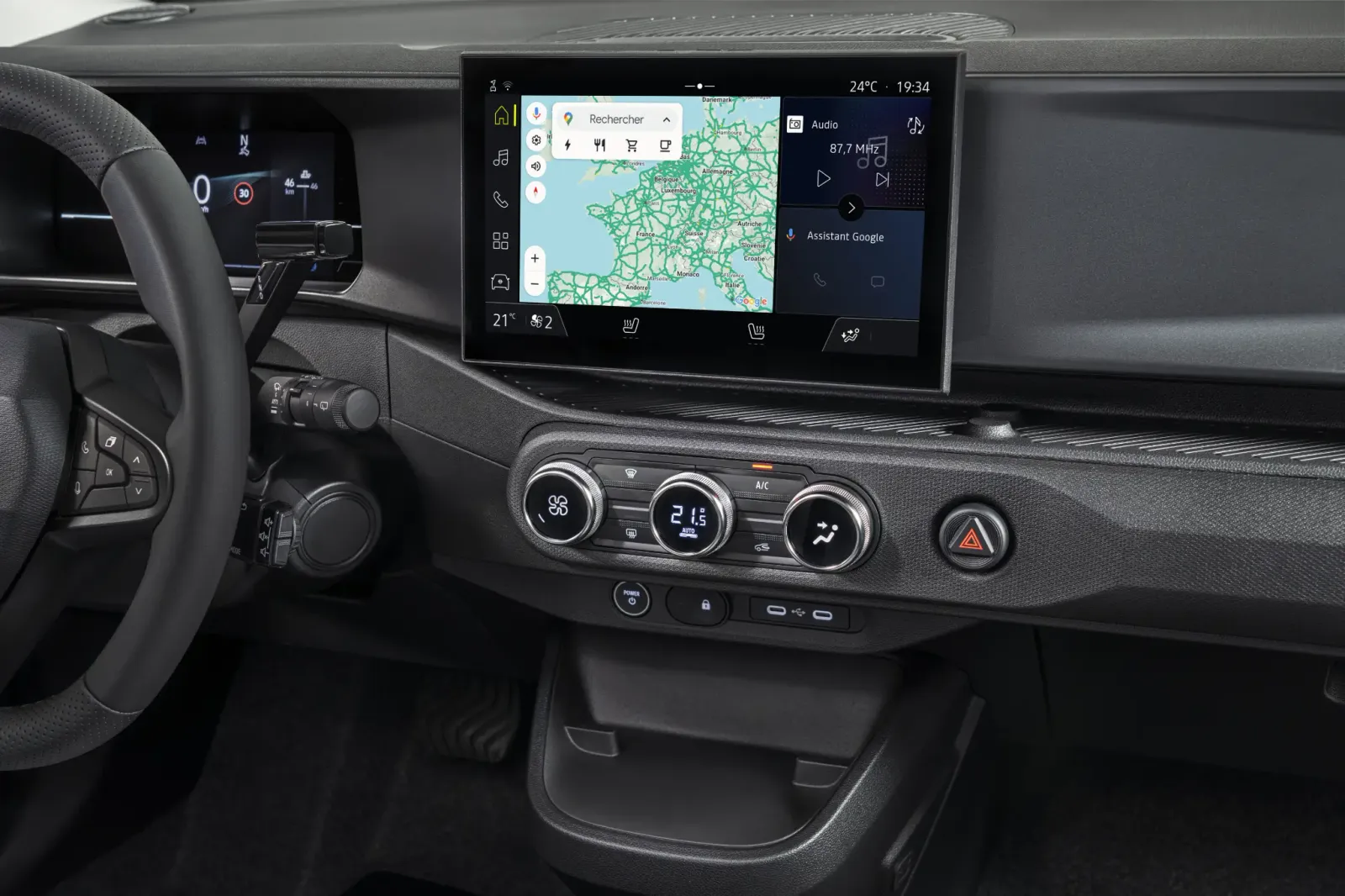
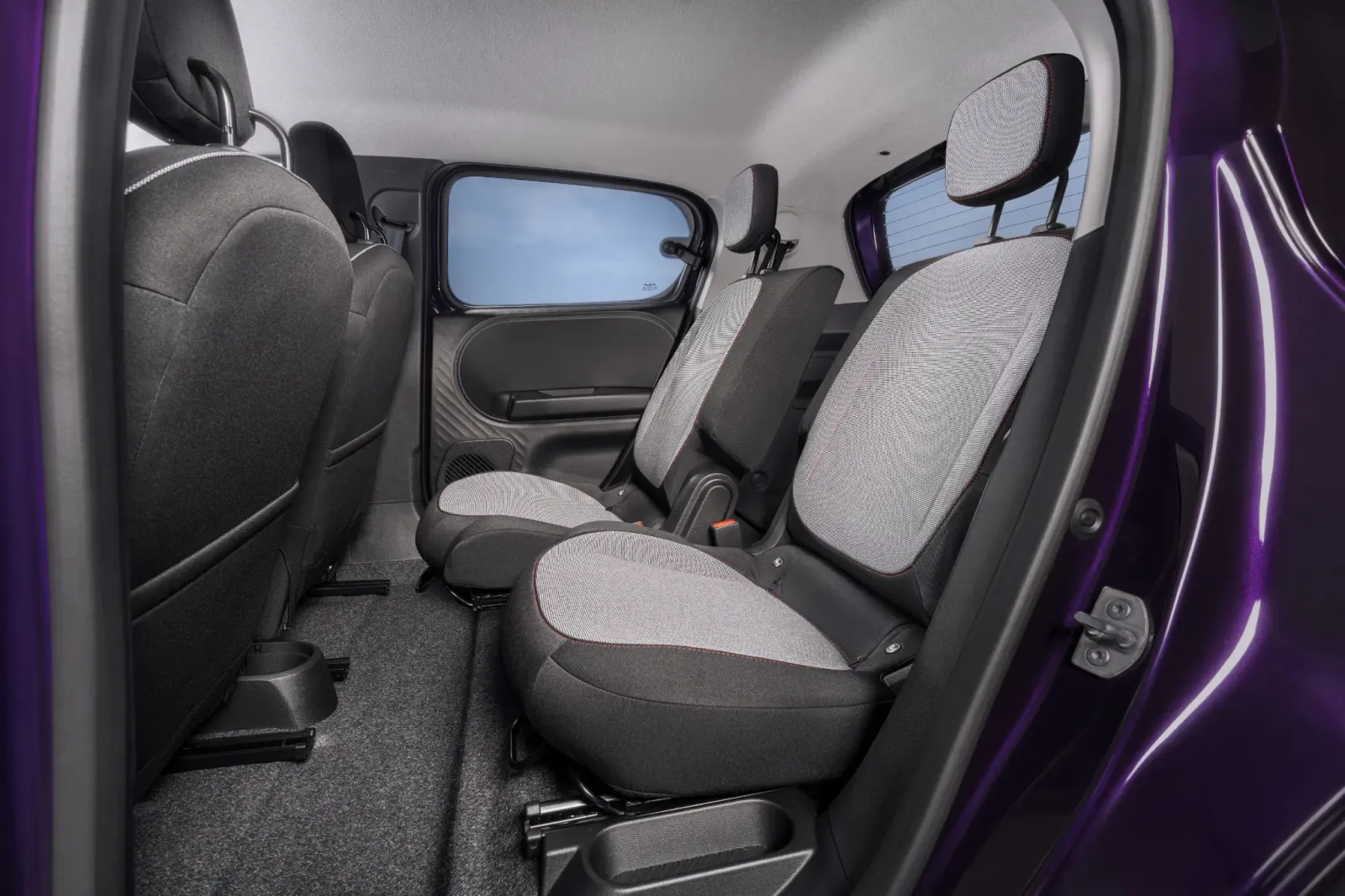
While Nissan aimed to make a difference on the outside, the interior tells a different story. The Pixo retains much of what we found in the Twingo, including the steering wheel, dashboard, controls, and infotainment system. The digital instrument panel is 7″, while the central screen measures up to 10″.
4 images
The major highlight is the focus on connectivity. The Pixo will have Google integrated, and for the first time in its class, according to Nissan, it will feature Gemini assistant, allowing interaction with the vehicle through voice commands.
It also includes Face ID for facial recognition, capable of identifying the driver and restoring their settings, while the MyNissan app enables remote control of various vehicle functions, including charging.
Discover your next car:
Familiar mechanics
If there are visual differences, underneath the bodywork everything is practically identical between the Japanese model and its French “cousin.” First and foremost, it has the same 27.5 kWh battery with LFP technology, the first battery of this type in a Nissan sold in Europe.
The maximum range claimed is 259 km (WLTP), while 50 kW DC fast charging is standard, allowing the battery to go from 15% to 80% in about 28 minutes. For AC charging, it supports up to 11 kW and also features two-way charging.
3 images
Last but not least, and still in the name of efficiency, the e-Pedal is available, enabling acceleration, deceleration, and stopping the vehicle primarily using the accelerator pedal.
Just like in the Renault Twingo and Dacia Spring, this battery also powers an electric motor in the Nissan Pixo with 82 hp (60 kW) and 175 Nm of torque delivered to the front wheels.
When will it arrive and how much will it cost?
To further distinguish the Pixo from the Twingo, Nissan has introduced exclusive colors such as Wonder Purple and Gear Blue, in addition to the pixel-inspired graphic elements already mentioned. All of these features help make the Pixo easily recognizable from its French counterpart, despite their technical similarities.
First deliveries are expected at the beginning of 2027. Nissan has not yet revealed prices for Portugal or other European markets, stating that this information, along with the final specifications per market and the start of pre-orders, will be available at the beginning of 2027. Nevertheless, it is expected that the starting price will be below or around 20,000 euros.