
NIO sold 111,638 cars in that quarter. In China, it outperformed BMW, Mercedes, and Audi.
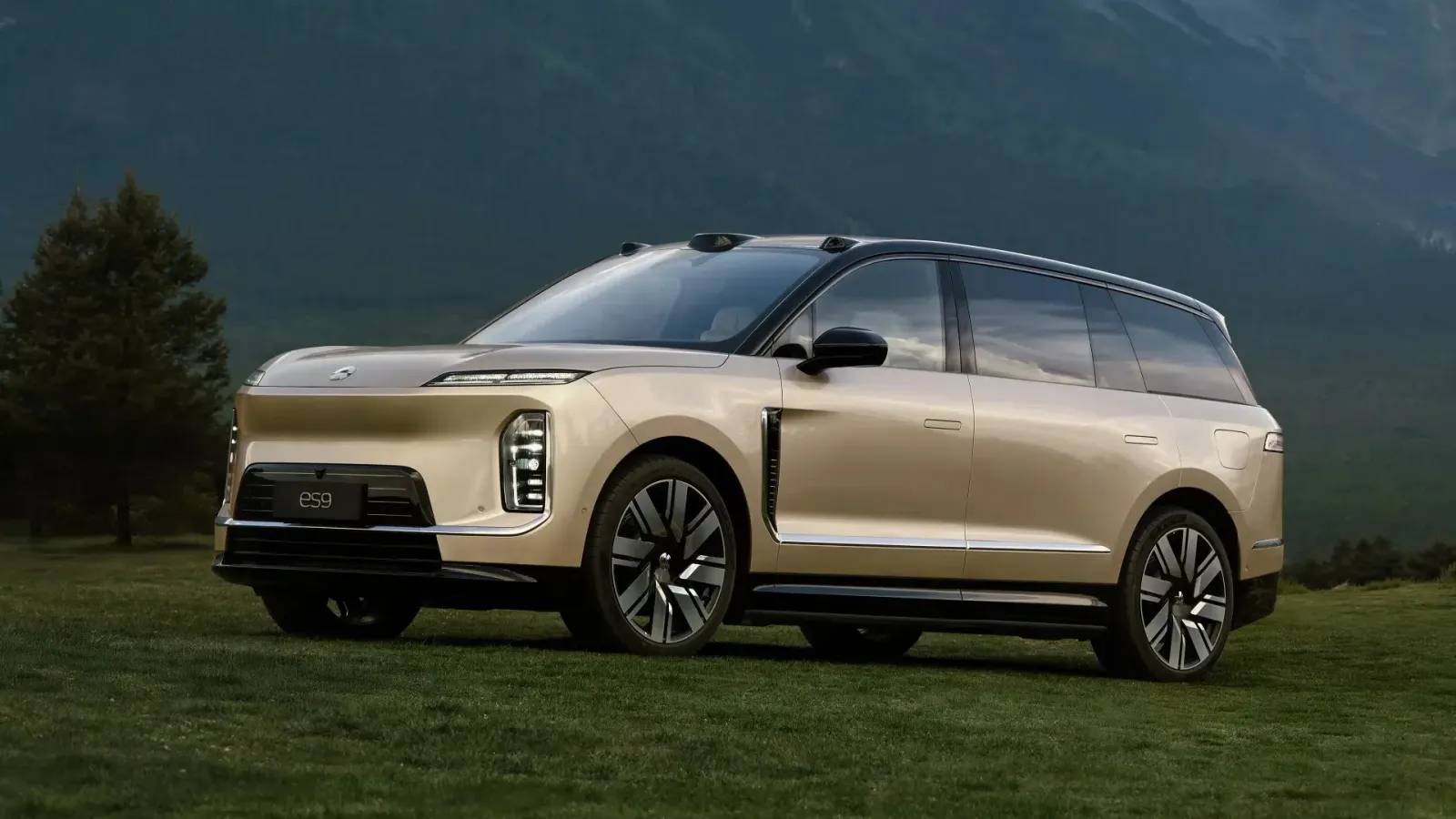
NIO sold 111,638 vehicles in China during the third quarter of 2026. According to final registration data from Wilson, cited on October 19 by NIO President Qin Li Hong, the Chinese brand surpassed BMW, Mercedes, and Audi in a single quarter for the first time.
This is not a global victory over the German automakers, but a strong signal from their most important Asian market. The data comes from an external analytics firm, but it was provided by a NIO representative rather than competitors.
NIO ahead of the entire German trio
The BMW Group, including Mini, recorded 107,210 registrations in China, Mercedes-Benz along with Maybach and Smart achieved 99,592, while Audi had 94,597. The comparison isn’t perfectly equal because two of the figures include additional brands. This does not change the order.
NIO’s advantage wasn’t limited to the national rankings. The company surpassed all three German competitors in eight provincial-level regions and 40 cities, including Beijing, Shanghai, and Guangdong province. In another 24 cities, it outperformed two of the three rivals, and in 30 more cities, it beat just one.
In September, the manufacturer delivered 37,408 vehicles. This was 7.7% more than the previous year and 4.3% higher than in August.
ES8 and ES9 reach customers as premium gasoline models lose ground
According to Qina, the new generation of ES8, priced at around 400,000 yuan, or $59,900, is expected to reach 160,000 units delivered by October. The ES9, priced at about 500,000 yuan, or $74,800, has exceeded 32,000 deliveries in five months. These figures are provided by NIO and lack independent confirmation from competitors’ data.
The backdrop for brand growth is the rapid shift away from internal combustion engines by Chinese consumers. According to the China Passenger Car Association, luxury gasoline car sales dropped 41% year-on-year in September, while overall traditional gasoline vehicle sales fell by 43%.
NEV vehicles, namely electric and other electrified models classified in China as new energy sources, now account for 67% of the passenger car market. Battery-electric vehicles alone contributed a record 47.3% of this share.
NIO supports sales through its own infrastructure. As of October 19, the company reported 9,666 charging and battery swapping facilities in China. Of these, there were 4,186 battery swap stations and 5,480 charging stations with 31,619 charging points.
The result of a single quarter does not yet determine a lasting shift in the balance of power. It does show, however, that in China, premium electric brands can already surpass any of their German competitors, and not just thanks to a single best-selling model.
LovEV Newsletter
Want more content like this?
Sign up — we’ll send you a weekly roundup once the newsletter starts.