
NIO sees significant growth in sales and revenue in Q2
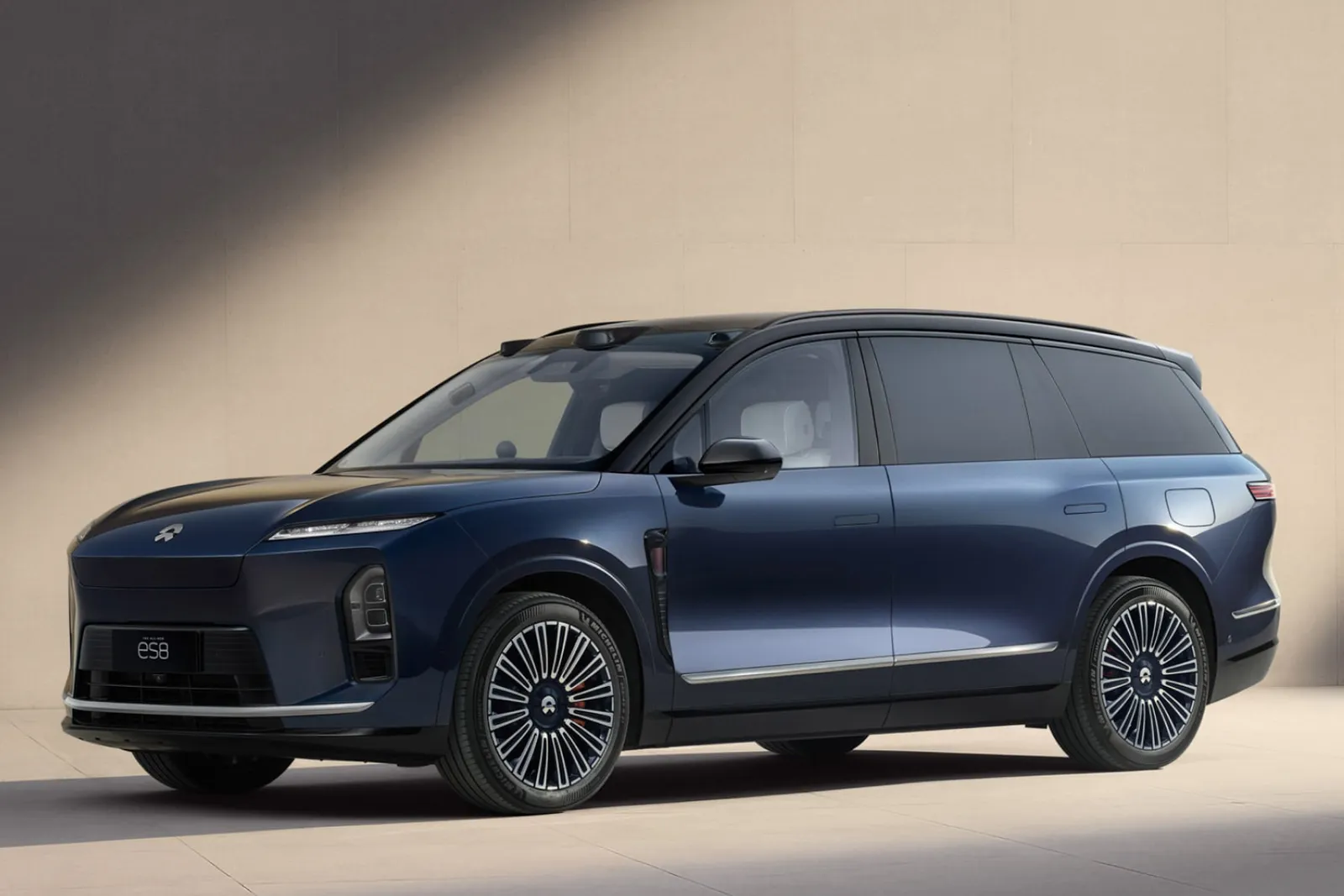
The Chinese electric vehicle manufacturer Nio sold 107,658 vehicles in the last quarter, which is 49.4 percent more than in the second quarter of 2025. Meanwhile, revenue increased by 69.1 percent to 32.1 billion yuan (approximately 4.1 billion euros). The net loss also decreased significantly.
First, regarding deliveries: they totaled 107,658 vehicles in the second quarter of 2026, representing a 49.4 percent increase compared to the second quarter of 2025 and a 29.0 percent rise versus the first quarter of 2026. These deliveries consisted of 60,945 vehicles from the main brand Nio, 29,124 vehicles from the Onvo brand, and 17,589 vehicles from the Firefly brand. According to CEO William Bin Li, the high-end SUVs Nio ES8 and ES9 are currently performing particularly well, as are the mid-range SUVs Onvo L90 and L80, along with Firefly, which has been ranked number one among “high-quality compact cars” in China for 15 months now.
In total, this is also only the second time that Nio has exceeded the 100,000 deliveries mark in a single quarter – the company from Shanghai first achieved this in the fourth quarter of 2025, with that period traditionally being the strongest for sales among Chinese automakers.
Nio expects further sales growth in Q3/2026
The Nio management anticipates another improvement for the current quarter from July to September: “For the third quarter, we expect deliveries between 108,000 and 111,000 vehicles, which represents growth of 24.0% to 27.5% compared to the previous year,” says Nio CEO William Bin Li.
Let’s now examine what sales performance in Q2/2026 means for Nio’s finances: Revenue from the vehicle business rose even more sharply than sales volumes themselves, increasing by 80.1 percent compared to the second quarter of 2025 and by 27.5 percent compared to the first quarter of 2026. It reached around 29 billion yuan (approximately 3.7 billion euros) in the second quarter of 2026. The fact that vehicle revenue grew more significantly than sales volume indicates that Nio has managed to substantially raise the average selling price per vehicle. This price was recently around 38,600 euros, up from 32,000 euros in Q2/2025 (based on our own calculations). However, this is only a rough estimate, as vehicle revenue in Q2/2026 does not necessarily align exactly with the delivery dates from an accounting perspective.
At the same time, Nio was able to achieve a gross margin of 18.5 percent in its vehicle business segment during the second quarter of 2026, compared to 10.3 percent in Q2/2025 and 18.8 percent in Q1/2026. This means that the production of vehicles themselves is already profitable. However, this figure overlooks important items such as research and development, marketing and sales, administration, other operating expenses, interest, and taxes.
Nio significantly reduced its losses
This also explains why Nio still reports a loss on an overall basis, although the deficit has now decreased significantly: The net loss in the second quarter of 2026 was 528 million yuan (approximately 68 million euros), compared to a net loss of 4.99 billion yuan (approximately 640 million euros) in Q2/2025.
The quarterly report says nothing about the weak overseas performance: last year, only 1,129 new vehicles were registered in Europe across all seven countries where Nio is active. Recently, it was reported that Nio intends to slow down its overseas expansion and focus more on China. This aligns with the company’s recent closure of its representative Nio House in Hamburg.