
NIO remains in Europe and chooses a new direction: ONVO will follow in 2028-2029

It has been a turbulent few months for NIO in Europe. Sales have declined, and the brand has adjusted its European organization and approach. However, those who conclude that NIO is leaving Europe are drawing the wrong conclusion according to the company. Founder and CEO William Li is in Europe this week to explain the new strategy: NIO intends to stay but will adopt a different approach.
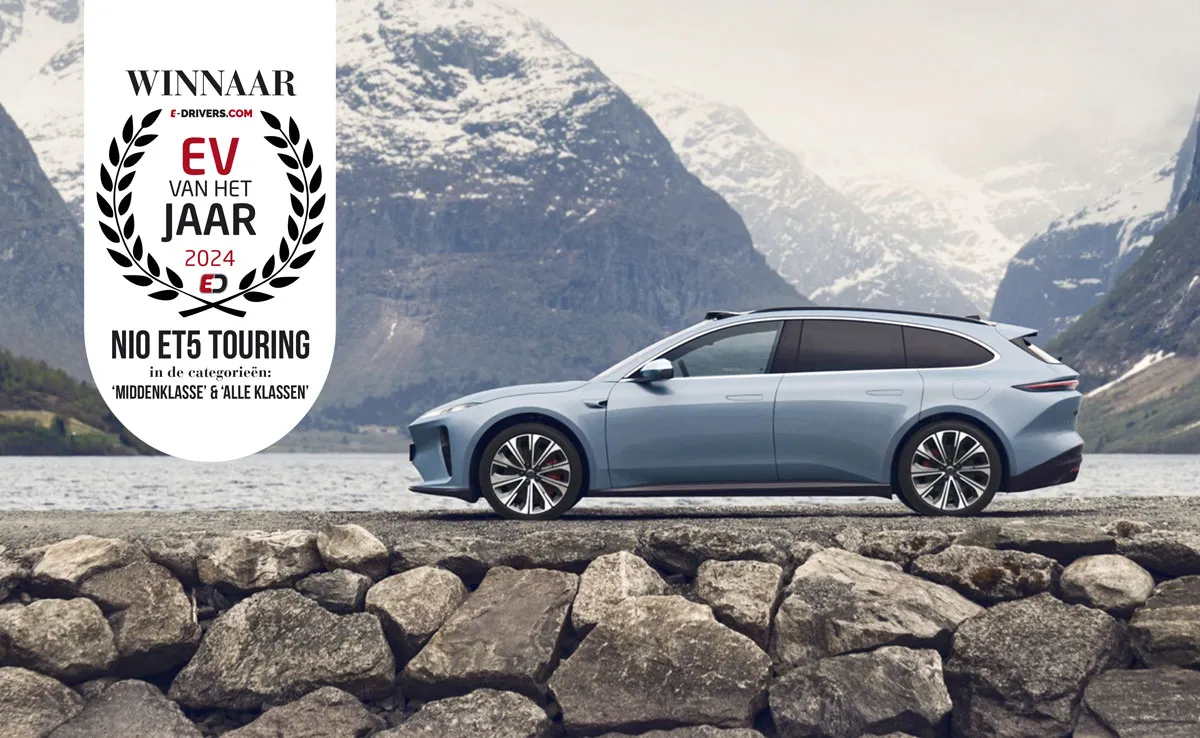
Appreciation for NIO’s models has never been an issue. In the “EV of the Year” vote on e-Drivers.com, the NIO ET7 received the most public votes in 2023. A year later, the same happened with the NIO ET5 Touring. Yet so far, NIO has failed to turn this appreciation into strong sales figures in Europe. That’s exactly where the new European strategy aims to make a difference.
NIO wants to grow more strategically, paying more attention to local markets and taking European preferences into account earlier in decisions regarding new cars. At the same time, the company makes it clear that Europe remains part of its long-term plans. For example, NIO now confirms that the ONVO will come to Europe, expected in 2028-2029.
NIO chooses a different approach in Europe
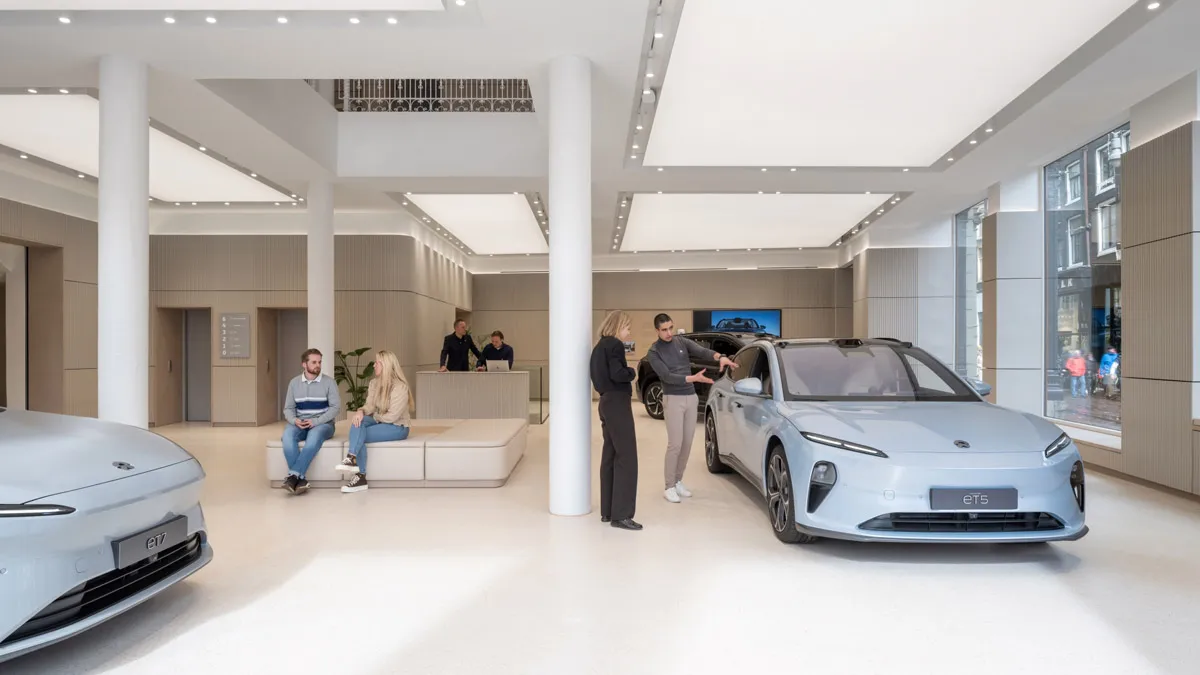
NIO has already begun adjusting its European organization, physical presence, and business model over the past year. According to the company, these are not isolated changes but part of a broader shift in its European strategy. The focus is shifting away from rapid expansion toward determining which products, markets, and sales models truly complement each other.
William Li does not see this shift in strategy as a sign of weakness. According to the NIO CEO, the company is actually in a stronger position than when it began expanding into Europe a few years ago. “NIO is a stronger company today than when we first started expanding into Europe. We are growing, our operational performance has improved significantly, and our products are proving themselves in one of the most competitive automotive markets in the world,” said Li.
According to him, the teams have also shown over the past year that they can adapt products, services, and business operations to achieve set goals. NIO maintains that its international ambitions have not disappeared. However, expansion may proceed more slowly than originally planned. The company no longer aims to enter new markets quickly but first assesses whether the product, market, and business model fit well together.

Europe remains important for NIO
This clearly does not mean that NIO is withdrawing from Europe. Li still sees great potential in the European market, but wants to take the next steps more cautiously. “We remain firmly confident in Europe’s long-term potential. That’s why we are taking our next steps in Europe deliberately and methodically, at a pace that enables sustainable growth rather than pursuing expansion as an end in itself,” says Li.
This is perhaps the most significant change compared to NIO’s initial European phase. While there was initially a strong focus on expanding into new countries and building its own organization, the company now prefers a more tailored approach. In selected markets, NIO remains directly active, while in other countries it can collaborate with local distributors.
European customers gain more influence
Another key aspect of the new strategy is that European customers and local market knowledge should be incorporated earlier into decisions regarding future vehicles and services. NIO aims to take local market needs into account more promptly and systematically in its product and business decisions going forward.
This aligns with the concept of the “User Enterprise,” through which NIO has tried to distinguish itself from the start. During his European visit, William Li spoke again with users about their experiences with the brand. “NIO is built as a User Enterprise, and that remains one of our greatest strengths. Our users tell us very directly what works, what is missing, and what they expect from us. I experienced this again during my talks here in Europe,” said Li.
According to Li, NIO has an active and loyal group of users in Europe. Their feedback should play a bigger role in future product decisions and the further development of the brand.
The positive reception for models like the ET7 and ET5 Touring shows that NIO can indeed make a strong impression technically and in terms of product concept. The main challenge lies in translating this into a range of products and business model that will allow the brand to play a bigger commercial role in Europe.

Existing NIO owners will continue to be supported
The company is trying to send a clear message to existing NIO owners. According to NIO, services, warranties, parts, and connected services will remain available throughout the vehicle’s lifecycle. The brand’s support services and community also stay part of its global business model.
This is relevant now as NIO reorganizes its European presence. It is precisely changes in sales channels or a brand’s physical footprint that can raise questions among existing customers about service and support. Therefore, NIO emphasizes that the adjustments to its European business model do not mean leaving Europe.
ONVO aims to reach a larger European audience
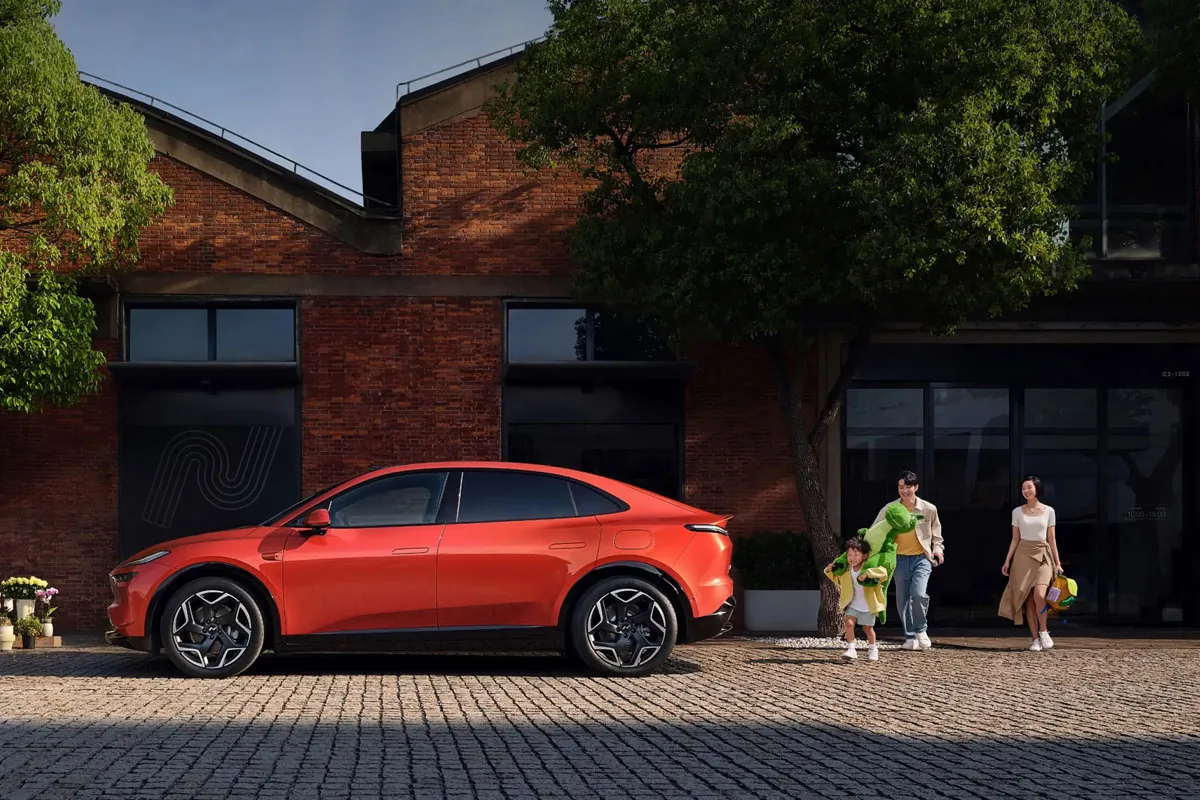
A concrete proof that NIO still has European plans is ONVO. The second brand under NIO Inc. is now confirmed for international markets and is expected to arrive in Europe around 2028-2029. ONVO focuses more on smart electric family cars, targeting a broader market segment than NIO itself. According to the company, this positioning puts it well suited to reach the more mainstream part of the European market, where a larger customer base can be approached.
Li views the company’s experience in China as a significant advantage. “Based on our experience in China, the most competitive auto market in the world, we develop ONVO models with the cost structure needed to compete globally,” said NIO’s CEO.
According to Li, this provides a solid foundation for further international growth. NIO also says it continues to explore opportunities for both the NIO and Firefly brands in Europe. Which models eventually reach which European markets will increasingly depend on local demand and whether a viable business model can be established.
NIO continues to grow strongly worldwide
The challenging situation in Europe stands in sharp contrast to NIO’s global development. In the first half of 2026, NIO Inc. delivered 191,123 vehicles, 67.4 percent more than in the same period a year earlier. Revenue rose by 85.8 percent to $8.44 billion.
Gross profit also improved significantly, reaching $1.57 billion, 282.2 percent higher than a year prior. NIO further reported that it achieved a positive adjusted operating profit in the second quarter. By the end of that quarter, the company had $56.7 billion in cash, investments, and deposits.
According to NIO, this improved operating position provides a stronger foundation for further growth internationally. Li emphasized that NIO is now a more robust company than at the start of its European expansion.
Slower pace might actually be wise
NIO’s European ambitions haven’t disappeared, but they have become more realistic. The company seems to have learned from its early years in Europe. Good cars and user satisfaction alone are not enough if the product lineup and business model do not adequately fit the local market.
Where expansion used to be the main focus, it is now more about delivering the right car at the right time in the right market. ONVO could play a significant role in this starting around 2028 or 2029, while European users should have more influence over future products.
It might sound less spectacular than opening new markets at a rapid pace. But for NIO, it is precisely this combination of greater local focus, better market alignment, and less haste that could provide a stronger foundation for establishing a lasting presence in Europe.
Text: Marc Verweij