
Nigeria exempts electric vehicles from import duty and VAT
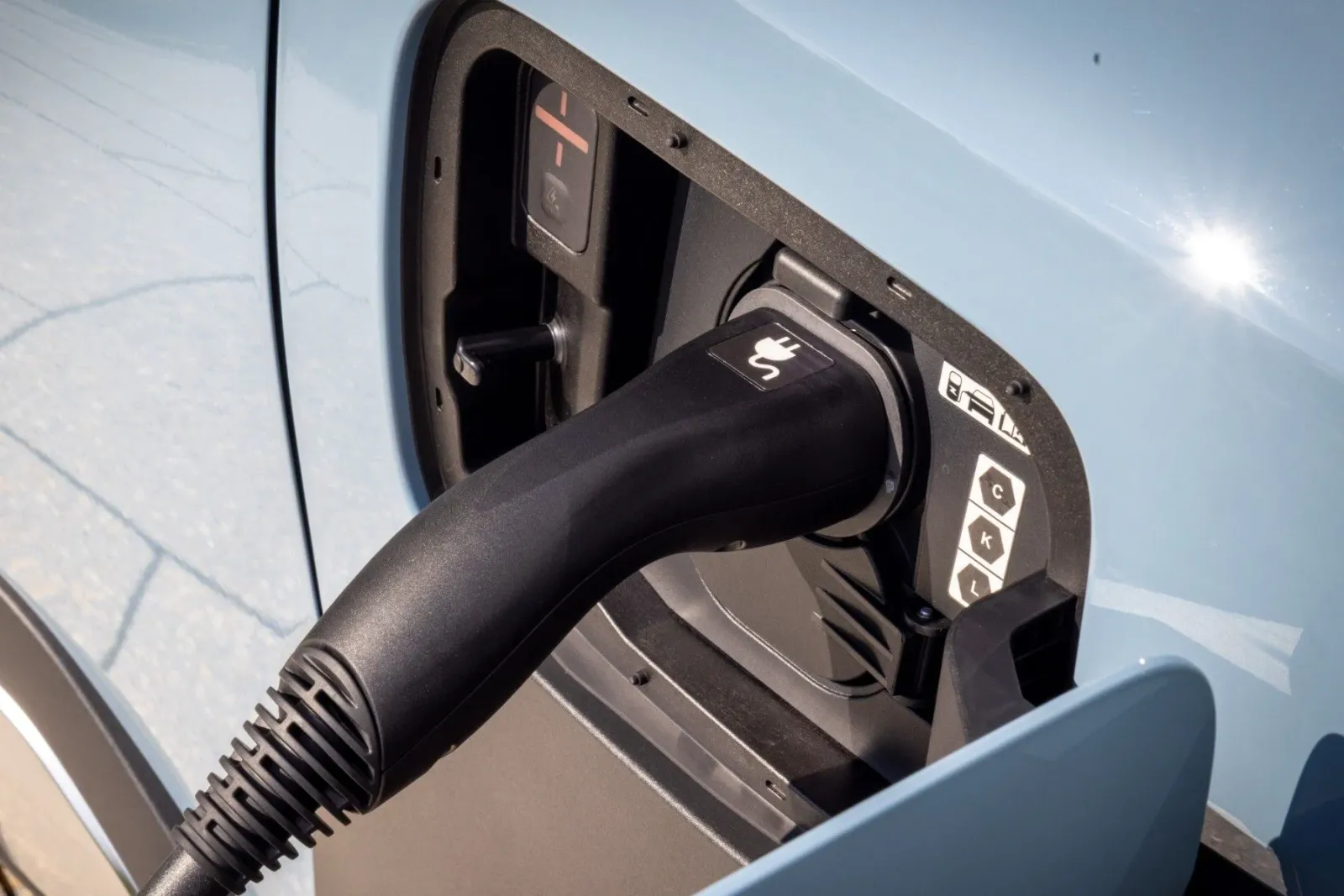
The Nigerian government has introduced tax exemptions for battery-electric vehicles and certain EREVs. Importers must obtain an exemption certificate, while hybrids and electric vehicles worth $100,000 or more remain outside the scheme.
Nigeria has introduced new fiscal incentives for electric vehicle imports as part of its Presidential Gas for Growth Initiative. The Nigeria Customs Service (NCS) says eligible vehicles and other products will be exempt from both import duty and value added tax (VAT).
The exemptions apply to pure electric vehicles as well as extended-range electric vehicles (EREVs) with a minimum electric-only range of 200 kilometres. Fully CNG- and LPG-powered vehicles are also eligible, along with certified electric tricycles and motorcycles and certain equipment related to gaseous fuels.
However, hybrid electric vehicles, including petrol-electric and diesel-electric models, remain subject to import duty and VAT. The same applies to luxury vehicles valued at $100,000 or more, meaning high-priced battery-electric models are also excluded from the exemption.
“The implementation of these fiscal incentives is intended to support the Federal Government’s broader objectives of reducing transportation and energy costs, encouraging investment in clean energy infrastructure, expanding the adoption of alternative fuel technologies, and strengthening Nigeria’s energy security and environmental sustainability agenda,” the Nigeria Customs Service stated.
The new import incentives come as Nigeria pursues several measures to accelerate the transition to electric mobility. In November 2025, the proposed ‘Electric Vehicle Transition and Green Mobility Bill, 2025’ passed its second reading in the Nigerian Senate. Among other things, the bill aims to develop domestic EV manufacturing.
Under the proposal, foreign companies entering Nigeria’s electric vehicle sector would have to cooperate with licensed local assemblers and establish assembly plants within three years. By 2030, they would also have to source at least 30 per cent of their components locally. The bill was referred to the Senate Committee on Industry for detailed legislative scrutiny.