
The new BMW i3 is cheaper than a gasoline 3 Series – and goes further
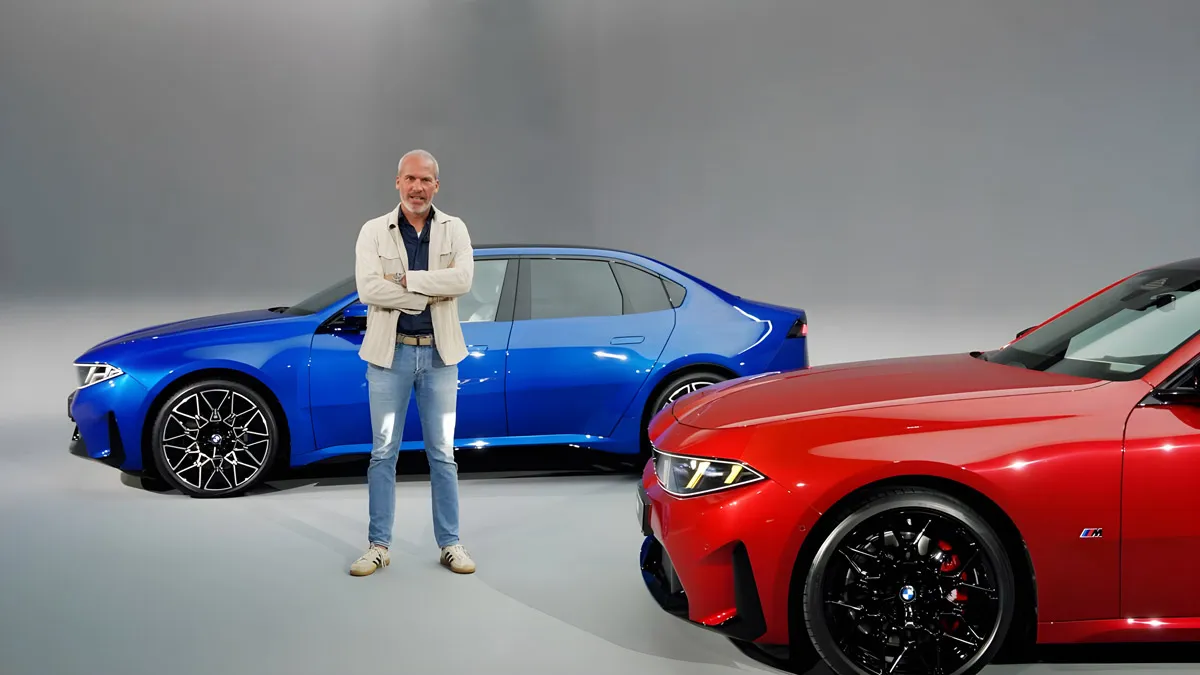
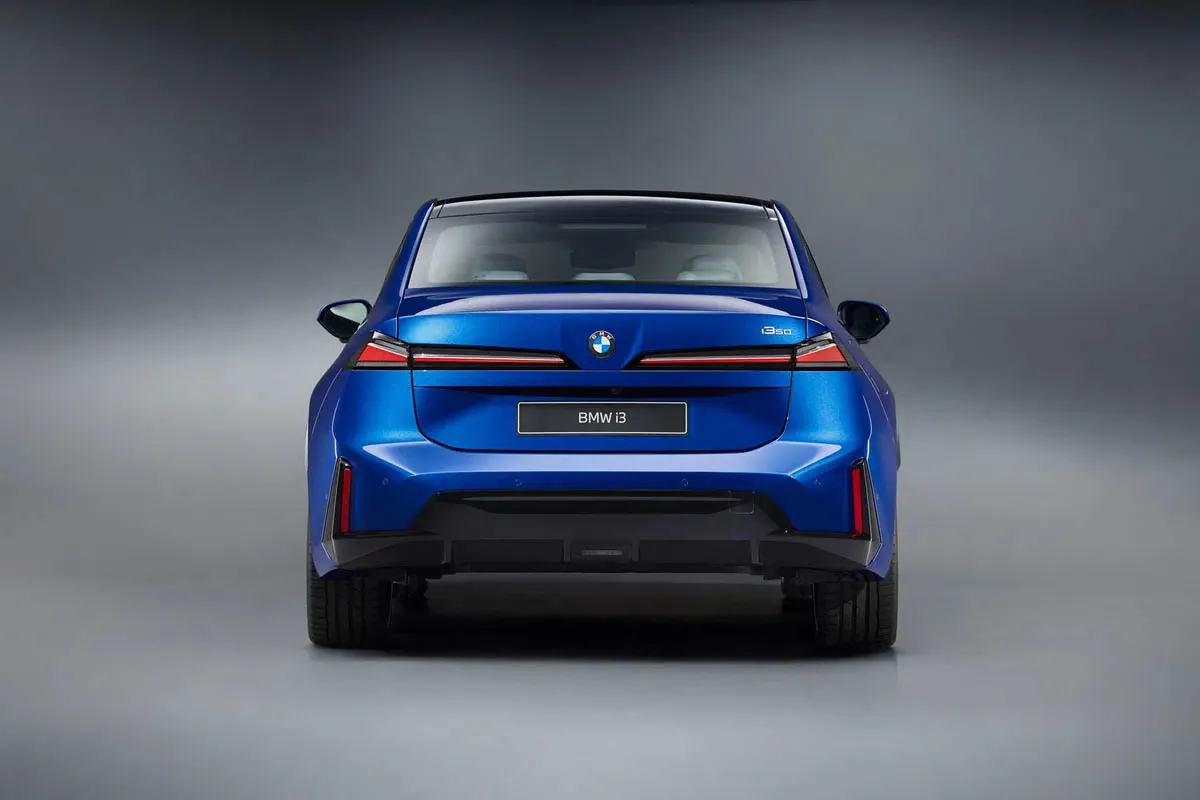
The new BMW i3 and 3 Series look very similar, but technically they are almost completely opposite to each other. Interestingly, the electric i3 is cheaper in the Netherlands than the gasoline version, while the most powerful model, with a maximum WLTP range of 912 kilometers, also offers little in terms of range. We tested both models in Munich.
The BMW i3 flips the script
A few years ago, those who wanted to drive an electric vehicle usually knew what to expect: the EV was more expensive than a comparable gasoline car and covered less distance on a full battery compared to how far that gasoline version could go on a tank of fuel. With the new BMW 3 Series, this familiar picture is starting to change significantly. BMW has placed two cars side by side that look very similar but come from entirely different technical worlds.
On one hand, there’s the new BMW i3, fully electric and developed on the Neue Klasse platform. Meanwhile, the classic 3 Series remains available with gasoline engines, mild-hybrid technology, and later a plug-in hybrid version as well. In a studio in Munich, we were able to view both cars side by side, and it’s there that you can see how deliberately BMW has aligned the two models. The electric i3 no longer needs to look distinctly like a separate EV; it’s simply the electric 3 Series, with the real differences lying primarily beneath the surface.
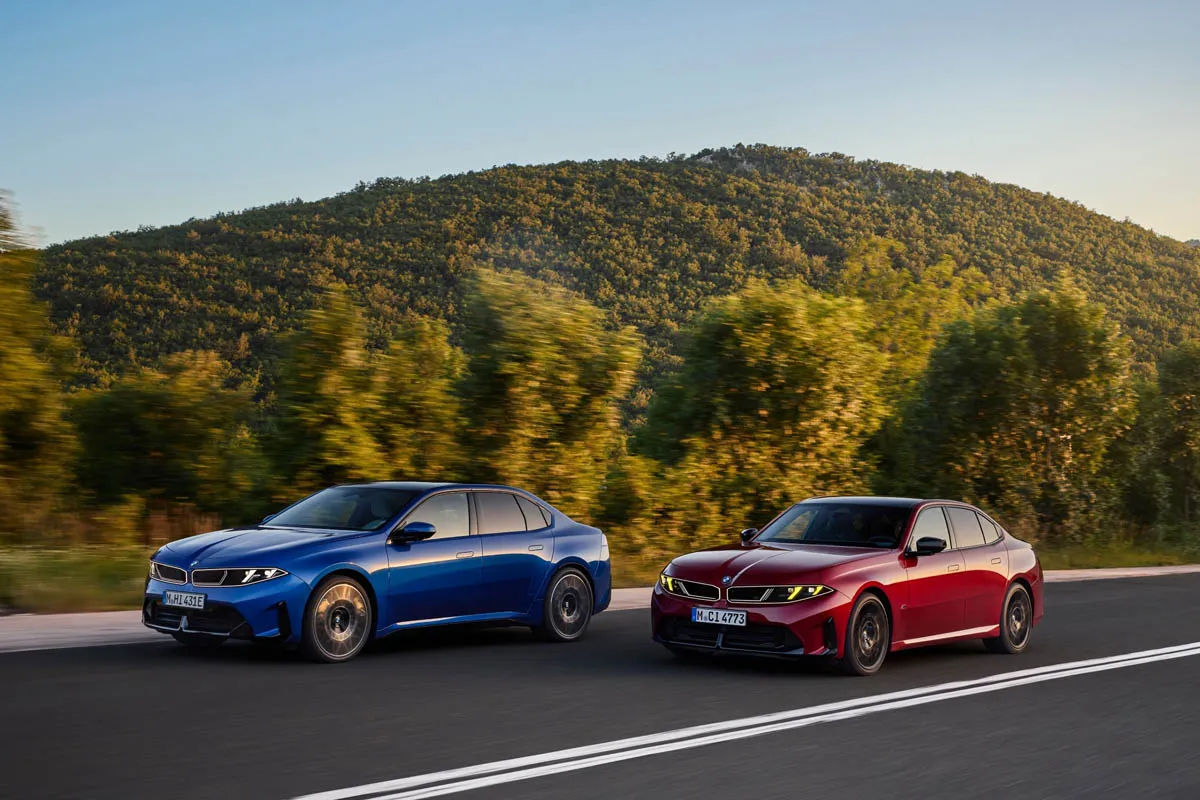
BMW i3 cheaper than the gasoline version
The Dutch price list makes that electric version immediately interesting. The BMW i3 40 xDrive will cost €57,891 starting from November 1, 2026. It comes with all-wheel drive, 374 horsepower, and an official WLTP range of up to 710 kilometers. The cheapest gasoline-powered 3 Series model is the BMW 318, which delivers 156 horsepower, has rear-wheel drive, and costs €60,560.
This means the electric i3 is €2,669 cheaper than the base gasoline version, while also offering more than twice as much power and standard all-wheel drive. This is a comparison that was hardly imaginable just a few years ago.
The gap widens even further when looking at higher models. The BMW i3 50 xDrive costs €63,301 and produces 469 horsepower. With all-wheel drive, it accelerates from 0 to 100 km/h in 4.7 seconds. The BMW 320 costs €64,190, has 211 horsepower, and takes 7.4 seconds for the same acceleration. Once again, the electric version is slightly cheaper despite offering significantly more performance on paper.
This price difference is largely due to the Dutch BPM tax. For the electric i3, it’s only €687, while both the BMW 318 and 320 have a BPM cost of €12,756 included in the retail price. For the much more powerful M350 xDrive, this figure rises to €24,636. The tax regulations give the i3 a significant advantage, but for buyers, this little changes the final price at the bottom of the list.
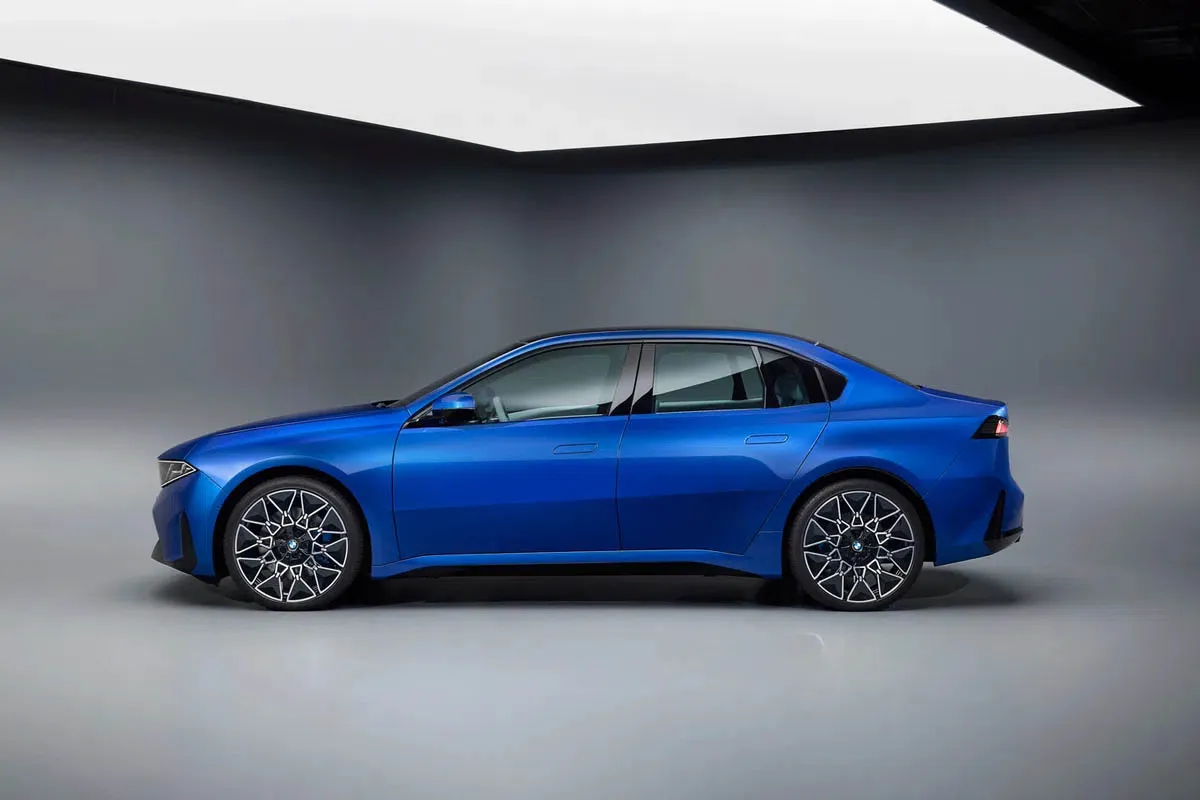
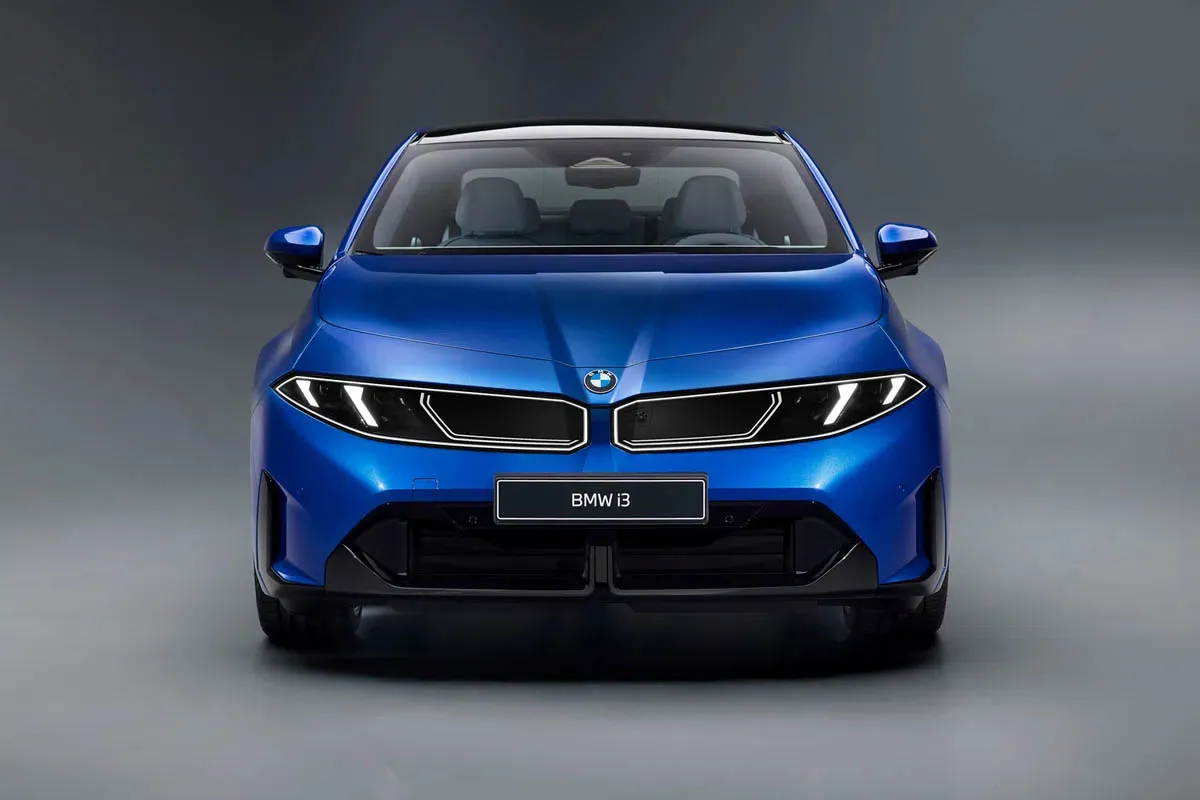
Over 900 kilometers on a single charge
No less impressive is the range of the i3 50 xDrive. BMW claims a maximum WLTP range of 912 kilometers for this version. This puts the electric 3 Series in a category that was until recently almost always associated with diesel or fuel-efficient gasoline cars with large fuel tanks.
A completely honest head-to-head comparison remains difficult. For gasoline cars, BMW does not publish an official WLTP range like it does for EVs. Therefore, you must calculate that distance yourself using the fuel tank capacity and official fuel consumption figures. Still, this development is significant: an electric sports sedan with nearly 470 horsepower that reportedly has a range of around 900 kilometers makes the traditional argument about limited EV ranges much less convincing.
The i3 40 xDrive lags far behind the 50 xDrive with a maximum WLTP range of 710 kilometers, but even that is an impressive figure for an electric sedan with 374 horsepower and all-wheel drive. Especially since this is not an extremely aerodynamic eco-car, but rather a BMW 3 Series with its own dynamic ambitions.
800 volts makes a difference on the road
A large battery pack certainly helps with range, but for long distances it’s especially important how quickly you can continue on your way. That’s why the 800V architecture might be at least as important as those 912 kilometers of range.
The i3 50 xDrive can be fast-charged at up to 400 kW DC under ideal conditions. According to BMW, enough energy can be charged in ten minutes to extend range by up to 423 kilometers. The i3 40 xDrive reaches a maximum of 300 kW and can regain up to 337 kilometers of WLTP range in the same time.
In doing so, BMW brings the technology from the new iX3 to a lower and more aerodynamic model. The sixth-generation eDrive technology is meant to be not only more efficient but also to prevent the large battery pack from becoming a disadvantage while driving. After all, those who travel long distances benefit little from 900 kilometers of range if it requires a lengthy charging stop afterward.
The i3 can also charge bidirectionally. This means the car can, in principle, not only draw power but also supply energy back to the battery pack, for example to a home or ultimately to the electrical grid. How useful this will be in the Netherlands depends on charging equipment, energy providers, and regulations, but technically the i3 is at least prepared for it.
New Technology Without Saying Goodbye to the 3 Series
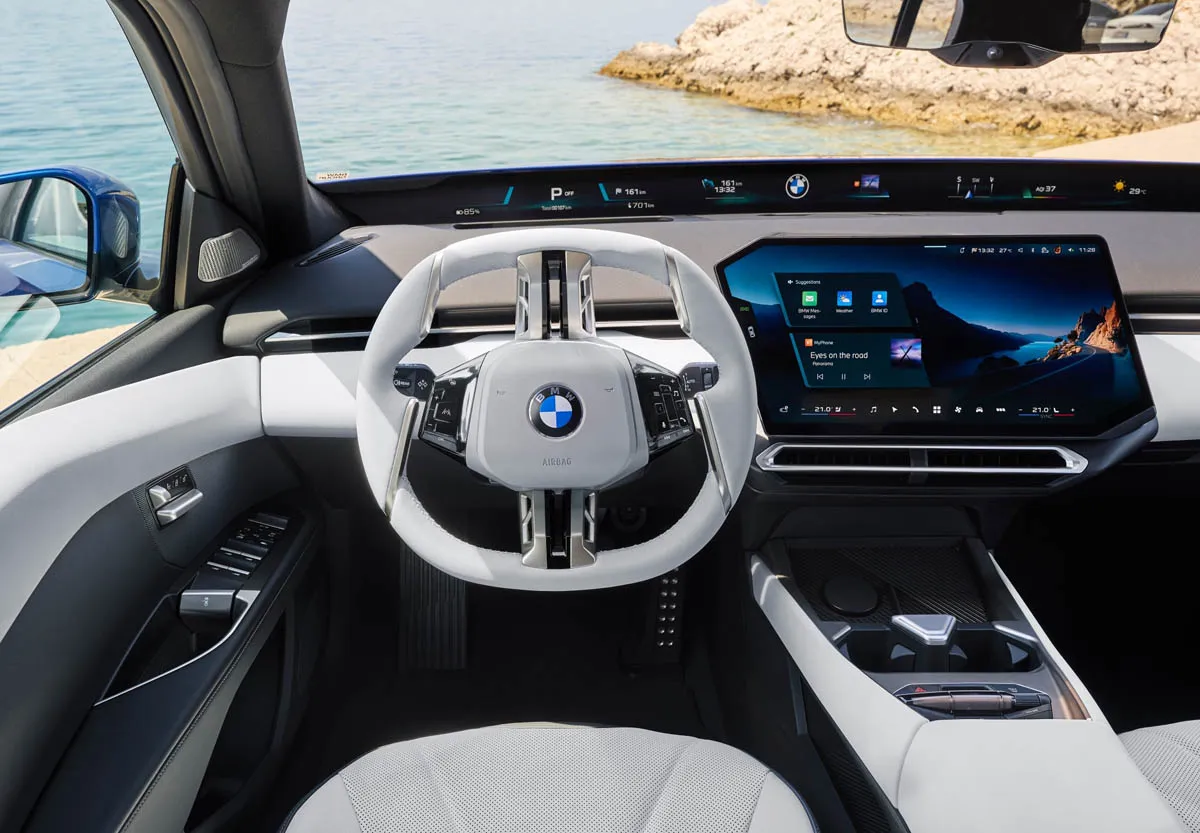
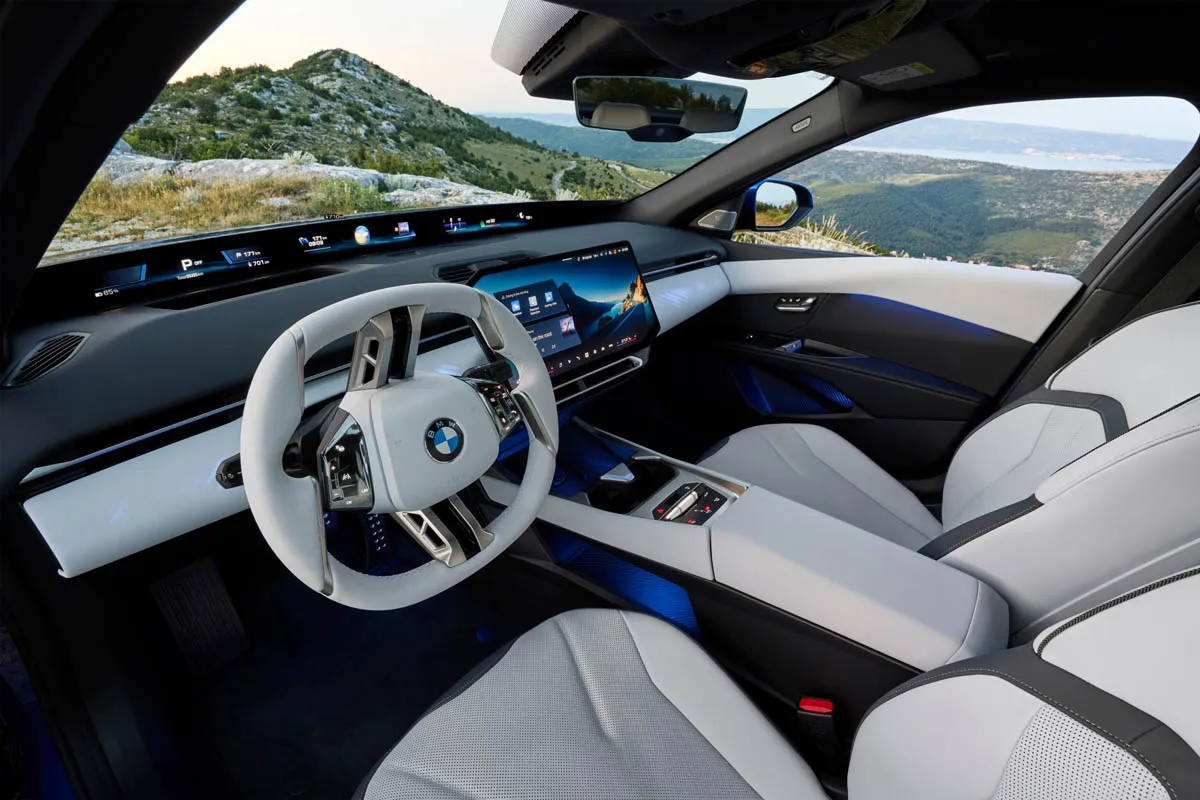
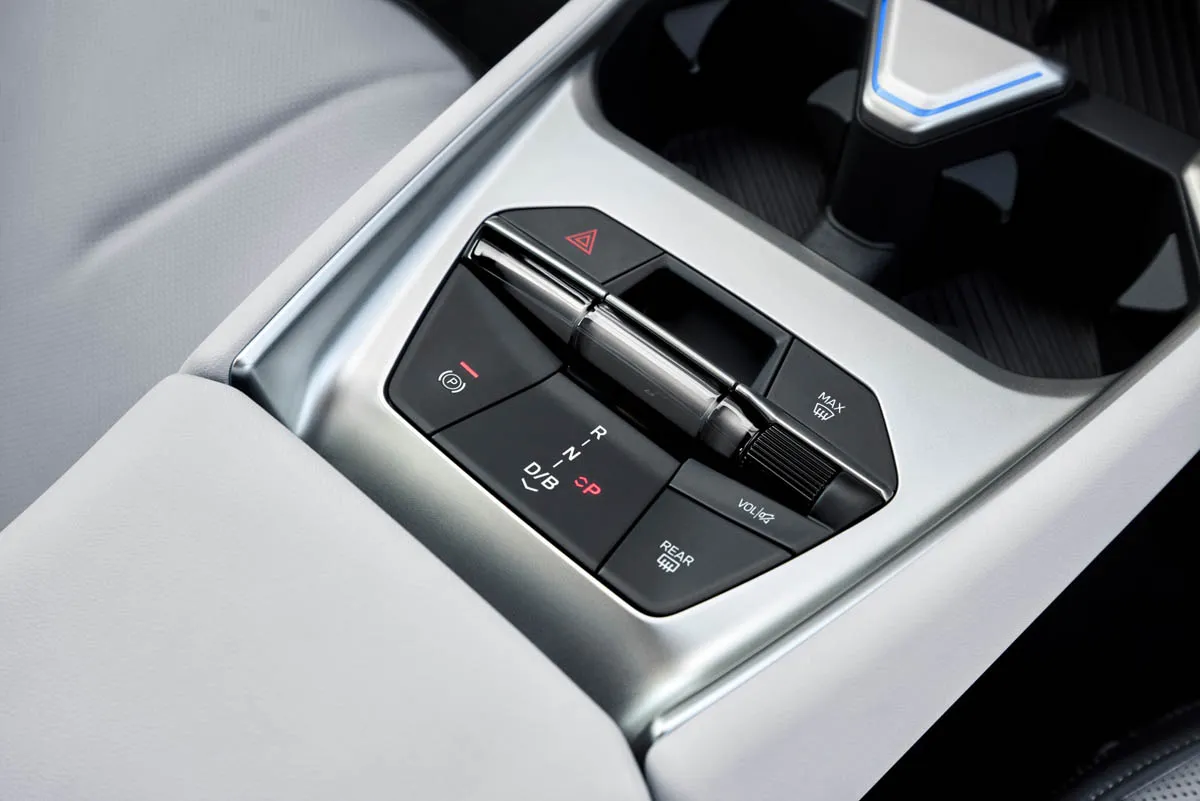
The new class goes beyond just electric propulsion. Inside, BMW makes a significant leap with Panoramic iDrive and Operating System X. Important information appears across a wide strip at the bottom of the windshield, while a large central touchscreen handles most controls.
Many changes also occur beneath the surface. BMW often talks about the so-called Heart of Joy, a central computer that controls aspects such as propulsion, regenerative braking, brakes, and parts of the driving dynamics. The idea is for the car to respond faster and more naturally since various systems no longer operate independently of each other.
At the same time, BMW is trying to prevent all that software from making the car feel remote. After all, the 3 Series has always been a model where handling and driving dynamics were at least as important as power and features. Whether the Neue Klasse can maintain that character is something we can truly assess only after driving it.
The six-cylinder will remain for now
Those who think the arrival of the i3 automatically means the end of the classic 3 Series are wrong for now. Alongside the BMW 318 and 320, the M350 xDrive will also be available, equipped with a 3.0-liter inline six-cylinder engine backed by 48V mild-hybrid technology. The system’s power output is 443 horsepower, with a 0 to 100 km/h acceleration time of 4.1 seconds.
The traditional BMW approach now comes with a high price tag. The M350 xDrive costs at least €102,327 in the Netherlands, nearly €39,000 more than the i3 50 xDrive. Of course, you don’t buy a six-cylinder engine based solely on cost per horsepower. Sound, response to acceleration, and mechanical character remain important factors for enthusiasts, but the price difference shows how rapidly the market is changing.
The electric 3 Series no longer needs to defend itself
By positioning the i3 and the 3 Series so closely together, BMW makes the difference between electric and gasoline models clearer than ever. The models look very similar, offer largely the same type of vehicle, and target the same customers, but their technical approaches are completely different.
In the Netherlands, the electric version turns out to be surprisingly affordable. The i3 40 xDrive is cheaper than the BMW 318, while the i3 50 xDrive costs less than the BMW 320 and yet offers much higher power. Add in a maximum WLTP range of 912 kilometers and fast charging up to 400 kW, and two traditional drawbacks of electric driving—price and range—suddenly lose much of their weight.
This doesn’t make the gasoline-powered 3 Series unnecessary at all. Refueling is still faster than charging, and for enthusiasts, a six-cylinder engine still holds an appeal that’s hard to quantify in kilowatt-hours. But for the first time, it seems the electric 3 Series no longer needs to defend itself. The balance is simply shifting.
Text: Werner Budding
