
Germany will allow electricians to earn money from parking. V2G will launch no later than 2027.
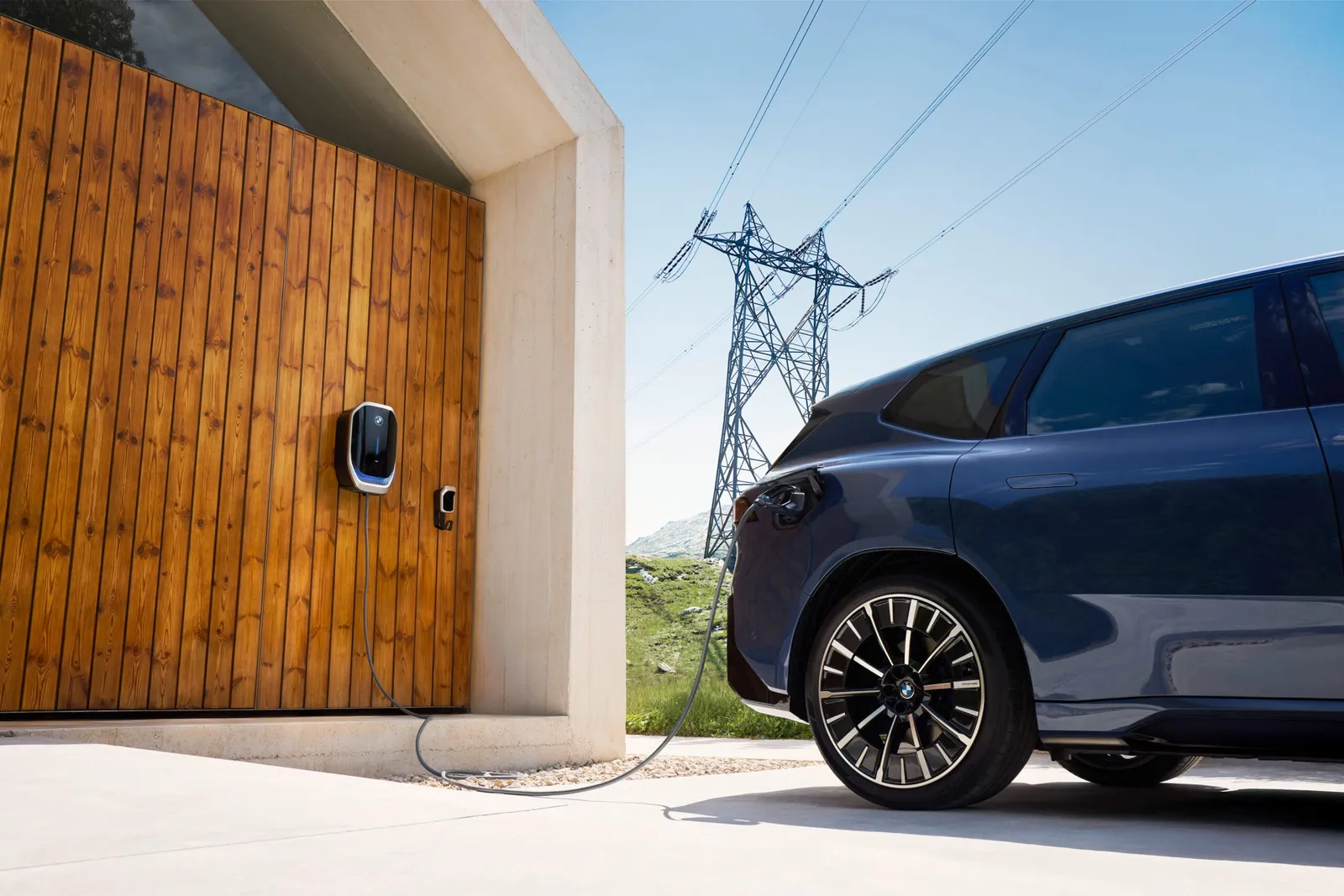
The German Federal Network Agency adopted the MiSpeL guidelines on October 1, which simplify the sale of energy from electric vehicle batteries to the grid. Owners will still need a V2G-enabled car, a compatible charger, an appropriate meter, and an energy contract. Nationwide implementation may take until September 30, 2027.
The idea is simple. The car charges when energy is cheap and feeds it back into the grid when prices are higher or demand is greater. So far, the bigger issue than the technology itself has been regulations regarding connecting energy from the grid to a home solar installation.
Grid energy and photovoltaics in one battery
German support for renewable energy was tied to how the battery storage system was used. A battery under this system should generally store energy produced locally, such as from solar panels. Charging it from the grid complicated billing and could violate the conditions for receiving support.
MiSpeL introduces methods for separately billing energy from solar panels and the grid, even if both end up in the same vehicle battery. The new rules also reduce some of the fees imposed on energy sent back to the grid. However, they still apply to electricity used later for driving.
The mere presence of a socket in the car is not enough. V2L, which allows powering coffee makers, tools, or camping equipment, does not enable energy trading. What is needed is V2G, or Vehicle-to-Grid, which provides two-way communication and energy transfer between the car and the power grid. This also requires a compatible wallbox, a measurement system, as well as a special tariff or agreement with the electricity provider.
The German automotive industry association VDA has given positive feedback on the changes, especially the energy measurement method that takes industry concerns into account. Now manufacturers want rapid and uniform implementation of the regulations across the country.
Full implementation not until in two years
Network operators and companies responsible for meters have until September 30, 2027, to prepare, though they can launch new billing systems earlier. The simplified version intended for households with solar installations still requires approval from EU regulators.
Germany does not guarantee that an electric car will cover its leasing payment on its own. The cost-effectiveness will depend on the price of a two-way charger, contract terms, differences in energy prices, and the number of hours the car remains connected. Battery wear also plays a role, and new regulations do not exclude this from the bill.
Other countries are developing similar solutions. The Netherlands is installing two-way chargers on streets, the UK offers tariffs that credit returned energy to accounts, and in France manufacturers are starting to bundle compatible wallboxes with car purchases. The U.S. lacks unified federal rules. California is working on requiring two-way charging in new electric vehicles, while some states are testing school buses as large energy storage units for peak summer demand.
LovEV Newsletter
Want more content like this?
Sign up — we’ll send you a weekly summary once the newsletter launches.
