
GERMANY. Transport minister considers using Tesla Robotaxi in areas without public transportation. The end of buses?
Robert Crumbach, the transportation minister of Brandenburg (Germany), confirmed to local media that he is in talks with Tesla regarding the use of Robotaxi in rural areas where public transportation is difficult to provide on a large scale due to costs. The Y and Cybercab models could potentially displace buses or trains in the future if they can beat them in terms of fare price.
Tesla Robotaxi as a better public transportation option?
Organized public transportation has many advantages, but some of them come with certain compromises: potential passengers must first reach the stop, adjust their plans to departure times, and tolerate the presence of other passengers, who can sometimes be bothersome. Tesla’s autonomous taxis lack these drawbacks: they can drive straight to your home and allow travel at any time without sharing space with others. Additionally, they can be relatively inexpensive due to the absence of staff members such as drivers.
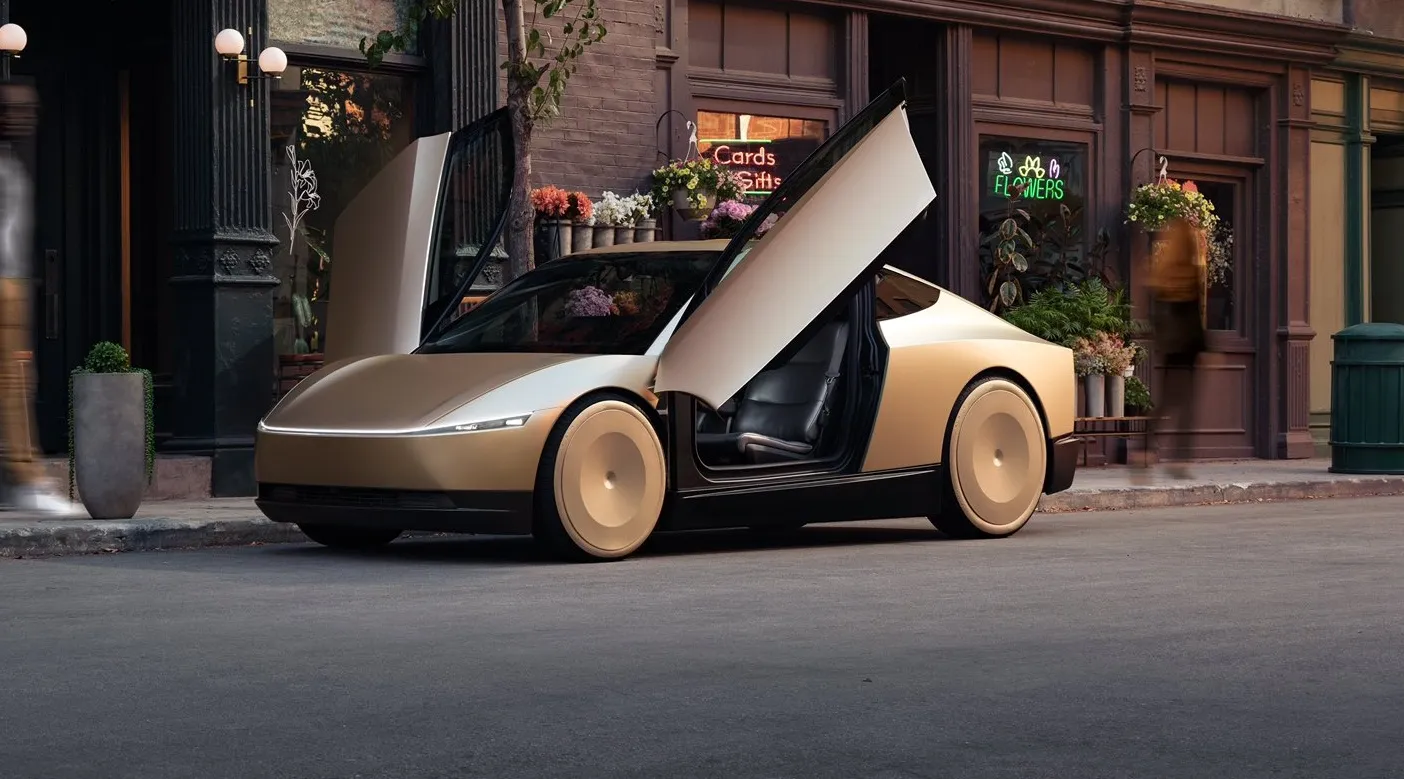
The Tesla Cybercab is a vehicle designed for the Robotaxi service. It currently operates nowhere outside the United States, though it has already been spotted in New Zealand.
The biggest drawback is road capacity: twenty or thirty people in a dozen-meter-long bus take up... several meters. The same group of people split into taxis forms a queue hundreds of meters long (vehicles + spaces between them). In a bus, the entire group can cross a red light at once, while in taxis it would take two to three cycles of the traffic lights. Despite this, Germany’s transport minister believes Tesla taxis deserve attention, especially for supplementing irregular or non-existent public transportation in remote areas of the state (source; behind paywall).
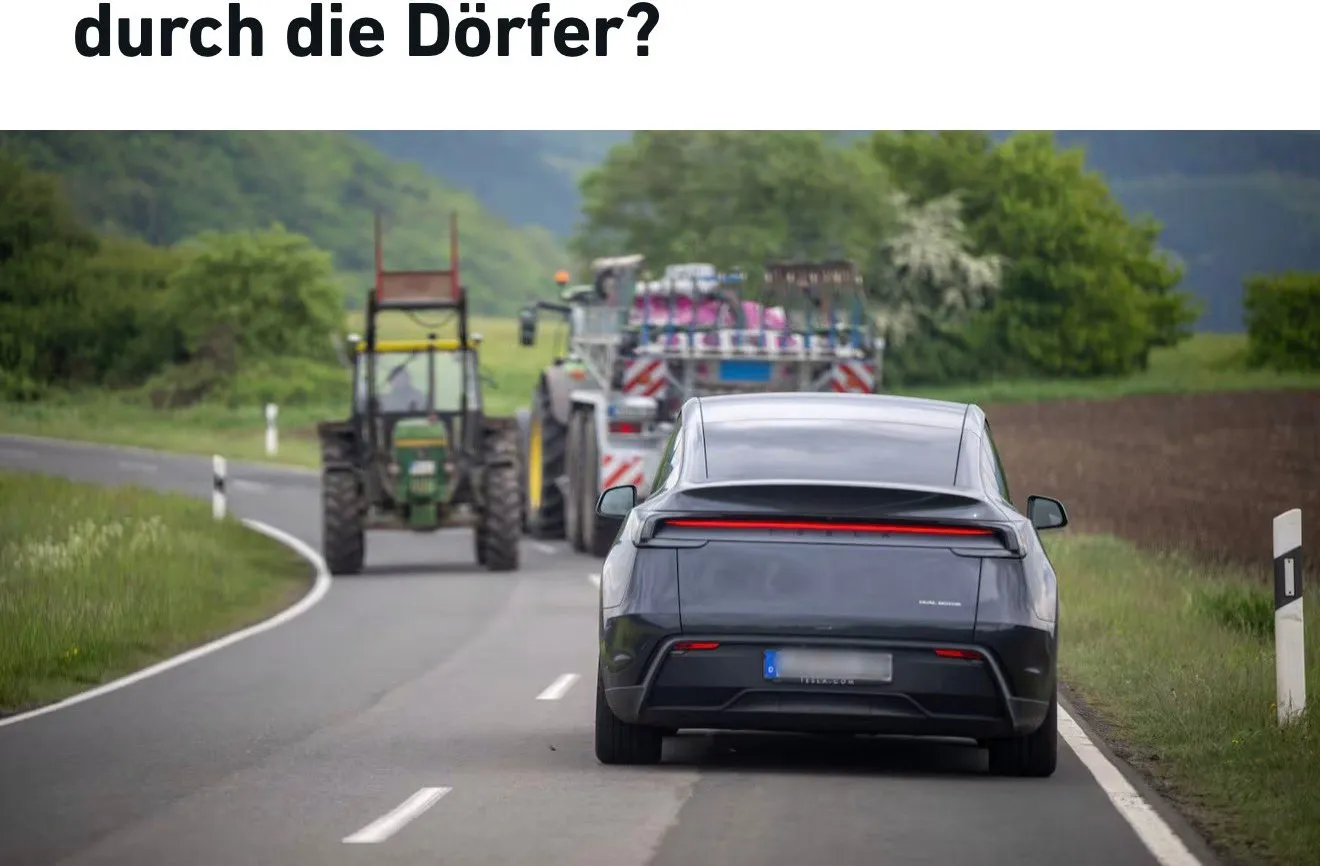
Tests of (Supervised) FSD on German roads. Test vehicle: Tesla Model Y (c) Markische Allgemeine
Tesla’s robotaxis are intended to serve rural areas, complementing ride-hailing services. This would increase the number of trips available during the day (currently two per day) without the need to hire additional drivers—since the vehicles would operate autonomously. There is no legal framework in place, as neither Germany nor the European Union has yet approved even (supervised) FSD, let alone (unsupervised) FSD. Additionally, it is unclear how robotaxis would perform on typical roads, as the electronics have only been tested to a limited extent due to the lack of approval for (supervised) FSD—though this area is likely to present fewer challenges than dealing with regulators.
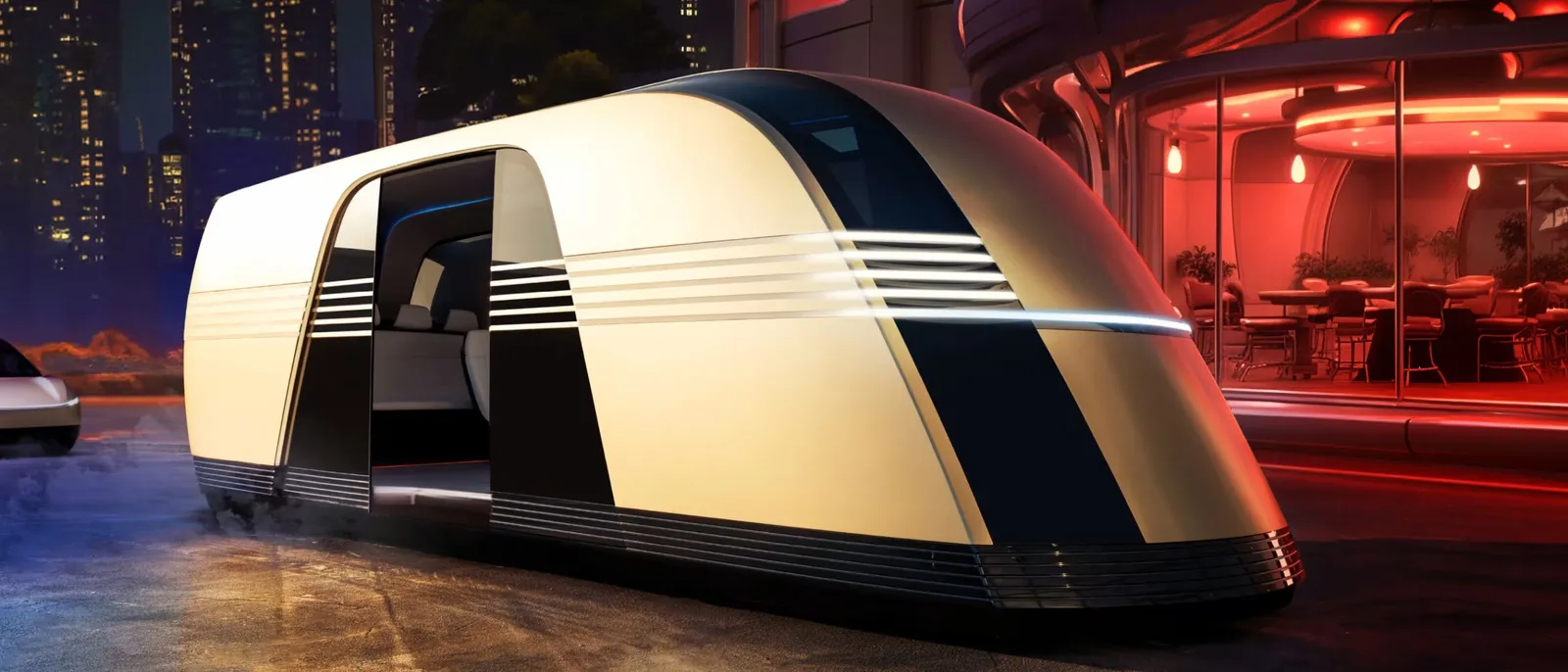
Tesla Robovan. Elon Musk’s vision for transporting larger numbers of people (c) Tesla
Editor’s note from Elektrowozu: It’s amazing that the transport minister is taking proactive steps to help those who are excluded from transportation in his region. “Amazing,” yet completely normal, because that’s exactly how it should work.
Article rating
Readers’ ratings
[Total: 6 votes Average: 1.7]
Don’t miss new content — CLICK and FOLLOW Elektrowoz.pl on Google News. You might also be interested in the following ads: