
Germany wants to subsidize only European electric cars. Do China have to start finding workarounds?
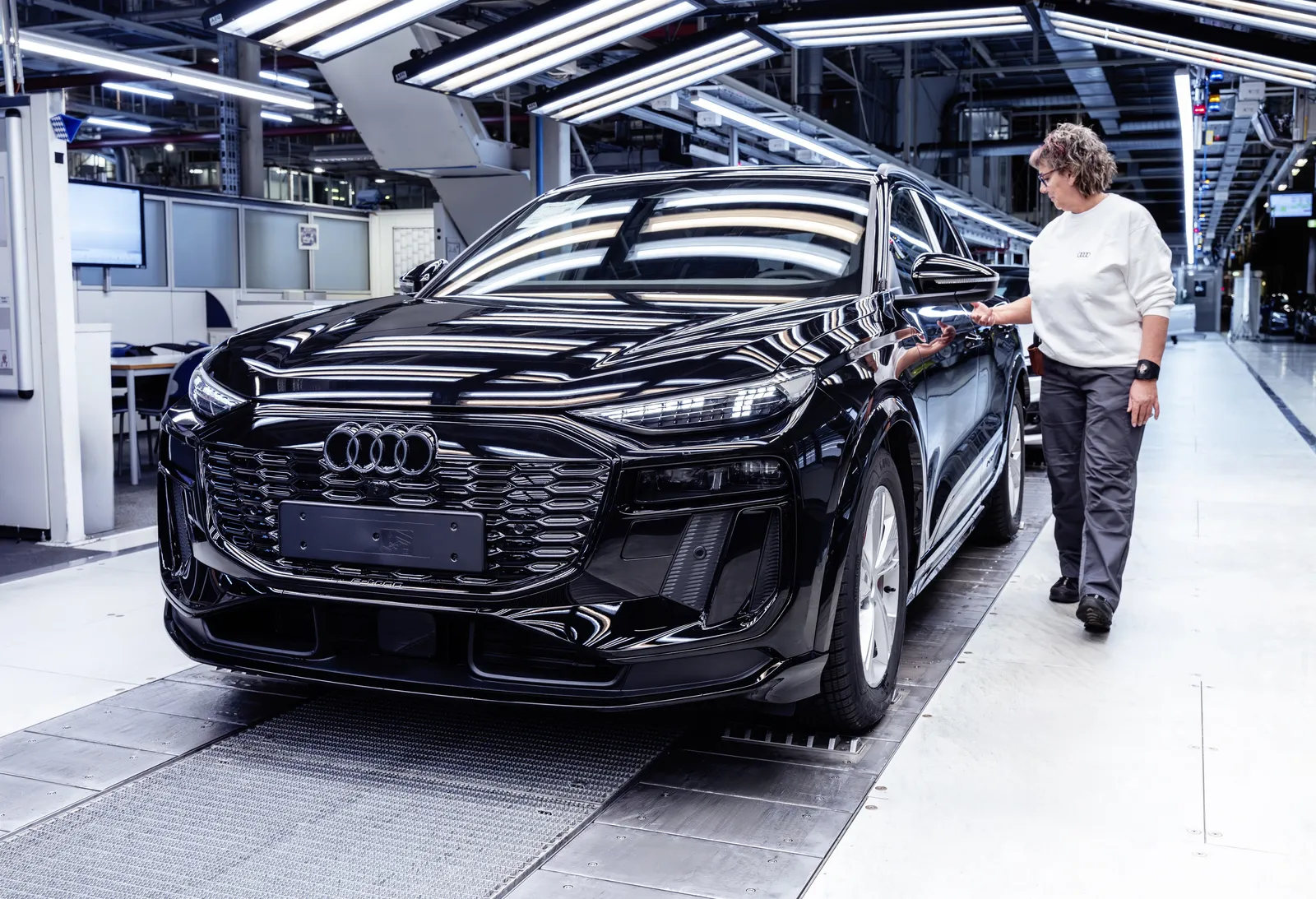
German ruling parties are debating restricting subsidies only to electric cars manufactured in the European Union. Contrary to what it might seem, this matters to us all: Germany is Europe’s largest automotive market, supplying used cars to at least one-third of the continent. If Germans don’t buy new Chinese electric vehicles, then Danes, Italians, or Poles won’t drive them either, thereby reducing demand for jobs (mechanics) and parts.
Germany, or the European Union that bothers them
Germany is now the world’s fifth-largest economy. Following in the footsteps of China or even Donald Trump, it could have shut itself off to electric cars from the Middle Kingdom with a single decision if… they weren’t part of the European Union. The foundation of the European Union lies in freedom of thought, honesty, and openness to trade based on clearly defined rules—Union rules. In fact, isolation is a double-edged sword; it makes economies easier to manage in the short term, but the lack of freedoms prevents the Chinese from designing a decent car without the involvement of European designers. They also struggled in the electric vehicle sector without clear guidance from Elon Musk.
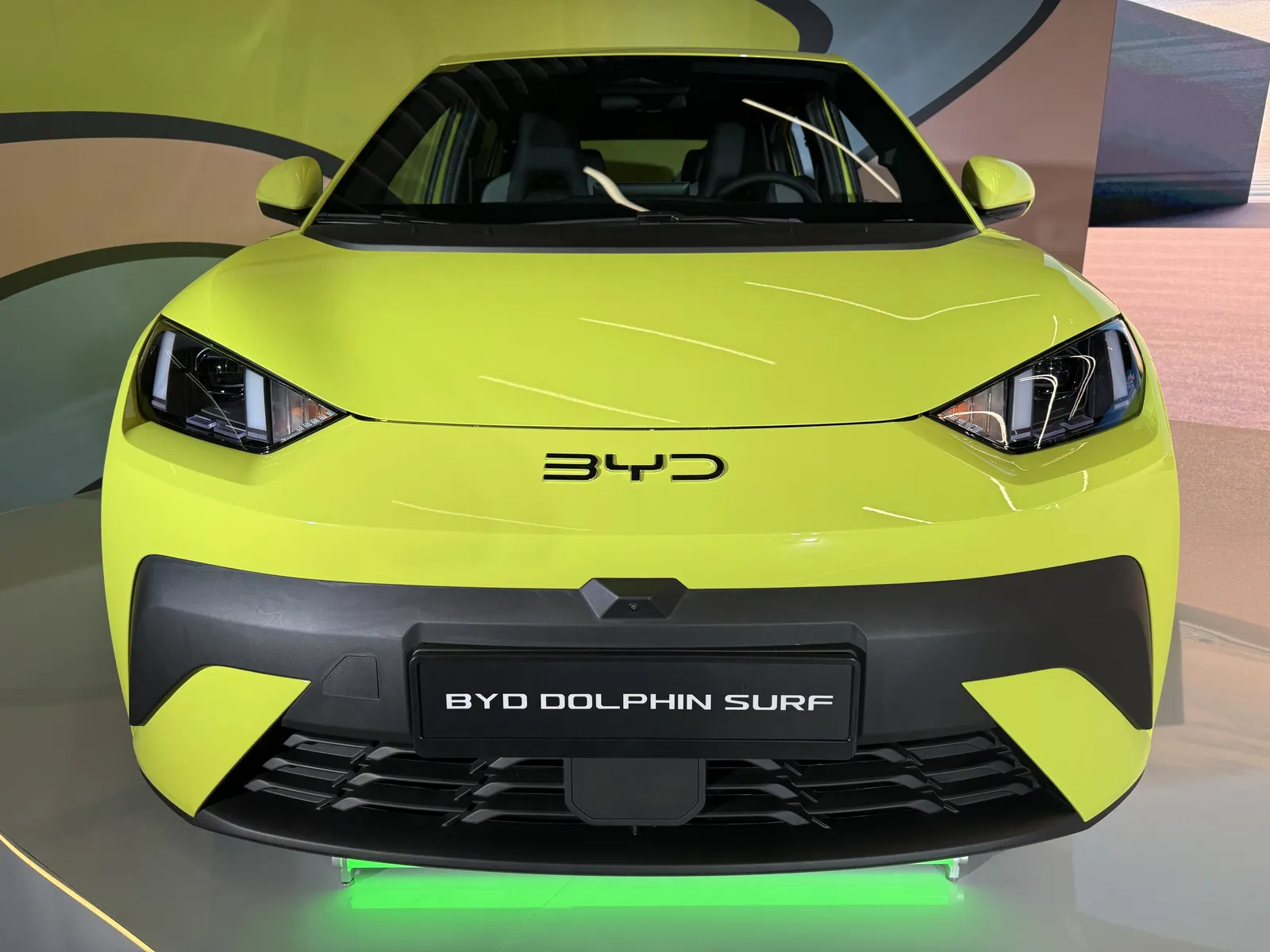
BYD Dolphin Surf, an electric car that is attractive thanks to a European designer
The situation in Germany is more difficult because alone in the automotive industry it has 0.73 million workers, with each of them having around 7 positions (5.11 million) at suppliers. In total, this amounts to over 5.8 million people who have families and need to support children, etc. Therefore, Germany’s ruling parties want the electric vehicle subsidy system to promote models from Europe. There are even claims that German taxpayers’ money mainly funds Chinese manufacturers, though data has not yet confirmed these concerns. Among the first 50,000 subsidy applications, only 15 percent related to “Made in China” cars.
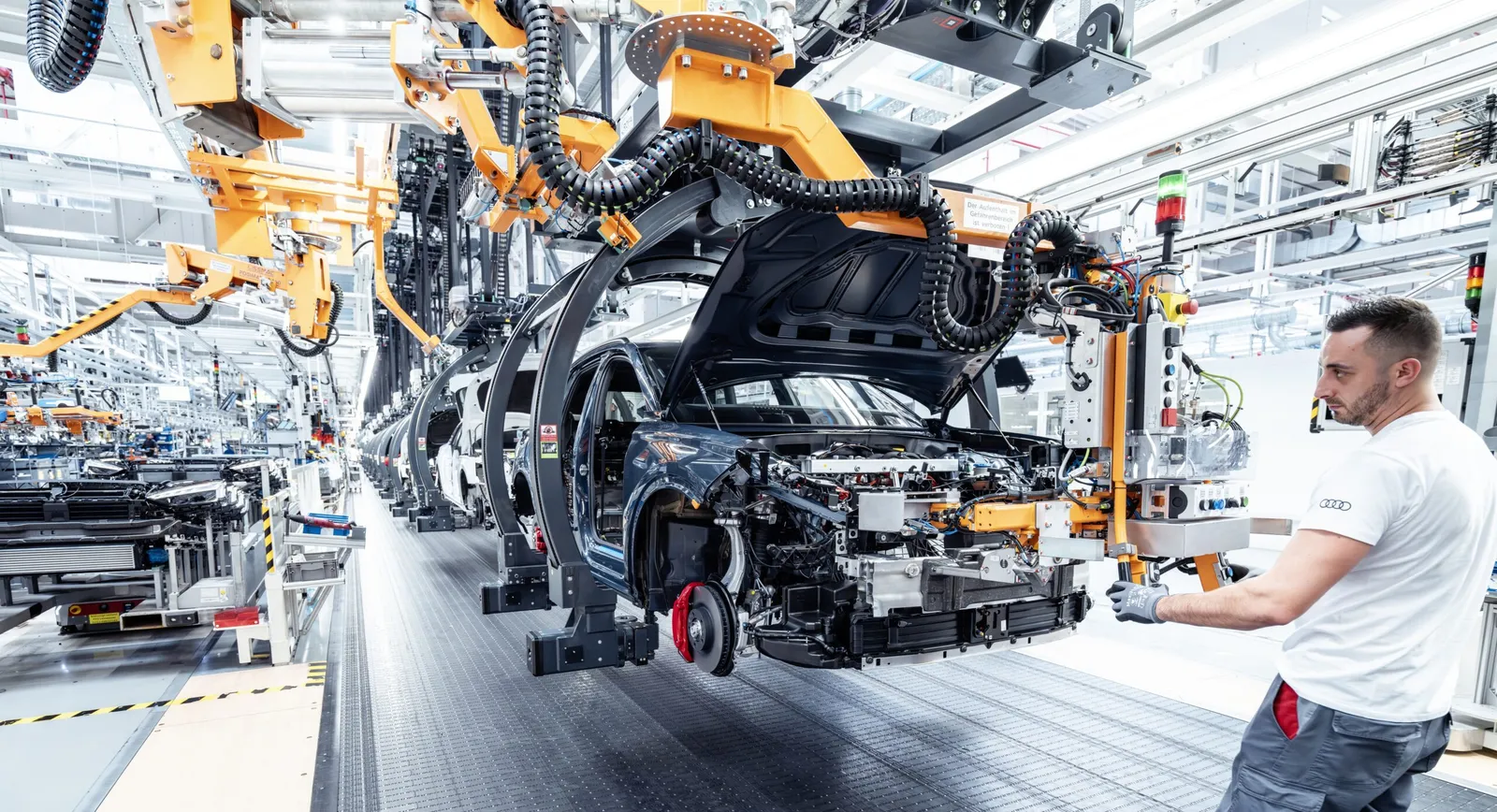
Audi Q6 e-tron production line (c) Audi
A potential German ban on subsidizing electric cars from China is currently running into EU laws. There are no ready-made pan-European directives that would, based on fair principles, prohibit subsidies for “Made in China” vehicles. It should be noted that French initiatives aimed at restricting social leasing to cars produced on the Old Continent also encountered similar legislative hurdles. Nevertheless, German parties are pushing for appropriate regulations that give preference to locally produced vehicles.
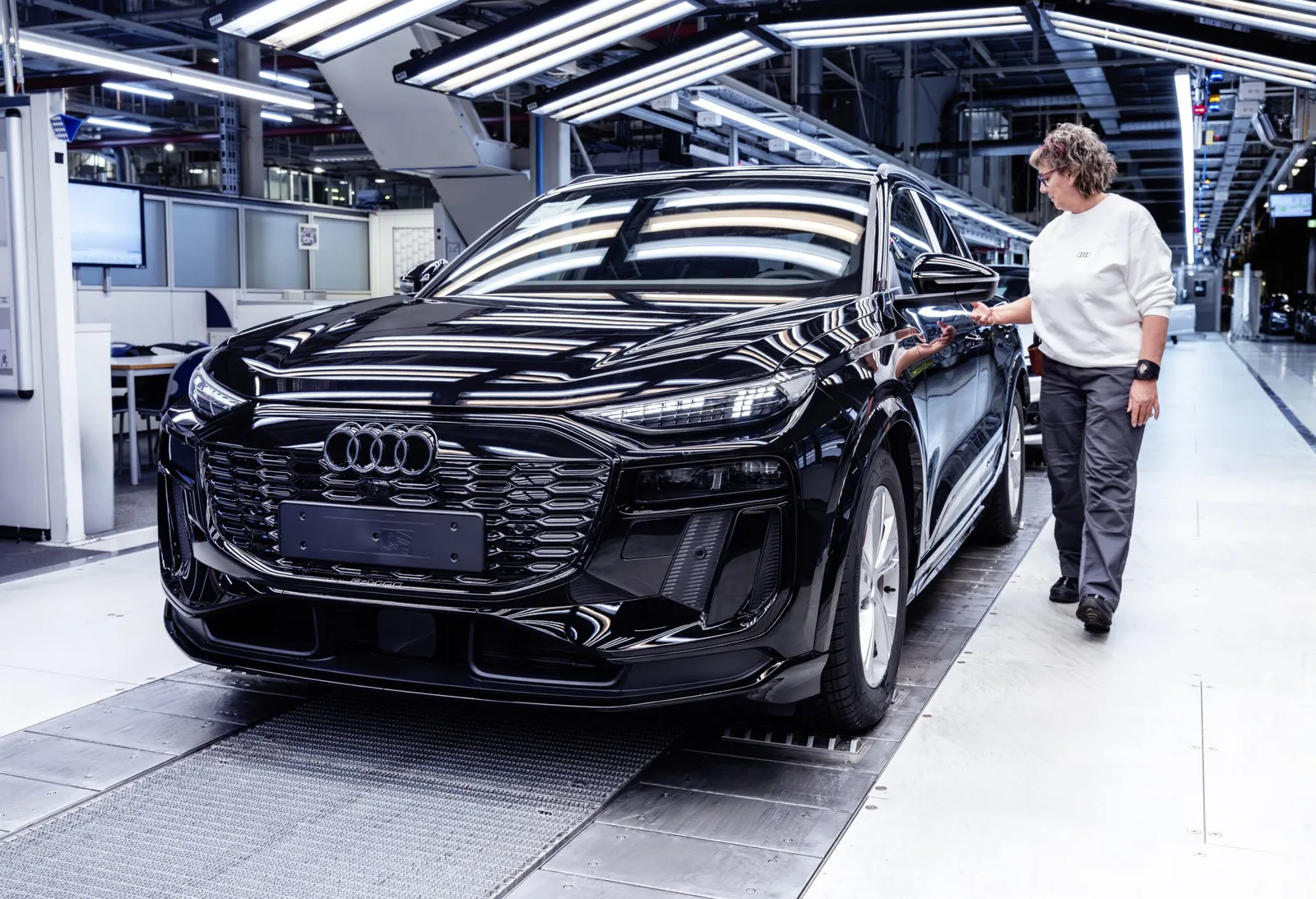
The final inspection during the assembly of the Audi Q6 e-tron (c) Audi. It’s interesting that people appear archaic in these photos, while the robots look modern, even though the robots perform significantly worse than humans at this stage.
However, this entire setup could also serve another purpose. German manufacturers are trying to limit EU regulations aimed at tightening rules regarding emissions from plug-in hybrids. Tests show that hybrids charged from outlets emit up to 3.5 times more CO2 than stated in their paperwork. In short, the goal is to allow German manufacturers to sell gasoline-powered cars for as long as possible without facing penalties for their emissions.
Article Rating
Reader Ratings
[Total: 0 votes Average: 0]
Don’t miss new content — CLICK and FOLLOW Elektrowoz.pl on Google News. You might also be interested in the following ads: