
Germany: BEV sales rose by 61.7% in July. Subsidies primarily benefit vehicles produced in Europe.
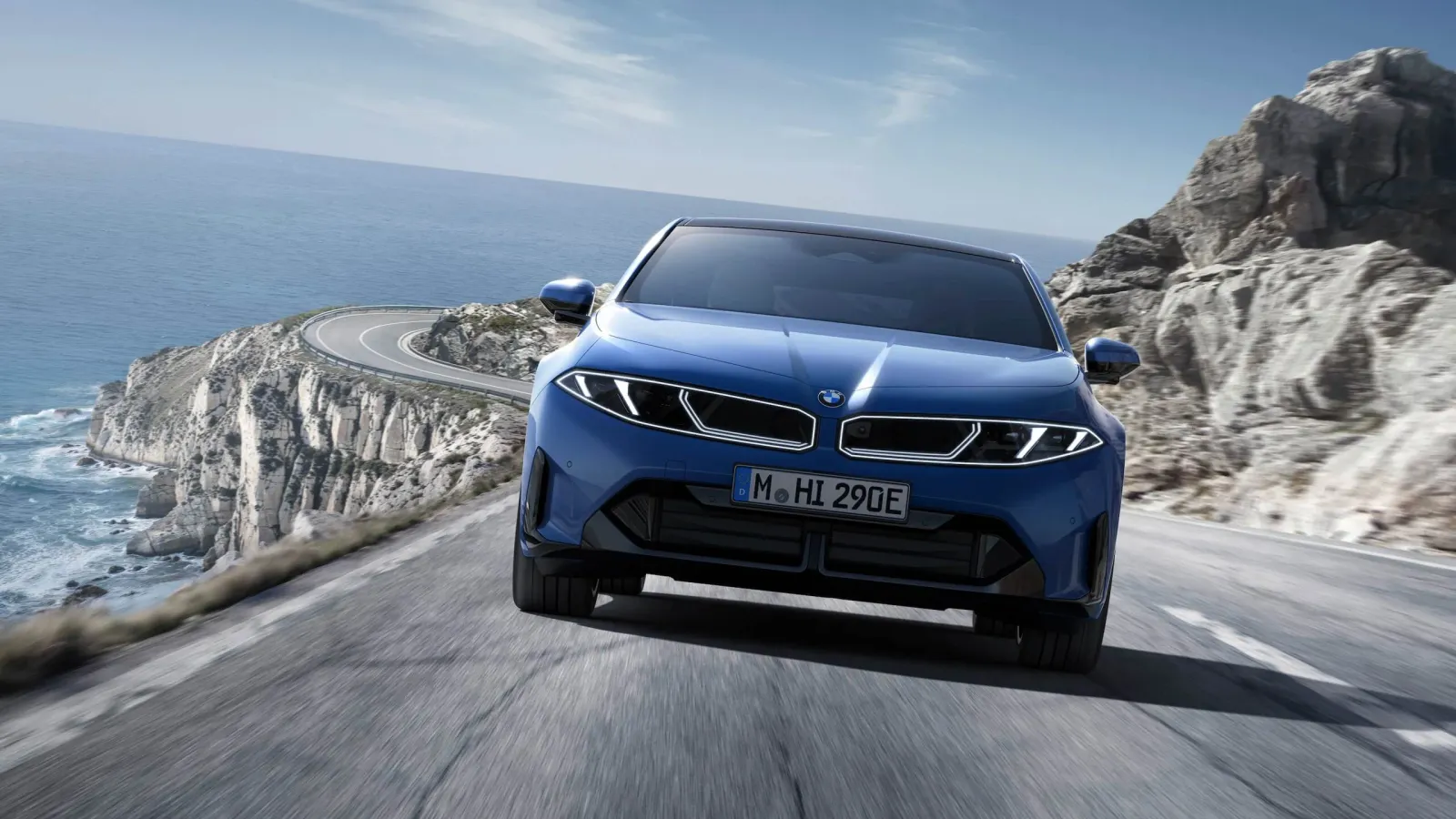
In July, Germany registered 78,609 new BEVs, which is 61.7% more than a year earlier. Electric vehicles accounted for 29.3% of the total market, and together with PHEVs and FCEVs, plug-in vehicles made up 40.7% of the market. According to VDIK, brands that produce at least one BEV model in Europe benefit the most from this trend.
This is an important signal, as we are talking about the largest automobile market in the EU. It is also a market where we see not just a trend toward EVs, but also the effect of specific subsidies and local production.
Germans are buying more electric cars, while internal combustion engines lose ground
The overall German market grew by only 1.2% in July, reaching 268,068 passenger cars. During the same period, BEVs surged by 61.7%, reaching 78,609 units. This means that almost one in three newly registered cars was electric.
Looking at it from a broader perspective, all alternative propulsion types—BEVs, PHEVs, plug-in hybrids, LPG, and CNG—experienced growth of 22.1%, reaching 185,601 units. Their market share rose from 57.4% the previous year to 69.2% in July 2026.
Internal combustion engines are moving in the opposite direction. Gasoline sales dropped by 29.7% to 50,732 units, while diesel sales fell by 21.8% to 31,703 units. What about their market shares? Only 18.9% for gasoline and 11.8% for diesel. Combined, they now account for fewer units than BEVs, PHEVs, and FCEVs alone.
PHEVs are also growing, though not at a rapid pace. In July, their registrations reached 30,609 units, representing a 12.5% year-on-year increase, with a market share of 11.4%. Plug-in hybrids saw a slight decline of 0.7%, dropping to 74,675 units.
Incentives are working, but not equally for everyone
The most interesting aspect of this set is the second thread. VDIK’s head Imelda Labbé states outright that the growing demand for electric vehicles is already evident in orders, with international manufacturers’ BEV order backlog increasing by 162% year on year. For the entire BEV market, this figure was 94%.
However, there is a catch. It is the manufacturers with BEV production in Europe who benefit the most from these subsidies today. According to VDIK, over 80% of subsidized cars belong to brands that produce at least one electric model on our continent.
This sounds like a pro-environmental incentive, but in practice it also functions as an industrial filter. Those with factories in Europe have easier access to growth today. Those who rely solely on imported cars may have good products, but they are politically at a disadvantage.
In July alone, international brands were responsible for 38,864 BEV registrations, which is 93.9% more than the previous year. This gave them 49.4% of the BEV market share for that month and 45.5% since the start of the year. This represents a year-on-year increase of 4.7 percentage points.
The Polish perspective is brief and quite blunt: here, BEV share is around 4%. Germany is therefore not just close behind, but several steps ahead in terms of the scale of electrification of new cars.
From January to July 2026, Germany registered 446,615 BEVs, which is 50.2% more than the previous year. The entire segment of plug-in vehicles, including BEVs, PHEVs, and FCEVs, grew to 641,028 units, representing a year-on-year increase of 38.3%. This is no longer just a one-off spike from a single month.
For manufacturers, the message is simple. Merely being in Europe is no longer enough; production within Europe matters. For readers in Poland, this is another sign that the German market will increasingly absorb the available volumes of popular electric vehicles.
If this trend continues, the question is no longer whether Germany will switch to EVs faster than us, but by how much by 2027. What do you think? Would the Polish market also accelerate if subsidies favored local production?
LovEV Newsletter
Want more content like this?
Sign up — we’ll send you a weekly summary once the newsletter starts.