
Neither 20 nor 10 minutes: CATL aims to surpass BYD with a battery that charges from 10% to 98% in just 6 minutes and 27 seconds
06/11/2026 11:00
Updated to
06/11/2026 11:00
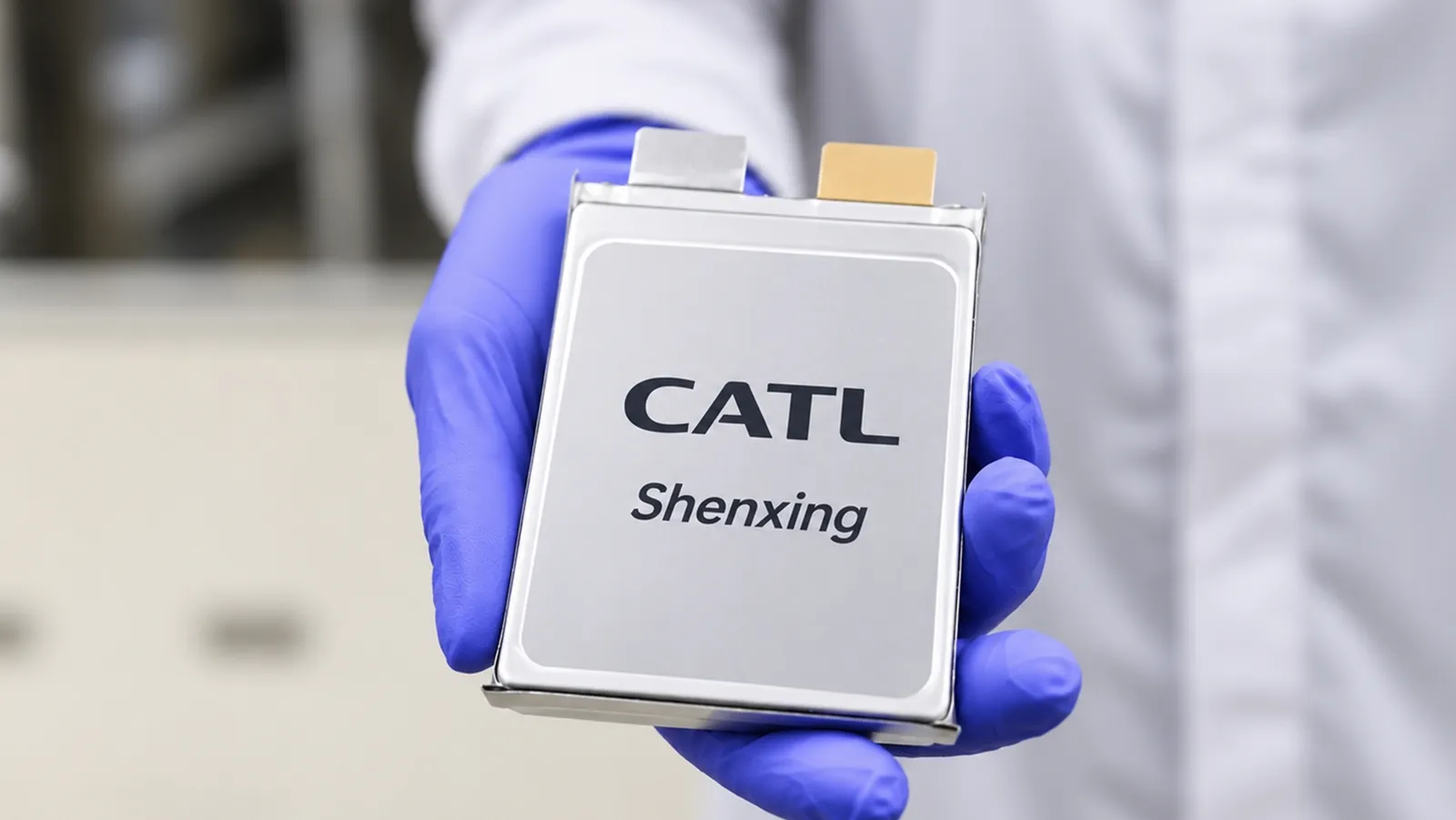
The race to make charging an electric car as fast as refueling a gasoline car has reached levels that were hard to imagine just a few years ago. CATL, the world’s largest manufacturer of batteries for electric vehicles, has developed the third generation of its Shenxing technology, capable of restoring 10 to 80% of its capacity in just 3 minutes and 44 seconds. But there’s an even more astonishing figure: according to the company, it can achieve 98% charge in only 6 minutes and 27 seconds.
Now, Dongfeng aims to become the first automobile manufacturer to integrate this technology into a production vehicle. According to the Chinese media outlet 21st Century Business Herald, the two companies have been in negotiations since the second quarter of 2026 to ensure the commercial launch of these new batteries. CATL’s goal is to begin deploying them in the final quarter of the year, though it has not yet been confirmed which model will use them first.
From 10% to 80% in 3 minutes and 44 seconds, and up to 98% in just over 6 minutes
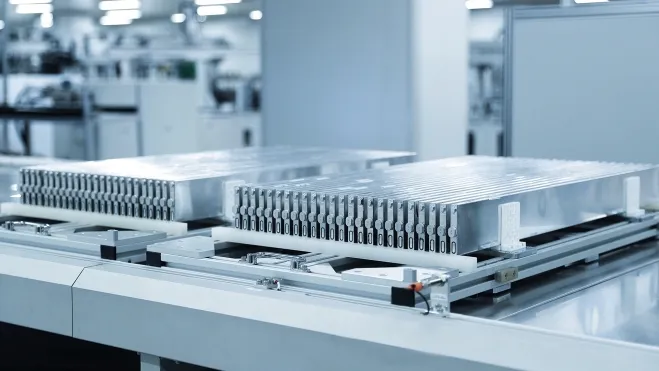
The third generation of Shenxing batteries was unveiled on April 21st last year and uses lithium-iron-phosphate (LFP) chemistry. Its main advantage is an exceptionally high charging speed, with times that, in theory, exceed even those claimed by BYD for its second generation of Blade batteries.
The figures provided by CATL are particularly impressive. The battery can go from 10% to 35% in one minute, reach 80% in 3 minutes and 44 seconds, and reach 98% in 6 minutes and 27 seconds, all under the test conditions specified by the manufacturer. Additionally, CATL claims that even at -30 ºC temperatures, it can regain up to 98% of its charge in nine minutes thanks to its self-heating technology.
To achieve this, the manufacturer has reduced the internal resistance to 0.25 milliohms, a figure that, according to their data, is 50% lower than the industry average. It has also incorporated a cell cooling system that improves thermal efficiency by 20%, along with more precise temperature control technology. Meanwhile, CATL claims that after 1,000 ultra-fast charging cycles, the battery retains over 90% of its original capacity. This is particularly significant for a technology designed to handle very high charging powers.
Dongfeng aims to surpass BYD while CATL prepares over 3,000 charging stations
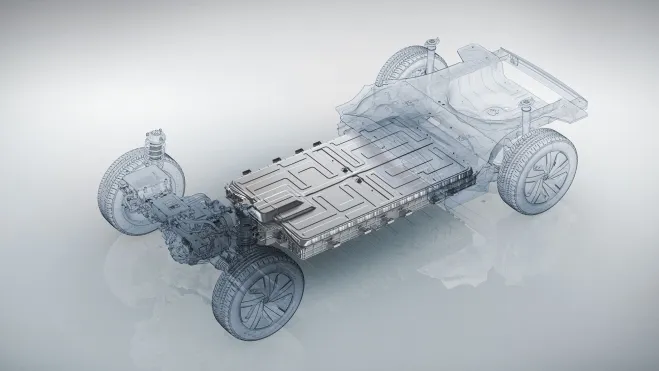
Dongfeng aims to secure priority access to this technology. On October 29th, the two companies signed a new strategic agreement to jointly develop ultra-fast charging and battery swapping solutions. Brands that could benefit from this collaboration include Voyah, M-Hero, and Epicland, which have 10C or higher charging systems.
Comparing it to BYD helps illustrate the significance of this advancement. Its second-generation Blade batteries claim to charge from 10% to 70% in five minutes and from 10% to 97% in about nine minutes. CATL promises even faster times, though BYD has already begun installing its technology in production vehicles, while its third-generation Shenxing batteries are still awaiting commercial release.
On another front, CATL is developing a network that combines ultra-fast charging stations with battery swap facilities. Its goal is to reach over 3,000 integrated points by the end of 2026, in collaboration with manufacturers such as Dongfeng, Chery, BAIC, Changan, GAC, and Seres.
For now, CATL’s figures correspond to the performance claims for its technology rather than independent tests conducted on a commercially available vehicle. The energy capacity of the battery to be used by Dongfeng, as well as the range it can provide, have not been confirmed either. However, if these times are translated to production vehicles and compatible infrastructure, charging could stop being one of the main drawbacks of electric cars.