
NHTSA has been investigating the Tesla Cybercab since the first day of testing. The issues are the lack of a steering wheel and certification problems.
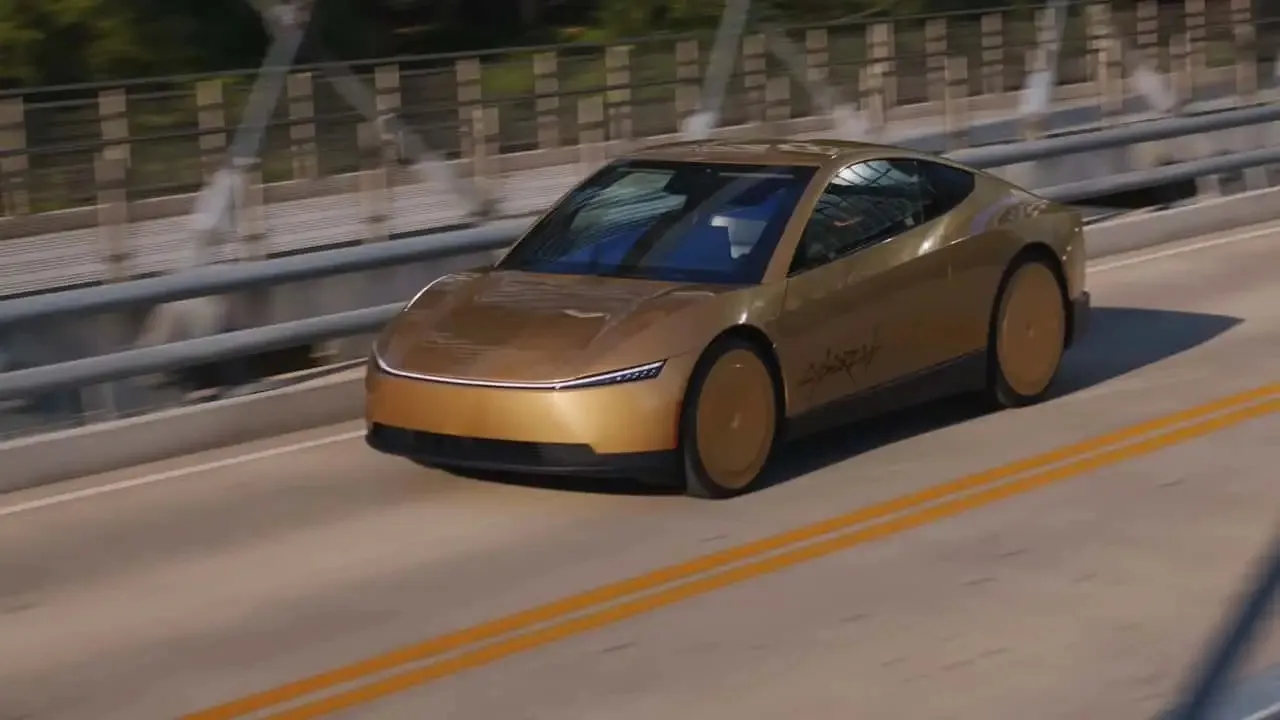
Tesla began commercial Cybercab service in Austin on September 5, and almost simultaneously, the U.S. NHTSA launched a formal investigation into whether up to 1,000 Cybercabs had been properly approved for road use under American FMVSS standards.
Reuters reports that the regulator is examining internal technical data and procedures used by Tesla to certify the vehicle itself. This is where it gets more interesting, as the Cybercab has no steering wheel, gas pedal, brake pedal, or side mirrors. In a regular car, these would be minor details; here, they are at the heart of the dispute.
Tesla took a different path than Zoox
In the U.S., manufacturers usually declare their vehicles compliant with federal regulations before delivering them to customers. But for vehicles without traditional control elements, the standard approach often involves temporary regulatory waivers from NHTSA.
The agency may approve up to 2,500 such unmanned vehicles per year per manufacturer. Amazon’s Zoox took advantage of this pathway in July for its own robotaxis.
Tesla, however, did not file such an application. Instead, the company planned to certify its SAE Level 4 autonomy in Texas under the state’s new rules this spring. The company’s leadership had also previously confirmed that Cybercab is not subject to the annual limit of 2,500 units.
NHTSA is now investigating the legal and engineering basis for Tesla’s belief that certain federal requirements do not apply to it. The agency’s head, Jonathan Morrison, put it succinctly: “NHTSA fully supports the safe development and deployment of autonomous vehicles. But as a federal regulator, we must ensure that all our regulations are followed.”
45 Cybercabs are already in operation, while regulations remain outdated
According to state records, there were 420 Tesla autonomous vehicles registered in Texas on Friday. Of these, 45 are Cybercab models built from scratch as robotaxis. The rest are modified Model Y vehicles with standard control components.
This is inconvenient for Tesla because NHTSA itself proposed changes to regulations in June aimed at eliminating the old requirements for manual brake pedals in autonomous vehicles. Separate efforts are also underway to update rules regarding mirrors and driver equipment. However, these remain just proposals for now. The current regulations are still in effect. Full stop.
Cybercabs continue to transport people around Austin, and anyone can order them through the Robotaxi app. But this launch shows one simple thing: hardware without a steering wheel hit the streets faster than federal regulations could be changed. And it is here that Tesla might still stumble.
The most interesting part now isn’t how the Cybercab drives, but whether Tesla can defend its claim that it was technically allowed to release it without NHTSA approval. What do you think — will the regulator get stuck in paperwork or enforce fleet restrictions?
Order your Tesla and take advantage of purchase bonuses using the referral link!
LovEV Newsletter
Want more content like this?
Sign up — we’ll send you a weekly summary once the newsletter starts.