
NFOŚiGW with the first subsidy for electric trucks. The program has a budget of 2 billion złoty.
In short:
NFOŚiGW has finally signed the first contract under the zero-emission truck subsidy program
The 2 billion złoty budget program was launched in 2025
Trans Południe will receive over 377,000 zł for purchasing an electric tractor unit
For the heaviest vehicles, the support can reach up to 750,000 zł per vehicle
NFOŚiGW awards the first subsidy
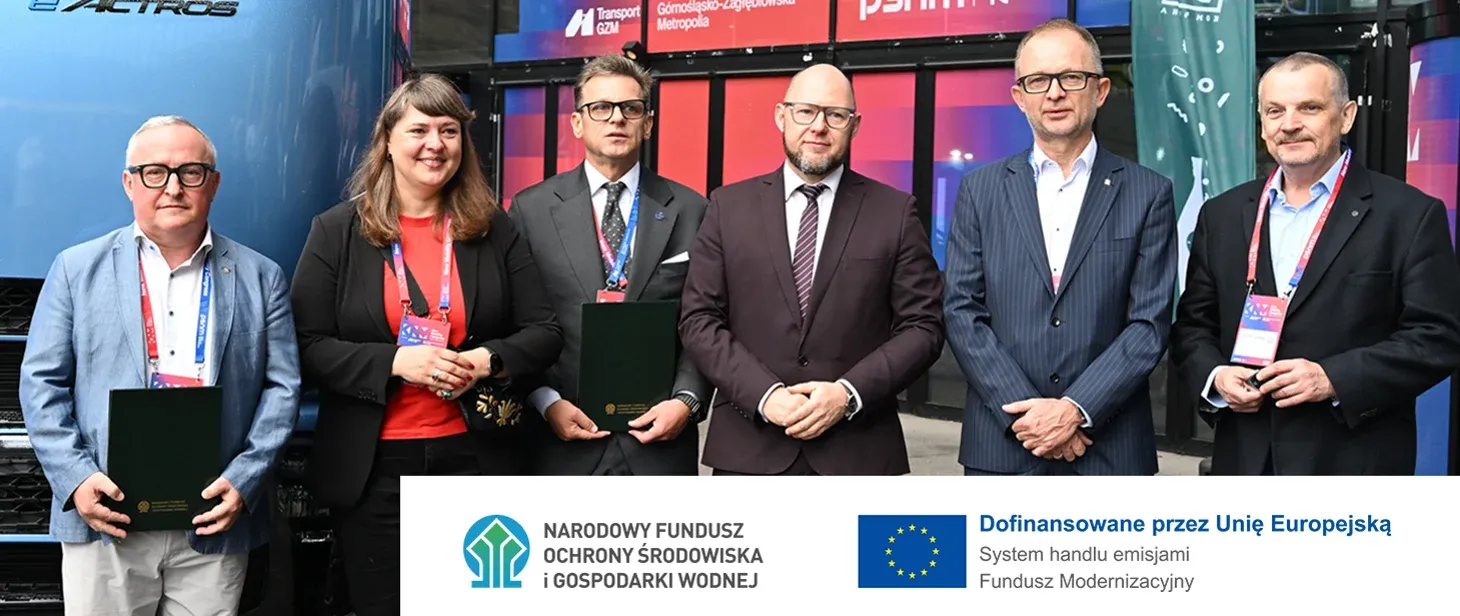
The program started in 2025, but only now was the first contract for financing a specific vehicle signed. The beneficiary is Trans Południe, which will use the new electric tractor unit for freight transport.
The total cost of the investment exceeds 1.3 million zł. NFOŚiGW granted the company over 377,000 zł in subsidies. The new truck will replace the diesel vehicle.
According to calculations presented by the Fund, this is expected to reduce CO2 emissions by about 38 tons per year. Emissions of nitrogen oxides and PM10 dust are also set to decrease, with NFOŚiGW estimating energy savings of around 5 MWh per year.
“So far, the market has not had support for the development of electromobility in the heavy transport sector on such a scale. While electric cars are already commonplace on Polish roads, this represents a true breakthrough in heavy transport,” said Piotr Masłowski, State Secretary at the Ministry of Energy.
Przemysław Rajewski, the president of Daimler Truck Polska, was also present during the signing of the contract. Trans Południe already has experience with electric trucks from this brand – the company previously tested the Mercedes-Benz eActros 600 on its routes.
A subsidy of up to 750,000 zł per truck
The “Support for the Purchase or Leasing of Zero-Emission Vehicles in Categories N2 and N3” program is aimed at entrepreneurs with a headquarters or branch in Poland.
It covers new vehicles in categories N2 and N3. N2 refers to vehicles designed for transporting loads with a DMC of over 3.5 tons but not exceeding 12 tons, while N3 includes trucks with a DMC over 12 tons. This second group includes, among others, tractor units used in long-distance transportation.
The support applies to zero-emission vehicles, primarily battery-powered electric ones, but the program also includes trucks that use electricity generated from hydrogen in fuel cells.
The amount of subsidy depends on the size of the company. It can reach up to 60% of eligible costs for micro and small businesses, 50% for medium-sized companies, and 30% for large ones.
This does not mean the state will cover 60% of the truck’s total electricity cost. The basis is the difference between the cost of a zero-emission vehicle and that of a comparable diesel vehicle, known as the reference investment. There are also maximum limits: 400,000 zł for one N2 vehicle and 750,000 zł for an N3 vehicle.
Subsidy also available for leasing
The program does not require purchasing the truck in cash. Entrepreneurs can also take advantage of leasing.
In such a case, the subsidy covers the upfront fee. The same support levels remain in effect—30%, 50%, or 60% depending on the size of the enterprise—as well as a maximum of 400,000 zł for N2 and 750,000 zł for N3. However, the subsidy cannot exceed the amount of the upfront fee itself.
The program’s budget is 2 billion zł and comes from the Modernization Fund. Applications can be submitted until June 30, 2029, unless funds run out earlier.
NFOŚiGW expects that the entire support system will help finance nearly 4,000 zero-emission trucks.
– Thanks to the subsidies, entrepreneurs can invest in modern electric vehicles, reducing emissions of harmful substances into the atmosphere. As part of a comprehensive support system for zero-emission heavy transport, which includes charging infrastructure and networks, NFOŚiGW will allocate 6 billion zł, said Paweł Augustyn, vice president of NFOŚiGW.
Just adding money to a car isn’t enough
However, the issue with trucks is much more complex than with passenger cars. Buying a vehicle alone doesn’t help much if the transporter doesn’t have a place to quickly recharge several hundred kWh of energy.
That’s why the vehicle program is just one of three elements in a larger plan. In total, NFOŚiGW is allocating 6 billion zł for purchasing trucks, building high-capacity charging stations, and developing the electrical grid needed to power them.
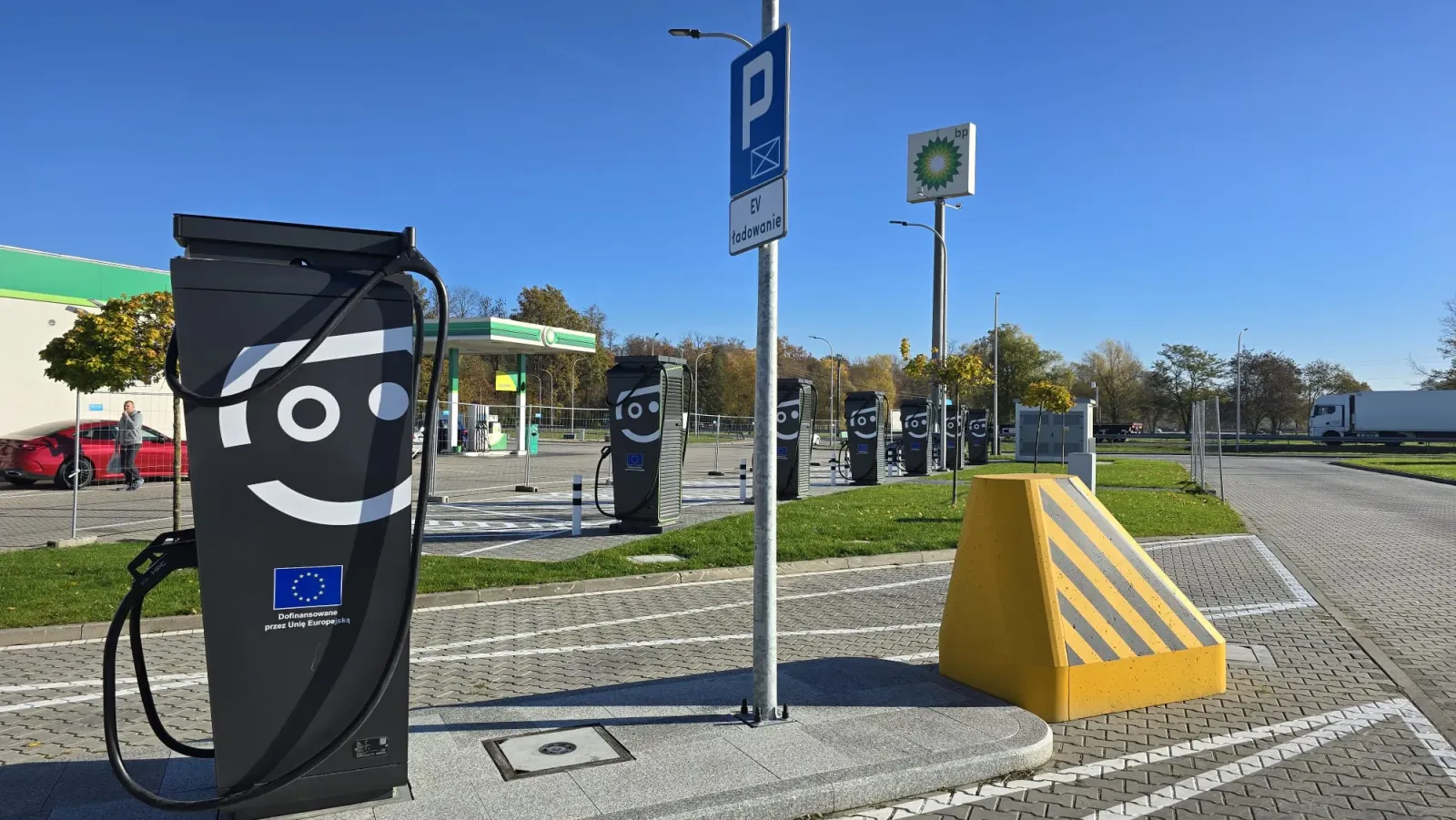
The program for building publicly accessible charging stations for heavy transport has a budget of 2 billion zł. In the first round, 170 projects were selected, which will result in 843 charging stations. The total capacity of the planned infrastructure exceeds 600 MW.
Charging stations are intended to be installed primarily along TEN-T corridors, logistics centers, intermodal terminals, and transportation hubs. The minimum capacity of stations under this program is 350 kW.
This is a key element of the whole picture. Electric tractor-trailers consume many times more energy than passenger cars, and a long stop at a charger means losses of time and money for the transporter.
Electric trucks are still a niche in the market
The truck market in Poland is large and continues to grow significantly in 2026. According to PZPM data, 21,102 new trucks were registered from January to August, an increase of 21.8% compared to the previous year.
However, the electrification of this segment is at a much earlier stage than that of passenger cars or urban buses.
The situation is similar across the entire European Union. In the first half of 2026, trucks powered by external energy sources accounted for 4.8% of new registrations. Their share is increasing—the number of registrations rose by 47.7% year on year—but diesel still accounted for 92.1% of the market.
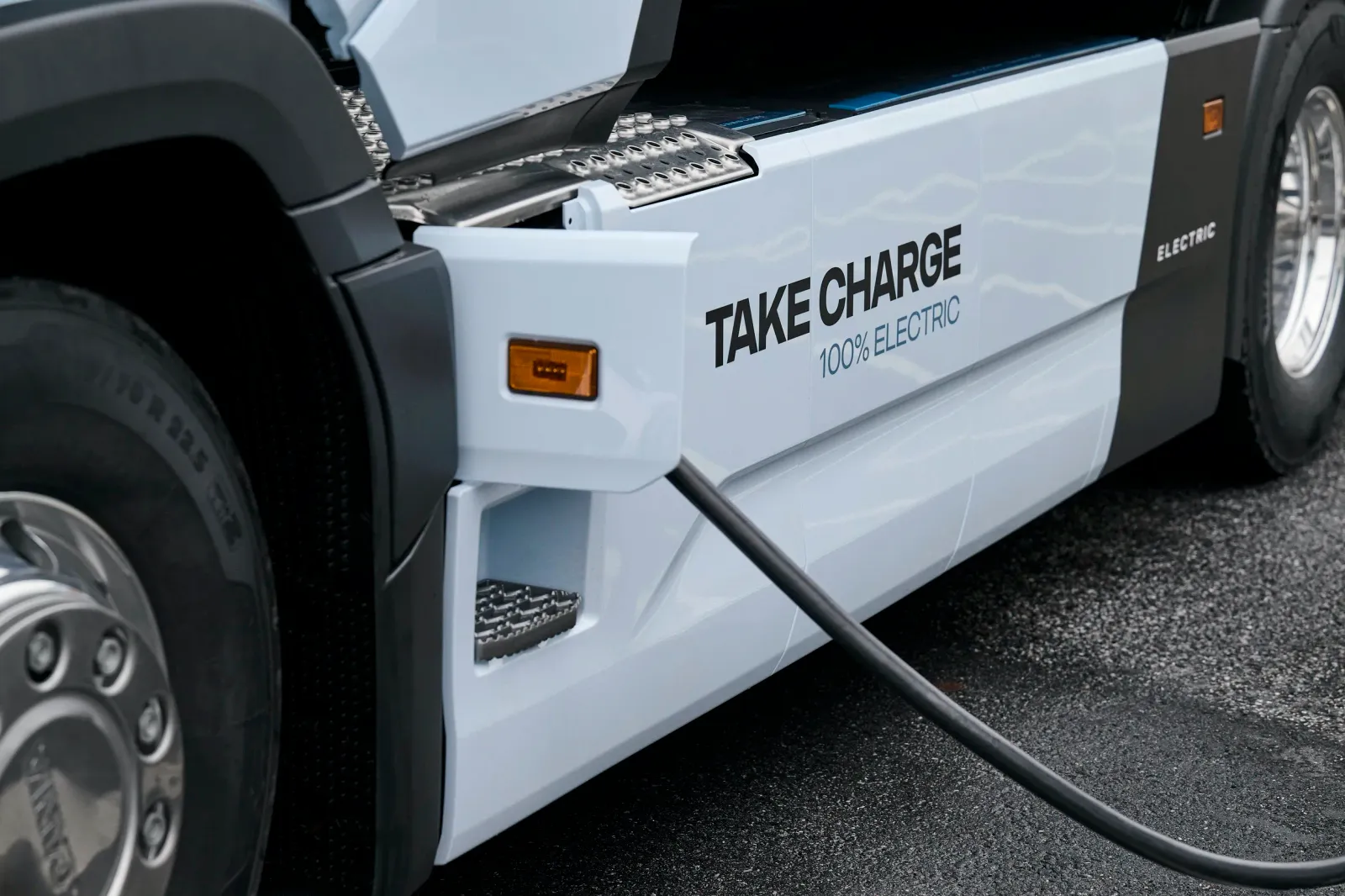
The reason is simple. Electric trucks are significantly more expensive than comparable diesel vehicles, require well-planned infrastructure, and must follow very specific routes for the investment to become profitable.
At the same time, heavy transport is precisely the sector where mileage is extremely high. A tractor-trailer can cover over 100,000 kilometers per year, so replacing one diesel vehicle with an electric one can yield a much greater impact than replacing just one passenger car.
The first 377,000 zł is only the beginning
The contract with Trans Południe will not yet change the landscape of Polish transport. However, it is the first case where funds from a massive program actually reach a business owner to purchase a specific truck.
The scale of the plan is truly enormous—2 billion zł has been allocated solely for vehicles, with additional billions set aside to provide chargers and a sufficiently strong power grid for them.
Only by combining these three elements can we determine whether electric trucks will remain rare exceptions in the fleets of the largest companies in Poland, or if they will start appearing on roads in significant numbers.
Piotr Sobczyk