
New rules make it much easier to install cross-pavement EV chargers in England
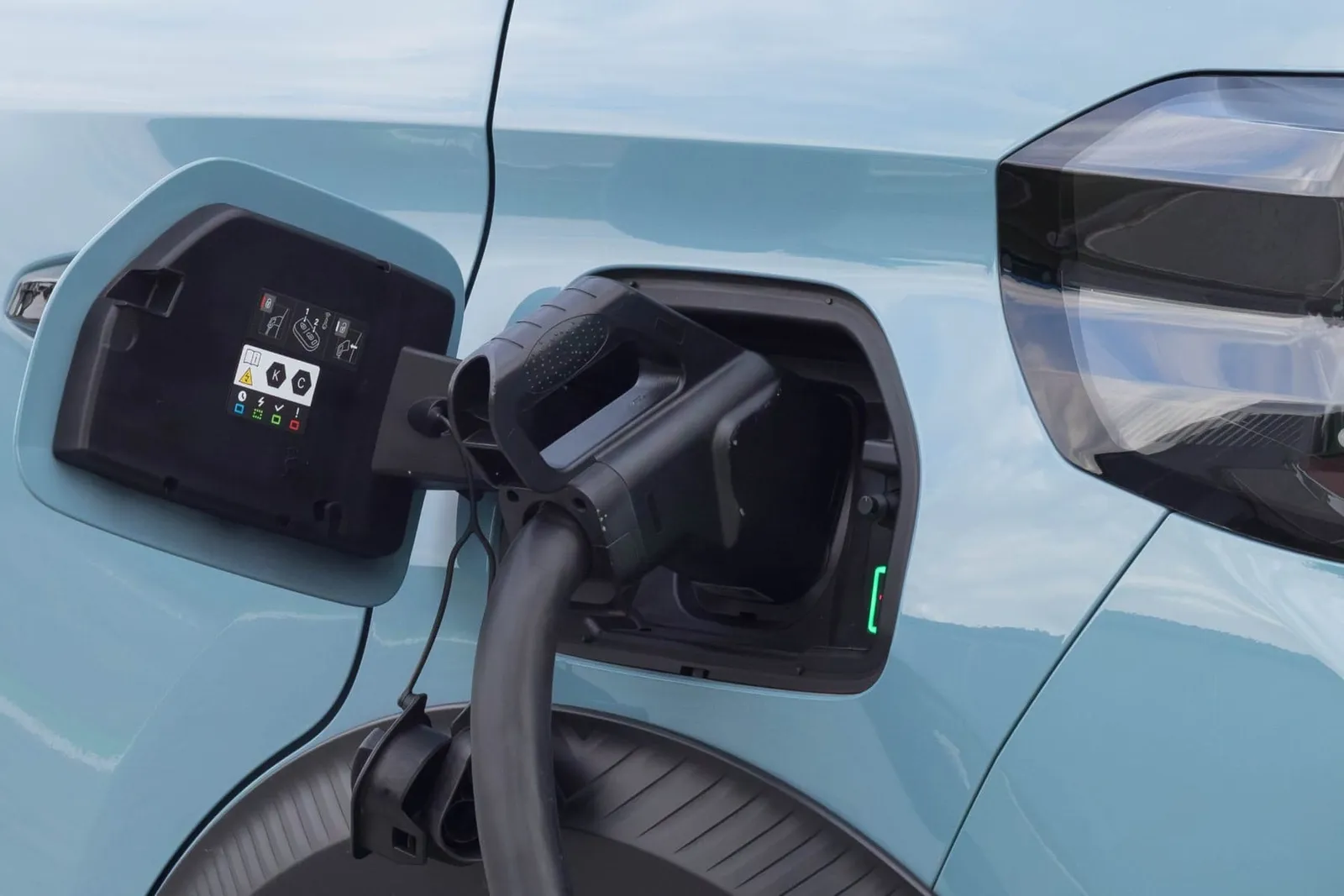
Drivers in England can now install cross-pavement EV chargers without the need for planning permission, thanks to new permitted development rights. The government estimates the change could save households up to £300 in installation costs.
Image: Daniel Bönnighausen
This follows confirmation from the government in September that it would implement the new rights. At the time, electrive reported on the planned changes, which form part of a wider effort to improve access to charging for drivers without off-street parking.
True to its word, the new permitted development rights for cross-pavement chargers came into force today, meaning homeowners can now run charging cables from domestic chargepoints to cars parked on the street via ‘gully’ channels embedded in the pavement. The systems are designed to eliminate trip hazards associated with trailing cables across footpaths, as well as reduce regulatory hurdles to those looking to install their own home EV chargers where off-street parking is lacking.
Additionally: the move removes a key obstacle to those wishing to access the government’s £25 million Pavement Channels Grant. Launched in 2025, this aims to help local authorities install pavement channels for residents without off-street parking. Under the previous rules, planning permission could be required before households qualified for support.
Vicky Edmonds, CEO at EV driver advocacy group EVA England, commented: “This might look like a small planning change, but for someone without a driveway, it could make the difference between being able to afford an electric car and ruling one out altogether. Removing the need for planning permission for cross-pavement charging is a really welcome and meaningful step towards a fairer transition. Our research found that 60 per cent of petrol and diesel drivers without off-street parking would never consider an EV. Being able to connect a car parked on the street to cheaper home electricity could help change that. It’s now up to local authorities and landlords to make these solutions easier to access in practice.”
The government has said that home charging without a driveway could cost as little as 2p per mile, helping drivers avoid the need to rely on more expensive public charging. It has also launched consultations on improving charging access for tenants and leaseholders as well as expanding charging infrastructure in new and refurbished buildings.
While this will come as welcome news to the industry, as well as both prospective and current EV drivers, it does not remove all obstacles at present. Installations will still need authorisation from relevant highway authorities, and street works permissions may also apply. Furthermore, the new rights are subject to restrictions, including exclusions for certain protected sites and properties.