
New CEO: “I want to make BMW more agile”
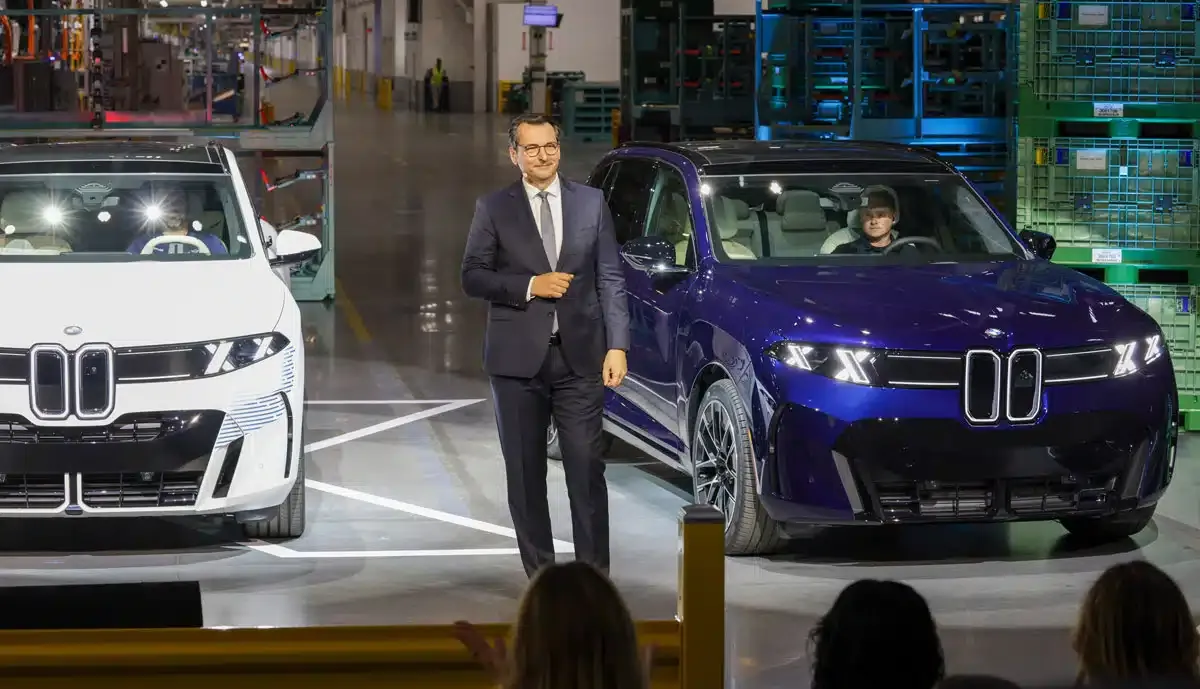
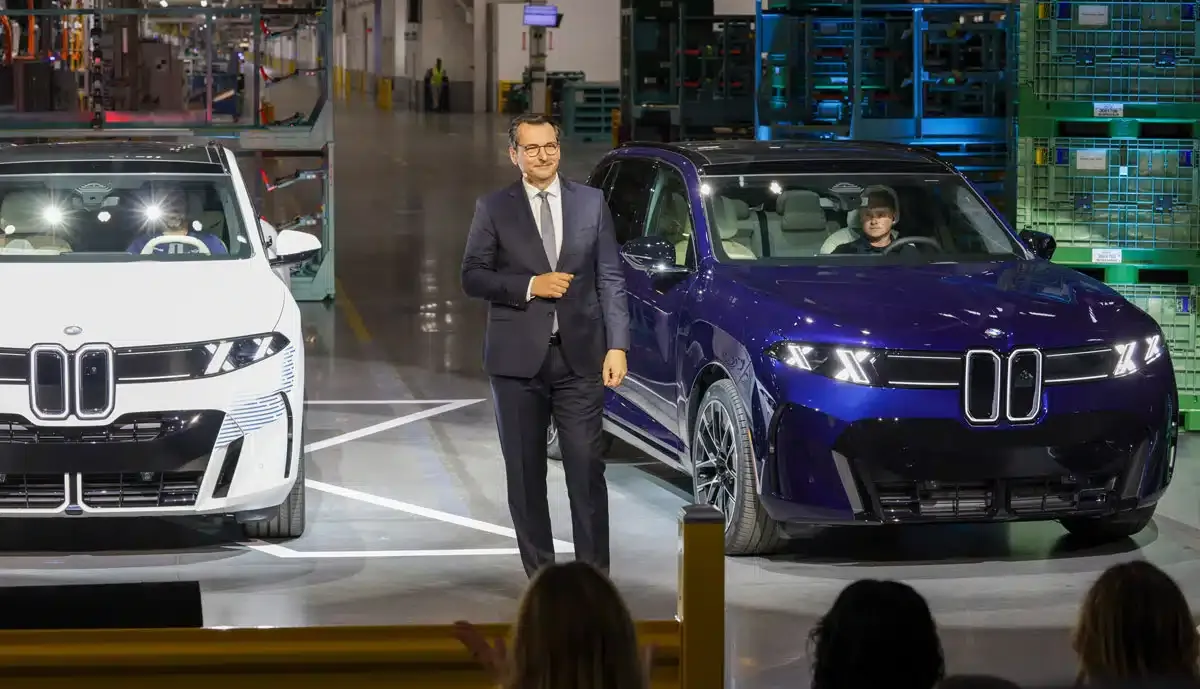
Image: BMW
BMW’s new CEO, Milan Nedeljković, aims to restructure the company through changed processes, streamlined management structures, and greater speed. New technologies such as artificial intelligence are intended to help make work processes faster and more efficient. At the same time, more responsibility is expected to be placed on individual employees. “I want to make BMW more agile above all,” Nedeljković said in an interview with Manager Magazin.
The BMW CEO cites a drastically changed environment and new competitors as reasons for the need for action. Collaboration within the conglomerate should be more focused on speed and value creation. This restructuring also involves cutting up to 8,000 jobs, primarily in administration, development, and planning in Munich. Employees at the manufacturing plants are not expected to be affected, as job losses due to business reasons are ruled out by a collective agreement according to Nedeljković.
A key role is played by the “New Class” technologies developed primarily for electric vehicles, with a total of 40 models planned to be launched by the end of 2027. Nedeljković aims to speed up development by leveraging artificial intelligence. However, he rejects accelerating progress at the expense of quality, safety, and innovation. He does not consider designing a car in 18 months to be the right approach.
In China, BMW faces significant competitive and price pressure according to its CEO. Profit margins there are under strain, yet the company expects to generate revenue with the new class of vehicles. Some Chinese cars are offered in Europe at prices that are economically unreasonable. Nedeljković advocates against further tariffs and supports voluntary agreements based on fair terms.
BMW also feels the impact of price trends in the Chinese market with its subsidiary Mini. Nedeljković notes the brand’s strong fan base in China and says he aims to give Mini a new boost there. He does not comment on possible changes for the next model generation.
Beyond BMW, Nedeljković calls for better conditions for research, development, and industrialization in Germany and Europe. These include targeted support, attractive labor costs, flexible working hours, and lower energy prices. He views the 35-hour work week as an obstacle for innovative new industries in the global race for speed. “We need speed,” says Nedeljković, referring to future technologies such as chips and systems for autonomous driving.
Also interesting
About the author
Thomas Langenbucher is an expert in electromobility with experience in the automotive and financial industries. Since 2011, he has been covering electric cars, sustainable technologies, and mobility solutions for ecomento.de. Learn more.
Reader interactions