
New BMW 3 Series: CO₂e reduction over the entire life cycle
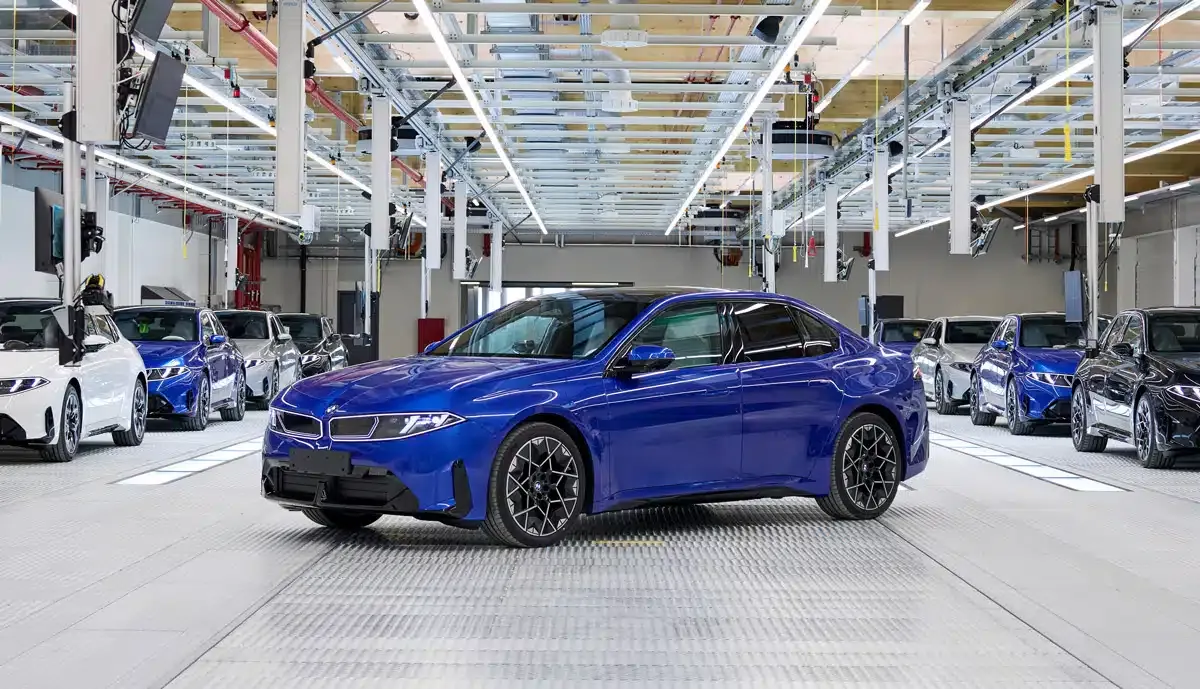
Image: BMW
With the new BMW 3 Series sedan, the BMW Group is applying its sustainability approach to both the fully electric version and the model with an internal combustion engine. According to the premium manufacturer, the supply chain, production process, usage phase, and recycling have been optimized with the goal of reducing the CO₂e footprint throughout the entire life cycle. The factories in Dingolfing, Landshut, Irlbach-Straßkirchen, and Munich form a Bavarian production cluster that leverages combined expertise and short transportation distances.
In its supply chain, BMW relies on renewable energy, higher proportions of secondary materials, as well as product and process innovations. It claims that even during the product development phase, CO₂e emissions from the supply chain were reduced by around 37% for the all-electric i3 and by about 30% for the model with an internal combustion engine. The Gen6 battery cells used in the electric 3 Series incorporate secondary materials such as cobalt, lithium, and nickel. Compared to the Gen5 cells in the i4, the CO₂e footprint per watt-hour is reduced by roughly 33%.
Secondary materials are also used in highly stressed aluminum components of the suspension as well as in the body. The hood is made up of about 70 percent recycled aluminum. According to BMW, the proportion of secondary raw materials in the overall i3 50 xDrive vehicle is around 31 percent, while it is about 25 percent in the 3 Series with a combustion engine.
The Landshut plant manufactures, among other things, the electric motor housing for the rear axle of the all-electric version of the new 3 Series, as well as crankcases and cylinder heads for the internal combustion engine model. Since spring 2024, a manufacturing site for sixth-generation high-voltage batteries has been built in Irlbach-Straßkirchen, which will supply Munich starting in October 2026 under the “Local for Local” principle. The batteries are transported to Munich using electric trucks. In normal operation, the plant runs without fossil fuels and meets its electricity needs from renewable sources.
The Munich plant manufactures “New Class” vehicles following the principles of BMW iFactory and meets all its electricity needs from renewable sources. Steel and aluminum scraps from the pressing process are collected separately, recycled, and used to create new coils, according to the company. In Dingolfing, all purchased electricity also comes from renewable sources. A photovoltaic system with nearly 11 megawatts peak capacity and a biomass heating plant that provides up to 100,000 megawatt-hours of district heat complement the energy supply.
For the operational phase, BMW relies on the EfficientDynamics technology package, which includes aspects such as aerodynamics, lightweight construction, tires optimized for rolling resistance, and energy management. The all-electric i3 also features the “Heart of Joy” control unit with BMW Dynamic Performance Control, which recovers energy through regenerative braking in various driving situations. Thanks to the so-called SiC technology in the electric drive units, energy losses have been reduced by up to 40 percent.
Also interesting
About the author
Thomas Langenbucher is an expert in electromobility with professional experience in the automotive and financial industries. Since 2011, he has been covering electric vehicles, sustainable technologies, and mobility solutions for ecomento.de. Learn more.
Reader interactions