
New Stellantis platform, unique driving feel: This is how Opel plans to stay independent
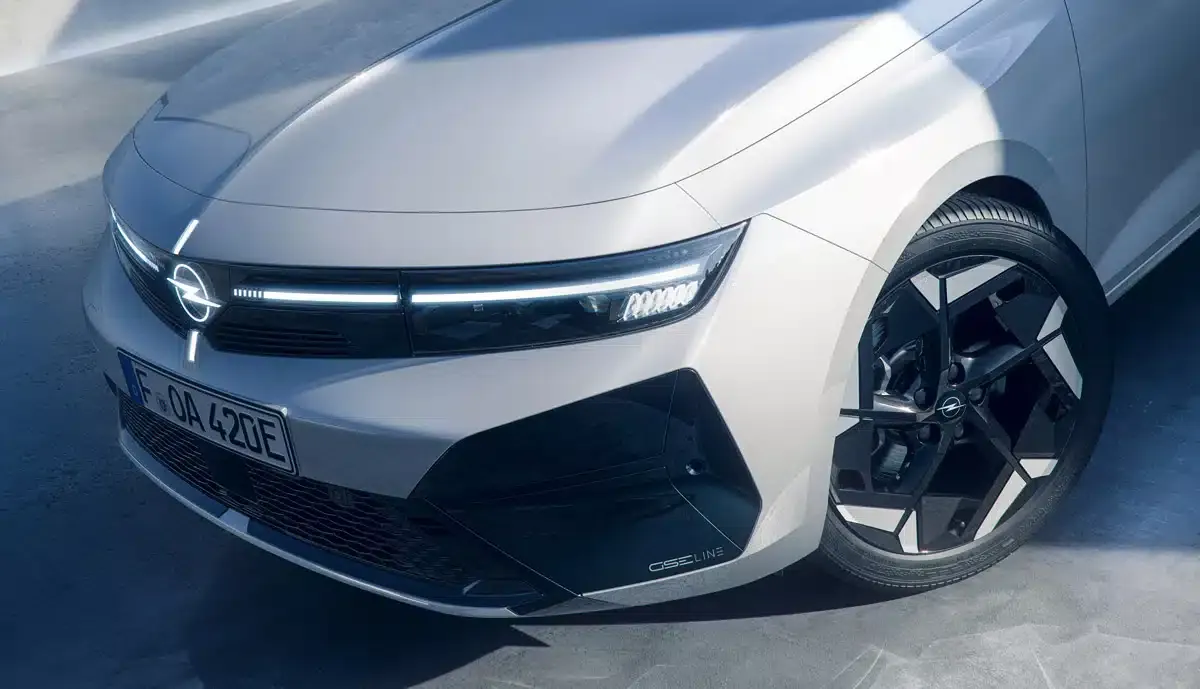
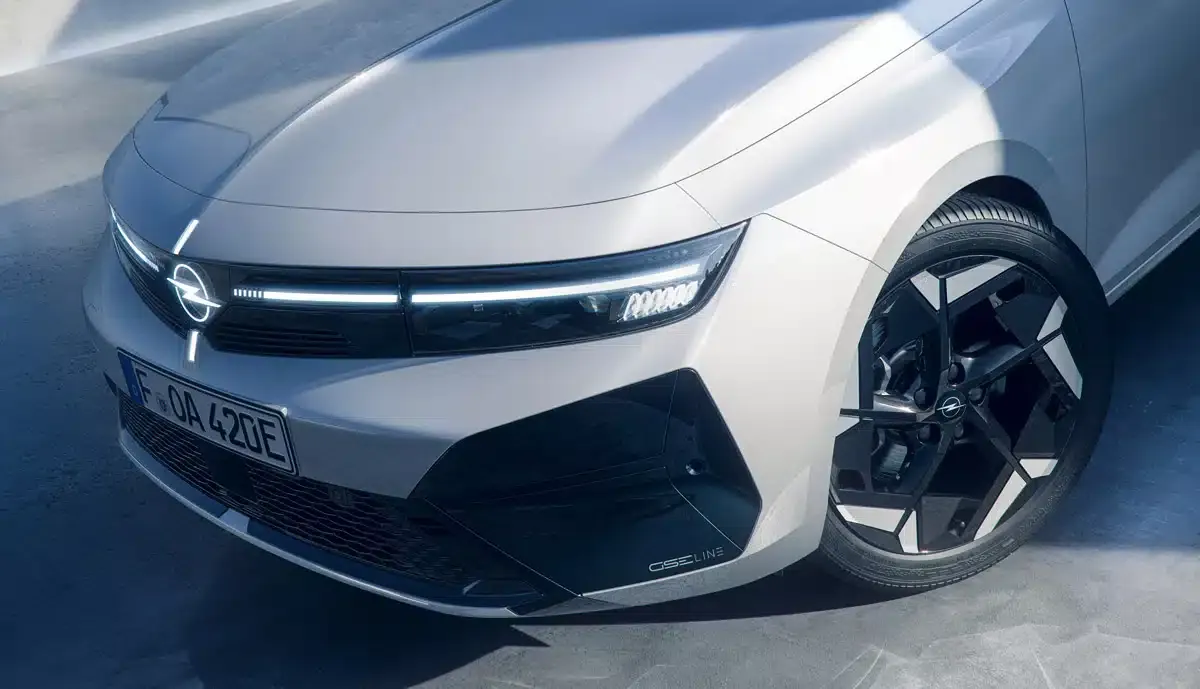
Image: Opel (illustrative)
Opel is focusing heavily on electrification and new technical platforms for its next generation of vehicles. The new Astra is set to be produced in Rüsselsheim using Stellantis’ parent company’s “STLA One” architecture. Electric powertrains are planned for this compact car, while decisions regarding other types of propulsion systems have not yet been made. This was stated by Florian Huettl, Opel’s CEO and also Stellantis’ head for Germany, to Automobilwoche.
According to Opel, the STLA One is scalable in length and width, and it includes not only the underbody structure but also the electronic architecture with control units, wiring, zonal sensors, and customer interfaces such as screens. The platform can accommodate batteries and electric motors, and it is also suitable for various types of hybrid drives. Opel is monitoring market developments and intends to adjust its powertrain strategy according to demand as well as within the framework of current laws.
According to Huettl, however, the shared technical foundation is not meant to make vehicles from Stellantis brands feel identical to customers. The platform primarily serves as an industrial backbone. How the driving behavior of an Opel vehicle is tuned based on this foundation is determined by the brand itself. Opel also develops seats and cockpits independently.
Rüsselsheim shapes chassis, seats, and lighting
A special role is played by the development center in Rüsselsheim. All Opel vehicles are still to be developed there as a priority. According to Huettl, all the technologies that Opel specifically needs are created at this location, including chassis technology as well as seat and lighting technologies. In addition, the center develops driver assistance systems for Stellantis, which are tested in Dudenhofen and tailored for the European market.
Huettl emphasizes the brand’s distinctive driving characteristics. Customers have certain expectations regarding precision, quality, and driving performance from Opel. Therefore, the company invests a lot of effort into the “Opel driving feel” and its own chassis technology. This ensures that technical differentiation is maintained even on shared group platforms.
According to Huettl, demand for electric drives is performing very well in Germany. However, Opel serves markets across Europe and beyond, so it takes into account varying developments in different regions. Regulations in Europe also play a role in decisions regarding future powertrains.
Meanwhile, Opel is working with its Chinese Stellantis partner Leapmotor on a new SUV for the compact class. Part of the development takes place in Rüsselsheim, while another part is carried out in Hangzhou. Huettl describes it as having a modern architecture at attractive costs, emphasizing its performance in terms of electronic design. Engineers from Opel and Leapmotor are developing the vehicle together.
Even with the Sino-German model, Opel aims to implement its own distinctive features. The Rüsselsheim-based company adds physical buttons to the pure touchscreen control concept, develops a new control system, and integrates a head-up display. Huettl clarifies regarding the joint vehicle: “It will be an Opel.” For development, the brand also leverages Stellantis’ global resources, where technologies such as batteries, electronic architectures, and software are developed together.
Also interesting
About the author
Thomas Langenbucher is an expert in electromobility with experience in the automotive and financial industries. Since 2011, he has been covering electric vehicles, sustainable technologies, and mobility solutions for ecomento.de. Learn more.
Reader interactions