
New calibration rules are intended to simplify cable replacement at charging stations
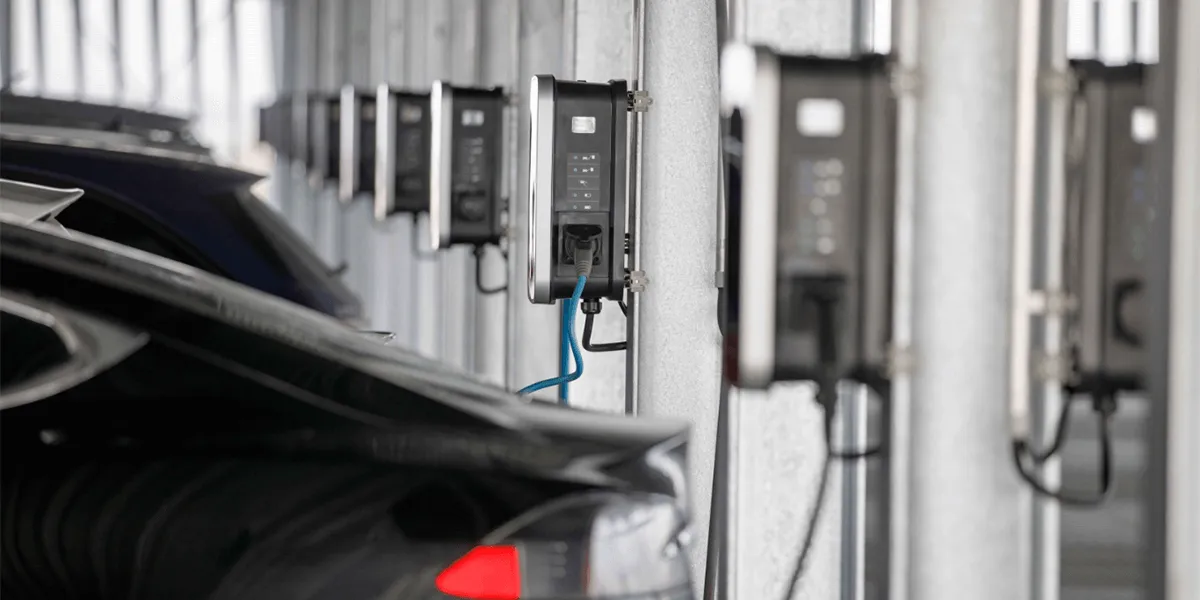
The federal government is preparing new measurement and calibration rules for charging infrastructure. In the future, it should be possible to replace damaged or stolen charging cables under certain conditions without having to recalibrate the entire measurement system.
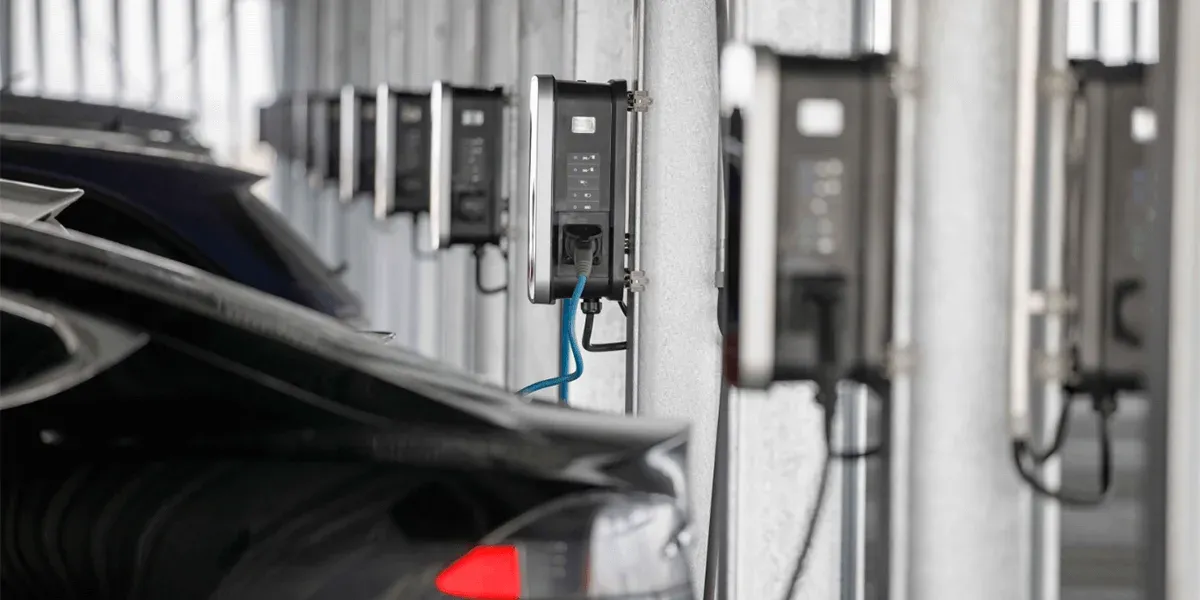
The new rules for charging infrastructure are set to take effect on October 10, 2028.
The Federal Ministry of Economics has now submitted the corresponding draft regulation for the fifth ordinance amending the Measurement and Calibration Ordinance. This is intended to implement EU Directive 2026/706 into German law. It includes charging infrastructure, DC meters, and compressed gas filling stations within the scope of the European measuring instruments directive. Implementation must take place by April 10, 2028. According to the online portal kfz-betrieb.de, however, the new rules are set to take effect only starting October 10, 2028.
For charging station operators, the planned new paragraph 29a is particularly relevant. According to it, a charging cable will soon be able to be replaced without automatically requiring a recalibration of the entire charging setup. The condition is that technical and measurement requirements are met and that the replacement does not affect the accuracy of measurements.
The underlying decision is not new. As early as 2026, the EU revised the measuring instruments directive and explicitly provided that damaged or stolen charging cables should be easier to replace. The current German draft now specifies how these requirements are to be implemented at the national level.
The relief is likely to apply first and foremost to charging installations that are put into use starting October 10, 2028, in accordance with the new European regulations. No corresponding simplification has yet been generally provided for existing installations.
New calibration rules aim to ease operators’ burden
This is exactly where the Central Association of German Motor Vehicle Trade and the Federal Association of Motor Vehicle Repair Trades address in their initial reactions. In their statement, they call for an examination of whether the simplified rules for cable replacement can also be applied to existing installations. According to these associations, existing charging installations should be able to continue operating until the end of their respective calibration deadlines without additional upgrades or re-certification.
The draft provides transition periods for charging devices that are currently regulated under national laws. They can remain considered compliant until April 9, 2030, with existing certificates valid until at most April 10, 2038.
The associations also demand a clear delineation of responsibilities. From their perspective, compliance assessment, labeling, and sealing should remain the duty of manufacturers. Operators would only need to ensure that a properly approved and labeled cable is used during replacement. The required qualifications for cable replacement should also be clearly defined.
The pressure to make changes is not surprising. As early as spring, ADAC and several associations from the mobility and energy industries had pointed out the high costs associated with recalibrations. According to them, cable replacements, maintenance, and especially cable theft result in significantly more recalibrations being needed each year than officially recognized. This leads to additional costs and prolongs the downtime of damaged charging stations.
This is particularly relevant in cases of cable theft. In addition to replacing the cable and losing revenue from charging, a new technical inspection can also delay the reactivation of the station. The new EU framework aims to reduce these additional burdens.
In addition to cable replacement, the proposal includes further changes for charging infrastructure. Measurement results should now also be able to be displayed on the customer’s end device, such as a smartphone. According to the rationale, blocking fees are not covered by the measurement and calibration regulations.
For vehicle service businesses with their own charging stations, it is also important that the new regulations do not introduce any additional documentation, storage, or proof requirements as demanded by industry associations. No new requirements, calibration deadlines, or costs are planned for exhaust analyzers and other workshop measuring devices at present.
The new regulations have not yet been approved. The draft proposal is currently under legislative review. The deadline for comments expired on October 28th, meaning changes to the specific German implementation are still possible. However, the direction has already been set by EU directives: starting in October 2028, charging stations across Europe must be put into use in accordance with harmonized measurement standards.