
New batteries are intended to make Toyota hybrids more efficient and profitable
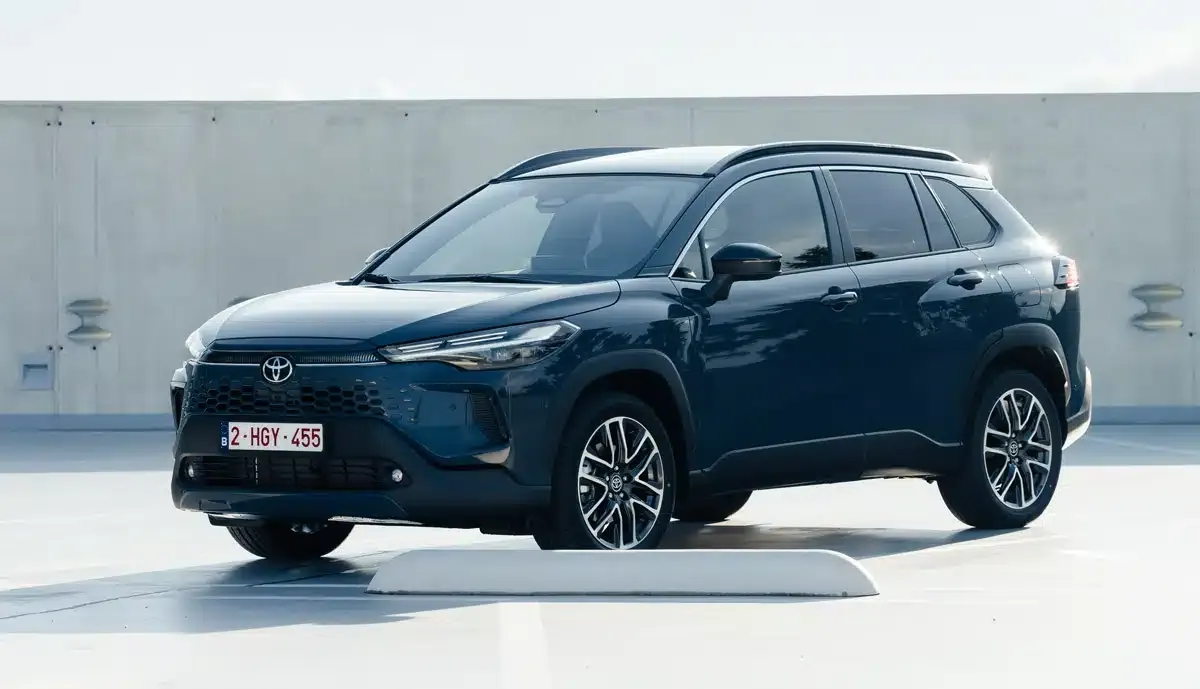
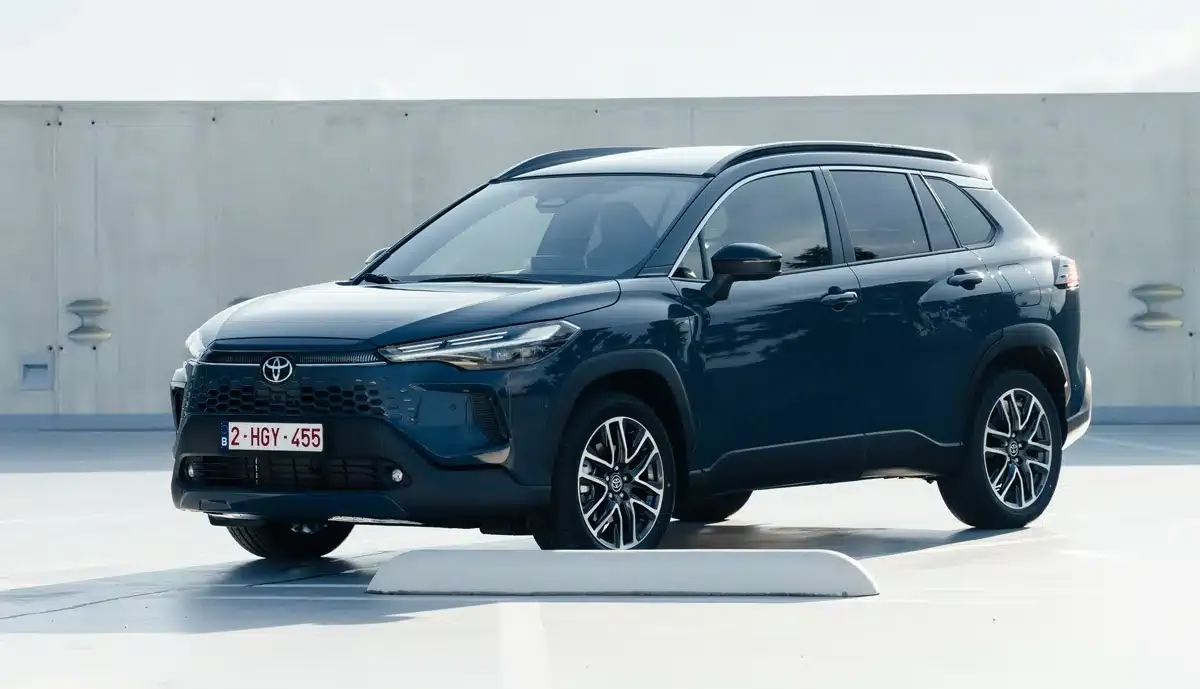
Image: Toyota
Toyota plans to introduce a new generation of batteries to boost sales of hybrid vehicles over the next two years. The technology is intended to improve performance while reducing costs per vehicle, according to Automotive News.
The shift from nickel-metal hydride battery cells to lithium-ion batteries is part of the world’s largest automaker’s broader strategy. The goal, as reported, is to strengthen the profitability and margins of its existing hybrid models. The new batteries are meant to lower costs per vehicle while offering higher efficiency.
Takanori Azuma, Toyota’s Chief Accounting Officer, told Automotive News that the company will gradually shift from nickel to lithium while expanding production capacity. “We aim to improve performance and reduce costs at the same time,” said Azuma. The cost reduction per vehicle is expected to be in the tens of thousands of yen (10,000 Yen ≈ 55 euros).
Electric vehicles now account for more than half of Toyota’s global sales. The company also predicts that deliveries of gasoline-electric hybrids will exceed five million units for the first time in 2026.
The Japanese approach to batteries relies on a dual strategy of developing their own technologies and purchasing from external suppliers. For example, Toyota plans to partner with the Chinese battery manufacturer CATL to produce batteries for 200,000 vehicles in Indonesia.
Toyota’s continued focus on hybrids is driven by rising demand for fuel-efficient vehicles, a trend fueled in part by high fuel prices resulting from conflicts in the Middle East. The world’s largest automaker is also advancing development of batteries for pure electric vehicles.
Also interesting
About the author
Thomas Langenbucher is an expert in electromobility with professional experience in the automotive industry and finance sector. Since 2011, he has been covering electric vehicles, sustainable technologies, and mobility solutions for ecomento.de. Learn more.
Reader interactions