
"We need a replacement": Skoda confirms Fabia’s electric future
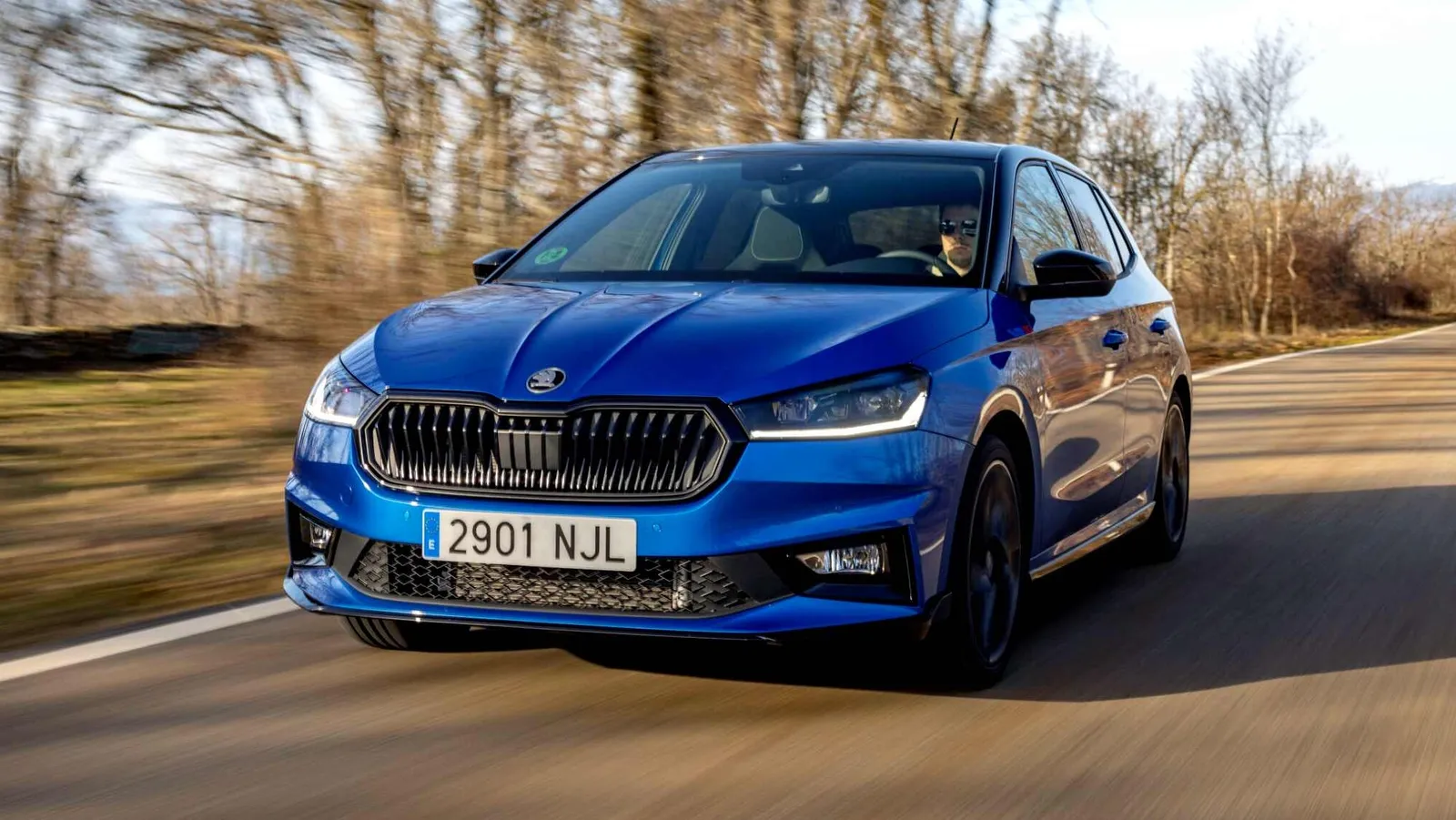
Volkswagen Group has heavily invested in electric vehicles, although it wasn’t very successful at first. Following the original ID series, the group is entering a new phase led by the ID. Polo, with other brands like Cupra participating, though some such as Seat are not involved. Within the group, Skoda is among the pioneers, but while its peers will offer an entry-level model in utility vehicle form, Skoda has chosen the Epiq, which is an SUV. Does that mean there won’t be an electric Skoda Fabia?
Skoda’s CEO, Klaus Zellmer, recently spoke about this, and the short answer is that yes, there will be one, but not immediately.
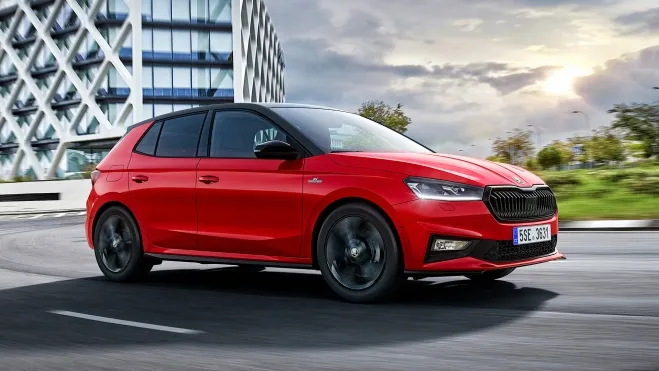
There is a successor, but in the distant future
The current generation of this utility vehicle, which relies exclusively on gasoline engines without any hybrid technology, went on sale in 2021, leading some to think its replacement should be just around the corner. But that won’t be the case, as executives have confirmed that both this model and the current Kamiq and Scala will continue to be sold until at least 2030. Nevertheless, they admit that “there will come a time when they disappear, and of course we need replacements for them, such as an electric battery version of the Fabia.”
The fact that it is temporarily so far away is noteworthy, as its parent brand, Volkswagen, has already launched the ID. Polo, which would be the equivalent model, and is even developing a lower-end car based on the ID Every1. Thus, the group already has the necessary platform and technology to develop a vehicle with these features. The explanation is quite simple: “VW handles that part of the market, and we deliberately stayed out of it because we plan to target the internal combustion engine segment.”
This is something they can do for now because, according to Zellmer, the current Fabia “still enjoys very strong demand,” although a replacement will eventually be necessary. “That car needs to be replaced in our range. What will it look like? Will its price be well below 20,000 euros or slightly above? We haven’t made any decisions yet,” he says, making it clear that the project is still in its very early stages.
Nevertheless, he admits that “it’s a segment we must cover, because if you push a brand too far, it’s like with a ladder: once you reach a certain level, if you raise the first step too high, no one will be able to enter your house. That’s why we’ll need to find a battery-powered version of the Fabia.” The goal is to compete in a league similar to one with Renault Twingo, Hyundai i10, etc.
Waiting for the right moment
The manufacturer’s strategy stems from a market analysis, something that the industry as a whole believes was not done well in the past, according to comments to Autocar: “Probably, the industry initially overestimated the speed of this transformation; however, as long as we cover a significant portion of market segments with the Fabia and Kamiq (and have the ID Every1 in the group), we will be well positioned from the group’s perspective.”
For Zellner, Skoda’s path forward over the next decade is quite clear: “The Fabia, Kamiq, and Scala will remain on the market until the early 2030s, perhaps even until 2034. By then, a natural end might occur if the EU maintains 2035 as the deadline [for phasing out new vehicles that are not zero-emission], so that is the timeframe by which we will need to introduce a replacement.”