
Even Shell now has its own IZERA. It’s innovative: ultra-fast charging thanks to cells submerged in the coolant.
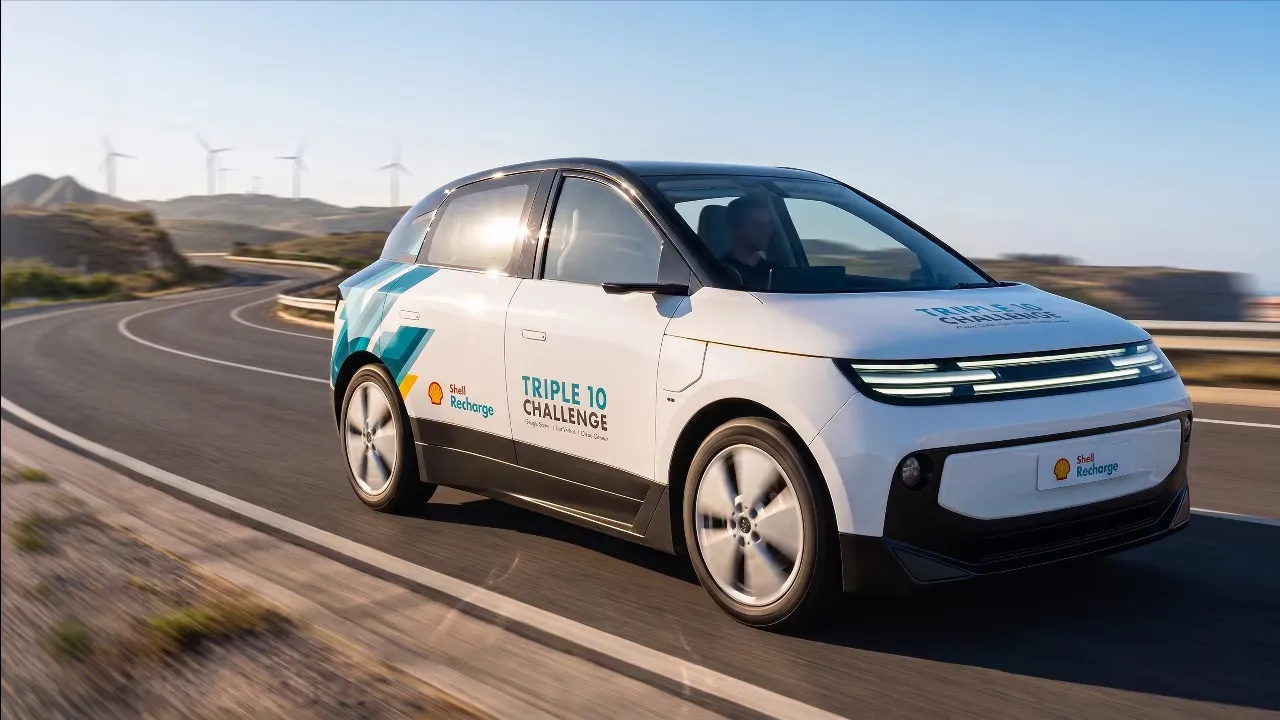
Shell unveiled its prototype electric car, the Triple 10 Challenge. The vehicle features a battery that has appeared so far only in one or two concepts, thanks to cells submerged in coolant. This design dramatically simplifies the overall structure of the battery pack and also allows for significant reductions in charging time. Potential buyers would benefit as well, as a smaller battery could make the electric car much cheaper.
Electric car for self-assemblage
Just twenty years ago, car manufacturing was available only to the “informed” — the most advanced engineering firms in the world. Ten years ago, progress in electrification led to the emergence of prototypes, conceptual “scooters” (chassis made up of batteries, motors, and suspensions) that were meant to be fitted with any type of cabin. Today, in 2026, even Shell, a petrochemical company, can create its own innovative electric vehicle.
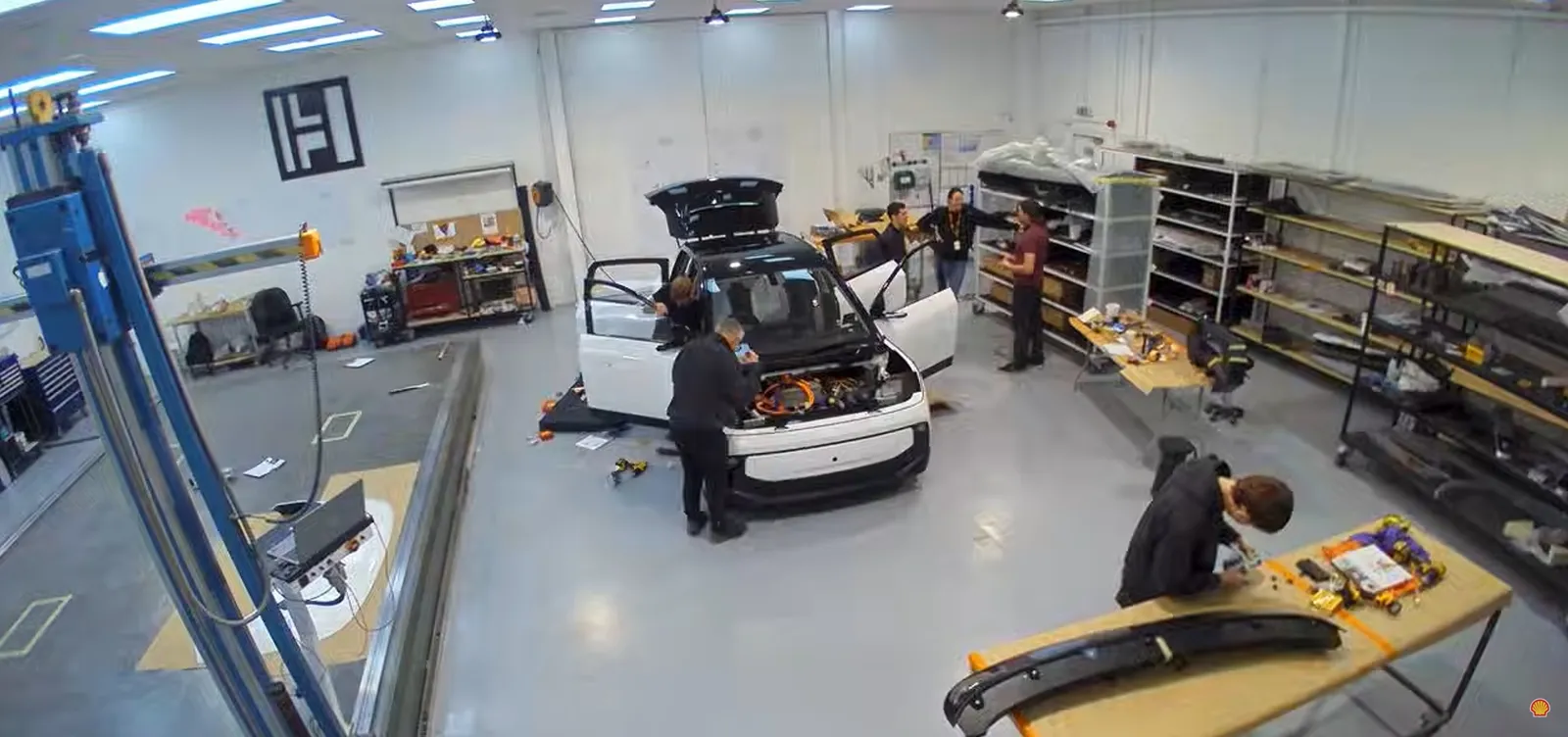
Following the principle that “prototypes should be simple,” Shell does not plan to bring the Triple 10 Challenge to market. The Triple 10 goal set during car design referred to 1/ a charging time of under 10 minutes, 2/ energy consumption of 10 kWh per 100 km, and 3/ emissions during vehicle production and use of 10 tons of CO2. To achieve goal number 1, the battery eliminated complex coolant channels and instead immersed them in a heat-absorbing fluid. As a result, it can be charged from 10% to 80% in 9:54 minutes using a typical 175 kW charger.
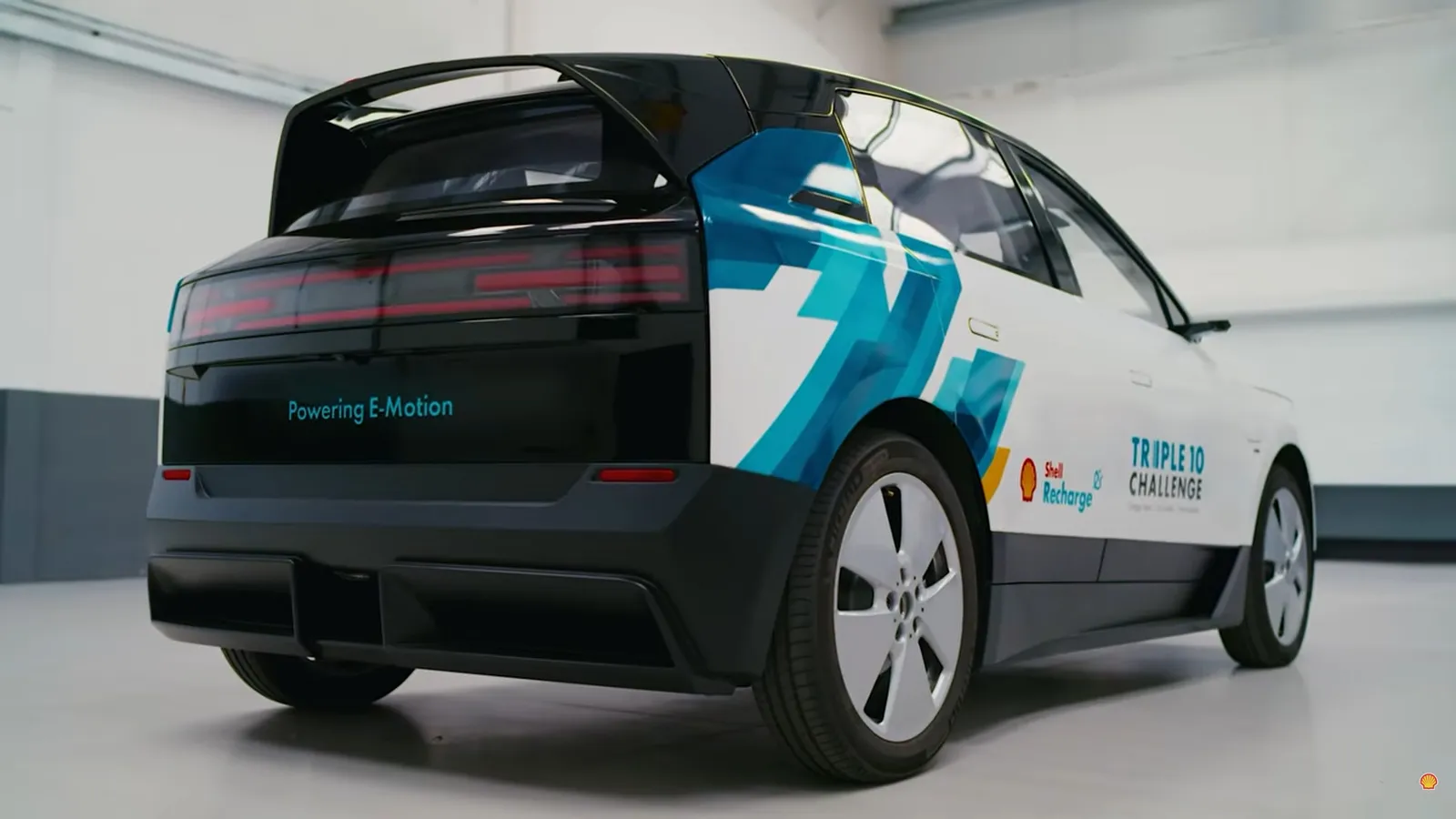
The achievement of the first goal allowed for a reduction in the vehicle’s weight, bringing designers closer to realizing goals number 2 and 3. The third goal required reducing the battery size; the additional 245 “kilometers” of range claimed from charging 70 percent to 80 percent of the battery actually amounts to 350 “kilometers” with a full battery pack. The problem is that using the official metric unit is misleading, as about 10 minutes of charging at a 175 kW charger results in no more than 29 kWh. After accounting for losses, this is at most 27 kWh.
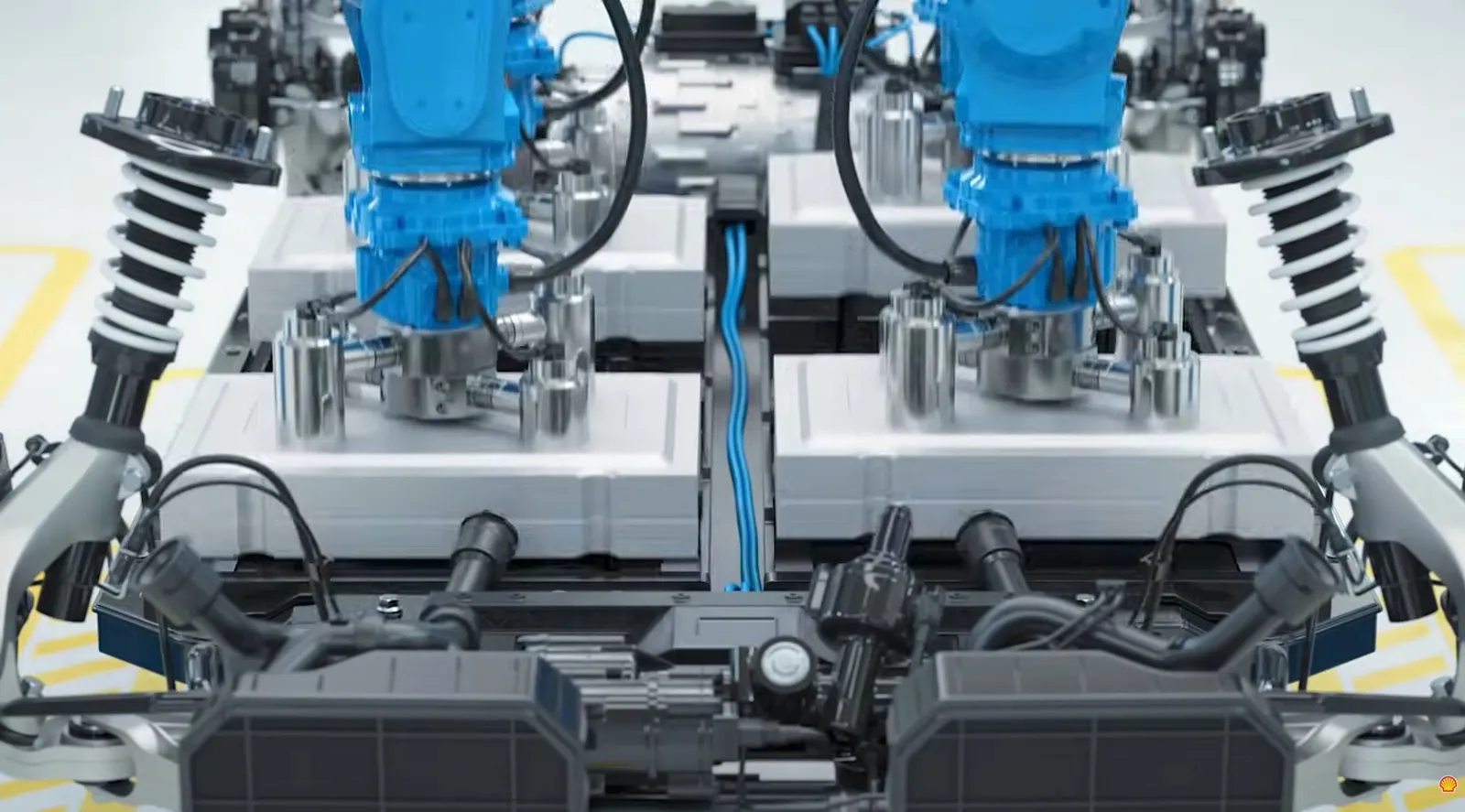
We can easily calculate (=~27/0.7) that the capacity of the Shell Triple 10 Challenge battery was no more than 37-39 kWh. However, such a large and heavy pack (~300 kg) would not allow the battery’s usage to drop to around 11 kWh/100 km (=value calculated by the editorial team) given its size, so it had to be further reduced in weight. Especially since space was needed between the cells for the coolant to reach them. Indeed, it seems there were at most 8 modules (as shown in the illustration above), so the battery’s capacity was no more than 24-32 kWh.
Therefore, if the aforementioned “kilometers” referred to 1,000 meters, then the vehicle was traveling very slowly, and its actual range was 150-200 kilometers.
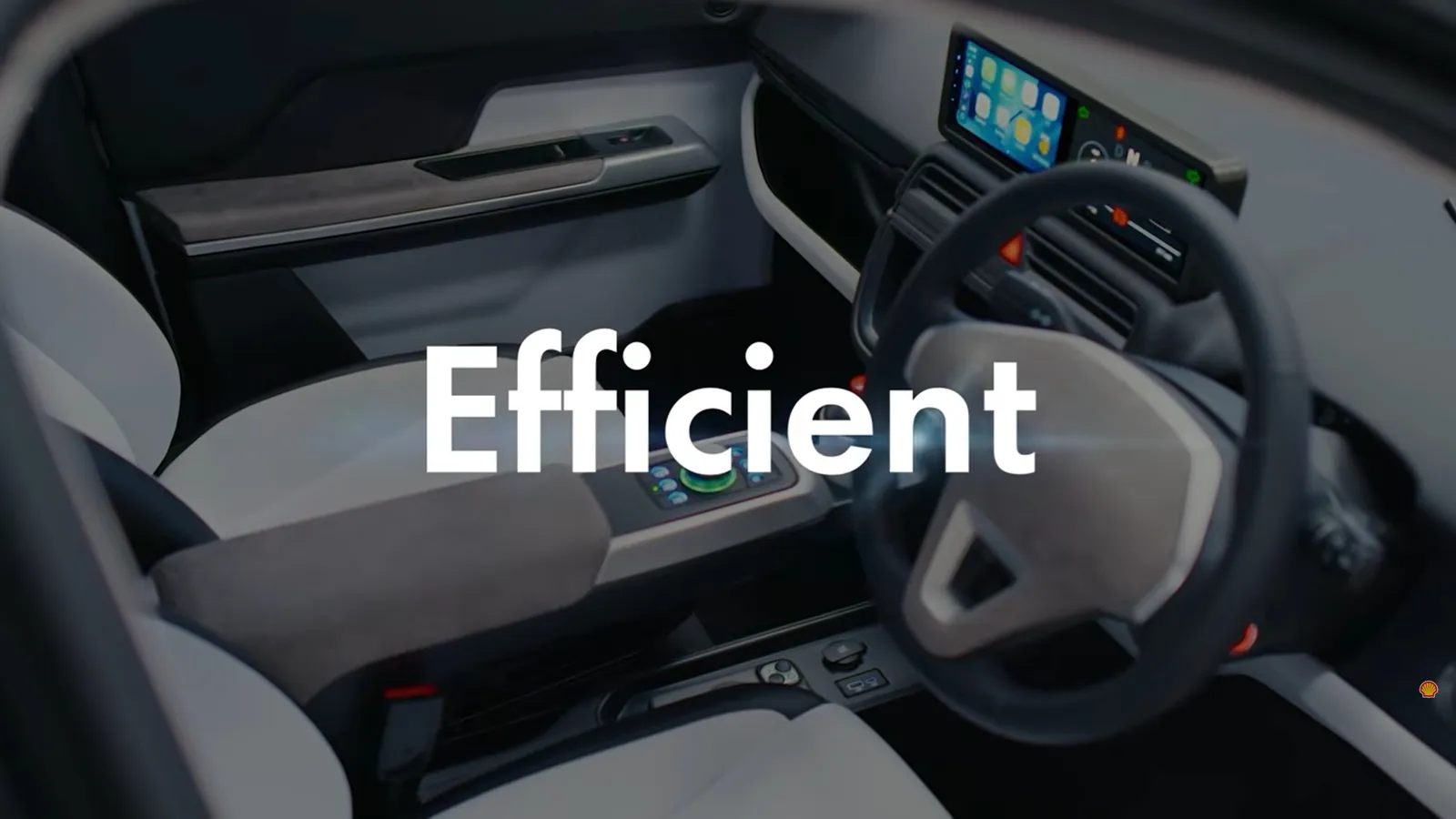
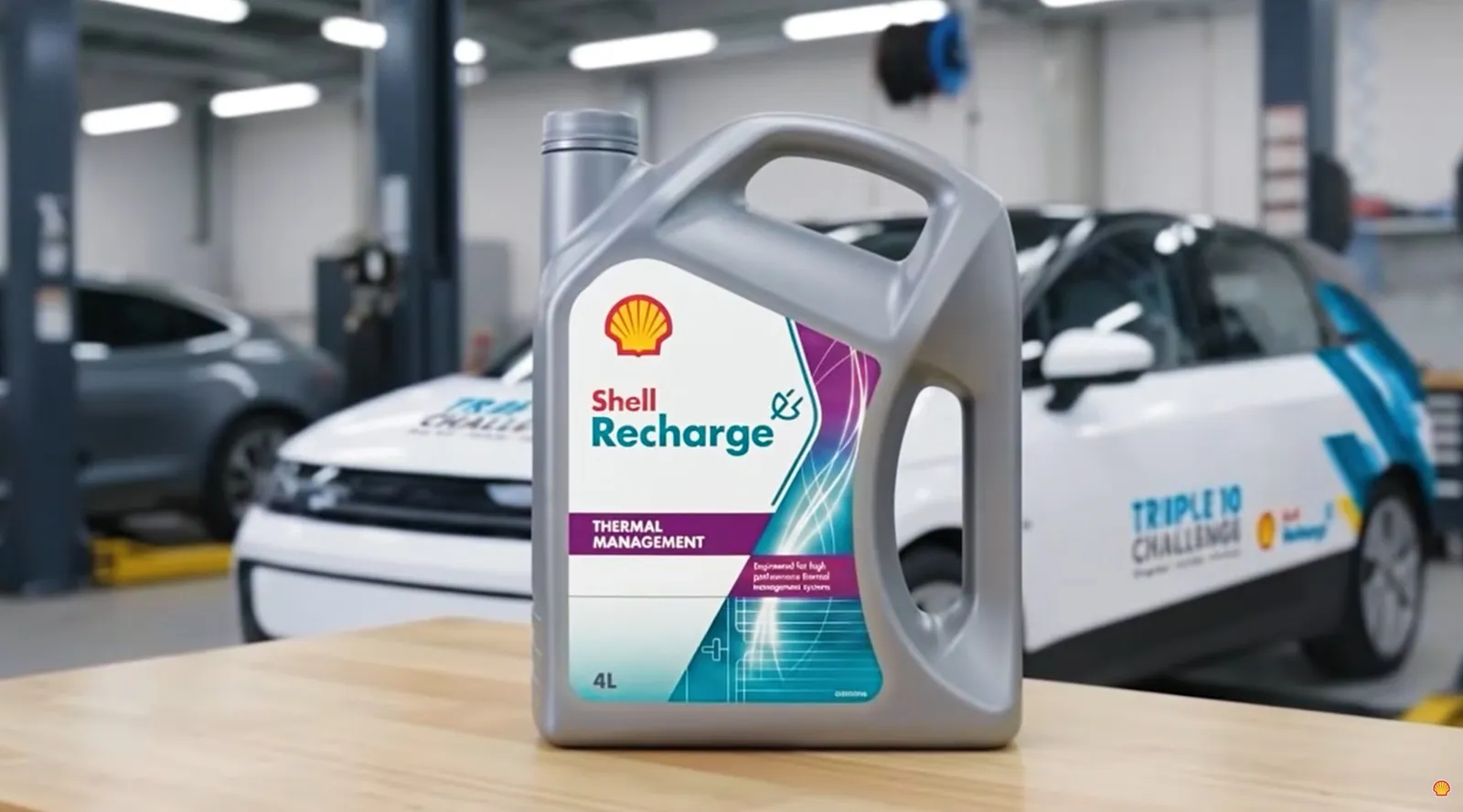
What is Shell’s interest in all this? The Triple 10 Challenge was primarily meant to promote Thermal Fluid, a cooling fluid produced from… natural gas. Shell extracts and processes fossil fuels, is ready to present its project to automotive companies, and in the future plans to sell them the cooling fluids it produces. Especially since these fluids can also be used to remove heat from engines.
Article Rating
Readers’ Ratings
[Total: 2 votes Average: 5]
Don’t miss new content—CLICK and FOLLOW Elektrowoz.pl on Google News. You might also be interested in the following ads: