
Repairing battery modules instead of replacing them. Bosch points out the weakness of electric vehicles
In short:
Bosch believes repairing individual battery modules should replace the costly replacement of entire packs
In many electric vehicles, independent repair shops lack access to diagnostic tools and spare parts
As the warranty on first-generation electric vehicles expires, the issue of repair costs will become increasingly apparent
The German technology company warns that without changes, the lifespan of electric vehicles could be shortened
Bosch: Without repairable batteries, electric vehicles may have a shorter lifespan
Advocates of electric mobility have argued for years that electric cars should last longer than their gasoline-powered counterparts. A simpler drive system, fewer moving parts, and lower operating costs were supposed to be some of the biggest advantages of this technology. However, Bosch points out that it may not be the engine but rather the battery that determines the real durability of electric vehicles.
Rupert Hoellbacher, head of Bosch Mobility Aftermarket, warned that if repairs and battery replacements become less cost-effective financially, the average lifespan of cars could be significantly shortened. “If we fail to make repairs or battery replacements more financially attractive, we must worry that the expected lifespan of cars will be greatly reduced,” said the manager, as quoted by Automobilwoche.
A single module failure, a bill equivalent to a new car
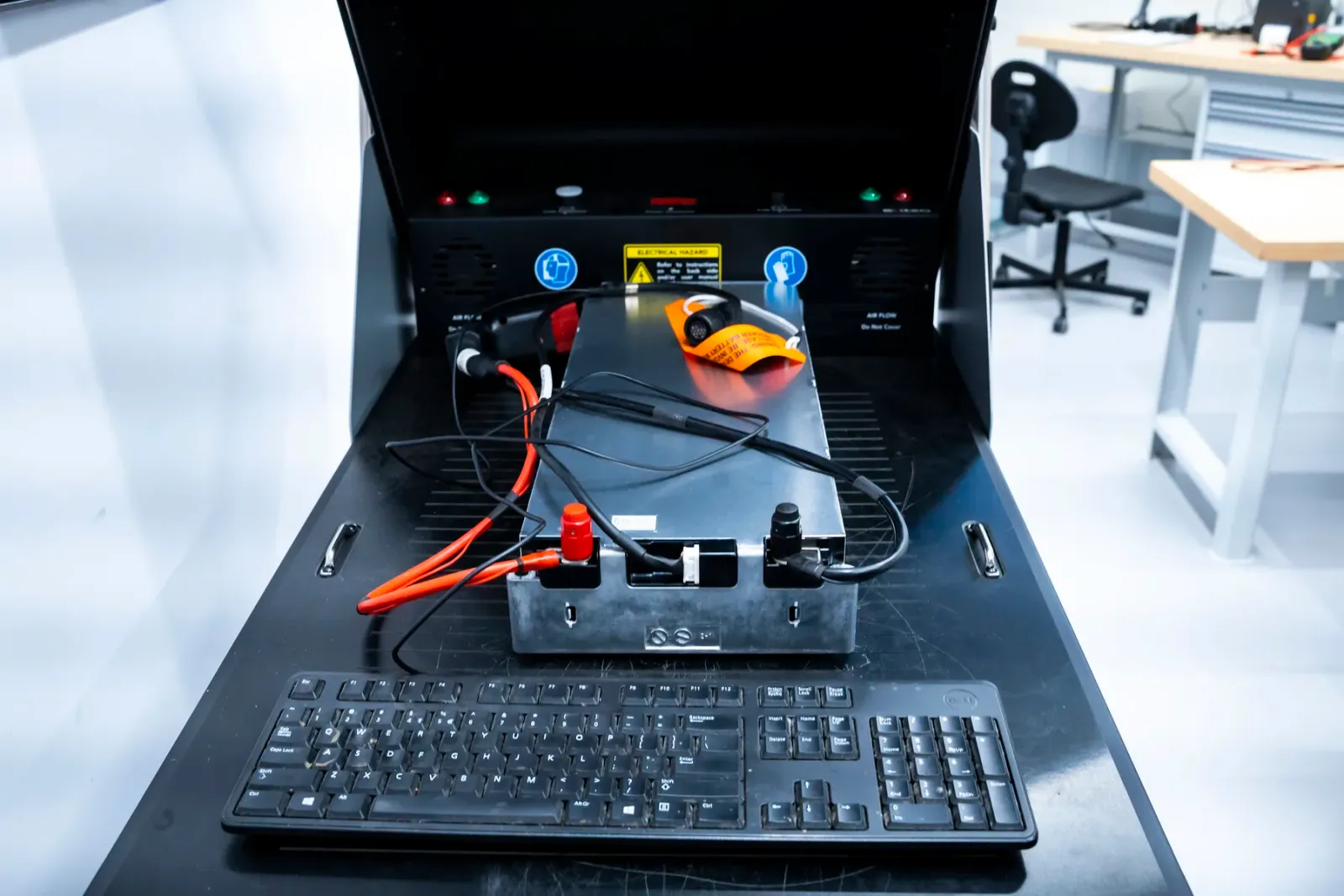
The problem affects the design of most modern traction batteries. These packs consist of multiple modules, with each module containing dozens or even hundreds of cells. Theoretically, a failure of a single component doesn’t necessarily mean the entire battery is damaged. As TopSpeed reports, in practice, however, the situation is different. In many cases, the damaged module isn’t replaced separately. Instead, manufacturers opt to install an entire new pack, which results in costs often in the tens of thousands of dollars.
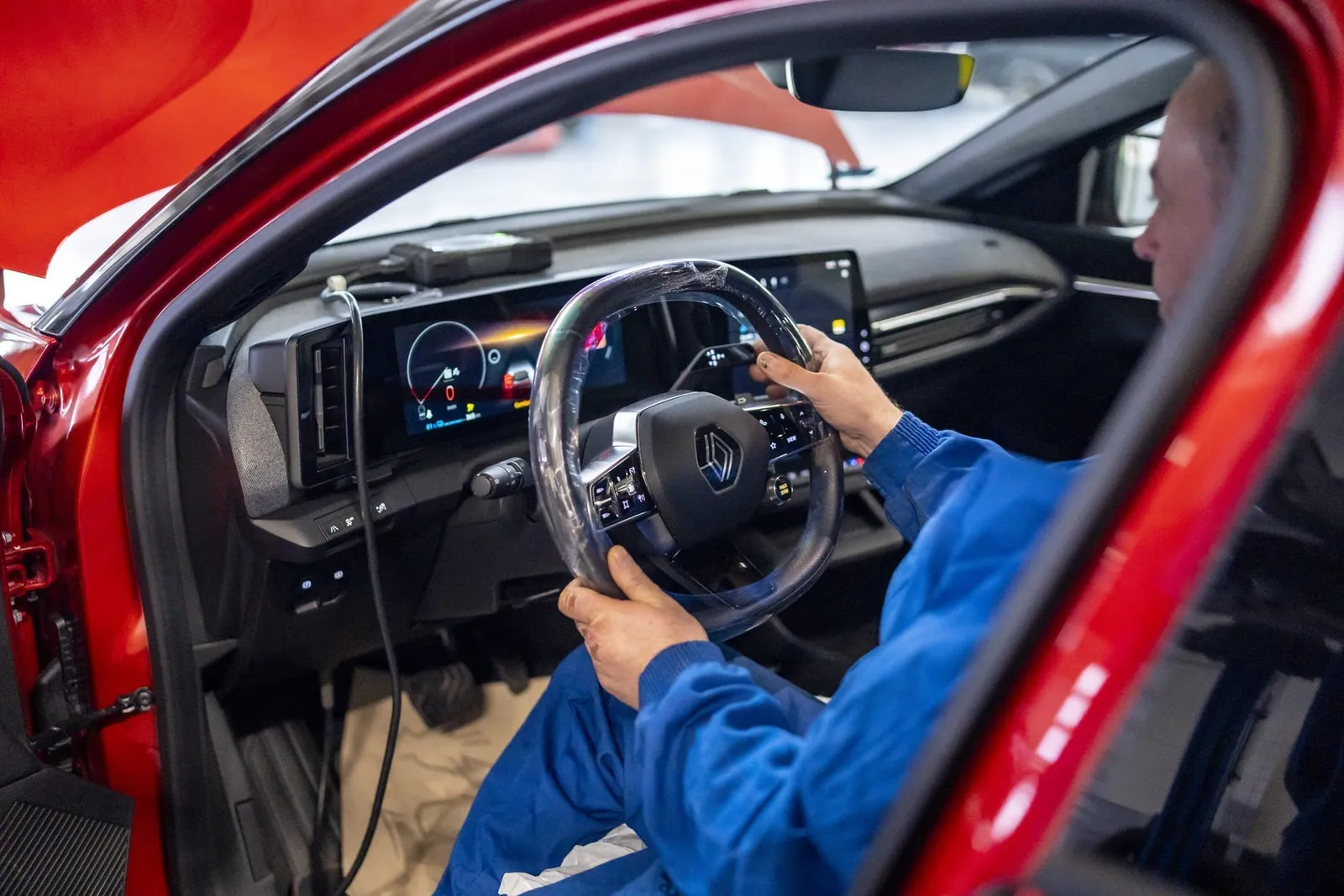
According to TopSpeed, owners of older electric cars often lack access to cheaper alternatives because independent repair shops do not have the necessary diagnostic tools or the ability to purchase individual battery modules. Vehicle manufacturers retain control over diagnostic software and parts distribution. As a result, a driver of a multi-year-old car might hear from a repair shop a repair cost comparable to the vehicle’s total value.
The warranty period for the first wave of “electric cars” is ending
According to Bosch, the problem will soon become much more apparent. The first wave of electric cars sold at the end of the previous decade and the beginning of the current one is now reaching the end of its warranty period. Most manufacturers offer an eight-year warranty or around 160,000 kilometers of coverage for the battery. Once that expires, the owner is left to bear the risk of potentially costly repairs.
As TopSpeed notes, for a car user whose vehicle is worth $15,000 on the used market, spending a similar amount on a new battery is not really a repair but rather a necessity to buy the same car again.
Bosch wants to open up the repair market
In Rupert Hoellbacher’s view, the solution would be to allow independent workshops to diagnose and repair individual battery modules. In many cases, this could reduce costs to a level that reflects the vehicle’s actual value.
Bosch points out that a similar evolution occurred earlier in the internal combustion engine market. Thanks to the wide availability of spare parts and a well-developed network of independent service centers, it is possible to repair engines, transmissions, or drivetrains without the need to replace entire systems. According to company representatives, a similar model should also emerge for electric vehicles.
Sustainable development also means repair
In the debate about electromobility, discussions often focus on emissions, range, or charging time. Bosch emphasizes another aspect: the durability of products and their repairability.
“That would mean not only the loss of potential in the replacement parts and service market, but also a significant step backward in terms of sustainable development, as many vehicle components were designed for much longer service life,” emphasized Hoellbacher.
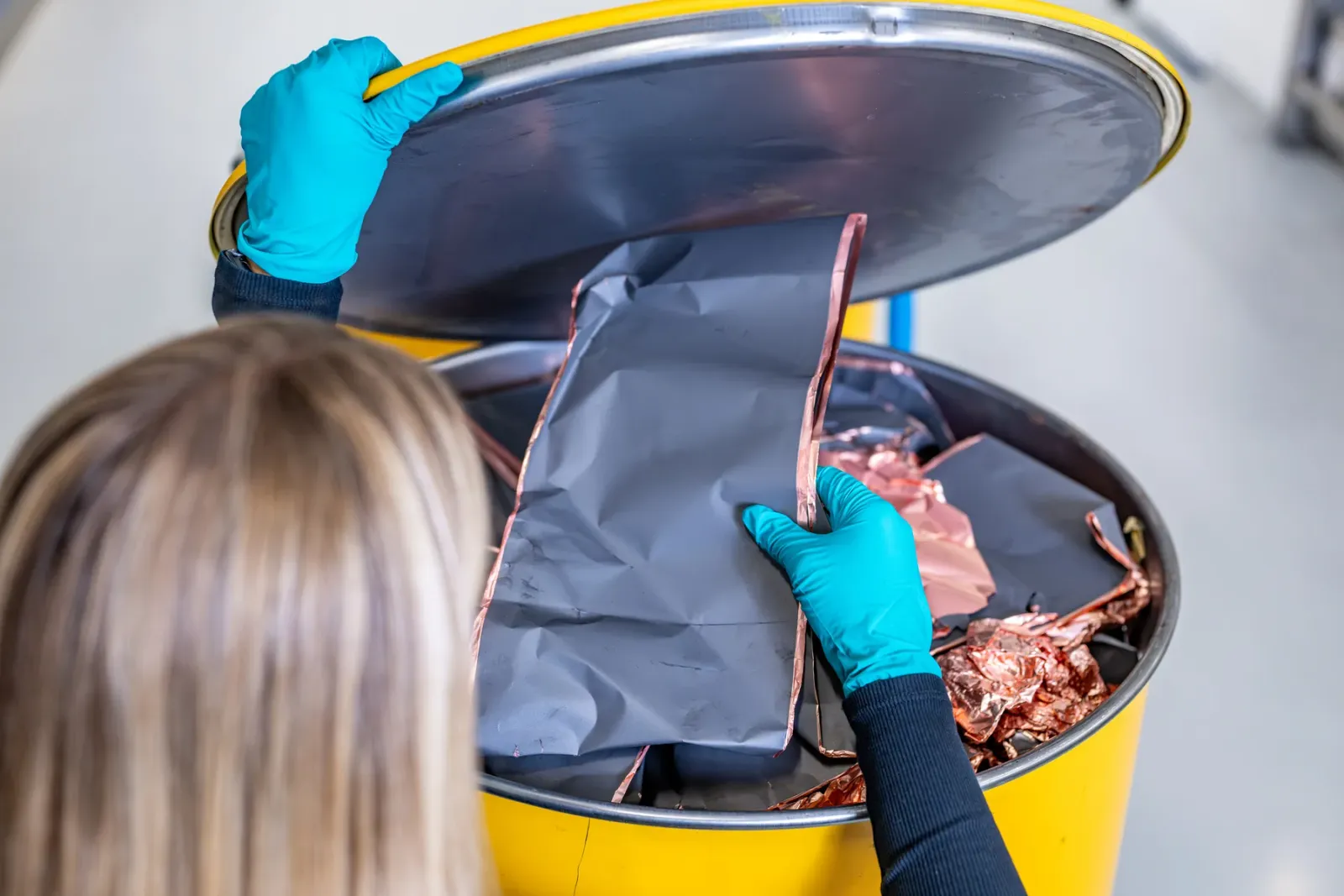
This is precisely why the German conglomerate identifies recycling and repair as one of the most critical challenges facing the automotive industry. If manufacturers do not provide access to diagnostics and parts, then — as the name suggests — some electric vehicles may reach the end of their lifespan much sooner than would be indicated by their actual technical condition. Experts in the industry believe this would be a scenario difficult to reconcile with the concept of sustainable mobility, which has accompanied the development of electric vehicles from the beginning.
Oskar Włostowski