
No one wants to go back to gas cars after switching to electric vehicles.
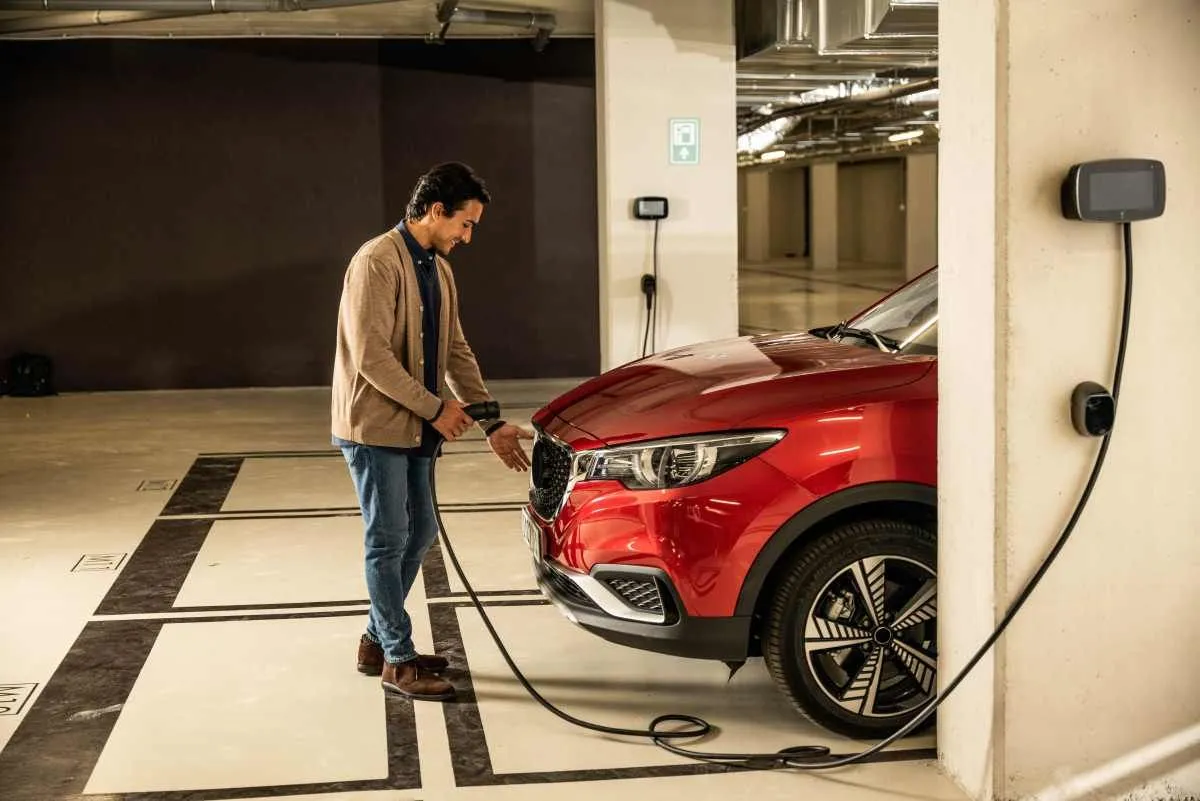
For years, one of the main arguments against electric cars has been that many drivers might regret trying them and end up returning to gasoline or diesel vehicles. However, surveys conducted among owners show a quite different reality. Moreover, the perception seems to improve over time since purchase.
This is indicated by a new study from CDK Global, which shows an especially high level of loyalty among those who already drive electric cars. The research suggests that the vast majority would choose this technology again, while the group considering returning to a combustion engine vehicle has shrunk to almost negligible levels.
This is not a completely new phenomenon. An international survey conducted by the Global EV Drivers Alliance among over 23,000 drivers from 18 countries already showed at the end of 2024 that 92% intended to buy another electric car as their next vehicle, while only 1% would opt for gasoline or diesel.
Now, the CDK study brings focus back to this loyalty and adds an interesting element: the usage experience seems to be convincing more owners over time.
From 21% to 1% in just one year
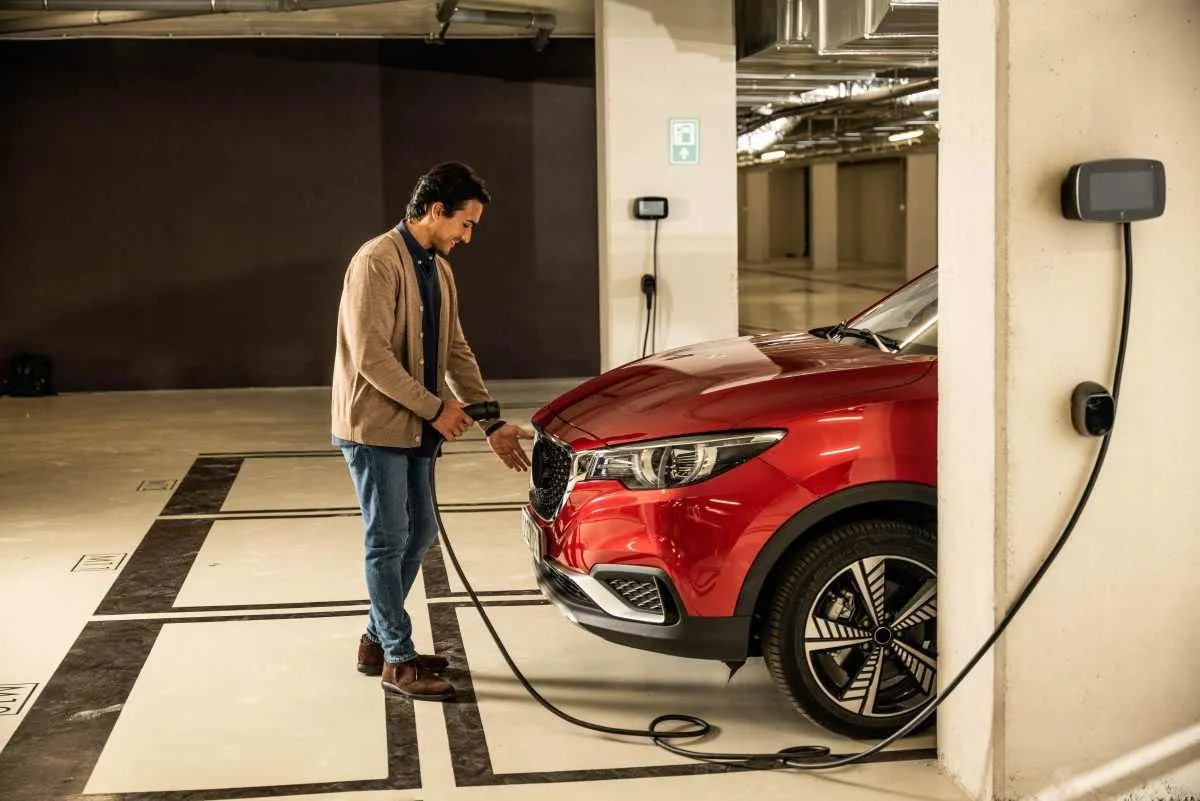
The evolution is striking. In the CDK survey of 2025, 21% of U.S. electric vehicle owners considered switching back to a gasoline car. By 2026, that figure had dropped to 1%. The current study was conducted among 552 U.S. electric vehicle owners.
At the same time, 90% say they would buy an electric vehicle again when it’s time to replace their current one. This figure represents an increase from the previous survey, rising to 94% when older owners are excluded. Additionally, 92% would recommend electric vehicles to their family and friends.
Satisfaction is also at very high levels. 94% say they are satisfied with their purchase, while 79% consider their electric car to be the best they have ever driven. The study also indicates that 73% of owners intend to always keep at least one electric car in their household.
There is another particularly interesting statistic. 11% of respondents say they will always keep a gasoline car alongside their electric car, up from 0% in the previous study. In other words, some who do not want to completely give up internal combustion engines are not necessarily abandoning electric cars; instead, they prefer to keep both technologies at home.
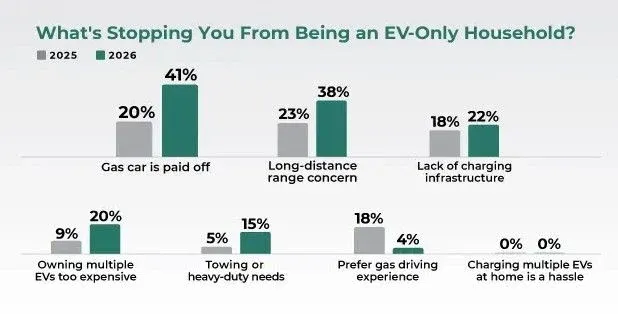
The reason has a lot to do with everyday experience. 87% of owners believe their operating costs are lower than those of gasoline cars, up from 77% the previous year. Energy and maintenance savings thus appear as one of the strongest arguments for choosing an electric car again.
The way the car is used also plays a role. Home charging remains essential for these drivers, as it allows them to start the day with enough energy without having to go to a gas station. For those who can install a charger at home, much of the previous concern about range disappears as part of their daily routine.
That doesn’t mean everything works perfectly. Public charging remains one of the main weaknesses cited by owners, especially during long trips. The reliability of charging stations, the availability of locations, and the time required to complete a charge are still areas that need improvement.
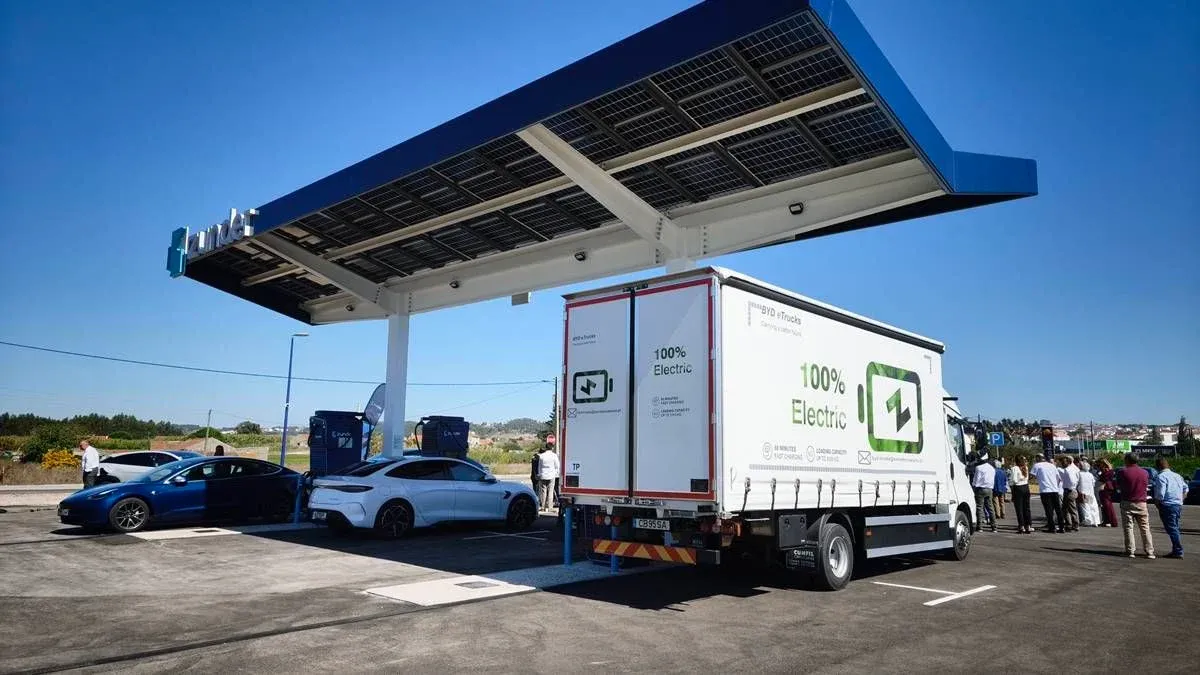
Here lies one of the paradoxes of electric cars. Drivers who have made the switch seem increasingly convinced of their decision, but there is still room for improvement precisely in those less common situations: long road trips, where users rely on infrastructure they do not control.
The results also align with other studies conducted in recent years. The Global EV Drivers Alliance’s worldwide survey, involving over 23,000 drivers, found that 92% intended to buy an electric car again, while only 1% considered returning to gasoline or diesel vehicles. The main reasons for choosing an electric car were lower operating costs, followed by concerns related to environmental impact and reduced noise.
Thus, there is a fairly clear conclusion: once a driver gets used to an electric car, it seems unlikely they will go back. Discussions about the technology may remain intense among those who have not tried it yet, but those who already use it offer a quite different perspective.
That said, it’s important to put the figures in context. CDK’s survey was conducted only among 552 American owners, so that 1% figure cannot be directly applied to Spain or the entire European market. It represents a relatively small sample, and moreover, the United States has different usage conditions, driving distances, and charging infrastructure compared to our market.
In France, for example, electric cars accounted for 28.2% of new registrations in the first half of 2026, with 241,565 units registered, up from 148,614 in the same period of 2025. The growth has been particularly rapid, although incentives and the specific conditions of the French market also play a significant role.
The picture painted by all these studies is, in any case, much more nuanced than one of a supposed mass abandonment of electric cars. There are still problems to solve, especially regarding public charging, but owners who have already made the switch show a very high level of loyalty. And as time goes by, the idea of returning to traditional cars seems less appealing.
