
MyWheels now runs on 80 percent electricity.
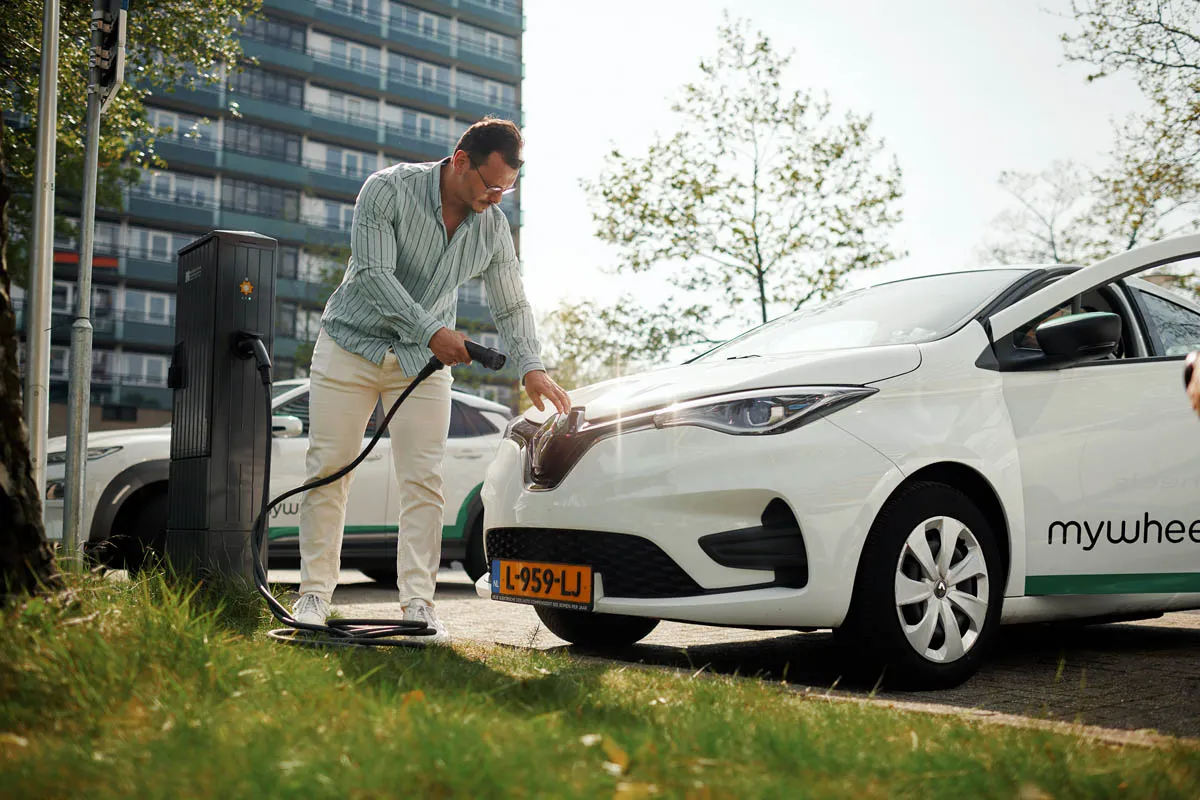
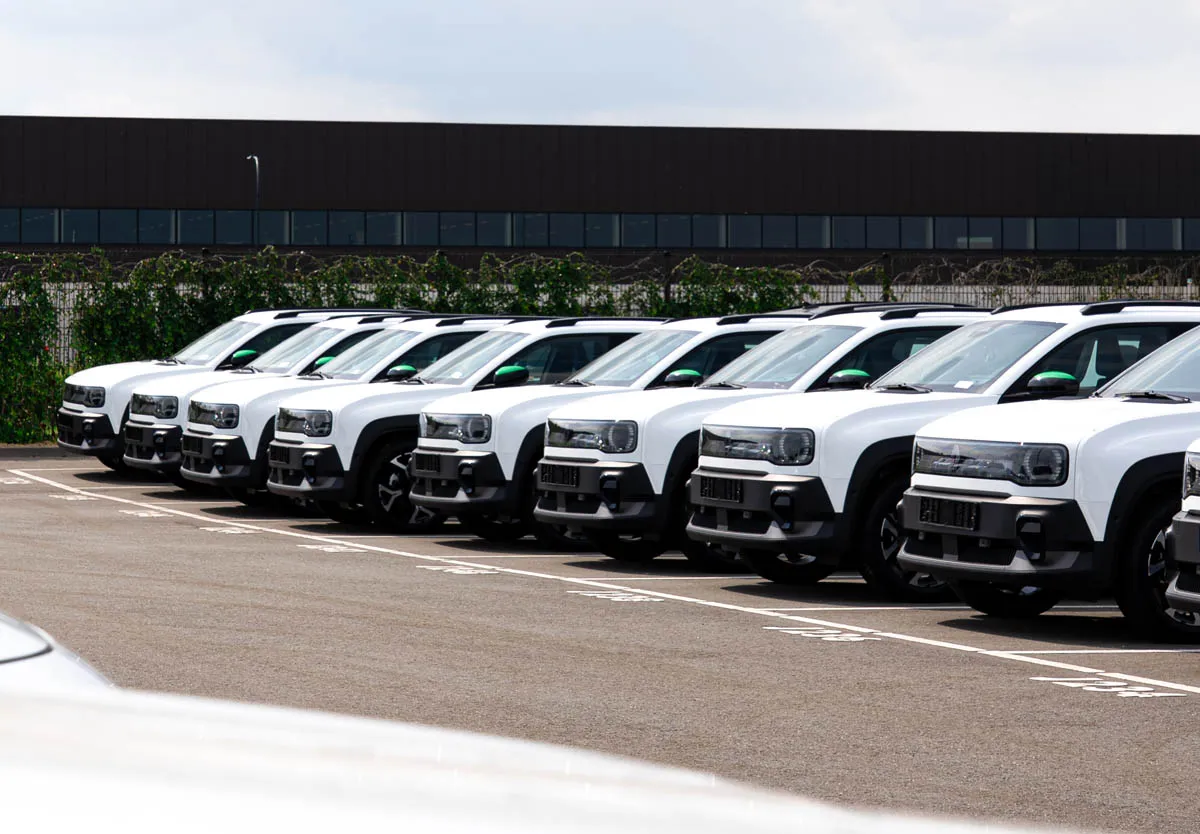
The car-sharing service MyWheels is expanding its fleet by adding 450 electric vehicles. With 300 Renault 4s and 150 Ford Pumas, the fleet size grows to over 3,000 vehicles, 80 percent of which are now fully electric. This strengthens MyWheels’ position as the largest provider of electric car-sharing services in the Netherlands.
Renault 4 and Ford Puma expand the lineup
The expansion includes 300 Renault 4 E-Tech models and 150 Ford Puma Gen-E models. The Renault 4 is already part of the fleet, while the electric Ford Puma is new to MyWheels. These vehicles will be deployed in various Dutch cities this year, including Amsterdam, Utrecht, Eindhoven, Rotterdam, and The Hague.
With over 3,000 shared cars, MyWheels has now built up a fairly large fleet. According to the company, 80 percent of these cars are fully electric, making it claim to have the largest selection of electric shared cars in the Netherlands. The new cars are primarily deployed in locations where demand for shared vehicles is high.
The Renault 4 E-Tech is a practical choice thanks to its compact size, five seating positions, and 420 liters of trunk space. The Ford Puma Gen-E also offers five seats and an unusually large trunk space for its class. Both models target users who seek more space than what’s available in smaller cars like the Renault 5.
MyWheels now offers a range of vehicles, from compact electric cars to larger models such as the Hyundai Kona, Kia e-Niro, and Tesla Model 3. The electric Kia PV5 van is also part of their fleet.
How does MyWheels work?
With MyWheels, you can reserve a car through an app without needing to own one yourself. After registering with your driver’s license, you can see which car-sharing vehicles are available nearby. You choose a car and reserve it for a specific period. You unlock and lock the car using your smartphone. After use, you return it to the designated parking spot or area.
You pay for the reserved time and the miles driven. Charging, insurance, maintenance, and roadside assistance are included. A deductible may apply in case of damage. More information is available on MyWheels’ website.
How much does MyWheels cost?
MyWheels offers three subscription plans. The free Start subscription is intended for occasional use. Those who drive more frequently can get discounts on trip costs with Plus or Pro.
Subscription
Monthly cost
Per hour starting from
Per kilometer starting from
Start
Free
€ 4.29
€ 0.44
Plus
€ 10
€ 3.86
€ 0.39
Pro
€ 25
€ 3.22
€ 0.33
These are the starting prices for the cheapest car class. An additional € 1.50 is added per trip with the Start plan.
With Plus, you get 10 percent off the ride price, while Pro offers 25 percent off. Both paid subscriptions can be canceled monthly and have no initiation fee. Larger cars are more expensive. Current rates vary by car class and are visible in the app in advance. New users currently receive three months of free access to Pro.
Whether a shared car is cheaper than owning a car depends mainly on usage. Those who drive only occasionally save on fixed costs such as depreciation, insurance, and maintenance. With frequent use or long reservations, the hourly and mileage costs can actually add up quite significantly.
Electric shared cars also supply power back
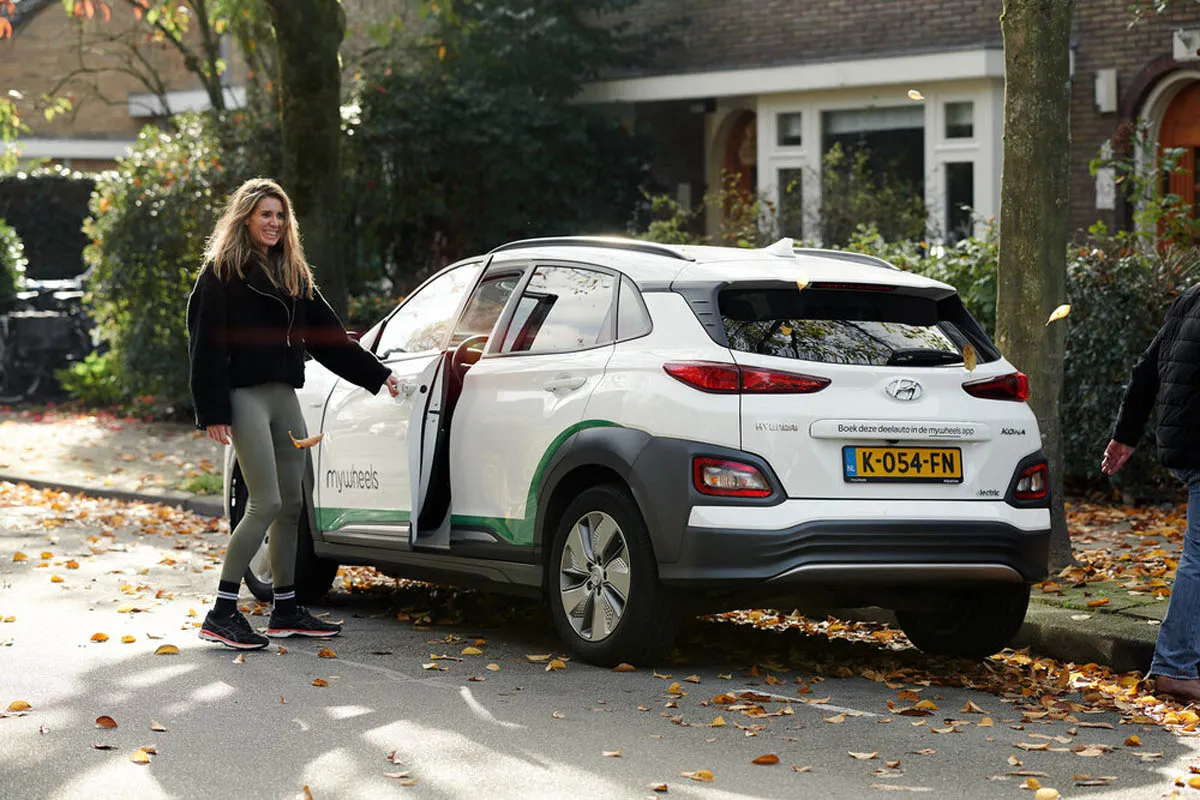
MyWheels also focuses on two-way charging. In partnership with We Drive Solar and the Renault Group, 350 electric car-sharing vehicles suitable for Vehicle-to-Grid (V2G) are already in use in Utrecht and Eindhoven. With this technology, cars can feed electricity back into the power grid through compatible charging stations.
This happens when the cars are parked and the battery pack has sufficient energy. The electricity fed back can help mitigate peaks in electricity demand. By expanding the fleet of Renault 4 vehicles, MyWheels is preparing for further growth of this V2G fleet. It has not yet been announced how many of the 300 new vehicles will actually be capable of two-way charging.
Car sharing is growing, but it won’t replace every personal car
The further electrification of MyWheels aligns with a broader trend where more drivers, especially in urban areas, are opting for car sharing. A shared car can be attractive for those who don’t need a car daily or don’t have access to home charging.
At the same time, car sharing has its limitations. Availability varies by location, the car usually needs to be returned to its original parking spot, and time costs apply during reservations. For those who drive daily, owning a car or leasing one remains more practical.
With the addition of 450 new electric cars, MyWheels’ offering will at least become larger and more diverse. The further expansion of two-way charging can also enhance the significance of electric shared cars for the energy system.
Text: Marc Verweij