
MOT Study: Electric Vehicles with Long Range More Reliable Than Gas Engines
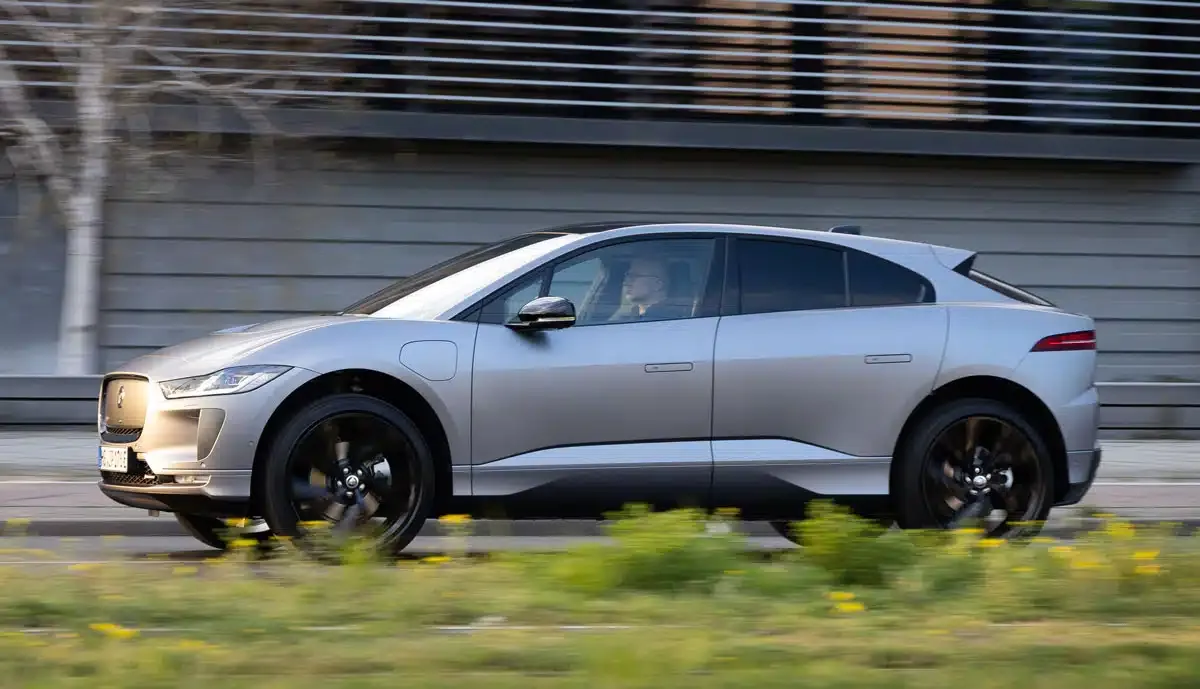
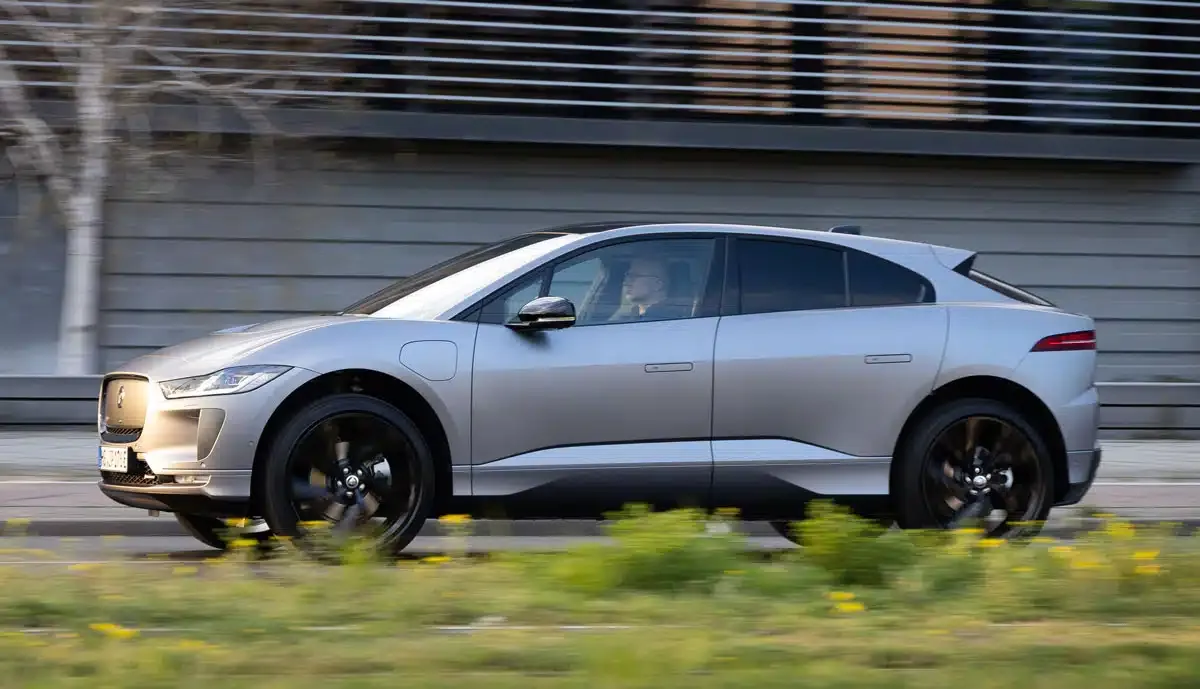
Image: Jaguar (illustrative)
A analysis of 47.4 million MOT tests shows that electric cars have lower failure rates at high mileage compared to gasoline cars of the same age, according to The Guardian. Between 90,000 and 120,000 miles (approximately 145,000/193,000 km), 16.5 percent of electric cars failed the test, while 22.1 percent of gasoline cars did. This means electric cars had a failure probability about 25 percent lower in this range.
MOT is an annual vehicle inspection in the United Kingdom to assess road safety, driving suitability, and emission levels. According to the analysis based on this inspection, 16 percent of electric cars failed the test after exceeding 120,000 miles, while 23.5 percent of gasoline cars failed as well. In contrast, smaller differences were observed between the two types of vehicles at lower mileage levels. The study was conducted by consulting firm New AutoMotive on behalf of the industry association British Vehicle Rental and Leasing Association (BVRLA).
Toby Poston, head of BVRLA, said mileage is one of the first things people consider when buying a used car. Exceeding 60,000 or 70,000 miles (about 97,000/113,000 km) can significantly affect how a vehicle is perceived. However, the data showed that mileage alone should not deter consumers, and a well-maintained electric car with higher mileage can be an extremely durable used vehicle.
In certain inspection categories, electric cars performed worse. They had almost twice as many tire defects as gasoline vehicles. Additionally, older electric cars with lower mileage frequently had issues with friction brakes. The researchers attributed this to corrosion resulting from less frequent use of the brakes.
MOT tests cover aspects such as brakes, tires, suspension, steering, and lighting. However, they do not examine the condition and aging of the battery nor its charging capacity. Analysts explain that these factors must be considered in addition to mechanical roadworthiness when evaluating a used electric vehicle.
Poston from BVRLA emphasized that buyers should still check the vehicle’s history, condition, tires, and battery status, just as they would examine the engine, transmission, and maintenance history in gasoline or diesel vehicles. At the same time, the assumption that an electric car with 80,000 or 100,000 miles (about 130,000/161,000 km) must automatically be considered worn out can be questioned. Ben Nelmes, head of New-AutoMotive, also said that high mileage is “not an indicator of poor condition in the way buyers have traditionally assumed.”
Also interesting
About the author
Thomas Langenbucher is an expert in electromobility with professional experience in the automotive and financial industries. Since 2011, he has been covering electric cars, sustainable technologies, and mobility solutions for ecomento.de. Learn more.
Reader interactions