
The Mitsubishi Eclipse Cross becomes almost €10,000 cheaper with the new 67 kWh version
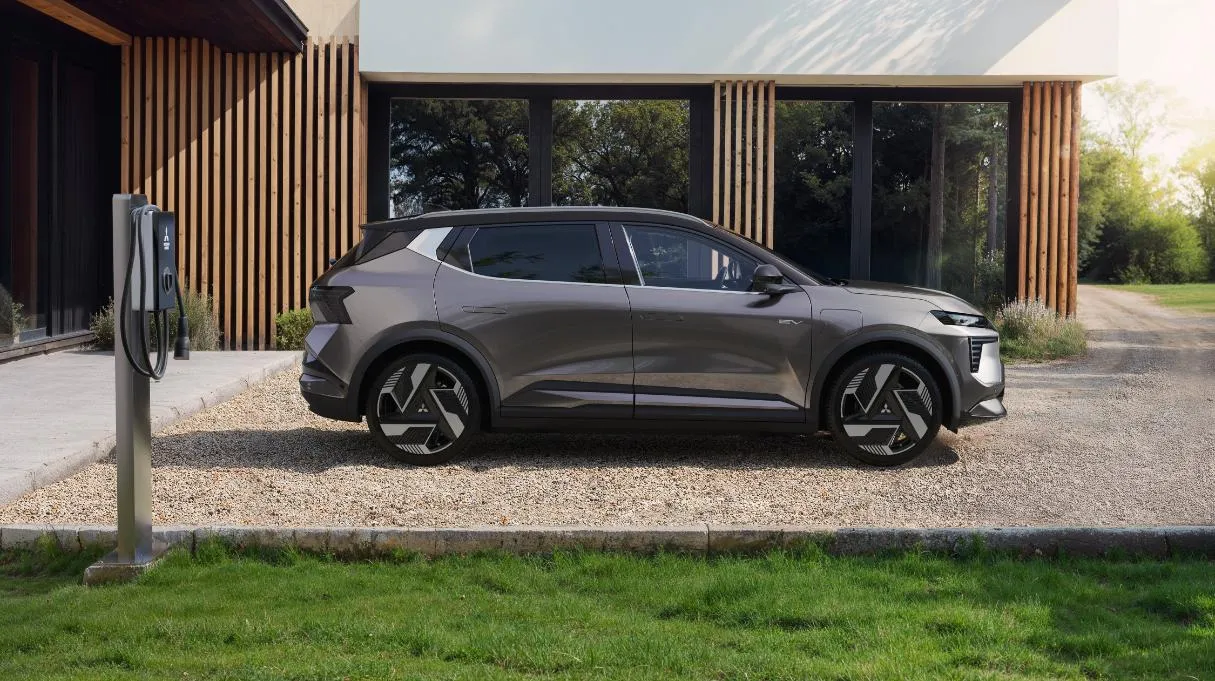
The Mitsubishi Eclipse Cross will become significantly cheaper by the end of 2026. A new 67 kWh version reduces the regular starting price by €9,700 to €35,990. Thanks to a temporary discount, you can even pay €32,990. Meanwhile, the version with the largest battery pack will have greater range and a shorter charging time.
Mitsubishi Eclipse Cross gets €9,700 cheaper
When the all-electric Mitsubishi Eclipse Cross launched in the Netherlands in 2025, its price started at €45,690. That version already came equipped with the large 87 kWh battery pack. Starting from the end of 2026, a cheaper version with a 67 kWh LFP battery pack will be available.
The new version comes with a regular starting price of €35,990. This means the entry price drops by exactly €9,700. Mitsubishi also offers a temporary €3,000 electric discount, bringing the Eclipse Cross price to €32,990. Compared to the original 2025 starting price, this represents a savings of even €12,700.
This price difference isn’t arbitrary. The cheaper Eclipse Cross has a smaller battery pack, resulting in less range. Still, buyers don’t have to settle for limited driving distance.
67 kWh LFP battery pack offering 472 kilometers of range
The new entry-level model comes equipped with a 67 kWh LFP battery pack. According to Mitsubishi, this allows for up to 472 kilometers of range under the WLTP testing method. For an electric SUV with a starting price just under €33,000, this represents an interesting combination on paper.
The fast charging capability is also quite impressive. The Mitsubishi Eclipse Cross 67 kWh can be charged at a maximum of 165 kW. The battery pack, according to the manufacturer, can go from 15% to 80% charge in about 24 minutes. This means the smaller version charges faster at fast chargers than the model with the larger battery pack.
LFP stands for lithium-iron-phosphate. This type of battery pack is increasingly used in more affordable electric cars. The raw materials are usually cheaper than those for NMC battery packs, and LFP batteries are known for their long lifespan. However, their energy density is lower, meaning more weight and space are typically required for the same capacity.
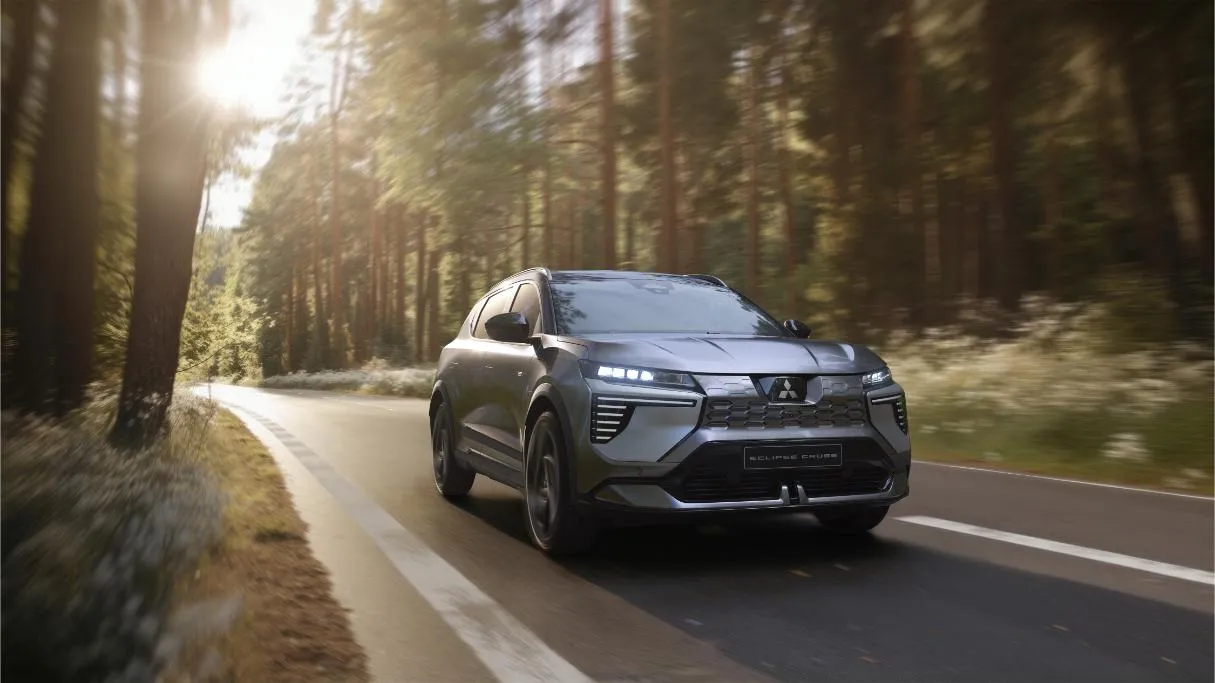
Mitsubishi Eclipse Cross’s 89 kWh version achieves 650 kilometers of range
On the other end of the range, there are also changes. The current 87 kWh version will be replaced by an upgraded 89 kWh NMC battery pack. As a result, the maximum WLTP range increases from 635 to 650 kilometers.
A difference of 15 kilometers doesn’t sound earth-shattering, but what’s more interesting is the improved charging time. The maximum DC charging capacity is 150 kW, which makes the large Eclipse Cross seem not exceptionally fast on paper. Yet, the charging time drops from 15 to 80 percent from a maximum of nine minutes to around 28 minutes.
This once again highlights why maximum charging capacity alone says little about how fast an electric car actually charges in practice. The charging curve—how much power the car can maintain throughout the entire charging session—is at least just as important.
AC charging is available at 11 kW. Depending on the chosen version, a 22 kW onboard charger is also available. The latter is particularly useful at public charging stations in the Netherlands, as many of them can provide 22 kW AC power.
We’re also familiar with this technology from the Renault Scenic E-Tech
The fact that the new battery capacities are familiar is no coincidence. The Eclipse Cross shares its technical foundation with the Renault Scenic E-Tech electric, which also recently received a new 67 kWh LFP battery pack and an upgraded 89 kWh version.
The figures are not exactly identical. Renault claims a maximum of 467 kilometers WLTP range for the Scenic with the smaller battery pack, while Mitsubishi states 472 kilometers. With the 89 kWh battery pack, the Scenic achieves 642 kilometers and the Eclipse Cross up to 650 kilometers. Minor differences in specifications and homologation may play a role in this discrepancy.
This close technical relationship is actually no secret. Mitsubishi utilizes existing platforms and technology within its alliance with Renault. For buyers, this shouldn’t be a disadvantage. Development costs can be spread across multiple models, and the technology can be deployed on a larger scale.
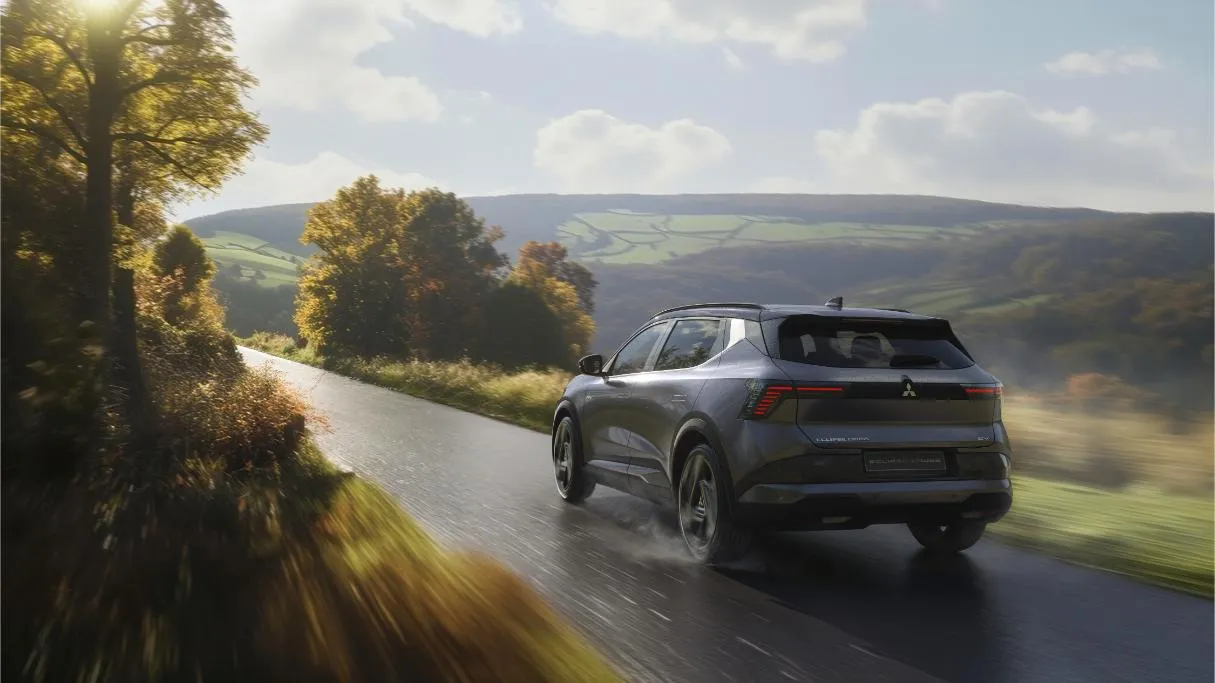
220 hp remains standard
Mitsubishi doesn’t skimp on power in the new entry-level version. Both the Eclipse Cross with a 67 kWh battery and one with an 89 kWh battery are equipped with an electric motor producing 160 kW, or 220 hp. The maximum towing capacity is 1,100 kilograms in both cases.
The choice between the two versions mainly comes down to price and range. Those who don’t drive hundreds of kilometers per day will likely find 472 kilometers of WLTP range more than sufficient. For frequent drivers, the 89 kWh version remains more attractive, especially with a maximum range of 650 kilometers and improved charging times.
Mitsubishi has not yet announced a new price in the Netherlands for that latter version.
The cheaper Eclipse Cross changes the game
It is the 67 kWh version that can significantly change the position of the Mitsubishi Eclipse Cross. With its original starting price of €45,690, the model was clearly positioned among the more expensive electric family SUVs. A regular price of €35,990, let alone the temporary price of €32,990, places it in a completely different segment of the market.
You sacrifice some range for this, but 472 kilometers on WLTP is still quite impressive. Additionally, the 220 hp engine power remains unchanged, and the battery pack can be charged at up to 165 kW. It seems Mitsubishi isn’t simply adding a stripped-down budget model to the lineup, but rather a version that might make more sense to many Dutch buyers than the current Long Range model.
According to Mitsubishi Motors Nederland, both new variants will be available starting at the end of 2026. The Eclipse Cross comes with an eight-year warranty covering up to 160,000 kilometers, with no mileage limit for the first two years. The battery pack and its remaining capacity are also covered by an eight-year or 160,000-kilometer warranty.
The increased range of the updated 89 kWh version is a nice addition, but in our opinion, the real news lies at the bottom of the range. A price reduction of €9,700 turns the same Eclipse Cross into a completely different offer.
Text: Arjan Hordijk