
Half the price of the Xiaomi SU7 with up to 702 km of range: the GAC Aion Ray 7 already has a release date
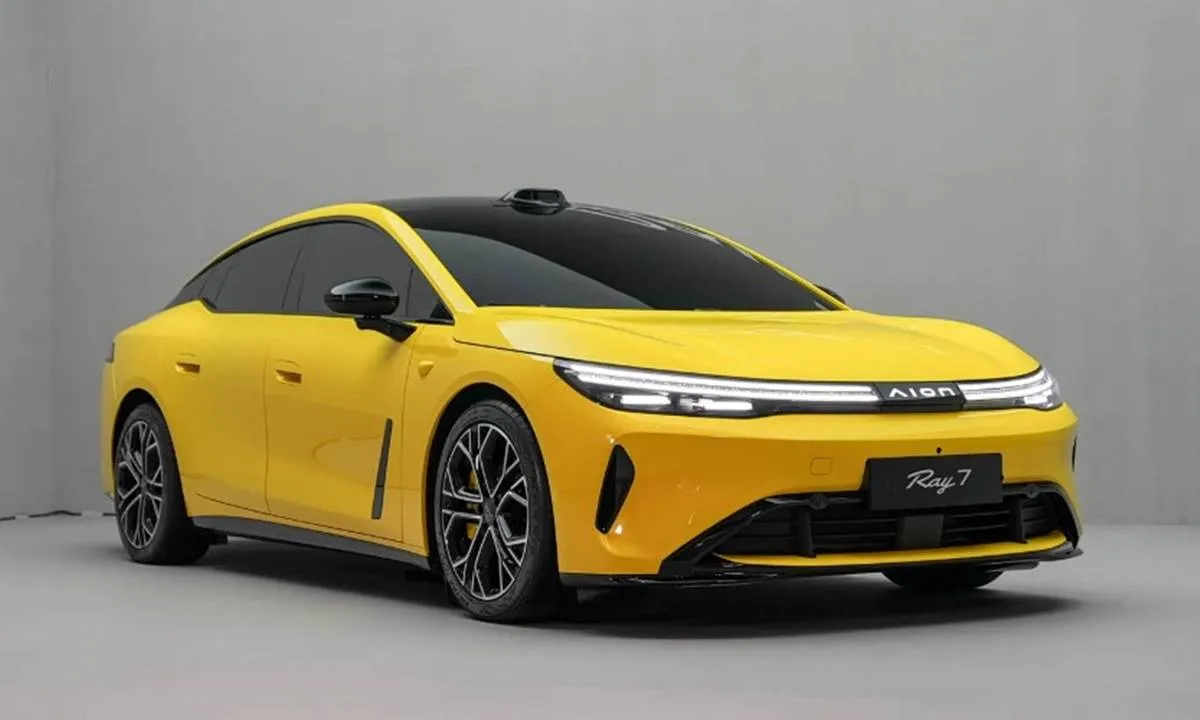
The competition among Chinese electric sedans continues to intensify. GAC Aion, which is already available in Spain as we recall, is preparing to launch a model aimed at attracting those who want a large car with a sporty design and advanced technology but have a more limited budget. Named Ray 7, it combines components from Huawei and offers a range that allows customers to choose between greater range or a more comprehensive suite of driving assistance features, all at a price that is almost half of what Xiaomi charges for its SU7.
The GAC Aion Ray 7 will enter the Chinese market on November 12, following the opening of reservations on October 17. The initial lineup includes five versions and a wide variety of configurations.
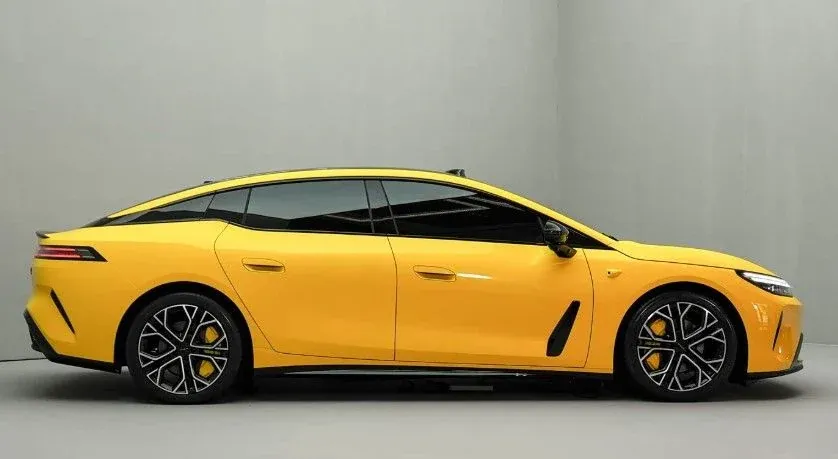
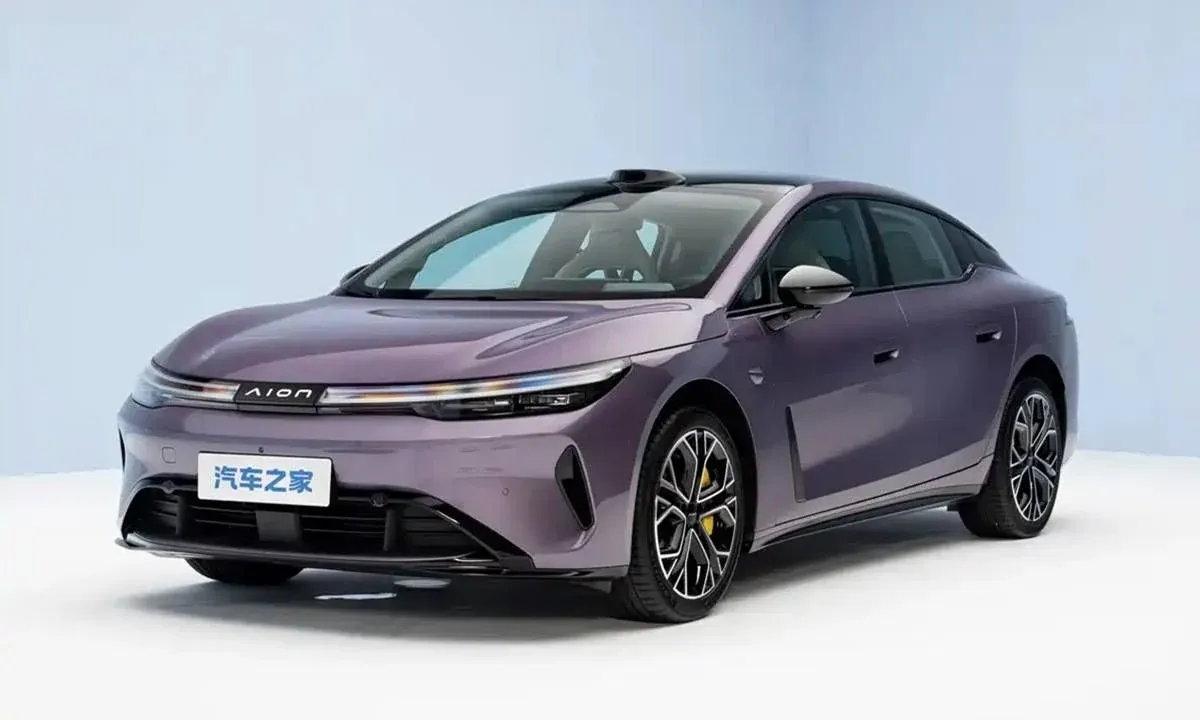
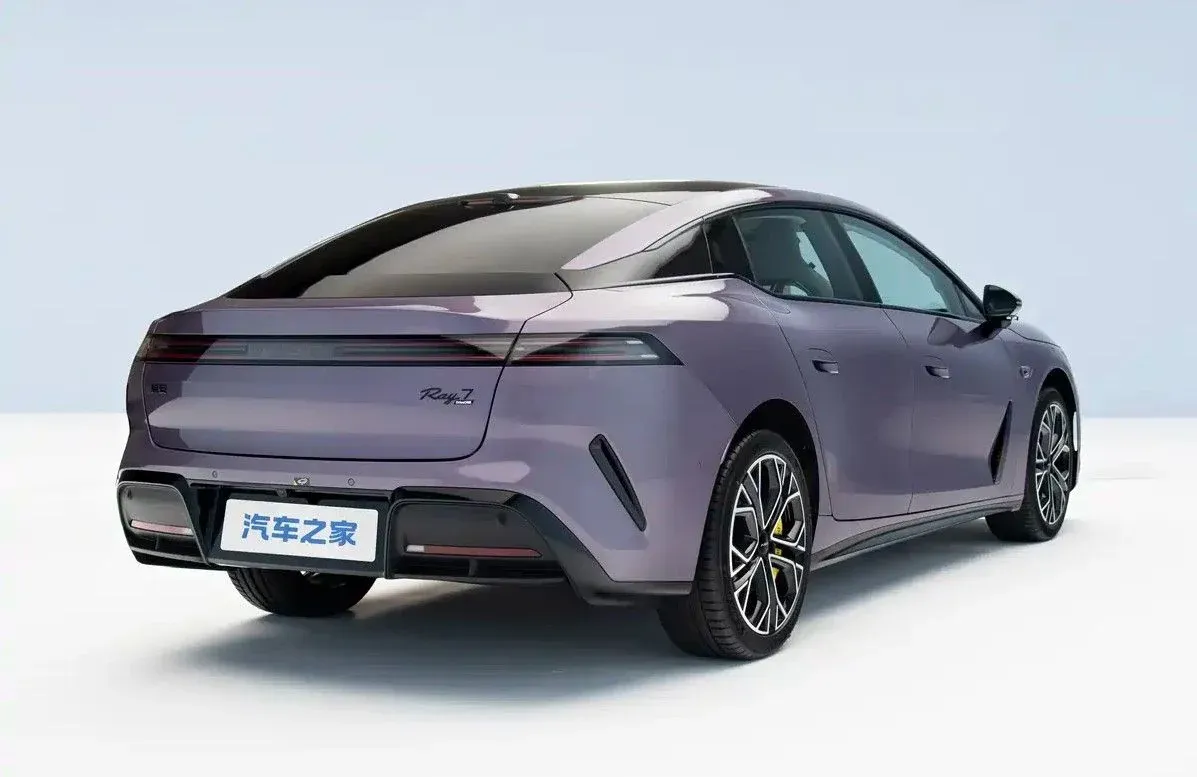
Its design features a sloping roofline, a low front end, and a glowing strip running across the entire width of the vehicle. The illuminated logo, air intakes, and partially hidden handles complete an appearance aimed at setting it apart from Aion’s more conventional models. Aerodynamics also play a key role, with a drag coefficient of 0.22.
In terms of dimensions, this is an F-segment electric sedan measuring 4.96 meters in length, 1.90 meters in width, and 1.46 meters in height, with a wheelbase of 2.92 meters. The five-double-spoke wheels and available yellow brake calipers enhance its sporty appearance. A horizontal light strip appears again on the rear, accompanied by the inscription AION.
Huawei’s technology and two range options
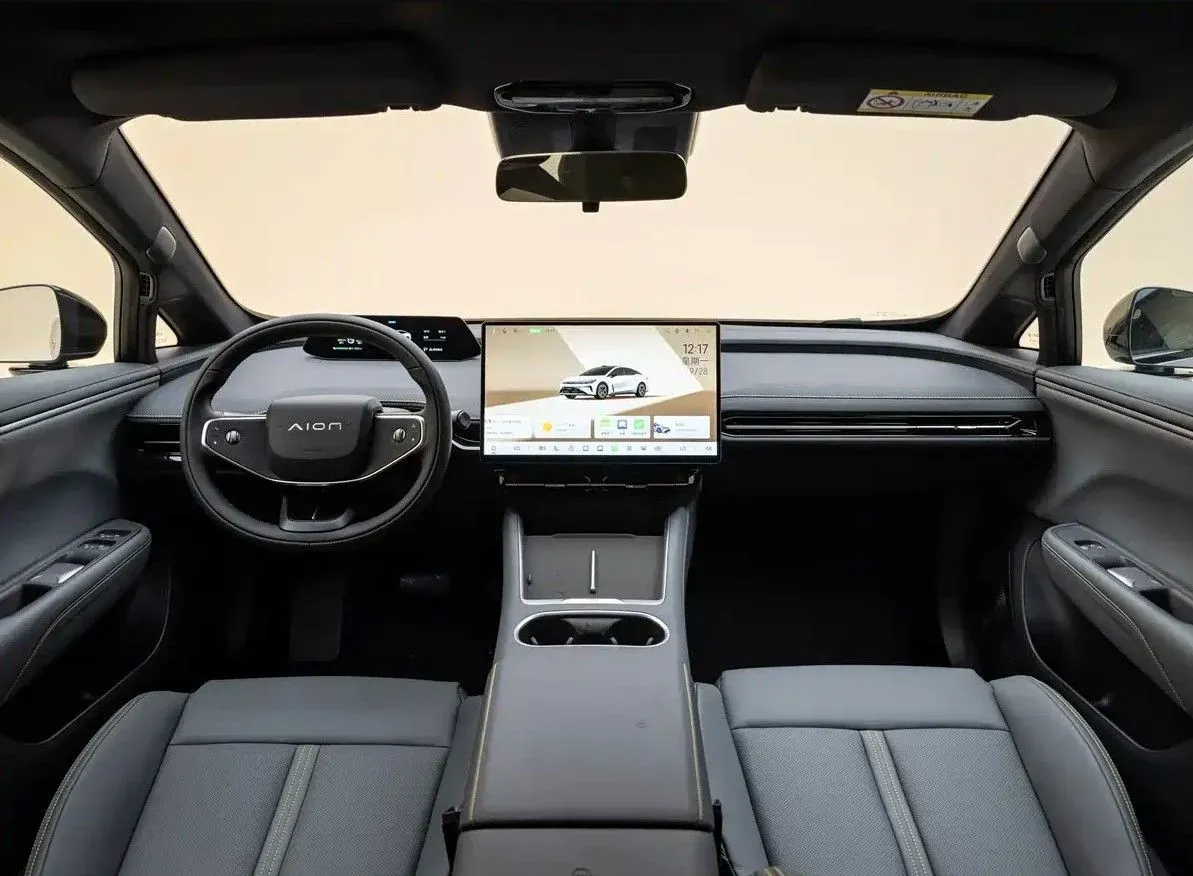
Although it is a fairly economical car for its segment, the Ray 7 doesn’t skimp on features. Inside, it features digital instrumentation, a large floating center screen, and a three-spoke steering wheel with integrated controls. The sporty-looking front seats, wireless phone charging, and storage compartments in the center console complete a fairly conventional layout. The goal is to combine a tech-oriented design with practical elements for everyday use.
The versions equipped with LiDAR feature a set of 27 sensors, including a 192-line LiDAR and three 4D millimeter-wave radars. The system provides advanced assistance in urban and highway conditions, as well as automatic parking functions. Its algorithms share a technological foundation with WeRide’s robotaxis, but this connection does not make the Ray 7 a level 4 autonomous vehicle.
Power is provided by Huawei DriveONE integrated system, with a rear engine delivering 180 kW (245 HP). GAC combines this with its thermal management module that integrates 28 functions to reduce losses and improve overall efficiency. The brand claims a minimum consumption of 9.7 kWh per 100 km under China’s CLTC cycle during internal tests, a figure that can be estimated at around 11 kWh per 100 km under WLTP standards.
The base model is equipped with a 45.5 kWh LFP battery, giving it a 530 km CLTC range; our estimate is around 461 km WLTP. The higher-range option uses a 62.9 kWh LFP battery with CATL cells, achieving 702 km CLTC, which translates to roughly 611 km WLTP. This suggests the Ray 7 will be a highly efficient vehicle.
The range allows customers to choose among different priorities without being forced to go straight for the most expensive option. One tier above the base model offers two alternatives at the same price: one keeps the smaller battery and adds LiDAR, while the other includes the larger battery but omits that feature. Above that are the versions that offer greater range and advanced assistance features.
The pre-order prices in China, of course, cannot be exported to Europe, but they help us gauge the level of competition there. This large sedan, which would cost at least 40,000 or 50,000 euros here, is available for purchase at prices ranging from 17,300 to 21,300 euros based on the current exchange rate. This figure can be compared to the 29,500 euros starting price of the cheapest Xiaomi SU7 model.
Will we see it in Europe? For now, the brand has not announced this possibility, but it’s clear that this is a concept with good acceptance in our market, and a proposal that could perfectly complement Aion’s lineup in Europe, which currently consists of the compact “UT” and SUV “V,” with the new N60 to be added. The Ray 7 would fit perfectly into this lineup to occupy the sedan segment.