
Mission Efficiency: Volkswagen sets an extraordinary fuel consumption record with the ID.Polo technology
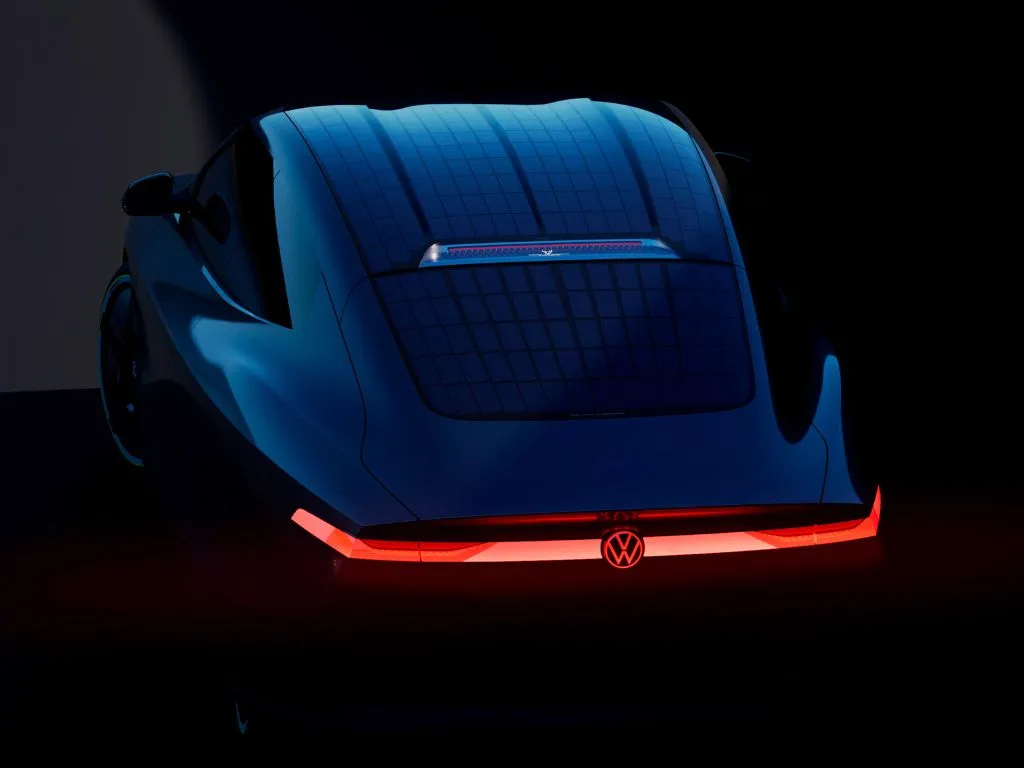
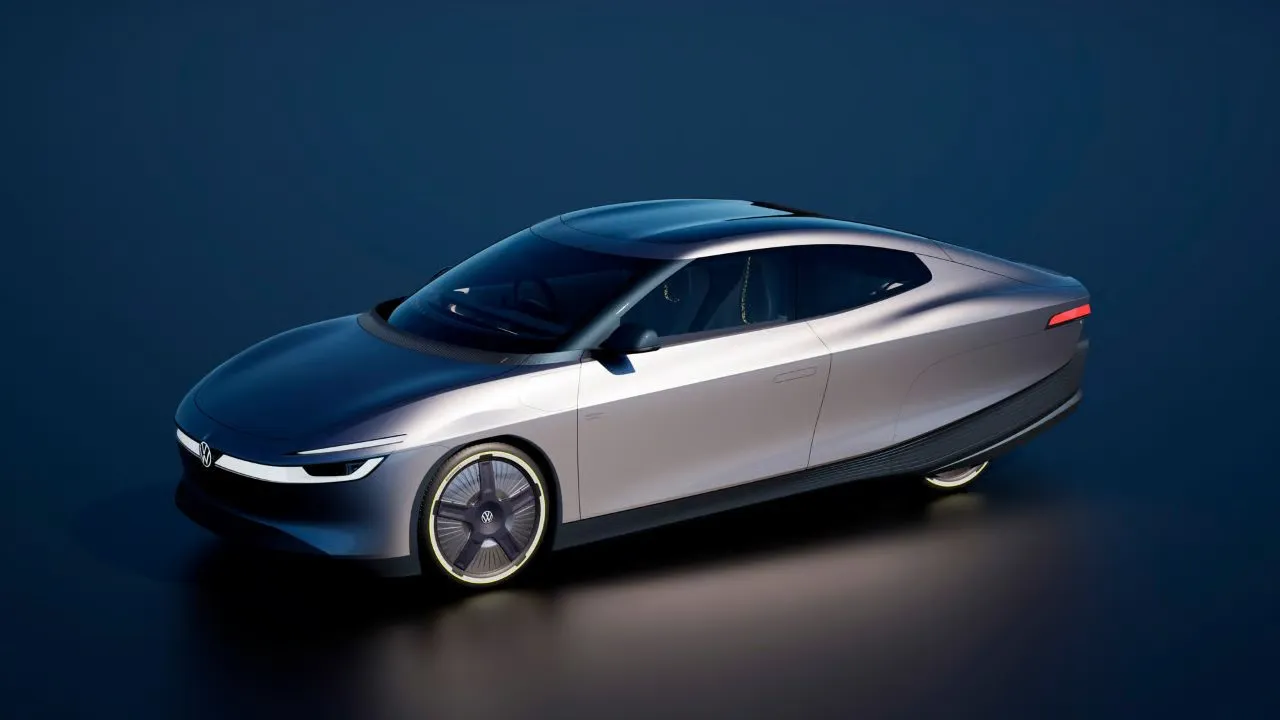
The Mission Efficiency is based on the powertrain of the Volkswagen ID.Polo. Average fuel consumption over 1,200 km: 7.51 kWh/100 km.
Records for efficiency are making a comeback. After an initial golden age in the 1970s and 1980s, automakers are once again striving to experiment with aerodynamics and powertrains or highlight the low fuel consumption of their vehicles. Volkswagen has just joined this trend. The brand achieved three new efficiency records with an experimental vehicle aptly named… Mission Efficiency. These records were verified and archived by the Rekord-Institut für Deutschland (RID), Germany’s counterpart to the famous Guinness World Records.
Also read
Volkswagen ID.Polo Test: A Versatile City Car… Really Versatile?
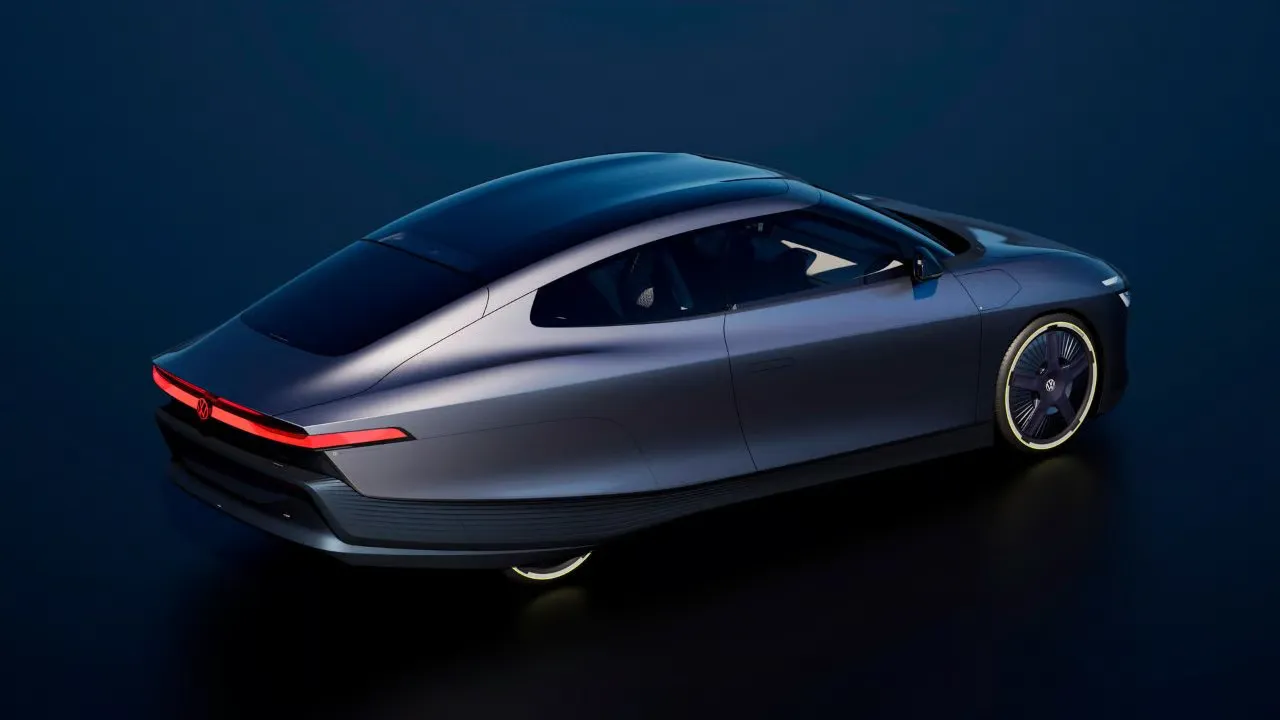
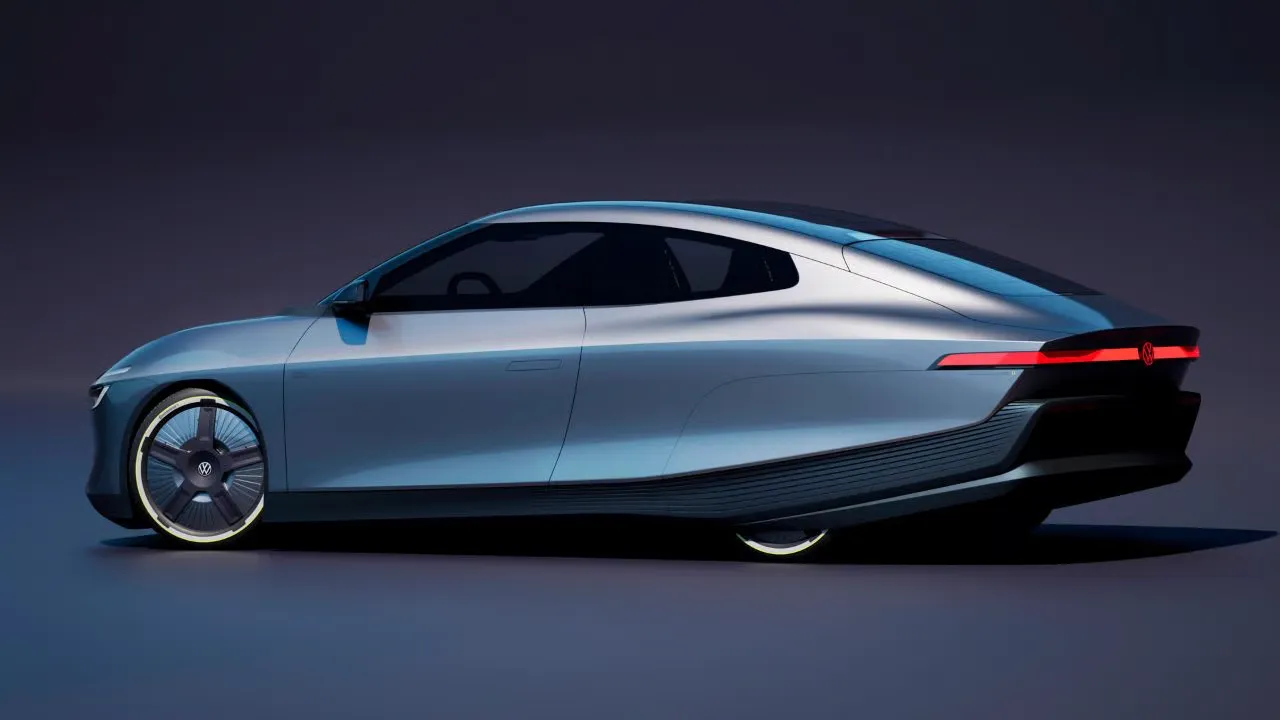
The first record broken is the drag coefficient or Cx. The experimental vehicle shows a value of 0.158. According to Wolfsburg, this represents the best result among vehicles “approved for road use.” The front area is limited to 2.08 m2.
Some current Cx values...
Volkswagen Mission Efficiency (concept): 0.158
Mercedes Vision EQXX (concept): 0.17
Forthing Xinghai S7 (production model): 0.191
Xiaomi SU7 (production model): 0.195
Lucid Air (production model): 0.197
Mercedes EQS (production model): 0.20
Hyundai Ioniq 6 (production model): 0.21
Tesla Model 3 (production model): 0.219
Geely Galaxy TT (production model): 0.22
Note: Not all manufacturers provide a value for the “thousandth” digit, which is the third digit after the decimal point. Yet, in the world of aerodynamicists, calculations are typically done on this scale.
The second recognized record is for electricity consumption under “ideal” conditions. On a flat test track with the air conditioning turned off and at a steady speed, the Mission Efficiency was measured at 6.48 kWh/100 km.
Under very similar conditions, the Geely Galaxy TT sedan recently achieved a consumption of 8.20 kWh/100 km around Qinghai Lake in western China. It’s worth noting that this was measured at an altitude of 3,200 meters—where air resistance is lower. This record has been verified by Guinness World Records.
From Wolfsburg to Vienna by Road
VW had another fuel consumption record certified, this time on public roads. The Mission Efficiency drove from Wolfsburg to Vienna, where the first tests of the new ID.Polo took place. This was under real-world conditions. Completed in mid-August, this 1,278 km journey passed through Poznań (Poland) and Olomouc (Czech Republic). The advantage was a very low elevation change and a consistently high average speed of 68 km/h.
However, not all conditions were favorable. “A large part of the trip was done in the rain,” Volkswagen explained on condition of anonymity. The Mission Efficiency also reached speeds of up to 138 km/h. Despite having a medium-sized battery, the car made only one stop to recharge in the Czech Republic. There were still 164 km left shown on the dashboard upon arriving in the Austrian capital.
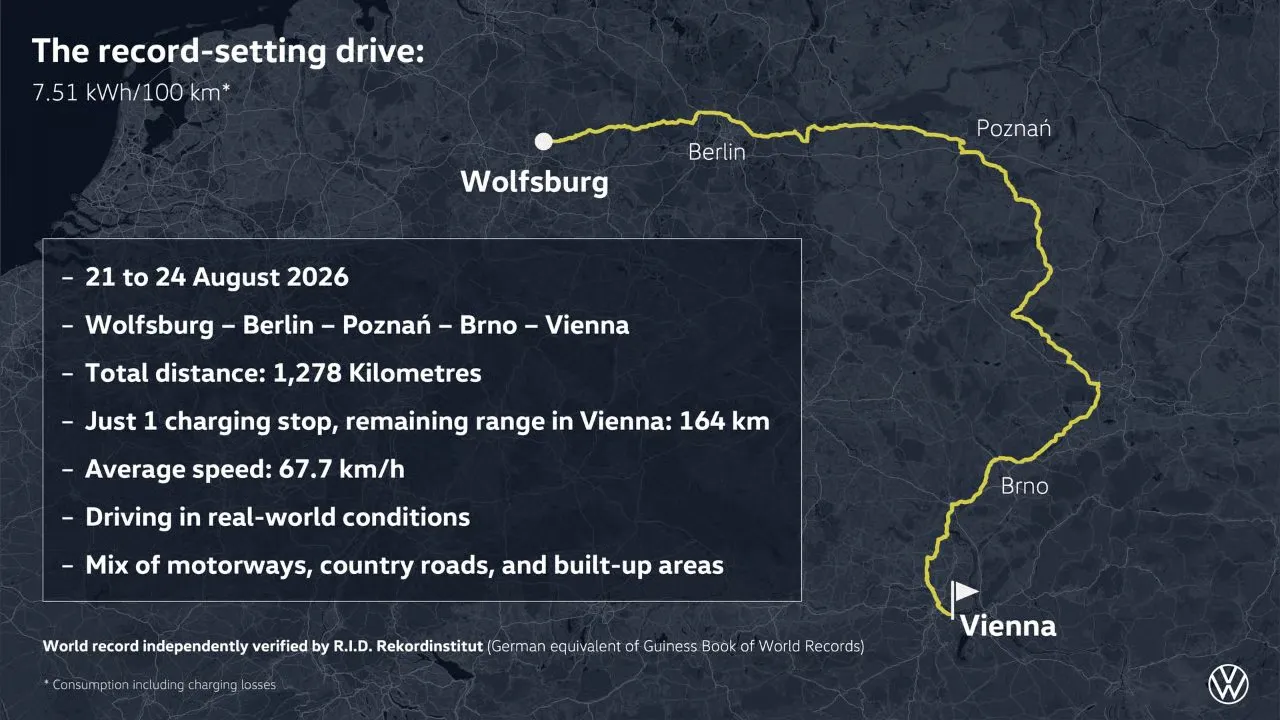
On this route, Volkswagen’s average fuel consumption was measured at 7.51 kWh/100 km, compared to 8.4 kWh/100 km under the WLTP cycle. After accounting for charging losses, it was 6.89 kWh/100 km. These figures can be compared to those recorded since 2022 by the Mercedes Vision EQXX concept car. That long sedan had shown a consumption of 8.7 kWh/100 km during a road trip from Stuttgart to Cassis.
Also read
Xiaomi sets another surprising record at the Nürburgring with its electric SUV
During a trip from Stuttgart to Silverstone, it reduced its consumption to 8.3 kWh/100 km. Finally, it claimed a consumption of 7.4 kWh/100 km between Riyadh (Saudi Arabia) and Dubai (United Arab Emirates) in March 2024.
Standard equipment
Despite the Mission Efficiency’s elongated shape, it remains quite similar to the regular model. This experimental vehicle uses 80% components taken from the latest ID.Polo, including the battery, engine, and suspension. The Continental tires are based on the commercially available EcoContact 7.
As part of the ID.Polo testing, we met the only existing unit of the Mission Efficiency and its two creators. To uncover its secrets, stay tuned—this will be featured soon on Automobile Propre!