
Minister: first electric vehicles in 2029 and up to 450,000 cars per year!
In short:
Negotiations with Foxconn are set to conclude within a few weeks
Construction of the factory in Jaworzno will begin in spring 2027
The first cars are expected to roll off the assembly line in 2029, according to Wojciech Balczun, Minister of State Assets
The factory’s maximum production capacity is expected to be around 450,000 cars per year
Minister: negotiations are nearing completion
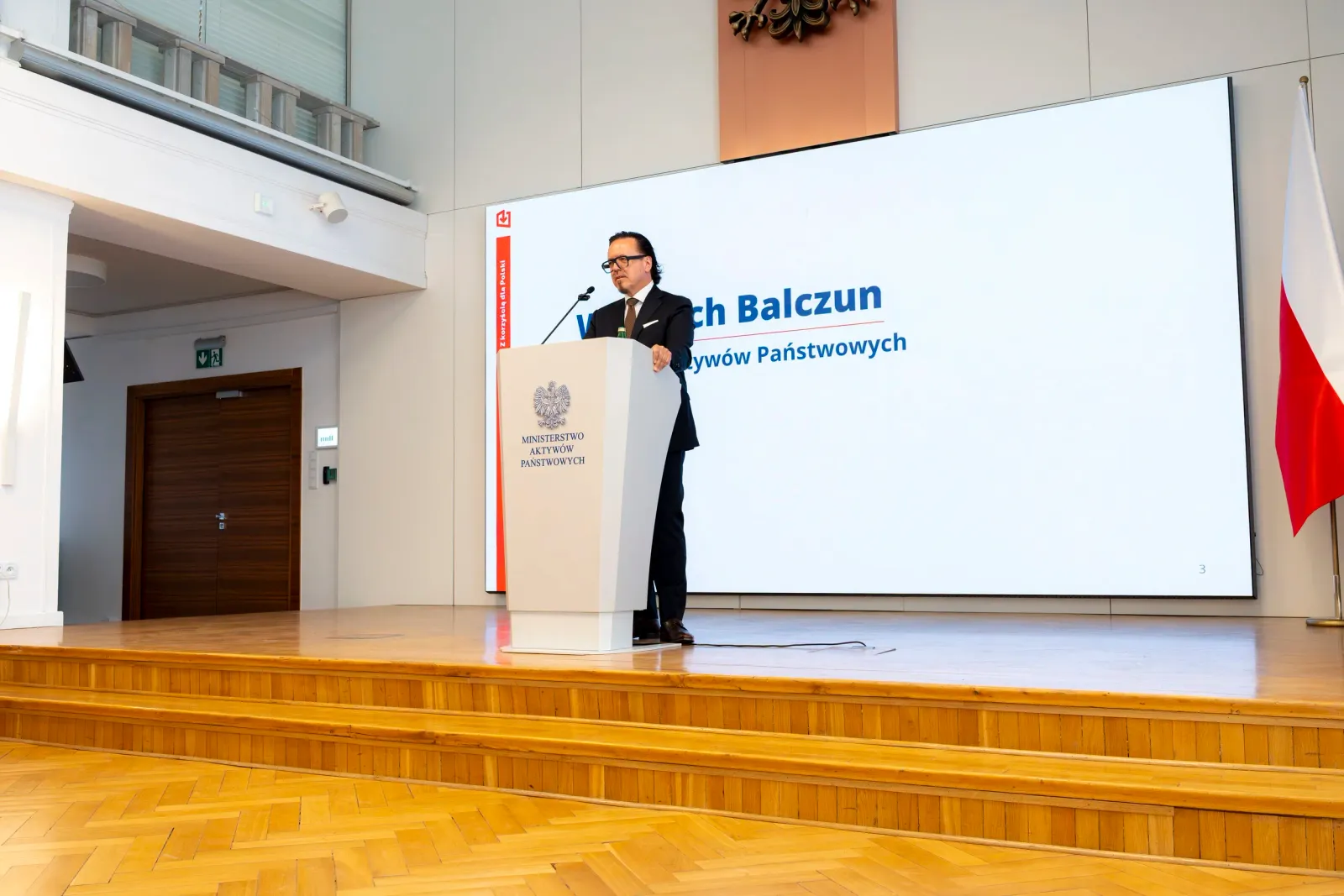
The project for a Polish electric car has entered its next phase after years of announcements. Minister of State Assets Wojciech Balczun said in TVP Info’s “Question of the Day” program that talks with Taiwanese Foxconn regarding a joint venture are already nearing completion.
“I expect we will be able to wrap up these negotiations within the next few weeks,” Balczun said on TVP Info’s airwaves.
The signing of the proper company contract is scheduled for fall 2026. If the timeline holds, construction of the plant in Jaworzno is set to begin next spring. The minister noted that work on the site is already underway—ground leveling is currently being carried out.
Foxconn didn’t join the project until now. In May, ElectroMobility Poland announced the selection of the Taiwanese conglomerate as its strategic partner. Foxtron Vehicle Technologies, part of the same group, which develops electric vehicles and modular EV platforms, is also set to participate in the project.
The first car is expected to leave the factory in 2029
According to the schedule presented by Balczun, the first mass-produced cars are set to leave Jaworzno in 2029. However, this will no longer be an implementation of the original Izera concept.
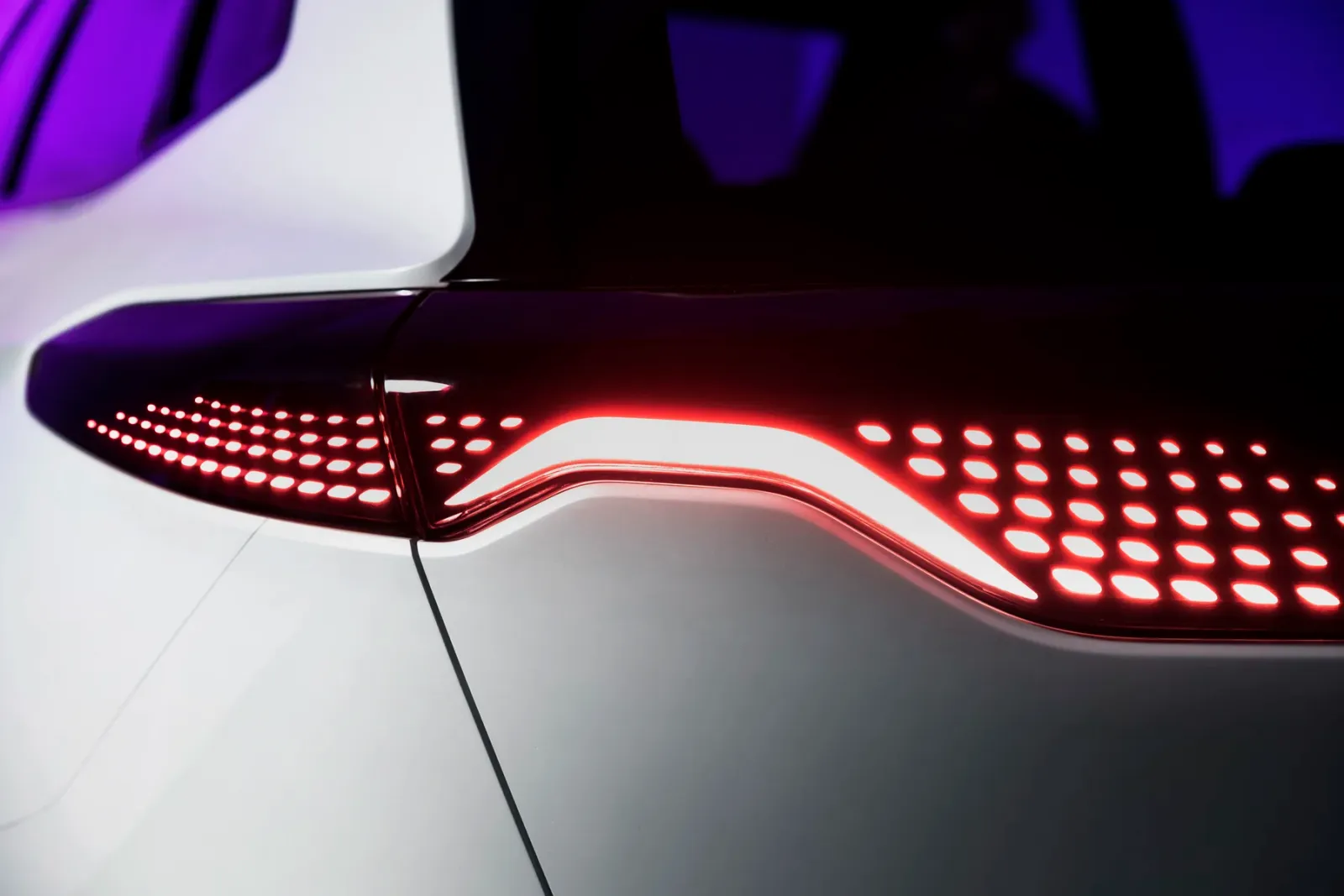
The project has been redesigned to create a new European car brand with its headquarters and decision-making center in Poland. Initially, its lineup is expected to include three electric models. The Ministry of State Assets also states that ElectroMobility Poland will be granted an exclusive right to distribute and sell them in Europe.
Balczun emphasized the project’s European ambitions on TVP Info.
“That will mean technology transfer, expertise in Poland, and our own Polish car that we will produce and sell across Europe,” said the minister.
It won’t be just about assembling in Poland a car designed in Asia. According to the government and EMP, cooperation with Foxconn is intended to gradually bring to Poland expertise related to design, engineering, software, and the development of future vehicle generations as well.
The factory is expected to produce up to 450,000 cars per year.
Balczun also revealed the plant’s target scale on TVP Info. The factory’s maximum production capacity in Jaworzno is set at around 450,000 cars per year.
This certainly doesn’t mean that such a number of vehicles will be produced right after production starts. The plant is designed to allow for gradual capacity expansion as sales grow.
Earlier information from EMP indicated that a full-scale factory would be built in Jaworzno, including a body welding shop, paint shop, battery and electric drive system assembly area, as well as an final vehicle assembly line. Next to it, a research and development center will operate, focusing on software, data analysis, and adapting vehicles to the needs of the European market.
4.5 billion zł from KPO for the project
One of the biggest challenges in the original plan for a Polish car was funding and the lack of a ready-made factory. This time, financing for the government’s share of the project has been formally secured.
In May, NFOŚiGW signed an investment agreement with ElectroMobility Poland for funding of around 4.5 billion zł from the National Reconstruction Plan. The funds are intended to support the development of the Polish Electromobility Hub in Jaworzno.
Meanwhile, Foxconn is set to serve as the technological partner—one of the world’s largest electronics manufacturers, best known for producing devices for global tech companies. However, in recent years the Taiwanese firm has also significantly expanded its automotive operations through Foxtron.
Foxconn plans to provide EV platforms, expertise in vehicle development, and engineering capabilities. Local R&D infrastructure and a supplier network are also planned to be developed in Poland.
A large portion of components is expected to come from Europe and Poland
One of the assumptions of the new version of the project is also a high proportion of local suppliers.
The Ministry of State Assets reported in July that even at the start of production, the so-called local content ratio should be around 70%. NFOŚiGW later clarified that about 70% of the value of components should come from the European Union, with a significant portion to be produced in Poland.
This represents a substantial difference from simply importing a finished structure and assembling it. The government presents Jaworzno not only as an automobile factory but also as a hub around which a supply network of battery, component, software, and engineering services will be developed.
Izery no longer exists. The project has been restarted from scratch.
The current project stems from ElectroMobility Poland, a company originally established with the aim of creating Izera. That project’s timeline changed over the years, and the planned factory was never built.
The technological partner has also changed. Previously, EMP planned to use Geely’s technology, but the collaboration did not lead to production starting. The current plan involves a joint venture with Foxconn and the development of a new brand, rather than returning to Izera.
The nearest specific deadline remains fall 2026, when the contract with Foxconn is expected to be finalized. The next step would be to begin construction of the factory in spring 2027, with production of the first three models starting two years later.
For now, their names, full specifications, and prices have not been revealed. It is known, however, that the cars are intended to be designed not only for Poland but also for sale in markets across Europe.
Piotr Sobczyk